
Introduction
With global Electric Vehicle (EV) sales skyrocketing—breaking 3 million units last year alone—more families are getting serious about setting up their own dedicated charging spots at home. For most owners, the Level 2 charger installation is the gold standard for residential charging. It boosts charging speed dramatically, saves you money long-term, and even adds value to your property. But the big question remains: How much does it cost to install a Level 2 charger at home?
This guide will give you a transparent, full-spectrum breakdown of the real electric vehicle home charger cost, covering everything from the underlying technology and equipment choices to the installation process and potential savings. Our goal is to help you make a reliable, safe, and cost-effective decision.
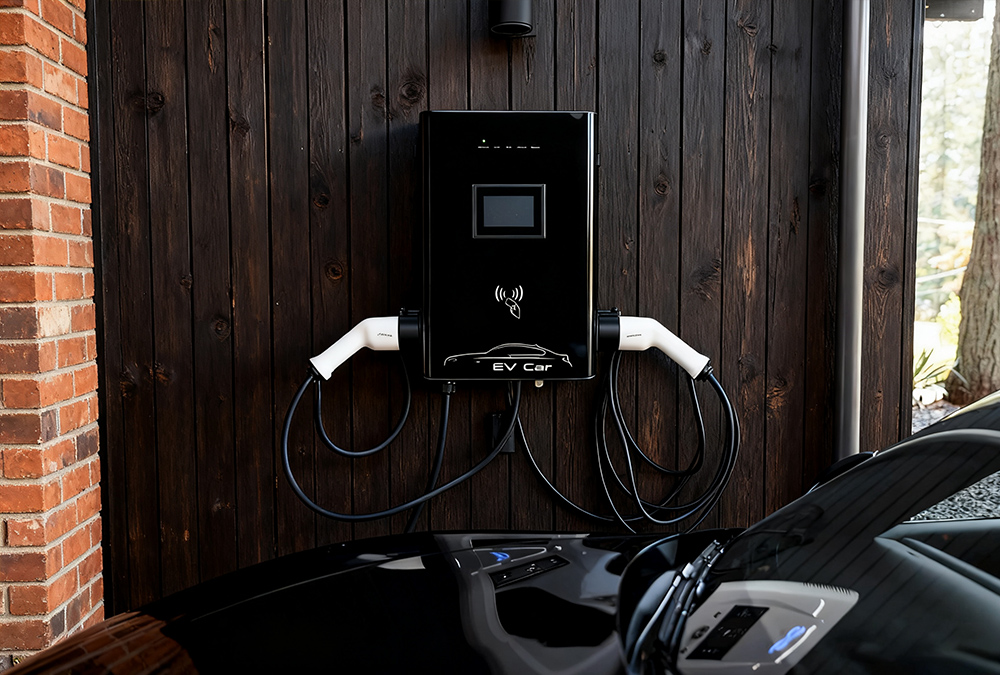
What Exactly is a Level 2 Charger?
A Level 2 charger is a residential or commercial charging unit that uses 240-volt AC power. Compared to the standard 120V Level 1 charger, it’s significantly more powerful and faster. Typical residential Level 2 units offer a kilowatt output ranging from 3.3 kW to 19.2 kW (about 16A to 80A). This means a standard 300-mile range EV can typically be fully charged in 4 to 10 hours—perfect for effortless overnight charging while you sleep.
In contrast, a Level 1 charger only adds about 4–5 miles of range per hour. Charging a mainstream EV could take 30 to 50 hours, making it impractical for daily use. And while DC Fast Chargers can add an 80% charge in 20 minutes, they require high-voltage grid support and expensive, bulky equipment, making them unsuitable for most homes. This is why Level 2 units represent the optimal home charging solution—balancing speed, safety, and economy.
Level 1 vs. Level 2: The Key Differences
Level 1 charging uses the common 120V household outlet, requiring no special installation of home charging stations. It’s fine for temporary emergencies or very short commutes. However, its sluggish speed just can’t keep up with the demands of a primary vehicle.
Level 2 charging, powered by a dedicated 240V circuit, boosts charging efficiency by 5 to 7 times, adding 20 to 40 miles of range per hour.
More importantly, Level 2 units support smart features like remote control and time-of-use (TOU) scheduling. Over the long run, this allows for substantial electric vehicle charging cost savings by utilizing cheaper off-peak electricity, reducing your reliance on expensive public stations. While the initial investment for Home EVSE installation is higher, the advantages in time savings, convenience, and battery health are clear.
Here is a quick look at the core differences between the two home charging methods:
| Feature | Level 1 Charger | Level 2 Charger |
| Voltage | 120V | 240V |
| Typical Power | 1.3–1.9 kW | 3.3–19.2 kW |
| Charging Speed | 4–5 Miles/Hour | 20–40+ Miles/Hour |
| Professional Installation Needed | No | Yes |
| Equipment Price | $100–$200 (Often included with car) | $400–$2,000+ |
| Best For | Emergency, Very Short Commutes | Daily Primary Charging |
| Long-Term Savings | Low (High time cost) | High (TOU rates, less public charging) |
Is a Level 2 Charger Right for Your Home?
Nearly all major EVs—including the Tesla Model 3/Y, Nissan Leaf, Ford Mustang Mach-E, Hyundai Ioniq 5, and BYD Seal—are compatible with standard J1772-compatible Level 2 chargers. Even models with proprietary connectors can usually charge using an adapter.
A Level 2 unit is ideal if you have a dedicated parking space, like a private garage or driveway, and plan to use your EV long-term. Anyone driving more than 30 miles per day will especially benefit from the quick overnight top-up. Plus, homes with an installed Electric car home charging station are more attractive to buyers. Studies indicate that houses with EV charging facilities sell for an average of 3%–5% more and move off the market faster, making this upgrade both practical and valuable for property investment.
The Average Cost of Installing a Level 2 Charger
In the United States, the total Level 2 charger installation cost typically ranges between $1,200 and $3,500. This figure is highly variable and includes the charger equipment cost ($400–$2,000), electrician labor and materials ($800–$2,500), and potential electrical system upgrades (an additional $0–$3,000 or more).
For instance, a standard installation in the Pacific Northwest (no panel upgrade needed, short wiring run in a garage) might total about $2,500. Conversely, if you live in an older neighborhood or require a long outdoor wiring trench, the total cost to install EV charger at home could near $5,000. It’s important to note that federal and local incentives like Tax credits for EV charger installation can significantly reduce your final out-of-pocket expense.
Here is a quick reference for typical installation scenarios across the U.S.:
| Installation Scenario | Total Cost Range (Incl. Equipment) | Key Factors |
| Standard Garage Install (No Upgrade) | $1,200–$2,200 | Panel has spare capacity, short wiring distance |
| Outdoor Install (Hardwired) | $1,800–$3,000 | Includes weatherproofing, conduit, 240V power supply for chargers |
| Needs New 240V Circuit | $2,000–$2,800 | No existing outlet, but panel has capacity |
| Needs Panel Upgrade (100A→200A) | $3,000–$5,000+ | Common in older homes, high labor/material cost |
| Plug-In (Using existing dryer outlet) | $800–$1,500 | Requires circuit load management assessment |
For a clearer understanding of your potential expenses, here is a detailed EV charger cost breakdown for a typical Level 2 installation:
| Cost Item | Estimated Cost Range | Notes |
| Charger Equipment Cost | $400–$2,000 | Varies by brand, power level, and smart features |
| Electrician Labor & Materials | $800–$1,800 | Includes wire, conduit, breaker, junction box |
| Electrical Load Calculation | $100–$250 | Assesses panel capacity; legally required |
| New Dedicated 240V Circuit | $300–$800 | If no circuit is available |
| Main Panel Upgrade (100A→200A) | $1,500–$3,000 | Common in older properties |
| Electrical Permit & Fees | $50–$800 | Highly area-dependent; average is ~$310 |
| Final Inspection & Sign-off | $100–$250 | Mandatory in most jurisdictions |
| Outdoor Protection/Enclosures | $200–$600 | For exposed or weather-sensitive locations |
Bringing Your Own Charger vs. Buying New Equipment
Many EV manufacturers include a portable charging cord—often a basic Level 1 or low-power Level 2 unit—with the car. While this saves on the initial charger equipment cost, these “starter” devices often lack advanced features, have power limits, and may have lower weather ratings.
Purchasing a new, dedicated Level 2 charger provides higher charging power, remote monitoring, superior weather resistance, and multiple safety protections. Major EV charging equipment brands like Beny, ChargePoint, and JuiceBox offer various models certified by North American safety labs (UL, ETL) to ensure long-term reliability and safety. In the long run, this investment improves your experience and helps you avoid safety risks associated with substandard equipment.
Key Factors That Inflate the Level 2 Charger Installation Cost
Your final installation price is not fixed. Several major variables determine the overall cost of installing a Level 2 charger at home:
1. Equipment Type and Brand
High-end models offer Wi-Fi connectivity, solar integration, scheduled charging, and OCPP compliance, which naturally raises the price. However, choosing a product certified by a Nationally Recognized Testing Laboratory is critical. An EV charger often draws more continuous power than all other appliances in your home combined. Opting for cheap, uncertified electric car home charging stations to save on the initial cost could lead to performance issues, electrical fires, or injury.
2. Plug-In vs. Hardwired Installation
A plug-in charger requires a NEMA 14-50 or similar 240V outlet, making it easier to install and move—ideal for renters or those who plan to move. But outlets can wear out under long-term high loads. A hardwired setup connects directly to the circuit breaker. It offers greater stability and safety, making it the recommended choice for permanent, especially outdoor, residential charging station installation. Though hardwired labor is slightly higher, the long-term reliability is worth the investment.
3. The Need for Electrical Panel Upgrades
Older homes often have 100-amp service panels, which simply cannot support an added 40A–60A continuous charging load. If this is the case, you will need a full load calculation, a main panel upgrade (e.g., 100A to 200A), and a new dedicated 240V power supply for chargers. This work can add $1,500 to $3,000 to the total electric car charger installation cost. Get a comprehensive assessment from a licensed electrician before starting the work to avoid costly rework later.
4. Location: Garage vs. Outdoor
Installing inside a garage is cheapest because it requires minimal weather protection. Outdoor installations need NEMA 4 or IP65-rated chargers, and may involve drilling through concrete, trenching for cables, and special conduit protection. This increases the total cost. In either case, ensure the charging cable can reach your vehicle easily and is protected from vehicle traffic or water damage.
5. Wiring Distance and Complexity
The distance between your main electrical panel and the charger location directly affects material and labor costs. Every additional 10 feet of wiring can add $50–$100 to the bill. If the electrician needs to route wiring through finished walls, floors, or the attic, structural modifications will further push up the budget. Plan to locate the charger as close to the electrical panel as possible to minimize your electrical wiring for Level 2 chargers expenses.
6. Permits, Inspection, and Local Regulations
Most areas require an electrical permit, costing between $50 and $800 (with an average of around $310). If structural changes are involved, a building permit may also be necessary. After installation, a municipal inspection is required, usually costing $100–$250. Professional electricians typically handle all permits to ensure the design and installation comply with the National Electrical Code (NEC) and local regulations.
7. Geographical Differences in Labor
Labor rates for Home EV charger installation vary significantly. In high-cost areas like California or New York, electricians may charge $120–$180 per hour, while rates in the Midwest or South might be $70–$100 per hour. Always get detailed quotes from at least three licensed local electricians who have verifiable EVSE experience.
Government Incentives: Lowering Your Out-of-Pocket Cost
Federal and local governments are actively encouraging the build-out of electric vehicle charging infrastructure. The Inflation Reduction Act (IRA) of 2022 restored and expanded the federal tax credits for EV charger installation. Eligible homeowners can deduct 30% of the equipment and installation fees, up to $1,000. Furthermore, many states and utilities offer additional EVSE installation rebate programs.
Here are typical incentives in popular regions (as of 2025):
| Region | Incentive Type | Max Amount | Brief Requirements |
| Federal (IRA) | Tax Credit | $1,000 | Applies to 30% of cost, must be eligible location |
| California | CALeVIP Rebates | $600–$1,000 | Varies by income tier, must use approved installer |
| Washington (PSE Customers) | Utility Rebate | $1,000 | Requires UL-certified equipment, invoice, and permit |
| New York (NYSERDA) | Rebate | $400 | Often targeted at low-income or specific urban areas |
| Texas (Austin Energy) | Rebate Program | $750 | Requires enrollment in a Time-of-Use rate plan |
| Pro-Tip: Incentive policies change frequently. Before installation, check your local utility company’s website or consult your installer for the latest eligibility requirements. |
Is Home Level 2 Charger Installation Worth the Cost?
From an economic perspective, charging at home is far cheaper than using public fast chargers or buying gasoline. At current average electricity rates, fully charging a 60kWh battery costs just $7–$15, providing 200–250 miles of range. Driving the same distance in a gasoline car typically costs over $25. Over the long term, you can save hundreds to thousands of dollars annually.
More crucially, home charging provides unparalleled convenience—no lines, no paying premium rates, and no searching for a working station. Charging during off-peak hours also helps extend battery life by avoiding the thermal stress of frequent fast charging. When you factor in the potential increase in property value, a Home Level 2 charger installation is undeniably a high-return, long-term investment.
How to Choose a Reliable Electrician and Installer
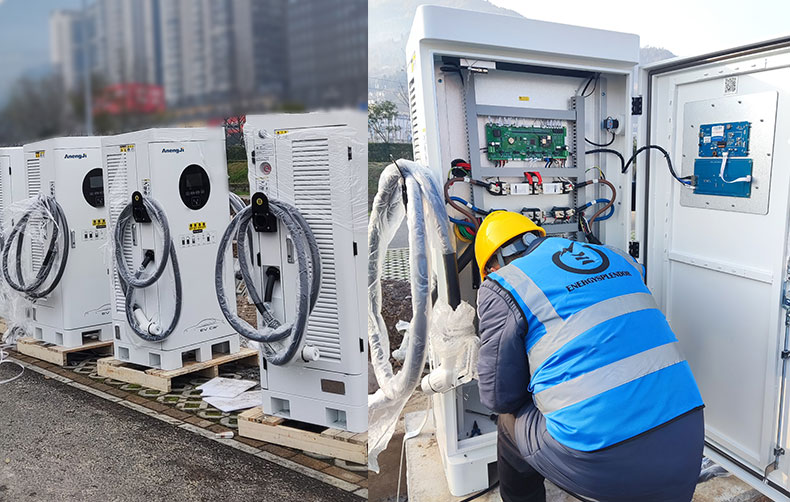
You must select a licensed electrician with demonstrated Electric vehicle charger installation near me experience. Verify they carry liability and worker’s compensation insurance and ask for references or examples of past projects. Get a written contract that clearly outlines the timeline, warranty (we recommend at least one year), and payment schedule. Prioritize using equipment from certified brands like Beny or AnengJi. A reputable installer will also handle the necessary permitting and inspection process, giving you peace of mind.
FAQ: Electric Vehicle Home Charger Cost
Q1: What is the average Level 2 charger installation cost?
A: The total Level 2 charger installation cost in the US typically ranges from $1,200 to $3,500, including the equipment and labor. However, this can increase to $5,000+ if a major main electrical panel upgrade is required in an older home.
Q2: Do I need to upgrade my electrical panel to install a Level 2 charger?
A: Not always, but it’s common. If your home has an older 100-amp panel, adding the significant load (40A–60A) of a Level 2 charger often requires upgrading to a 200-amp panel. A licensed electrician must perform a load calculation to confirm this before installation.
Q3: How can I reduce the Level 2 charger installation cost for electric vehicles?
A: The most effective way is by utilizing government incentives, such as the federal tax credits for EV charger installation, which can save you up to $1,000. You can also reduce costs by choosing an installation location close to your main electrical panel to minimize expensive electrical wiring for Level 2 chargers and labor.
Q4: What are the benefits of a Level 2 home charging station over Level 1?
A: The main benefit is speed. Level 2 adds 20–40 miles of range per hour versus 4–5 miles for Level 1. Level 2 also allows for smart charging features, enabling you to utilize cheaper Time-of-Use (TOU) rates for significant electric vehicle charging cost savings over time.
Q5: What is the cost of the charger equipment itself?
A: The charger equipment cost for a good quality, smart Level 2 unit is usually between $400 and $1,000. High-end units with proprietary features or extremely high kilowatt output can cost more than $2,000.
Conclusion: Investing in Your Future Mobility
Installing a Home Level 2 charger is more than just “fueling up” your car; it’s a strategic investment in sustainable living, energy independence, and asset appreciation. While the initial electric vehicle home charger cost may seem substantial, the long-term returns from government incentives, electrical savings, and unmatched convenience far outweigh the upfront expense.
Whether you’re a first-time EV buyer or looking to upgrade your current setup, planning ahead, selecting the right equipment, and using a professional installer will make your electric mobility journey safer, more efficient, and more economical.
Looking for a high-value, smart, and globally certified Level 2 charger? Explore professional brands like Beny or AnengJi. They offer UL/CE/TUV-certified units with extensive warranties and local support—ideal home charging solutions for families and businesses abroad.
Ready to get started? Contact a licensed local electrician for a free site assessment, or visit our website to get a personalized charging solution and international quote today!
 https://anengjipower.com/wp-content/uploads/2026/09/AnengJipower-European-BESS-Project-Design-Environment-1.webp
675
1000
Charging Station Engineer
https://anengjipower.com/wp-content/uploads/2025/09/anengji-dc-fast-charging-station-manufacturer-and-supplier-logo-white-1.png
Charging Station Engineer2026-09-24 09:05:462026-09-24 09:08:39Battery Energy Storage System Design Guide for Europe
https://anengjipower.com/wp-content/uploads/2026/09/AnengJipower-European-BESS-Project-Design-Environment-1.webp
675
1000
Charging Station Engineer
https://anengjipower.com/wp-content/uploads/2025/09/anengji-dc-fast-charging-station-manufacturer-and-supplier-logo-white-1.png
Charging Station Engineer2026-09-24 09:05:462026-09-24 09:08:39Battery Energy Storage System Design Guide for Europe https://anengjipower.com/wp-content/uploads/2026/09/anengjipower-How-BESS-Power-and-Energy-Shape-Storage-Duration.webp
675
1000
Charging Station Engineer
https://anengjipower.com/wp-content/uploads/2025/09/anengji-dc-fast-charging-station-manufacturer-and-supplier-logo-white-1.png
Charging Station Engineer2026-09-23 09:06:532026-09-23 09:08:02BESS Duration Guide: How to Choose 1, 2 or 4 Hours
https://anengjipower.com/wp-content/uploads/2026/09/anengjipower-How-BESS-Power-and-Energy-Shape-Storage-Duration.webp
675
1000
Charging Station Engineer
https://anengjipower.com/wp-content/uploads/2025/09/anengji-dc-fast-charging-station-manufacturer-and-supplier-logo-white-1.png
Charging Station Engineer2026-09-23 09:06:532026-09-23 09:08:02BESS Duration Guide: How to Choose 1, 2 or 4 Hours https://anengjipower.com/wp-content/uploads/2026/09/AnengJIPower-Cabinet-vs-Containerized-BESS-3D-Isometric-Structural-Cutaway.webp
675
1000
Charging Station Engineer
https://anengjipower.com/wp-content/uploads/2025/09/anengji-dc-fast-charging-station-manufacturer-and-supplier-logo-white-1.png
Charging Station Engineer2026-09-18 07:19:042026-09-18 07:19:38Cabinet vs Containerized BESS: How to Choose for Large C&I
https://anengjipower.com/wp-content/uploads/2026/09/AnengJIPower-Cabinet-vs-Containerized-BESS-3D-Isometric-Structural-Cutaway.webp
675
1000
Charging Station Engineer
https://anengjipower.com/wp-content/uploads/2025/09/anengji-dc-fast-charging-station-manufacturer-and-supplier-logo-white-1.png
Charging Station Engineer2026-09-18 07:19:042026-09-18 07:19:38Cabinet vs Containerized BESS: How to Choose for Large C&I


Leave a Reply
Want to join the discussion?Feel free to contribute!