As the world accelerates toward carbon neutrality, electric vehicles (EVs) are reshaping transportation and business landscapes at an unprecedented pace. By 2025, global EV ownership has surpassed 32 million, yet charging infrastructure development lags behind—especially in high-traffic commercial settings, where Level 3 DC fast chargers have become critical to filling this gap. However, the most common question business owners ask when considering deploying such equipment is: “How much does a commercial Level 3 charging station actually cost?” Based on the latest 2025 market data, policy updates, and industry practices, this guide systematically breaks down the full lifecycle costs, ROI potential, subsidy opportunities, and selection strategies for Level 3 charging stations to help you make informed decisions.
What Is Level 3 (DC Fast) Charging?
Level 3 charging, or DC fast charging, is the fastest charging solution available for commercial use. It bypasses the vehicle’s internal AC-to-DC converter and directly supplies high-voltage DC power to the battery, allowing compatible models to reach 80% charge in 20–30 minutes. In contrast, Level 1 (120V) and Level 2 (240V) charging take 8–20 hours and 3–8 hours respectively to fully charge the same battery capacity.
Technically, Level 3 chargers operate at voltages between 400V and 900V, with output power ranging from 50kW to 350kW. Popular connectors include CCS1/2, CHAdeMO, and the increasingly adopted NACS standard from Tesla. Notably, not all EVs support Level 3 fast charging—but by 2025, over 90% of new electric vehicles sold offer this capability (IEA, 2025). This means deploying Level 3 chargers isn’t just a response to current demand; it’s a strategic investment in the next 5–10 years of electric mobility trends.
The value of Level 3 fast charging extends far beyond “fast charging.” Its key benefits lie in three areas: user experience, business conversion, and long-term compatibility. Drivers can top up their batteries in the time it takes to grab a coffee or a quick meal, significantly reducing “range anxiety”—especially useful for long trips or emergency top-ups during daily commutes. A 2024 ChargePoint survey found that retail locations with fast chargers see customers stay 50% longer, spending an additional $5 per hour on average.
Additionally, modern Level 3 chargers typically support multi-protocol compatibility, over-the-air updates, and smart grid integration, ensuring the equipment doesn’t become obsolete in the next 5–10 years. As renewable energy penetration increases, more fast charging stations are integrating solar + energy storage systems, further reducing operational carbon footprints and electricity costs. This efficiency, flexibility, and sustainability make Level 3 charging stations an indispensable part of commercial facility upgrades.
Types of Commercial EV Charging Stations
Commercial settings primarily use Level 2 and Level 3 charging. Level 2 charging stations (7–19.2kW) are ideal for locations where vehicles park for hours—such as hotels, office buildings, and shopping malls—adding 25–80 miles of range per hour. These devices have lower installation costs and simpler maintenance, making them the top choice for most businesses starting with EV charging.
Level 3 DC fast charging stations (50–350kW), on the other hand, are designed for high-turnover scenarios like highway rest stops, gas stations, and fast-food chains, delivering 200–250 miles of range in 30 minutes. While the initial investment is higher, the customer conversion rates and brand premium they bring in high-traffic areas far outweigh the cost difference. Level 1 charging is too slow (only 3–5 miles per hour) to be practically useful for any commercial deployment.
Which Businesses Need Commercial Level 3 DC Fast Charging?
According to 2025 updated data from the U.S. Department of Energy’s Alternative Fuels Data Center (AFDC), the businesses most in need of Level 3 fast charging include retail and shopping centers, hotels and hospitality venues, car dealerships, highway rest stops and gas stations, and fast-food chains. These locations share common traits: short customer times, high foot traffic, and efficiency-focused patrons.
For example, McDonald’s and Starbucks have piloted “charge-while-you-eat” models in multiple U.S. states, with single chargers serving 15–20 vehicles daily. Car dealerships use fast charging to enhance test drive experiences, reduce customer wait times, and indirectly boost sales conversions. Installing Level 3 chargers not only attracts EV drivers but also significantly elevates a brand’s tech-savvy and eco-friendly image, creating a competitive edge.
Benefits of Installing Commercial EV Charging Stations
Deploying commercial charging stations offers multiple returns. First, it drives significant customer traffic: 55% of EV owners say they’re more likely to visit businesses that offer charging services (Volvo 2024 survey). Second, it increases asset value: a 2025 JLL report notes that commercial properties with fast charging facilities see an average 5–10% increase in valuation.
Additionally, charging services themselves can become a new revenue stream, monetized through charging fees ($0.25–$0.45/kWh), advertising screens, and membership subscriptions. Most importantly, federal and state subsidies can cover 30–80% of the initial investment, drastically lowering the financial barrier. Overall, charging stations aren’t just infrastructure—they’re a comprehensive strategic tool integrating marketing, revenue generation, and ESG goals.
Key Factors Impacting Commercial Level 3 Charging Station Costs
Hardware Costs
As of 2025, Level 3 charging station hardware prices vary significantly by power output and brand. Budget-friendly 50–100kW models range from $20,000–$40,000; mainstream 150–250kW units cost $40,000–$80,000; and high-performance 350kW ultra-fast (liquid-cooled) chargers can exceed $80,000–$150,000+. Premium models typically support dual-gun simultaneous charging, dynamic power distribution, and remote diagnostics, making them ideal for high-load operation scenarios.
Installation Costs
Installation expenses are often underestimated and can reach 100–150% of the hardware price. Major expenditures include electrical upgrades (if a new transformer or distribution panel is needed, costs can range from $30,000–$100,000), civil engineering (cable trenches, concrete foundations, ADA-compliant signage, etc., around $5,000–$20,000), and permit coordination fees for local approvals and grid connection studies.
Software and Network Costs
Modern commercial charging stations rely on cloud platforms for remote monitoring, payment processing, and user management. Typical expenses include cloud platform subscriptions ($30–$100/month per charger), payment processing fees (3–8% of transaction volume), and annual fees for advanced features (such as load management and data analytics) around $500–$1,500.
Maintenance and Repair Costs
Annual maintenance budgets typically range from $1,000–$3,000 per charger. Key components like charging guns have a lifespan of approximately 10,000 insertions, and cooling systems need replacement every 5–8 years. With an average of 10–20 daily uses per charger, a single day of downtime due to 故障 can result in $150–$300 in lost revenue—making reliability and local service support critical.
What’s the True Cost of a Commercial Level 3 Charging Station? (2025 Update)
To clearly compare the input and output of different charging levels, the table below summarizes the typical cost structure in the North American market as of 2025:
Cost Component
Level 2 Charging Station
Level 3 (DC Fast) Charging Station
Hardware Cost
$2,500–$7,000
$20,000–$100,000+
Installation Fees
$2,000–$5,000
$10,000–$80,000+
Software/Network (Annual)
$200–$500
$500–$1,500
Maintenance Fees (Annual)
$500–$1,000
$1,000–$3,000
Total Initial Cost
$4,500–$12,000
$30,000–$180,000
Annual Ongoing Costs
$700–$1,500
$1,500–$4,500
Note: Level 3 charger costs vary widely depending on power rating (50kW vs. 350kW) and on-site electrical conditions. High-power stations often require dedicated transformers, significantly increasing total investment.
Infrastructure Investment and Cost Structure for Level 3 Charging Stations
Infrastructure investment for Level 3 charging stations is highly dependent on grid capacity. If existing power distribution is insufficient, new dedicated lines or substation upgrades may be needed—costs that can account for over 40% of total investment. For example, a 150kW station at a California highway rest stop required $28,000 just for cable installation, as power had to be drawn from 1 mile away.
Additionally, site planning impacts costs: whether parking lots need renovation, dedicated charging lanes need to be created, or canopies and security monitoring systems need to be installed. Businesses are advised to conduct a grid capacity study with utility companies during the site selection phase to avoid cost overruns later.
Ongoing Costs and Lifecycle Expenses for Level 3 Charging Stations
The economic lifespan of Level 3 charging stations typically ranges from 8–12 years, influenced by technological advancements and usage intensity. For annual energy consumption, based on 500kWh of daily charging and an average electricity rate of $0.18/kWh, electricity costs amount to approximately $32,850. With a service price of $0.35/kWh, gross profit margins can reach 40–60%, but a daily utilization rate of ≥15% (i.e., 7–10 vehicles served per day) is required to cover all costs.
In the long run, equipment reliability determines operational expenses. Leading brands like AnengJi use modular design and redundant protection to keep annual failure rates below 2%, significantly outperforming industry averages.
Taking a 150kW single charger with a total investment of $100,000 as an example: with 400kWh of daily charging, a rate of $0.32/kWh, and an electricity cost of $0.16/kWh, daily gross profit is $64, translating to approximately $23,360 annually. After deducting $2,000 in annual maintenance and $1,000 in software fees, net profit is around $20,000.
Under this model, the break-even point is approximately 5 years. With the 30% federal tax credit (up to $100,000 per site) provided by the Inflation Reduction Act (IRA), the payback period can be shortened to 3–4 years. In high-traffic areas (such as gas stations and highway exits), the actual return period can be as short as 2.5 years.
Charging Level Comparison: Level 1, Level 2, and Level 3
To assist business decision-making, the table below compares the three charging levels in terms of speed, cost, and commercial applicability:
Charging Level
Typical Power
Charging Speed (Range/Hour)
Cost Per Mile
Commercial Applicability
Level 1
1.4–1.9 kW
3–5 miles
$0.03–$0.05
Not Applicable
Level 2
7–19.2 kW
25–80 miles
$0.08–$0.15
Offices, Hotels, Malls
Level 3
50–350 kW
180–600 miles
$0.25–$0.35
Highways, Gas Stations, Fast-Food Chains
While Level 3 charging has a higher unit cost, it is irreplaceable in high-turnover areas—delivering up to 600 miles of range per hour, it’s the only solution that meets “charge-and-go” needs.
Level 1 charging is only suitable for overnight home charging, with almost no commercial value. Level 2 charging strikes a balance between cost and efficiency, ideal for long-stay scenarios like offices and accommodations. While Level 3 charging has a higher unit cost, it is irreplaceable in high-turnover areas—delivering up to 600 miles of range per hour, it’s the only solution that meets “charge-and-go” needs.
From an ROI perspective, Level 2 chargers typically have a payback period of 2–5 years, while Level 3 chargers take 3–6 years (including subsidies). However, the customer growth, brand premium, and future compatibility offered by Level 3 chargers make them more strategically valuable in the long run.
Incentives and Subsidies to Offset Level 3 Charging Station Costs (2025)
At the federal level, the Inflation Reduction Act (IRA) provides a 30% investment tax credit, capped at $100,000 per site. The National Electric Vehicle Infrastructure (NEVI) program allocates $5 billion for building a coast-to-coast fast charging network, with subsidies of up to $70,000 per charger.
State-level incentives are equally substantial: California’s CALeVIP program offers up to $80,000 per charger; New York’s NYSERDA provides $4,000–$20,000 per port; while Texas, though lacking direct subsidies, waives sales tax and offers utility rebates, resulting in a total savings of approximately 25%.
Additionally, utility companies like PG&E and Con Edison offer specialized rebate programs that partially cover hardware and installation costs, while encouraging off-peak charging to optimize grid load.
Commercial Charging Station Financing Options
Businesses can choose different financing models based on cash flow and strategic goals. Full purchase is suitable for well-capitalized real estate developers or energy companies, maximizing long-term returns; leasing shifts equipment and maintenance responsibilities to suppliers, ideal for small-to-medium retailers looking to launch services quickly; and subscription-based (Charging-as-a-Service, CaaS) models require zero hardware investment, perfect for chain brands piloting or temporary events.
2025 trends show more businesses adopting a hybrid strategy of “core purchase + edge subscription”: deploying owned fast chargers at flagship locations while using operator networks at satellite sites, balancing control and flexibility.
How Can Businesses Choose the Right Commercial Charging Station Solution?
Decisions should be based on five key factors: customer behavior (stay time, vehicle compatibility), electrical conditions (whether existing capacity supports 150kW+ loads), budget and cash flow, strategic positioning (whether to build a “zero-carbon brand” or participate in grid peak shaving), and supplier capabilities (local service, open APIs, warranty terms).
Businesses are advised to first deploy 1–2 150kW chargers for a 6-month trial, then scale up based on actual usage data. Priority should be given to equipment that supports multi-protocol compatibility, over-the-air updates, and smart scheduling to ensure future compatibility.
Why Choose AnengJi as Your Level 3 Charging Station Partner?
With over 20 years of expertise in power electronics and charging technology since 2003, AnengJi’s products hold international certifications including UL, CE, and CSA, with over 50,000 commercial chargers deployed globally. Its 150kW DC fast charger starts at $58,000 in North America in 2025, including basic installation guidance and one year of cloud platform service.
Core advantages include: two decades of technical expertise ensuring product stability; multiple safety protections (overcurrent, temperature control, surge suppression) guaranteeing safe high-power operation; and an industry-leading three-year full machine warranty (including software and key components), significantly reducing long-term operational risks. For businesses seeking high reliability and total cost optimization, AnengJi is a trusted strategic partner.
Conclusion: High Investment, Higher Returns
While the initial cost of commercial Level 3 charging stations is substantial, driven by EV penetration exceeding 20%, strong policy support, and surging user demand, their investment value is increasingly evident. The keys to success are: precise site selection, leveraging subsidies, choosing a reliable partner like AnengJi, and integrating charging services into overall customer experience strategies. Over the next five years, Level 3 fast charging will evolve from a “value-added perk” to an “infrastructure staple.” Early adopters won’t just win customers—they’ll define the standard for next-generation commercial spaces.
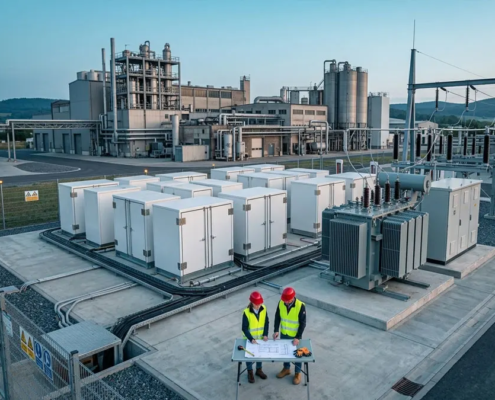
https://anengjipower.com/wp-content/uploads/2026/09/AnengJipower-European-BESS-Project-Design-Environment-1.webp6751000Charging Station Engineerhttps://anengjipower.com/wp-content/uploads/2025/09/anengji-dc-fast-charging-station-manufacturer-and-supplier-logo-white-1.pngCharging Station Engineer2026-09-24 09:05:462026-09-24 09:08:39Battery Energy Storage System Design Guide for Europe
Compare 1-, 2- and 4-hour BESS duration options for European C&I sites using load data, usable energy, grid limits and lifetime value for better sizing.
https://anengjipower.com/wp-content/uploads/2026/09/anengjipower-How-BESS-Power-and-Energy-Shape-Storage-Duration.webp6751000Charging Station Engineerhttps://anengjipower.com/wp-content/uploads/2025/09/anengji-dc-fast-charging-station-manufacturer-and-supplier-logo-white-1.pngCharging Station Engineer2026-09-23 09:06:532026-09-23 09:08:02BESS Duration Guide: How to Choose 1, 2 or 4 Hours
Cabinet vs Containerized BESS comparison for large C&I energy storage. Learn footprint, safety, liquid cooling, and CAPEX differences to pick the right solution.
https://anengjipower.com/wp-content/uploads/2026/09/AnengJIPower-Cabinet-vs-Containerized-BESS-3D-Isometric-Structural-Cutaway.webp6751000Charging Station Engineerhttps://anengjipower.com/wp-content/uploads/2025/09/anengji-dc-fast-charging-station-manufacturer-and-supplier-logo-white-1.pngCharging Station Engineer2026-09-18 07:19:042026-09-18 07:19:38Cabinet vs Containerized BESS: How to Choose for Large C&I

 https://anengjipower.com/wp-content/uploads/2026/09/AnengJipower-European-BESS-Project-Design-Environment-1.webp
675
1000
Charging Station Engineer
https://anengjipower.com/wp-content/uploads/2025/09/anengji-dc-fast-charging-station-manufacturer-and-supplier-logo-white-1.png
Charging Station Engineer2026-09-24 09:05:462026-09-24 09:08:39Battery Energy Storage System Design Guide for Europe
https://anengjipower.com/wp-content/uploads/2026/09/AnengJipower-European-BESS-Project-Design-Environment-1.webp
675
1000
Charging Station Engineer
https://anengjipower.com/wp-content/uploads/2025/09/anengji-dc-fast-charging-station-manufacturer-and-supplier-logo-white-1.png
Charging Station Engineer2026-09-24 09:05:462026-09-24 09:08:39Battery Energy Storage System Design Guide for Europe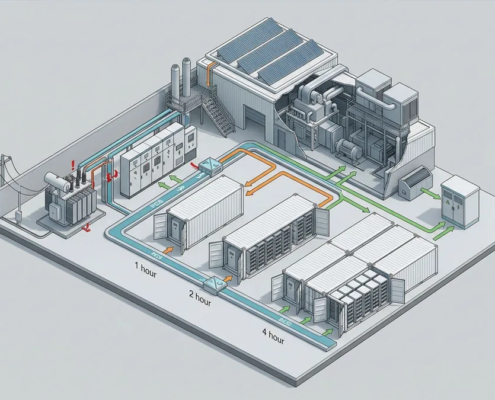 https://anengjipower.com/wp-content/uploads/2026/09/anengjipower-How-BESS-Power-and-Energy-Shape-Storage-Duration.webp
675
1000
Charging Station Engineer
https://anengjipower.com/wp-content/uploads/2025/09/anengji-dc-fast-charging-station-manufacturer-and-supplier-logo-white-1.png
Charging Station Engineer2026-09-23 09:06:532026-09-23 09:08:02BESS Duration Guide: How to Choose 1, 2 or 4 Hours
https://anengjipower.com/wp-content/uploads/2026/09/anengjipower-How-BESS-Power-and-Energy-Shape-Storage-Duration.webp
675
1000
Charging Station Engineer
https://anengjipower.com/wp-content/uploads/2025/09/anengji-dc-fast-charging-station-manufacturer-and-supplier-logo-white-1.png
Charging Station Engineer2026-09-23 09:06:532026-09-23 09:08:02BESS Duration Guide: How to Choose 1, 2 or 4 Hours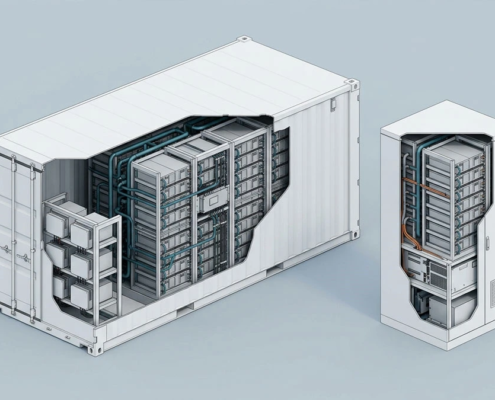 https://anengjipower.com/wp-content/uploads/2026/09/AnengJIPower-Cabinet-vs-Containerized-BESS-3D-Isometric-Structural-Cutaway.webp
675
1000
Charging Station Engineer
https://anengjipower.com/wp-content/uploads/2025/09/anengji-dc-fast-charging-station-manufacturer-and-supplier-logo-white-1.png
Charging Station Engineer2026-09-18 07:19:042026-09-18 07:19:38Cabinet vs Containerized BESS: How to Choose for Large C&I
https://anengjipower.com/wp-content/uploads/2026/09/AnengJIPower-Cabinet-vs-Containerized-BESS-3D-Isometric-Structural-Cutaway.webp
675
1000
Charging Station Engineer
https://anengjipower.com/wp-content/uploads/2025/09/anengji-dc-fast-charging-station-manufacturer-and-supplier-logo-white-1.png
Charging Station Engineer2026-09-18 07:19:042026-09-18 07:19:38Cabinet vs Containerized BESS: How to Choose for Large C&I


Leave a Reply
Want to join the discussion?Feel free to contribute!