
Introduction
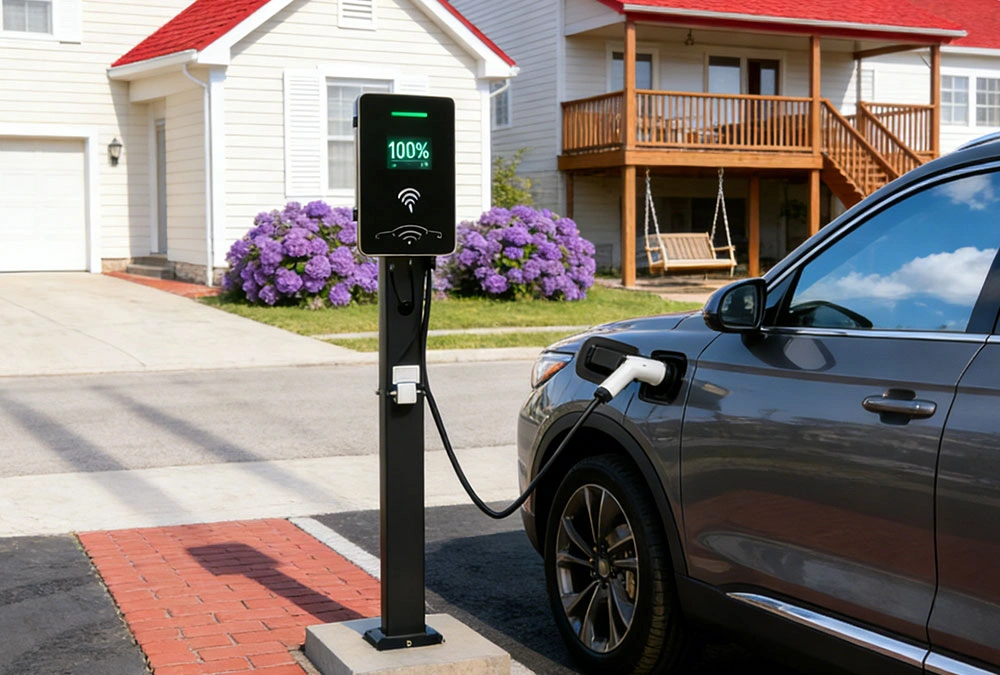
As electric vehicles become a permanent part of daily transportation, home charging is no longer just a convenience—it’s a core part of the ownership experience. Most EVs come with a basic Level 1 charger, but many owners quickly discover that it doesn’t align with real-world driving needs.
Upgrading to a level 2 car charger is one of the most practical decisions an EV owner can make. Beyond faster charging, it offers better control, lower long-term costs, and a smoother daily routine. If you’re still asking what is level 2 charging and whether it’s worth installing at home, the following eight reasons explain why Level 2 charging has become the standard choice for EV owners.
What Is Level 2 Charging?
Before diving into the benefits, it’s helpful to understand what is level 2 charging and how it differs from other options.
Level 2 charging uses a 240-volt power supply, similar to what large household appliances require. This allows significantly more power to flow into the vehicle compared to Level 1 charging, which relies on a standard 120-volt outlet.
In simple terms:
- Level 1 charging is slow and best for occasional or emergency use
- Level 2 charging is ideal for daily home charging
- DC fast charging is designed for public, short-duration charging sessions
For most EV owners, a level 2 car charger offers the best balance of speed, efficiency, and battery care.
1. Faster Charging That Fits Everyday Life
The most noticeable benefit of a level 2 car charger is charging speed. While Level 1 charging can take 12 to 16 hours to fully recharge an EV, Level 2 charging often completes the same task in 3 to 5 hours, depending on the vehicle and battery size.
This difference matters in daily life. Overnight charging becomes reliable, short charging windows become useful, and range anxiety becomes far less common. Instead of planning your day around charging, charging simply fits into your routine.
2. True Convenience with Home Charging
Public charging stations are useful, but they’re not designed for everyday dependence. Availability issues, wait times, and inconsistent performance can quickly become frustrating.
With a level 2 car charger installed at home, charging happens where you already park. There’s no need to detour, wait, or worry about station availability. For busy professionals, families, or households with multiple drivers, home Level 2 charging removes unnecessary friction from EV ownership.
3. Lower and More Predictable Charging Costs
When evaluating level 2 EV charging station cost, it’s important to look beyond the upfront investment. Home charging typically costs less per mile than public charging, especially when combined with off-peak electricity rates.
A Level 2 charger allows you to:
- Charge during lower-rate hours
- Avoid premium public charging fees
- Better control monthly energy expenses
Over time, these savings can significantly offset installation costs and reduce the overall cost of owning an electric vehicle.
4. Better Battery Health and Long-Term Performance
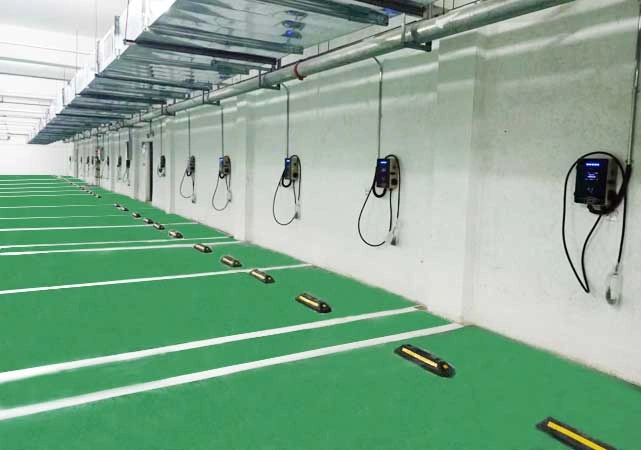
Battery health plays a major role in an EV’s range, reliability, and resale value. A level 2 car charger provides a stable and consistent charging environment that supports long-term battery efficiency.
Compared to frequent DC fast charging or inconsistent public charging, Level 2 charging helps reduce battery stress and maintain more predictable performance. Over the life of the vehicle, this can translate into better range retention and fewer battery-related concerns.
5. Increased Home Value and EV Readiness
As EV adoption continues to grow, EV-ready homes are becoming more attractive to buyers. Installing a level 2 car charger signals that a property is prepared for modern transportation needs.
For future buyers, this feature eliminates the hassle and cost of installing a charger themselves. Even if selling isn’t part of your immediate plans, a Level 2 charger helps future-proof your home and adds practical, functional value.
6. Smarter Charging with Advanced Features
Many products considered the best level 2 charger now include smart technology that goes far beyond basic power delivery.
Common features include:
- Scheduled charging to match off-peak rates
- Real-time energy monitoring
- Remote control via smartphone apps
These tools allow EV owners to optimize charging efficiency while maintaining full control over when and how their vehicle charges.
7. Easier Integration with Renewable Energy
For environmentally conscious drivers, a level 2 car charger integrates naturally with renewable energy systems such as solar panels. Home charging provides flexibility to align charging sessions with peak solar production or cleaner grid periods.
This not only reduces emissions per mile but also helps maximize the value of renewable energy investments, reinforcing the environmental benefits that motivate many EV owners.
8. No Panel Upgrade Required with Modern Load Management
A common concern when installing a Level 2 charger is the potential need for an electrical panel upgrade, which can cost anywhere from $2,000 to $10,000.
Modern load management technology has significantly reduced this barrier. These systems dynamically adjust charging power based on real-time household electricity usage, allowing a level 2 car charger to operate safely within existing electrical capacity. In many homes, this eliminates the need for costly panel upgrades altogether.
Understanding Level 2 EV Charging Station Cost
When breaking down level 2 EV charging station cost, there are typically three components to consider:
- Charger hardware, which varies by brand and features
- Installation costs, influenced by wiring distance and electrical layout
- Ongoing operating costs, determined by electricity rates and charging habits
While initial costs vary, home Level 2 charging often delivers long-term savings through lower energy costs and reduced reliance on public charging networks.
How to Choose the Best Level 2 Charger
The best level 2 charger is not necessarily the most expensive model. It’s the one that fits your driving patterns, home electrical setup, and future needs.
Key factors to consider include:
- Charging power supported by your EV
- Smart features and energy monitoring
- Indoor or outdoor installation requirements
- Load management or power-sharing capabilities
Choosing the right charger ensures reliable performance today while remaining compatible with future EV upgrades.
Final Thoughts
Understanding what is level 2 charging makes it clear why so many EV owners choose to upgrade. A level 2 car charger offers faster charging, lower long-term costs, improved battery care, and greater everyday convenience.
When considering level 2 EV charging station cost, the long-term benefits often outweigh the initial investment. For most drivers, installing a Level 2 charger isn’t just an upgrade—it’s a logical step toward making electric vehicle ownership truly practical and stress-free.
 https://anengjipower.com/wp-content/uploads/2026/03/industrial-solar-battery-storage-solutions-container.webp
675
1000
Charging Station Engineer
https://anengjipower.com/wp-content/uploads/2025/09/anengji-dc-fast-charging-station-manufacturer-and-supplier-logo-white-1.png
Charging Station Engineer2026-03-18 07:10:422026-03-18 07:11:38Solar Energy Battery Storage: Commercial Guide & ROI Analysis
https://anengjipower.com/wp-content/uploads/2026/03/industrial-solar-battery-storage-solutions-container.webp
675
1000
Charging Station Engineer
https://anengjipower.com/wp-content/uploads/2025/09/anengji-dc-fast-charging-station-manufacturer-and-supplier-logo-white-1.png
Charging Station Engineer2026-03-18 07:10:422026-03-18 07:11:38Solar Energy Battery Storage: Commercial Guide & ROI Analysis https://anengjipower.com/wp-content/uploads/2026/03/containerized-energy-storage-system-for-industrial-use.webp
675
1000
Charging Station Engineer
https://anengjipower.com/wp-content/uploads/2025/09/anengji-dc-fast-charging-station-manufacturer-and-supplier-logo-white-1.png
Charging Station Engineer2026-03-18 02:55:302026-03-18 02:56:51Energy Storage System Guide: Types, ROI & Technical Comparison
https://anengjipower.com/wp-content/uploads/2026/03/containerized-energy-storage-system-for-industrial-use.webp
675
1000
Charging Station Engineer
https://anengjipower.com/wp-content/uploads/2025/09/anengji-dc-fast-charging-station-manufacturer-and-supplier-logo-white-1.png
Charging Station Engineer2026-03-18 02:55:302026-03-18 02:56:51Energy Storage System Guide: Types, ROI & Technical Comparison https://anengjipower.com/wp-content/uploads/2026/03/containerized-energy-storage-system-industrial-park.webp
675
1000
Charging Station Engineer
https://anengjipower.com/wp-content/uploads/2025/09/anengji-dc-fast-charging-station-manufacturer-and-supplier-logo-white-1.png
Charging Station Engineer2026-03-13 09:04:512026-03-13 09:05:40What Are Commercial Energy Storage Systems?
https://anengjipower.com/wp-content/uploads/2026/03/containerized-energy-storage-system-industrial-park.webp
675
1000
Charging Station Engineer
https://anengjipower.com/wp-content/uploads/2025/09/anengji-dc-fast-charging-station-manufacturer-and-supplier-logo-white-1.png
Charging Station Engineer2026-03-13 09:04:512026-03-13 09:05:40What Are Commercial Energy Storage Systems?


Leave a Reply
Want to join the discussion?Feel free to contribute!