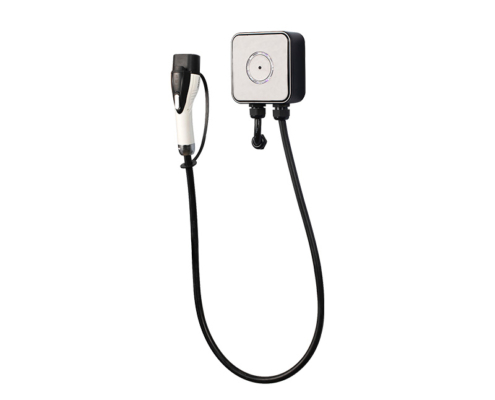
Level 1 EV Charging Station

Level 1 EV Charger is an affordable and reliable home charging solution. It works with a standard 120V outlet, making installation simple and convenient. Ideal for daily commuting needs, it delivers a safe, stable, and efficient overnight charging experience for your electric vehicle.

Level 1 EV Charger | Home EV Charging Made Simple

If you’re looking for the easiest way to charge your EV at home, the AnengJi Level 1 Charger is the perfect place to start. It plugs right into any standard 120V household outlet, so you don’t need special wiring or professional installation. Just plug it in, connect your car, and let it charge overnight — simple as that.

This compact charger is built for daily commuting needs. Whether your car is parked in the garage or outside in the driveway, the AnengJi Level 1 charger fits right in. It’s small, neat, and easy to store, yet tough enough to handle everyday use.

Safety comes first. Every AnengJi charger includes a smart protection system that monitors voltage, current, and leakage in real time. It automatically shuts off power during surges, overcurrent, or ground faults, keeping both your vehicle and your home electrical system safe. With its IP54 weatherproof rating, you can count on it to perform reliably even in rain, dust, or snow.

Sure, Level 1 charging isn’t the fastest — but it’s the most convenient for overnight use. While you sleep, your EV quietly recharges and is ready to roll the next morning. It’s the perfect “set it and forget it” solution for everyday drivers who want reliable power without extra cost or setup.

At AnengJi, we believe clean energy should also be easy energy. Our Level 1 EV Charger helps you save on installation costs, charge safely at home, and take one more step toward a greener future.

Level 1 EV Charging Station Series

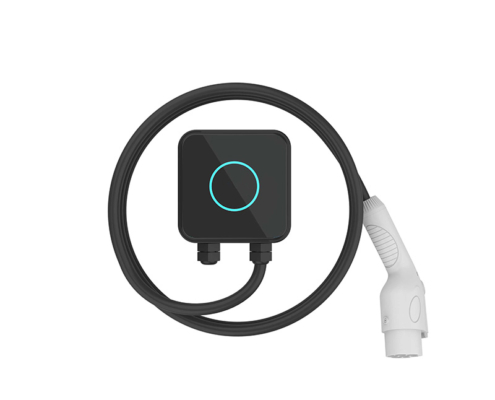
7kW Wall-Mounted AC Charging Box
3.5-7kW Wall-Mounted AC Charging Box for home use
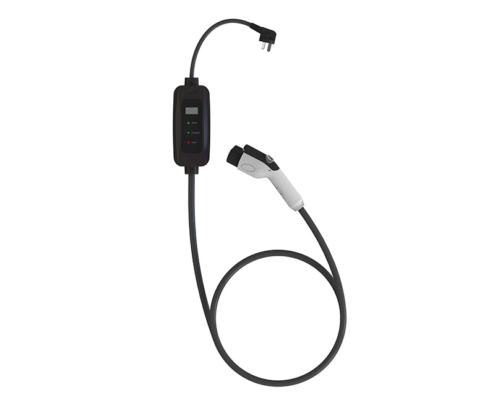
3.5-7kw portable level 1 ev charger station

Benefits of AC EV Charging

01.Cost-Effective

AC charging stations have a simple design and don’t require expensive rectifier systems. That means lower installation costs and easier large-scale deployment. Whether in residential complexes, office buildings, or public parking lots, AC chargers offer the most affordable way to expand charging access.

02. Flexible Installation

They support both single-phase and three-phase power, making them suitable for different grid environments. Compact size and straightforward wiring allow installation without major electrical upgrades. AC chargers can easily fit into existing power systems.

03. Grid-Friendly

AC chargers deliver steady power with minimal impact on the grid. They’re ideal for overnight charging during off-peak hours. When paired with smart load management, they help balance demand, improve energy efficiency, and ease pressure on utilities.

04. Battery-Friendly

Slower charging generates less heat and stress on the battery, which helps extend battery life. It’s especially effective for overnight charging sessions, where the system can safely stop once the battery is full.

05. Convenient for Daily Use

Drivers can plug in while at work, home, or shopping, and return to a fully charged car without waiting. AC charging naturally fits daily routines, offering true “park and charge” convenience.

06. Broad Compatibility

Almost every EV comes with an AC charging port. Our chargers support the most widely used global standards, including IEC 62196 Type 2 (Europe), GB/T (China), and J1772 (North America). This ensures seamless compatibility with EVs worldwide.

One-Stop Custom EV Charging Solutions

At AnengJi, we design and build AC EV chargers that fit a wide range of needs. From home garages and residential communities to commercial parking lots, industrial parks, and city charging networks, our chargers are built to adapt.

As a professional AC EV charger manufacturer, we don’t just offer standard models. We create chargers that reflect your brand and meet your project goals. You can customize the look, dimensions, color scheme, materials, and protection level—so the charger works perfectly in its environment and carries your brand identity.

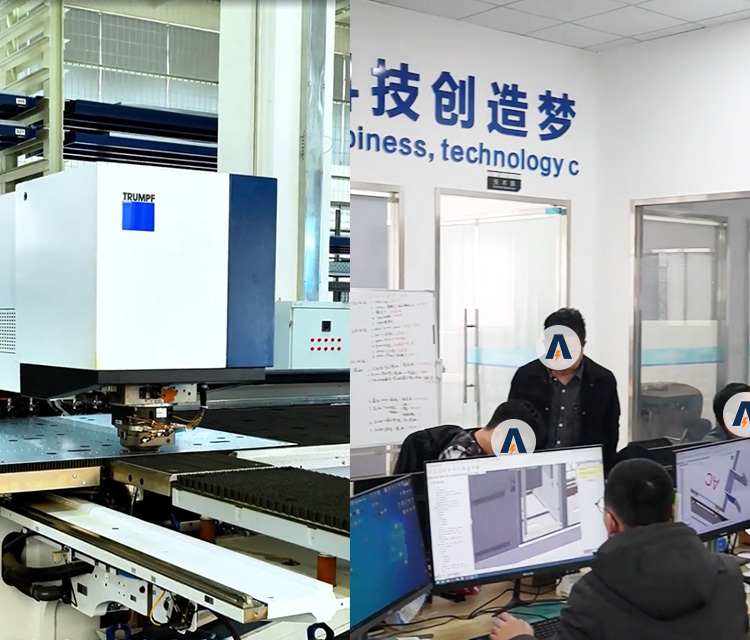
With more than 20 years in the electrical industry, our engineering team knows how to get every detail right. We handle structural design and smart system integration with the same level of care. Whether you need a small batch for pilot testing or a large-scale rollout, we provide complete support—from design and production to testing and delivery. Our goal is simple: to get your charging network running smoothly and efficiently.

White-Label EV Charger Solutions to Build Your Brand

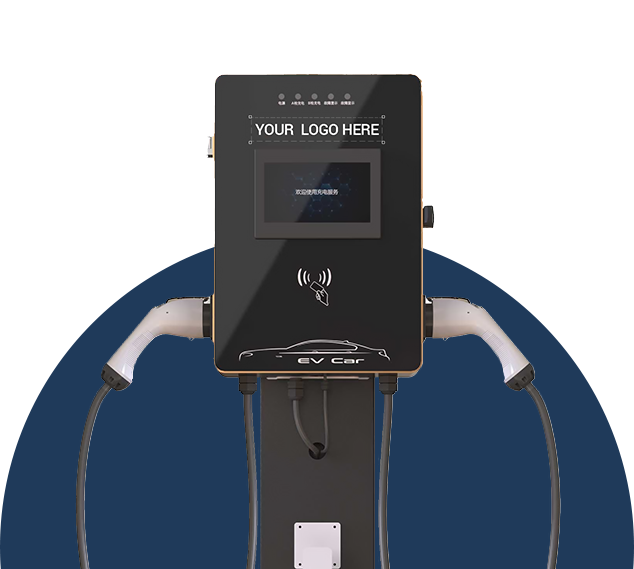
With AnengJi’s white-label OEM/ODM service, it’s easy to launch your own EV charging brand. Just share your logo, color palette, and design preferences—we’ll create AC or DC charging stations that look and feel like they belong to your business.

Every unit is built to international standards and carries certifications such as CE, FCC, and RoHS. Our chargers also support OCPP integration, so your brand isn’t just visible on the outside—it works seamlessly with global charging networks on the inside.

Level 1 AC Charging Station Reading

What Is a Level 1 EV Charger? A Simple and Reliable Way to Charge at Home

A Level 1 EV charger is the most basic and convenient way to charge your electric vehicle right from home. It uses a standard 120V AC outlet, the same kind you plug your lamps or appliances into. No special setup. No electrician needed. Just plug it in, and your car starts charging.

Most EVs come with a Level 1 charging cable (often called a Level 1 plug-in charger) right out of the box. Simply connect it to a NEMA 5-15 outlet, and you’re good to go.

Although the charging speed is modest — typically adding 3–5 miles of range per hour (1.4kW–2.4kW) — it’s perfect for daily commutes. Plug it in overnight, and your EV will be ready for the next day. This affordable home EV charging option fits seamlessly into most people’s routines.

How Does Level 1 Charging Work? Safe and Efficient Power Delivery

The Level 1 electric vehicle charger draws 120-volt AC current from your wall outlet, then your car’s onboard charger converts it into DC power to refill the battery.

Every part of the process is built around safety and stability — with protection against overcurrent, overvoltage, leakage, and overheating.

AnengJi’s UL/CE certified chargers feature an IP54 protection rating, meaning they’re both dustproof and water-resistant. You can safely use them in garages, driveways, or even rainy conditions.

Our intelligent control system automatically detects faults, monitors temperature, and ensures a safe EV home charging setup every time.

Level 1 vs. Level 2 vs. Level 3: Which EV Charger Fits Your Needs?

Here’s how the three common charging levels compare:

Level 1 (120V):
Ideal for beginners or anyone on a budget. Plug into a standard outlet — no electrician or circuit upgrades needed. It’s a cost-effective charging solution for home use.

Level 2 (208–240V):
Charges 4–6 times faster but requires a dedicated circuit and professional installation. Perfect for homeowners with fixed parking spots.

Level 3 (DC Fast Charger, 400–900V):
Delivers hundreds of miles in under 30 minutes. These are the public charging stations you’ll find at service plazas or commercial lots, not for home use.

For most daily EV charging routines, a Level 1 charger is more than enough — especially when combined with occasional fast charging on the road.

Which Vehicles Support Level 1 Charging?

Almost every major electric vehicle (EV) and plug-in hybrid (PHEV) supports Level 1 charging. Whether you drive a Tesla Model 3, Nissan Leaf, Chevy Bolt, BMW i3, or Hyundai Kona Electric, you can simply plug your EV into a regular 120V outlet for overnight charging.

Some models, like Tesla, use proprietary connectors. In that case, you can use a Tesla NACS to J1772 adapter to connect to standard charging ports.

AnengJi also offers a full range of adapters covering J1772, NACS, Type 2, and GB/T standards — so you can charge anywhere, worry-free.

What Affects Level 1 Charging Time?

Charging time varies based on several factors:

Battery size: A 12kWh hybrid may charge in 5–6 hours, while a 75kWh EV can take up to 60 hours.

Battery level: Charging from 20% to 80% is faster than 0–100%.

Temperature: Cold weather slows down charging efficiency.

Power source: Old or overloaded outlets may cause voltage drops.

On average, a 60kWh EV takes about 40–60 hours to fully charge with a Level 1 charger — perfect for slow EV charging overnight or during downtime.

Who Is a Level 1 Charger Best For?

A Level 1 car charger is great if you:

  • Drive less than 40 miles per day
  • Have a garage or private parking spot
  • Rent or can’t install a Level 2 station
  • Want a simple, plug-and-play setup

It’s also the best portable EV charger for road trips or outdoor use — plug into any 120V AC outlet, and you’re ready to go.

Safety Tips for Level 1 Charging

Level 1 charging is simple, but a few precautions go a long way:

  • Use a grounded outlet that meets local electrical codes
  • Avoid extension cords or multi-plug adapters
  • Regularly check your cable for wear or heat
  • Charge in a dry, well-ventilated area
  • Choose a UL certified EV charger with built-in surge protection

AnengJi’s IP54 waterproof charger is designed with UV-resistant materials and has passed UN38.3 and RoHS safety tests, ensuring reliable performance in any climate.

Conclusion: Make Every Charge Simple and Safe

A Level 1 EV charger might not be the fastest, but it’s the easiest, safest, and most affordable way to start your electric journey.

Whether you’re new to EVs or just need a portable home EV charger for daily use, AnengJi delivers reliable, plug-and-charge solutions built for convenience and peace of mind.

Power your drive with clean energy — one simple charge at a time.

Contact us today to find the best Level 1 EV charger for home use and learn about our global shipping options.

Charging Station FAQs

Yes — Level 1 charging is completely safe for your vehicle. It uses the same 120V AC power that runs your household lights and appliances, so there’s no extra safety risk. Every AnengJi Level 1 charger comes equipped with overcurrent, overvoltage, and leakage protection, giving you peace of mind every time you plug in.

Absolutely. Level 1 chargers are designed for plug-and-play use — no special wiring or installation required. Just connect it to a standard 120V outlet and you’re ready to charge.
For best results, make sure your outlet is in good condition and rated for the required current. Avoid using extension cords or power strips, which can cause overheating or overloads. Always choose a charger that’s UL or CE certified for maximum safety.

That’s the best part — there’s no installation cost at all. A Level 1 charger plugs directly into a wall outlet, so you only pay for the charger itself. It’s a simple and affordable solution for drivers who want a reliable way to charge at home without extra setup costs.

Tesla Superchargers use a proprietary connector and communication protocol, which means they don’t work directly with most non-Tesla vehicles.

However, you can use a Tesla-to-J1772 adapter to connect with Tesla wall or mobile chargers. And thanks to the new North American Charging Standard (NACS), many EVs will soon be able to access Tesla Superchargers using NACS-to-CCS adapters. Compatibility is expanding quickly, so check your vehicle and adapter options before you plug in.

It depends on your driving habits. Level 1 charging is ideal if you drive shorter distances or charge overnight. It’s convenient, safe, and easy to use — perfect for everyday commuting.

If you travel long distances or need to top up your battery quickly, you might prefer a Level 2 or DC fast charger. But for many EV owners, especially those charging at home, Level 1 hits the sweet spot between cost and convenience.

A Level 1 charger typically delivers 2 to 5 kilowatts of power, adding about 3 to 5 miles of range per hour.

Fully charging a pure electric vehicle can take 40 to 60 hours, depending on the battery size. For plug-in hybrids, it’s much quicker — usually 5 to 6 hours for a full charge.

For most drivers, yes. If you drive less than 40 miles a day and have access to a 120V outlet, a Level 1 charger is all you need. It charges slowly, but steadily — just plug it in overnight, and you’ll wake up to a full battery.

It’s a budget-friendly and reliable choice for anyone who wants simple, worry-free home charging.

Level 1 uses 120V and is perfect for daily use at home. Level 2 requires 240V and charges faster but costs more to install.
(See our Level 1 vs Level 2 EV charger comparison for details.)

Recommended Reading:Level 1 vs Level 2 EV Charger

Request a Quote Now

  • Multiple charging levels available
  • Compatible with most EVs
  • Scalable for all types of businesses
  • State-of-the-art safety features

Talk to Our Expert

3 + 1 = ?