
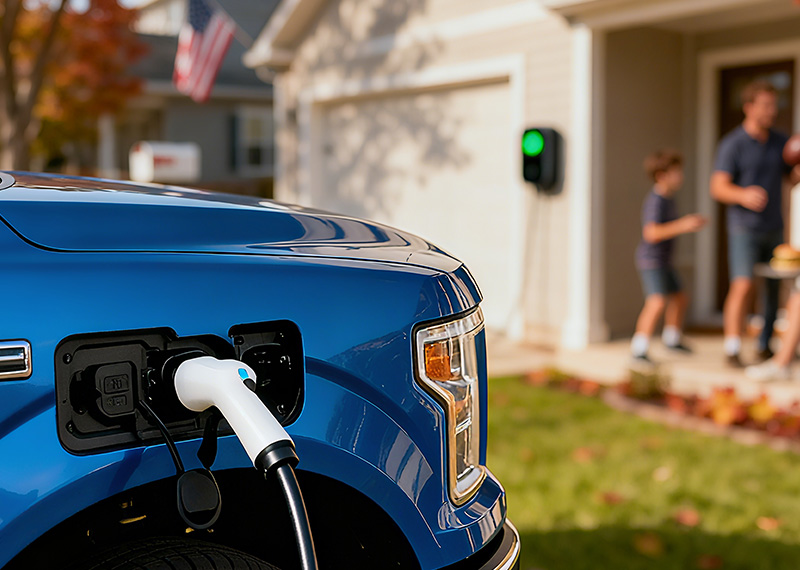
If you’ve recently bought an electric vehicle and are figuring out the best way to charge it at home, you’ve probably heard the terms Level 1 and Level 2 EV Charger. They sound technical, but the difference is simple — and it makes a big impact on your daily routine.
A Level 1 charger uses a standard 120-volt outlet, the same kind you plug your laptop or phone into. It’s slow, but easy. A Level 2 charger runs on a 240-volt power supply — the kind your dryer or oven uses — and charges your EV several times faster.
This guide breaks down the real-world differences between Level 1 and Level 2 chargers: how they work, what they cost, and which one fits your lifestyle.
What Is a Level 1 EV Charger?
A Level 1 EV charger is the simplest way to charge your vehicle. It plugs directly into any 120-volt household outlet and delivers around 1.3 to 2.4 kilowatts of power. Most new EVs come with one in the trunk — no extra setup, no electrician, just plug and charge.
That convenience comes with a trade-off: speed. A Level 1 charger typically adds only 3–5 miles of range per hour. For a plug-in hybrid (PHEV) with a small battery, that’s manageable — about five to six hours to top up from 20% to 80%. But for a full electric car with a 60-kWh battery, a full charge can take 40 hours or more.
So, Level 1 charging works best for light daily driving, short commutes, or as a backup plan. It’s affordable, easy, and ideal for drivers just starting out with electric vehicles or living somewhere without the option to upgrade wiring.
What Is a Level 2 EV Charger?
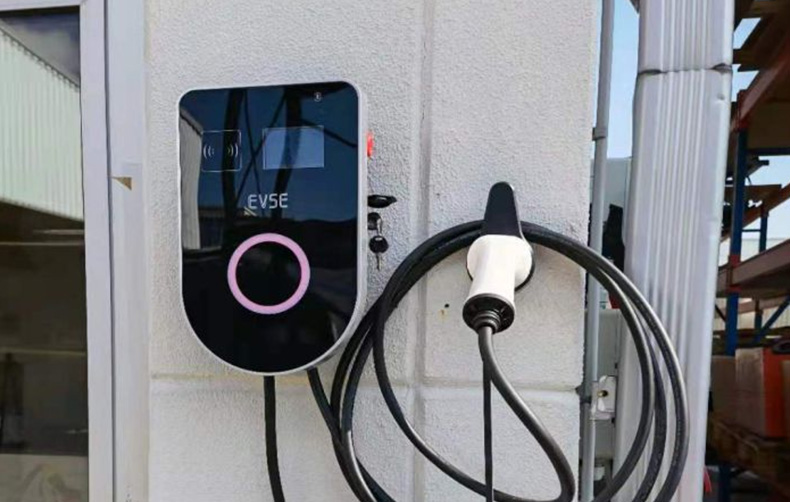
A Level 2 EV Charger uses a 240-volt circuit — the same power most large home appliances use. Output ranges from about 3.3 to 19.2 kilowatts, giving it a massive edge in charging speed.
Most EVs can fully recharge in 1 to 8 hours with a Level 2 setup. Plug in when you get home, and you’ll wake up to a full battery — no more planning around public chargers or waiting overnight.
For example, a Tesla Model 3 (75 kWh) can go from 20% to 80% in roughly 6 hours. A Ford Mustang Mach-E (88 kWh) needs just about 4 hours on an 11.5 kW charger. That’s the kind of convenience that makes daily EV life effortless.
Because of this, Level 2 chargers are the go-to choice for most homeowners, businesses, and workplace fleets. They require a professional EV charger installation and may need a dedicated circuit or panel upgrade, but the payoff in speed and usability is worth it.
Modern Smart EV Chargers also include Wi-Fi connectivity, remote monitoring, scheduling, and load management features. Many can integrate with solar panels and smart grid systems to optimize your home’s energy efficiency.
Level 1 vs Level 2: The Key Differences
Both Level 1 and Level 2 chargers use AC power, but their charging voltage, current, and efficiency differ dramatically. Level 1 relies on a 120-volt outlet — great for convenience, but limited in power. Level 2 runs on 240 volts, giving you 5–8 times faster charging.
Here’s a quick comparison:
| Feature | Level 1 Charger | Level 2 EV Charger |
|---|---|---|
| Voltage | 120V AC | 240V AC |
| Power Output | 1.3–2.4 kW | 3.3–19.2 kW |
| Range per Hour | 3–5 miles | 15–60 miles |
| Typical Charge Time (20%→80%) | 40+ hours (EV) | 4–8 hours |
| Installation Required | No | Yes (by certified electrician) |
| Best For | PHEV, emergency use | Home, office, commercial charging |
In short, Level 1 is fine as a starter or backup option. But if you drive daily or rely on your EV as your main vehicle, upgrading to a Level 2 charger will completely change your experience.
A Quick Look at Level 3 DC Fast Charging
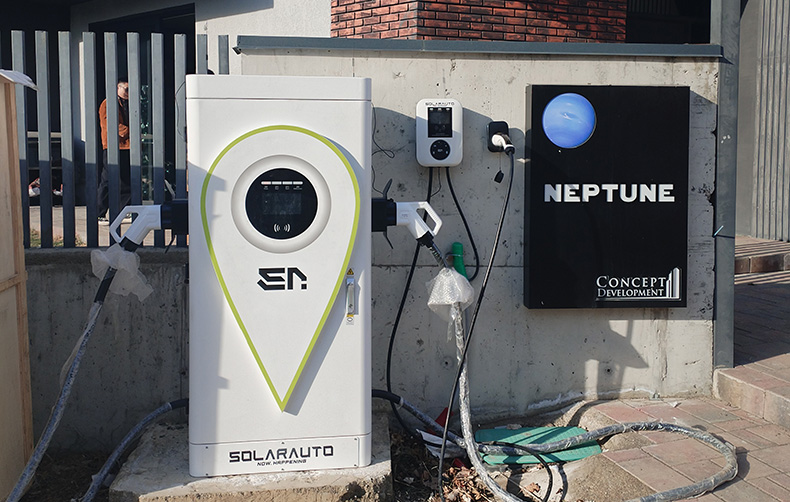
There’s one more category: Level 3, also known as DC Fast Charging. These chargers use direct current (DC) instead of alternating current (AC), bypassing the vehicle’s on-board charger entirely. That’s why they’re so fast — typically delivering 50 kW to 350 kW of power.
Most EVs that support DC Fast Charging can go from 20% to 80% in about 20 to 40 minutes — adding over 100 miles of range in half an hour.
That speed comes at a cost. DC fast chargers are expensive, require complex electrical infrastructure, and draw huge amounts of power. They’re found mostly at highways, rest stops, and urban charging stations — not at home.
Also, frequent use can affect battery life, so DC fast charging is best for long road trips or quick top-ups when you’re on the go. For everyday charging, a Level 2 EV Charger remains the smarter, more efficient choice.
How to Choose the Right Home EV Charger
Choosing between Level 1 and Level 2 depends on how you drive, where you live, and what kind of EV you own.
If you drive a plug-in hybrid, have a short commute, or rent a place where electrical work isn’t possible, a Level 1 charger might be enough. It’s low cost, easy, and gets the job done.
If you own a full EV and drive daily, a home Level 2 EV Charger will make your life easier. You’ll charge faster, save time, and reduce reliance on public chargers.
According to the U.S. Department of Energy, more than 80% of EV charging happens at home — and most owners eventually install a Level 2 charger. It’s simply more practical.
At AnengJi, we provide a full range of Residential EV Charging Solutions and Commercial Level 2 Charging systems. Our chargers support J1772, CCS, and NACS adapters, and they’re compatible with Tesla and other major EV brands.
Our products are used in over 100 countries, backed by a 40,000 m² modern production base and advanced German laser equipment — ensuring every unit meets strict UL and CE safety standards.
Need a Level 2 EV Charger Installed?
As one of North America’s largest certified EV charger installation networks, AnengJi partners with automakers, utilities, developers, and homeowners to deliver safe and efficient charging systems.
We handle everything — from site assessment and power evaluation to hardware supply and professional installation. Whether it’s for your garage, apartment complex, or business fleet, we’ll make sure your charging setup runs smoothly and meets all installation requirements.
📩 Contact us today to get a free product guide and a custom installation plan. Let’s make home charging simple, fast, and future-ready.
FAQ: Level 2 EV Charger Guide
What is a Level 2 EV Charger and how does it work?
A Level 2 charger uses 240-volt power to deliver faster, more efficient charging compared to a standard 120-volt outlet. It converts AC electricity to charge your vehicle’s battery through a J1772 or NACS connector.
How fast does a Level 2 EV Charger charge?
Most Level 2 chargers add between 15 and 60 miles of range per hour, depending on the charger’s power (kW) and your car’s onboard charging capacity.
How much does it cost to install a Level 2 EV Charger?
Installation typically costs between $500 and $1,500, depending on your home’s electrical panel capacity, wiring distance, and load balancing requirements.
Is a Level 2 EV Charger worth it?
Yes. For daily EV drivers, it saves hours of waiting and offers more control through smart features like Wi-Fi connectivity and energy scheduling.
Can a Level 2 EV Charger be used for businesses or apartments?
Absolutely. Many property owners install Level 2 EV Chargers for Home and Business to attract tenants, support employees, and prepare for the electric future.
Related Articles
Related Posts
 https://anengjipower.com/wp-content/uploads/2026/11/AnengjiPower-Industrial-Load-Shifting-on-the-Factory-Floor.webp
675
1000
Alex Yang
https://anengjipower.com/wp-content/uploads/2025/09/anengji-dc-fast-charging-station-manufacturer-and-supplier-logo-white-1.png
Alex Yang2026-11-11 06:33:192026-11-11 06:33:52How to Build an Industrial Load Shifting Inventory
 https://anengjipower.com/wp-content/uploads/2026/11/AnengjiPower-Industrial-BESS-Manufacturing-Continuity-Chain.webp
675
1000
Alex Yang
https://anengjipower.com/wp-content/uploads/2025/09/anengji-dc-fast-charging-station-manufacturer-and-supplier-logo-white-1.png
Alex Yang2026-11-06 06:57:412026-11-06 06:59:06How Industrial BESS Protects Manufacturing Operations
 https://anengjipower.com/wp-content/uploads/2026/11/AnengjiPower-BESS-Manufacturer-Site-Review.webp
675
1000
Alex Yang
https://anengjipower.com/wp-content/uploads/2025/09/anengji-dc-fast-charging-station-manufacturer-and-supplier-logo-white-1.png
Alex Yang2026-11-05 02:41:412026-11-05 02:42:08How to Choose a BESS Manufacturer for EPC Projects



Leave a Reply
Want to join the discussion?Feel free to contribute!