

Introduction
The world is rapidly moving toward carbon neutrality, and Electric Vehicles (EVs) are adopting at an unprecedented pace. By 2025, global EV registrations surpassed 85 million. The three major markets—China, the EU, and the United States—account for over 85% of these sales (according to the IEA Global EV Outlook 2025). This massive growth in vehicles demands a robust charging infrastructure. Customers need reliable service: they must be able to find, connect to, and easily use a charging station.
In this ecosystem, the Charging Point Operator (CPO) acts as the central hub connecting the grid, the vehicle, and the user. The CPO is the core force driving the sustainable development of electric mobility.
This article will systematically define What is a Charging Point Operator (CPO). We will analyze the CPO responsibilities, technical architecture, business model, and future direction. This provides an authoritative, practical guide for policymakers, energy companies, investors, and industry professionals.
What is a Charging Point Operator (CPO)?
The Official Definition of a CPO
A Charging Point Operator (CPO) is a business or organization that owns, builds, operates, and manages Electric Vehicle charging infrastructure. Their scope covers the entire lifecycle management of public and private charging stations. This includes site selection, utility connection, equipment installation, software platform deployment, daily maintenance, and energy management.
Crucially, the Charging Point Operator (CPO) does not sell the charging service directly to the end-user. Instead, the CPO provides a stable, reliable charging network to e-Mobility Service Providers (eMSP). This network indirectly supports millions of EV drivers every day.
Simply put: the CPO is the operator behind the charging station, and the eMSP is the platform behind the user’s mobile app. They work together using standardized protocols to create a seamless charging experience.
CPO vs. eMSP vs. EVSP: Key Differences for Operators
The electric mobility ecosystem involves three key players:
- CPO (Charging Point Operator): Focuses on the physical charging infrastructure and the backend management system.
- eMSP (e-Mobility Service Provider): Manages user accounts, navigation, payment processing, and customer service.
- EVSP (Electric Vehicle Service Provider): This entity combines both CPO and eMSP capabilities. Examples include Tesla, NIO, or Shell Recharge. They offer a complete, end-to-end service.
Most small and mid-sized CPOs choose to focus on infrastructure operation. They maximize station utilization rate by partnering with multiple eMSPs through open interfaces. Larger energy companies or automakers often prefer to build their own branded EVSP network for complete control.
Core CPO Responsibilities and Scope of Business
Deployment and O&M of Electric Vehicle Charging Stations
The CPO’s primary mission is to plan and deploy a charging network that covers diverse use cases:
- Urban Public Fast-Charging Stations (DC Fast Charging 60–350kW): These serve high-frequency users like ride-share vehicles and private commuters.
- Destination Charging Points (Level 2 destination charging 7–22kW): Located at long-dwell areas like shopping centers, hotels, and tourist spots.
- Residential and Multi-Family Housing Charging: Meets the need for overnight slow charging.
- EV Fleet Charging Solutions: Provides customized charging depots for bus, logistics, and taxi companies.
Each scenario has distinct requirements for power capacity, equipment selection, safety standards, and user flow. A successful public EV charging operator must have cross-disciplinary engineering and operational expertise.
Deploying a Smart EV Charging Management System (CMS)
Modern CPOs heavily rely on a Charging Management System (CMS) software platform provider for remote monitoring and automated operations. A mature CMS must support the following:
- Real-time status monitoring of every Electric vehicle charging station (online/offline, power, temperature, fault codes).
- Automatic fault alerts and attempts at remote software issue resolution.
- Support for the OCPP charging protocol (1.6J or 2.0.1) to ensure hardware independence.
- Generating data reports (charge events, energy consumed, carbon reduction) for regulatory compliance.
By 2025, over 75% of newly built EV charging network operators are adopting open platforms based on OCPP 2.0.1. This readiness ensures support for advanced features like V2G (Vehicle-to-Grid), Smart charging technologies, and dynamic pricing.
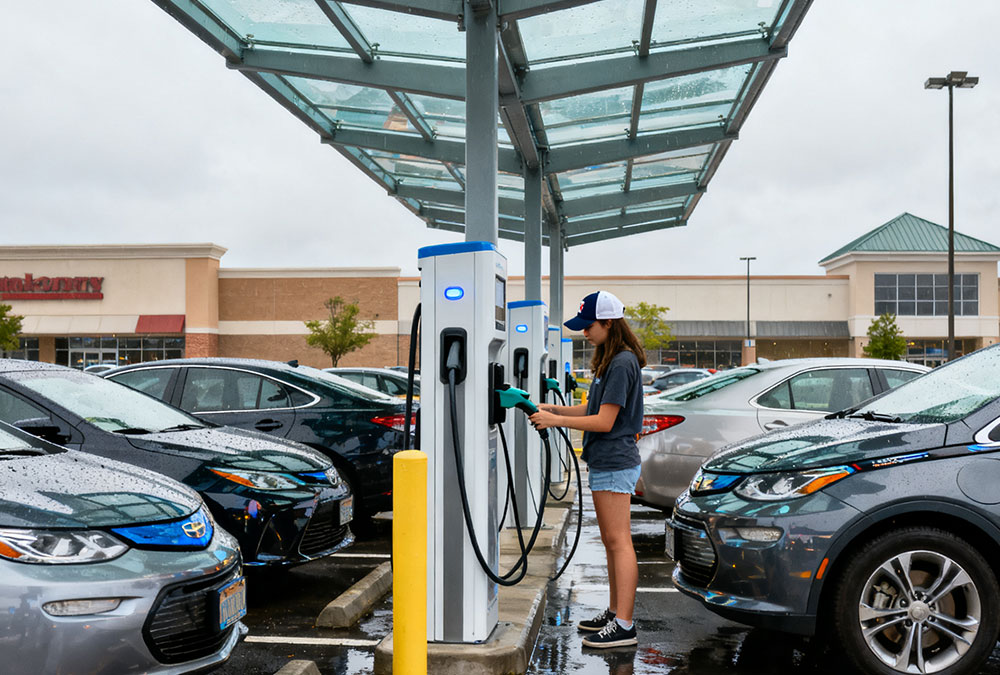
Energy Optimization and Cost Control for CPO Solutions
Electricity costs can account for over 60% of a CPO’s operating expenses. Therefore, smart energy management is critical for profitability. Leading CPOs use these strategies:
- Dynamic Load Balancing: Intelligently allocates power when transformer capacity is limited, avoiding expensive peak demand penalties.
- Energy Storage System Integration: Uses off-peak power for charging and releases it during peak times to reduce demand charges.
- Renewable Energy Coupling: Installing solar panels (PV) on-site to increase the proportion of green energy.
- Demand Response Participation: Actively reducing load during grid peak hours to earn incentives or demand response credits.
BloombergNEF (BNEF) estimates that charging stations equipped with energy storage + smart dispatch can lower annual electricity expenditure by 15%–25%. (based on their Electric Vehicle Outlook research).
How CPOs Enhance User Experience and Commercial Value
Partnering with eMSPs for Seamless EV Roaming
While a CPO does not directly engage the user, the quality of their network directly affects the final user experience. By integrating with eMSPs and eRoaming platforms (like Hubject or GIREVE), a Charging Point Operator can achieve:
- Users finding and activating the CPO’s charging station using any eMSP App.
- Automatic authentication, billing, and settlement.
- Support for multiple currencies and payment methods (e.g., credit card, Apple Pay).
- Real-time status updates (e.g., queue size, estimated wait time) via the EV charging data platform.
This “connect once, charge everywhere” model greatly enhances convenience and significantly boosts the CPO’s charging station utilization rate.
Providing Value-Added Services to Expand Revenue Streams
Beyond basic charging, CPOs are evolving into “Energy Service Providers,” developing diverse CPO revenue streams:
- Advertising and Retail Partnerships: Displaying local business information on the charger screen or in the App interface.
- Data Insight Services: Providing anonymized, regional charging behavior analysis to automakers or city planning departments.
- Carbon Asset Development: Converting green electricity charging volume into CCER credits (China Certified Emission Reduction) for participation in carbon trading.
- Exclusive O&M Contracts: Offering turnkey EV charging solutions to commercial real estate or industrial parks for an annual fee.
Technical Standards and Future Trends for Charging Point Operators
Open Protocols for Charging Point Interoperability (OCPP, OCPI)
Given the numerous equipment vendors and rapid technological changes, the EV charging infrastructure operator must prioritize interoperability. Key industry standards include:
- OCPP: The communication protocol between the charger and the CMS.
- OCPI Protocol: The data exchange protocol between the CPO and the eMSP/eRoaming platform.
- ISO 15118 Plug & Charge: The secure authentication standard supporting “Plug & Charge” functionality.
Compatibility with these open protocols reduces vendor lock-in risk and lays the groundwork for integrating future advanced features like V2G and Virtual Power Plants (VPP).
Evolving into “Energy Nodes”: The CPO’s Future Role
Future Charging Point Operators will not just be “power consumers.” They will be crucial participants in the distributed energy network. By aggregating multiple charging stations, energy storage systems, and solar resources, the CPO can act as a single entity to participate in:
- Electricity ancillary services markets (e.g., frequency regulation, reserves).
- Flexibility resource trading platforms.
- Carbon asset development and trading (e.g., CCER).
In locations like Germany, the Netherlands, and California, CPO pilot projects using V2G technology are already supplying power back to the grid. They’ve earned up to €1.5–2 per kWh during peak hours, truly turning “charging” into a source of revenue.
Conclusion
“What is a Charging Point Operator?” The answer is far more than “the person who installs the charger.” Today’s CPO is a complex operator, integrating energy engineering, digital platforms, electricity markets, and user services. Their success directly determines whether EV adoption can truly achieve “worry-free travel.”
For businesses aiming to enter this field, the key is this: build on an open architecture, center operations around smart technology, and focus on both user value and energy efficiency. Only by doing so can the business secure sustainable commercial returns while contributing meaningfully to the global carbon neutrality goal.
 https://anengjipower.com/wp-content/uploads/2026/09/AnengJipower-European-BESS-Project-Design-Environment-1.webp
675
1000
Charging Station Engineer
https://anengjipower.com/wp-content/uploads/2025/09/anengji-dc-fast-charging-station-manufacturer-and-supplier-logo-white-1.png
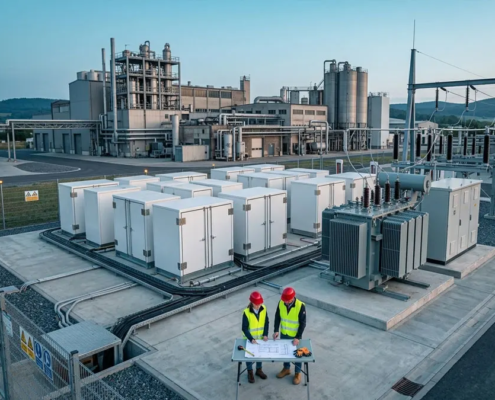
Charging Station Engineer2026-09-24 09:05:462026-09-24 09:08:39Battery Energy Storage System Design Guide for Europe
https://anengjipower.com/wp-content/uploads/2026/09/AnengJipower-European-BESS-Project-Design-Environment-1.webp
675
1000
Charging Station Engineer
https://anengjipower.com/wp-content/uploads/2025/09/anengji-dc-fast-charging-station-manufacturer-and-supplier-logo-white-1.png
Charging Station Engineer2026-09-24 09:05:462026-09-24 09:08:39Battery Energy Storage System Design Guide for Europe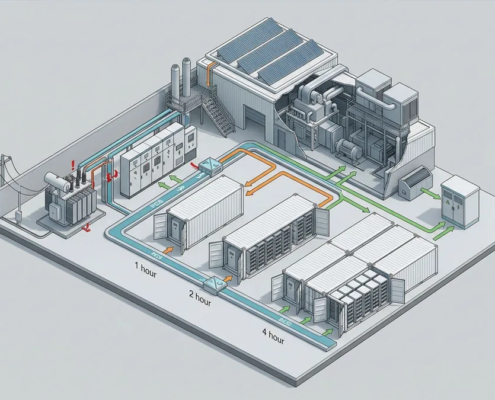 https://anengjipower.com/wp-content/uploads/2026/09/anengjipower-How-BESS-Power-and-Energy-Shape-Storage-Duration.webp
675
1000
Charging Station Engineer
https://anengjipower.com/wp-content/uploads/2025/09/anengji-dc-fast-charging-station-manufacturer-and-supplier-logo-white-1.png
Charging Station Engineer2026-09-23 09:06:532026-09-23 09:08:02BESS Duration Guide: How to Choose 1, 2 or 4 Hours
https://anengjipower.com/wp-content/uploads/2026/09/anengjipower-How-BESS-Power-and-Energy-Shape-Storage-Duration.webp
675
1000
Charging Station Engineer
https://anengjipower.com/wp-content/uploads/2025/09/anengji-dc-fast-charging-station-manufacturer-and-supplier-logo-white-1.png
Charging Station Engineer2026-09-23 09:06:532026-09-23 09:08:02BESS Duration Guide: How to Choose 1, 2 or 4 Hours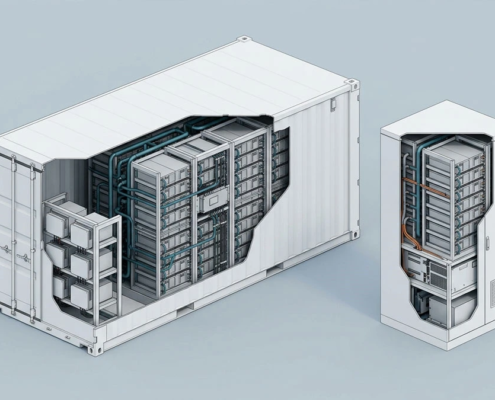 https://anengjipower.com/wp-content/uploads/2026/09/AnengJIPower-Cabinet-vs-Containerized-BESS-3D-Isometric-Structural-Cutaway.webp
675
1000
Charging Station Engineer
https://anengjipower.com/wp-content/uploads/2025/09/anengji-dc-fast-charging-station-manufacturer-and-supplier-logo-white-1.png
Charging Station Engineer2026-09-18 07:19:042026-09-18 07:19:38Cabinet vs Containerized BESS: How to Choose for Large C&I
https://anengjipower.com/wp-content/uploads/2026/09/AnengJIPower-Cabinet-vs-Containerized-BESS-3D-Isometric-Structural-Cutaway.webp
675
1000
Charging Station Engineer
https://anengjipower.com/wp-content/uploads/2025/09/anengji-dc-fast-charging-station-manufacturer-and-supplier-logo-white-1.png
Charging Station Engineer2026-09-18 07:19:042026-09-18 07:19:38Cabinet vs Containerized BESS: How to Choose for Large C&I


Leave a Reply
Want to join the discussion?Feel free to contribute!