
Introduction
By 2025, the global electric vehicle (EV) fleet has officially surged past 85 million units, with new energy vehicles making up over 45% of annual sales in markets like China. As the EV transitions from a novel gadget to a daily commuter, user focus has shifted from worrying about range anxiety to optimizing the charging experience. Can you find a charging point quickly? Can you seamlessly top up while running errands? Will long-term use be economical and reliable?
In this context, the term “charging pile“—which refers to the entire collective of electric vehicle charging infrastructure—is now far more critical than just a cable or a single outlet. It is a smart network that integrates hardware, software, energy management, and comprehensive services.
Whether you’re looking at a home EV charger, a public fast charging station, or even the Tesla Supercharger network, all of it falls under the umbrella of ‘charging infrastructure deployment’. This article dives deep into the core concepts of the EV charging pile and EV charging station, systematically breaking down the technology, applications, cost benefits, and future evolution. It’s designed as an authoritative 2025 guide for consumers, businesses, and policymakers alike.
What is an EV Charging Pile?
The term “charging pile” is not a single piece of equipment; it is the comprehensive term for all electric vehicle charging infrastructure, encompassing the entire network from a home garage to a major highway service area. To fully understand how this network operates, we must first clearly define three terms that are often confused:
Charging Pile (EVSE): The Single-Vehicle Unit
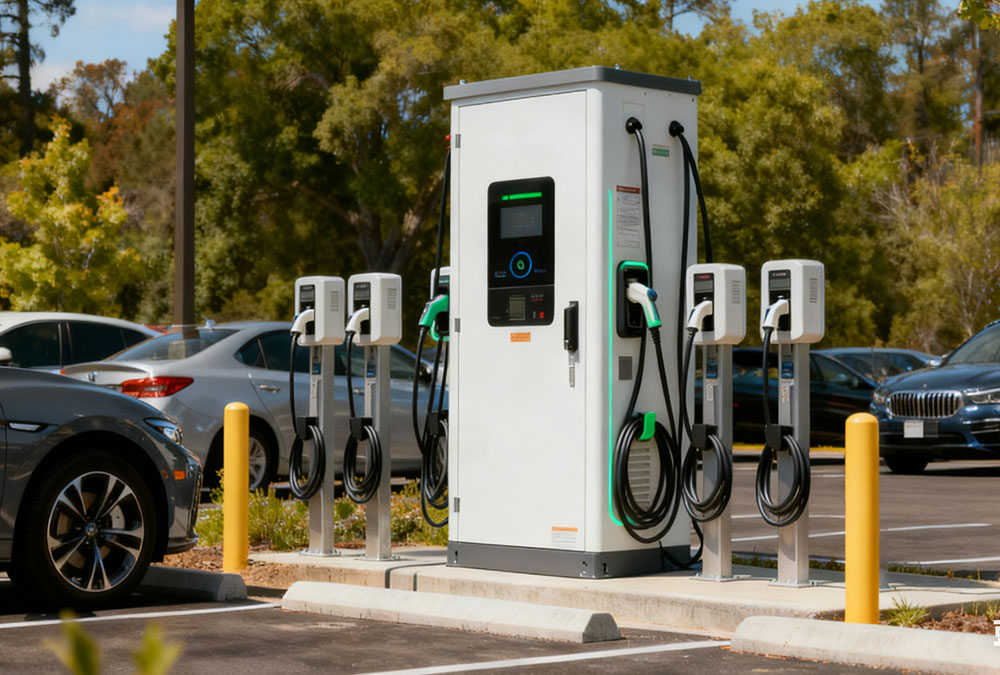
The EV charging pile (or Electric Vehicle Supply Equipment, EVSE) is the individual device, also called a “charging box” or “charging terminal,” that converts grid electricity into a form the EV battery can accept. It uses a control unit to manage the voltage and current output and communicates in real-time with the vehicle’s Battery Management System (BMS) to ensure charging safety and protect battery health.
- Typical Power: Residential AC EV charger models are typically 7–22 kW; slower public chargers are often 3–11 kW.
- Installation: Wall-mounted (residential) or pedestal-style (public areas).
- Core Components: Charging cable, control unit, communication module, and safety protection system.
- HS Code: The universally accepted Harmonized System (HS) code for customs and tariff classification is 8537.10.
For example, the Tesla Wall Connector, ABB Terra AC, and Siemens VersiCharge are all classified as EVSE devices.
Charging Station: The Multi-Unit Energy Hub
A charging station is a centralized facility equipped with multiple EV charging piles. These are commonly found in malls, office buildings, highway rest areas, or dedicated commercial EV charging station solutions. A station does more than provide physical charging points; it integrates smart functions like payment, monitoring, and intelligent power scheduling. This term primarily refers to the geographic location and is frequently used in navigation apps and government infrastructure planning documents.
The core characteristics of a charging station include:
- Multi-Point Service: Capable of simultaneously serving multiple EVs, maximizing the utilization of land and grid capacity.
- Dominant Fast Charging: Typically provides high-power DC fast charger 50kW–350kW units, significantly cutting down on EV charging time.
- Advanced Integration: Equipped with smart grid interfaces, remote monitoring, load balancing, and fault warning systems.
- Convenience: Supports quick payment methods (QR codes, apps) and offers real-time public charging availability and reservation features via charging apps and navigation.
Simply put, a charging pile is the individual unit, and a charging station is the organization or venue. Together, they form the fundamental building blocks of the entire electric vehicle charging infrastructure.
Charging Point: The Minimum Service Unit
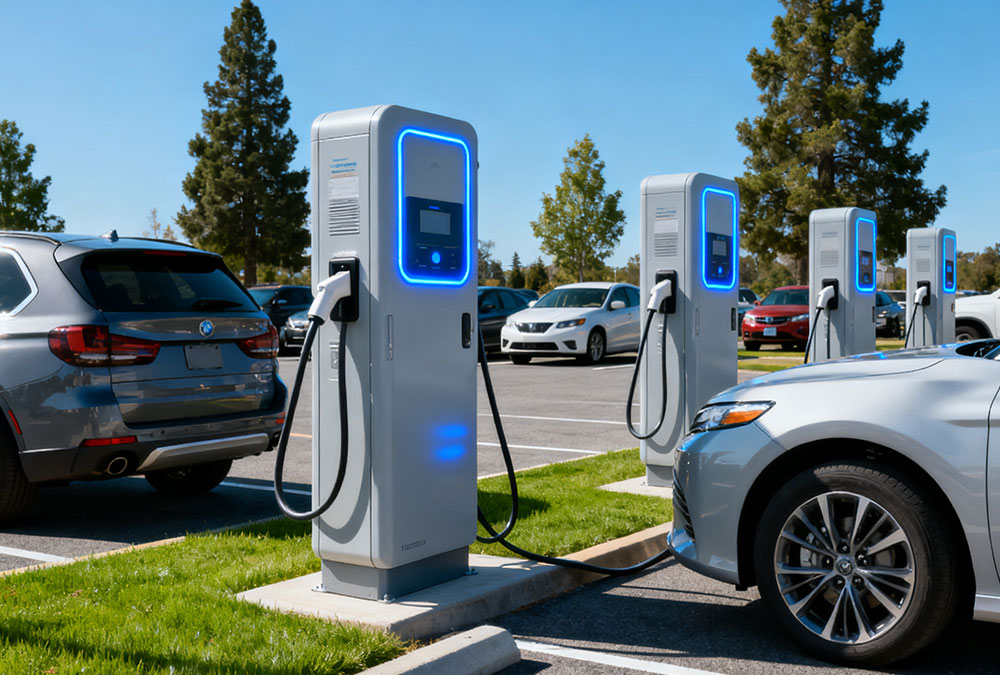
The term “charging point” emphasizes the minimum physical location where an EV can draw power, whether it’s a connection on a home charging setup, a public fast charging station, or a Tesla Supercharger plug. A single EV charging station might have 10 charging points, while a large apartment complex parking lot might have 50 dispersed charging points.
Solving Real-World Pain Points with Modern Charging Piles
How do these advanced EV charging piles address the real-world frustrations users face?
“Charging is Too Slow?”—Tiered Speed Strategies
Many first-time users plugging into a standard 220V household socket (Level 1) might find the charging time dismal—often 10–20 hours to fully replenish. Modern charging piles change this completely with a tiered system:
| Charging Method | Power Output (kW) | Time to 80% (60 kWh Battery Example) | Typical Scenario |
| Standard Wall Socket | 2–3 kW | 10–20 Hours | Emergency top-up only. |
| AC Home/Commercial Pile | 7–22 kW | 3–6 Hours | Overnight charging, daytime office top-ups. |
| Public DC Fast Charger | 50–150 kW | 30–60 Minutes (to 80% SOC) | Shopping, dining, short road trip stops. |
| Ultra-Fast Station (e.g., Tesla V4) | ≥250 kW | <20 Minutes (to 80% SOC) | Long-distance highway travel. |
Pro Tip for Battery Health: Industry experts recommend only charging up to 80% state of charge (SOC) during fast charging. The charging speed is highest here, and it avoids the high voltage and current output that can stress the battery cells when topping off the last 20%.
“Can’t Find a Charger?”—Eliminating Range Anxiety
The old fear of “range anxiety“—running out of juice miles from anywhere—is rapidly fading. Charging infrastructure deployment has expanded massively.
Common deployment scenarios include:
- Residential Areas: Garages, apartment parking →Essential home charging setup.
- Commercial Hubs: Malls, hotels, office parks →Users charge while they shop or work.
- Transit Nodes: Highway service areas, airports → Supporting long-distance travel.
- Rural & Tourist Spots: Government pushes ensure coverage even in small towns and tourist hot spots.
Major EV charging network operators (like ChargePoint, Star Charge, TGOOD) offer apps with real-time public charging availability, integrated charging apps and navigation, and reservation features, ensuring the charging point is always where the driver needs it.
“Is Charging Too Expensive?”—The EV Charging Cost Comparison
While gas prices are volatile, electricity costs are relatively stable. Here’s a look at the cost per 100 kilometers (2025 average estimate):
| Energy Type | Cost per 100km (Approx. USD) | Added Benefit |
| Gasoline (Standard Car) | ≈$9.00 | — |
| Home Off-Peak Charging | ≈$1.10–$1.70 | Smart chargers can auto-select the cheapest Time-of-Use (TOU) rates. |
| Public Fast Charging | ≈$2.10–$3.50 | Low time cost, suitable for urgent needs. |
Businesses involved in charging infrastructure for fleets can benefit from government incentives and utilize Time-of-Use (TOU) energy tariffs to reduce operational expenses. Furthermore, smart systems supporting V2G (Vehicle-to-Grid) allow EVs to sell power back to the grid during peak demand for extra revenue.
Technical Classification: Three Types of EV Charging Piles
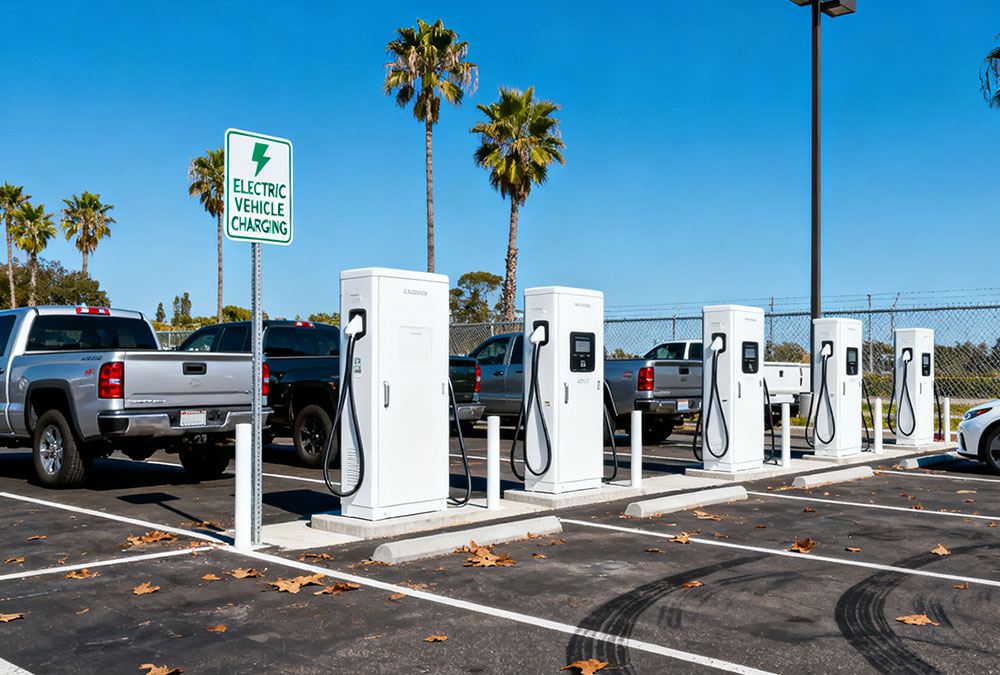
Based on current output and power rating, EV charging piles primarily fall into three categories, each suited to different scenarios.
Level 1: Trickle Charging (Emergency Use)
Trickle charging is the most basic method, using a standard 220V household socket. The power output is low, typically 2–3 kW. While simple, the charging speed is extremely slow—10–20 hours for a full charge. Due to the lack of dedicated protection circuits, there are charging safety risks like overheating with long-term use. This method is only recommended for temporary emergencies.
Level 2: AC Charging (Daily Standard)
AC EV charging is the standard solution for residential and commercial settings, delivering 7–22 kW. The AC EV charger delivers AC power to the vehicle, where the Onboard Charger (OBC) performs the AC vs DC EV charging conversion before feeding the battery. This method is affordable, has full charging safety mechanisms, and is ideal for home charging setup overnight or daytime workplace top-ups.
Level 3: DC Fast Charging (High Power)
DC fast charging represents the highest level of charging efficiency and charging speed. Widely used at public fast charging stations, the DC fast charger 50kW–350kW unit contains its own AC/DC converter, bypassing the car’s OBC. Power ranges from 50–150 kW, with ultra-fast models reaching 350 kW and beyond. A 30-minute stop can reach 80% state of charge (SOC), which is crucial for long-distance travel. Although the equipment cost is higher, the “charge and go” model is key to eliminating range anxiety.
The Industry Landscape and Key Players (2025)
The global electric vehicle charging infrastructure value chain consists of equipment manufacturers, network operators, and platform service providers:
- Tesla: Operates the world’s largest dedicated Supercharger network (over 18,000 sites). Since 2023, they have opened their NACS (North American Charging Standard) charging connector types to third parties, with over 50 compatible models expected by 2025.
- ChargePoint: North America’s largest independent EV charging network, covering over 250,000 charging points, primarily focused on corporate and public commercial EV charging station solutions.
- ABB & Siemens: Leaders in industrial-grade high-power EV charging equipment, covering everything from residential models to Megawatt-scale heavy-truck DC fast chargers.
- OEM/ODM Partners (e.g., BESEN, Shinhom, Star Charge, AnengJi): Core Chinese EV charging pile manufacturers and suppliers providing products for export EV chargers to Europe/US and offering specialized multi-gun DC charger manufacturer services.
Furthermore, tech-focused automakers like Huawei, NIO, and Xpeng are also deploying their own ultra-fast charging networks, driving the integration of the “car-pile-grid” ecosystem.
Future Trends: Smarter, Greener, and Higher Power
The evolution of the EV charging pile is moving rapidly towards:
- 800V High-Power Standard: Models like the Xpeng G6, Zeekr 007, and BYD Yangwang U8 support this high-voltage platform, making 500kW+ ultra-fast DC chargers the necessary standard.
- Solar-Storage-Charging Integration: Charging stations installing solar panels (photovoltaics) and pairing them with energy storage batteries. This achieves self-consumption, grid feed-in, and reduces dependency on the main grid.
- AI Smart Scheduling: Utilizing historical data to predict user demand and dynamically allocate kilowatt (kW) power, boosting charging pile utilization by over 30%.
- V2G and V2H: Vehicle-to-Grid or Vehicle-to-Home technology allows the EV to become a mobile storage unit, supplying power to the grid or a home during outages or peak demand times.
Conclusion: The Charging Pile as the Engine for a Green Future
From a simple home EV charger to a sophisticated ultra-fast DC charging station, the evolution of the EV charging pile reflects the fundamental shift of electric mobility from niche enthusiasm to mainstream necessity. It solves key user pain points while playing a strategic role in global energy transition and emission reduction.
For consumers, understanding the difference between charging pile and charging station and using smart strategies—like adhering to the battery SOC 80% rule, taking advantage of off-peak TOU rates, and using charging apps and navigation—will greatly enhance the EV lifestyle. For businesses, developers, and EV charging pile manufacturers, continued investment in innovation and network optimization is essential to build an efficient, accessible, and sustainable charging ecosystem.
Open your phone map now and search for “public fast charging stations” nearby. With the right EV charging pile and the right strategy, driving electric in 2025 is truly easier than fueling up!
Frequently Asked Questions (FAQ)
(These FAQs integrate key SEO terms and address common user queries.)
Q1: What is the difference between an EV charging pile and a charging station?
A: An EV charging pile (EVSE) is the individual piece of equipment that serves one car (the hardware unit). A charging station is the centralized physical location or venue that contains multiple charging piles and integrated smart features like payment and load management.
Q2: Should I use AC or DC EV charging most of the time?
A: For everyday use, AC EV charging (Level 2) is recommended, particularly for overnight home charging setup, as it is gentler on the battery health. DC fast charging is best reserved for long road trips when time is the priority, aiming for the 80% state of charge (SOC) rule.
Q3: What does ‘EVSE’ mean, and is it the same as a charger?
A: EVSE stands for Electric Vehicle Supply Equipment. While often used interchangeably, EVSE is the technical term used by charging pile manufacturers and regulators to define the device that safely delivers electricity to the vehicle’s charging port.
Q4: How does the new 800V platform affect charging speed?
A: The 800V high-voltage platform allows EVs to accept much higher kilowatt (kW) power without overheating, enabling true ultra-fast DC charging speeds (often 350kW to 500kW+). This drastically reduces the EV charging time needed for long-distance travel.
Q5: How can businesses reduce EV charging costs for their fleet?
A: Businesses building charging infrastructure for fleets should utilize commercial EV charging station solutions with Time-of-Use (TOU) billing support. Charging vehicles automatically during off-peak hours dramatically reduces the EV charging cost comparison versus peak pricing.
 https://anengjipower.com/wp-content/uploads/2026/09/AnengJipower-European-BESS-Project-Design-Environment-1.webp
675
1000
Charging Station Engineer
https://anengjipower.com/wp-content/uploads/2025/09/anengji-dc-fast-charging-station-manufacturer-and-supplier-logo-white-1.png
Charging Station Engineer2026-09-24 09:05:462026-09-24 09:08:39Battery Energy Storage System Design Guide for Europe
https://anengjipower.com/wp-content/uploads/2026/09/AnengJipower-European-BESS-Project-Design-Environment-1.webp
675
1000
Charging Station Engineer
https://anengjipower.com/wp-content/uploads/2025/09/anengji-dc-fast-charging-station-manufacturer-and-supplier-logo-white-1.png
Charging Station Engineer2026-09-24 09:05:462026-09-24 09:08:39Battery Energy Storage System Design Guide for Europe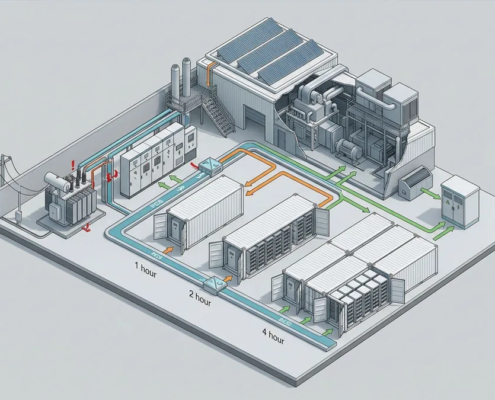 https://anengjipower.com/wp-content/uploads/2026/09/anengjipower-How-BESS-Power-and-Energy-Shape-Storage-Duration.webp
675
1000
Charging Station Engineer
https://anengjipower.com/wp-content/uploads/2025/09/anengji-dc-fast-charging-station-manufacturer-and-supplier-logo-white-1.png
Charging Station Engineer2026-09-23 09:06:532026-09-23 09:08:02BESS Duration Guide: How to Choose 1, 2 or 4 Hours
https://anengjipower.com/wp-content/uploads/2026/09/anengjipower-How-BESS-Power-and-Energy-Shape-Storage-Duration.webp
675
1000
Charging Station Engineer
https://anengjipower.com/wp-content/uploads/2025/09/anengji-dc-fast-charging-station-manufacturer-and-supplier-logo-white-1.png
Charging Station Engineer2026-09-23 09:06:532026-09-23 09:08:02BESS Duration Guide: How to Choose 1, 2 or 4 Hours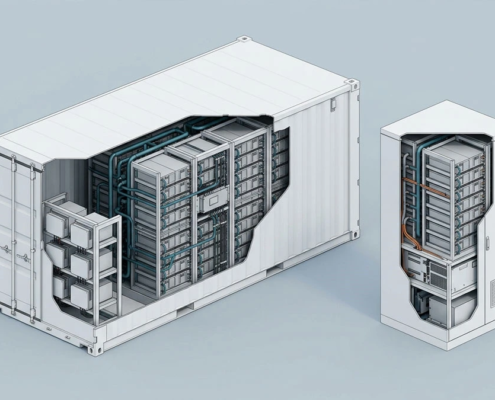 https://anengjipower.com/wp-content/uploads/2026/09/AnengJIPower-Cabinet-vs-Containerized-BESS-3D-Isometric-Structural-Cutaway.webp
675
1000
Charging Station Engineer
https://anengjipower.com/wp-content/uploads/2025/09/anengji-dc-fast-charging-station-manufacturer-and-supplier-logo-white-1.png
Charging Station Engineer2026-09-18 07:19:042026-09-18 07:19:38Cabinet vs Containerized BESS: How to Choose for Large C&I
https://anengjipower.com/wp-content/uploads/2026/09/AnengJIPower-Cabinet-vs-Containerized-BESS-3D-Isometric-Structural-Cutaway.webp
675
1000
Charging Station Engineer
https://anengjipower.com/wp-content/uploads/2025/09/anengji-dc-fast-charging-station-manufacturer-and-supplier-logo-white-1.png
Charging Station Engineer2026-09-18 07:19:042026-09-18 07:19:38Cabinet vs Containerized BESS: How to Choose for Large C&I


Leave a Reply
Want to join the discussion?Feel free to contribute!