
Introduction
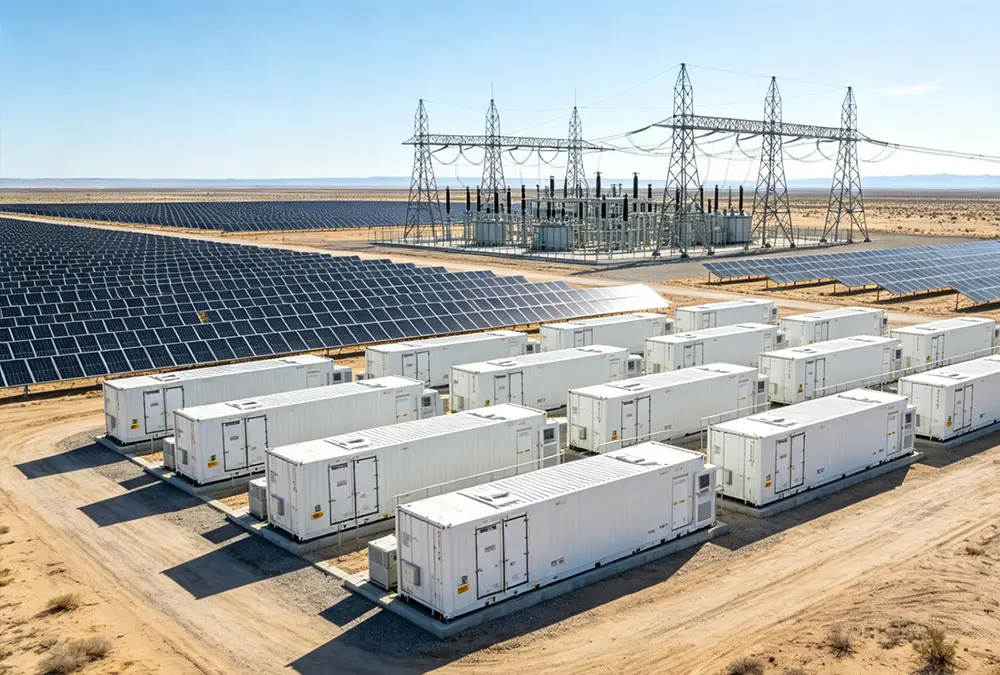
The global energy landscape in 2026 is defined by a massive shift toward decentralization and electrification. As traditional fossil-fuel peaking plants are retired, the advantages of battery energy storage system (BESS) technology have become the primary catalyst for maintaining a resilient and cost-effective power grid. From industrial manufacturing plants seeking to lower operational expenses to utility providers managing the intermittency of gigawatt-scale solar farms, BESS provides the critical “energy buffer” required for modern infrastructure. By decoupling energy generation from immediate consumption, these systems allow businesses to transform electricity from a volatile overhead cost into a strategically managed asset.
What Are the Advantages of Battery Energy Storage System (BESS)?
Quick Answer (Featured Snippet)
Battery Energy Storage Systems (BESS) provide four primary pillars of value: cost reduction, grid stability, energy flexibility, and renewable integration.
- They enable peak shaving and load shifting to reduce demand charges and arbitrage electricity prices.
- They provide millisecond-level frequency regulation and backup power to ensure 24/7 operational uptime.
- They allow for the seamless scaling of high-power EV charging stations (up to 350kW) without requiring expensive transformer upgrades.
- BESS serves as the “brain” of the modern smart grid, managing bidirectional power flows through integrated Energy Management Systems (EMS).
Key Advantages of Battery Energy Storage System for Grid-Scale Applications
At the utility and transmission level, grid-scale battery storage benefits are no longer theoretical; they are a mechanical necessity. According to the IEA 2026 Electricity Report, battery storage is now the fastest-growing flexibility tool globally, with deployment doubling year-on-year to meet the demands of a variable renewable energy (VRE) grid.
Enhancing Grid Stability and Frequency Regulation
Traditional grids relied on the physical inertia of spinning turbines to maintain a steady 50Hz or 60Hz frequency. As we transition to inverter-based resources like solar and wind, we lose that natural stability. Grid reliability and stability are now maintained by BESS units that can inject or absorb power in milliseconds. This rapid response is far more efficient than ramping up a natural gas “peaker” plant, which can take minutes to reach full capacity.
Enabling Long-Duration Energy Storage for Renewable Energy
One of the most significant solar battery storage benefits is the ability to solve the “Duck Curve” phenomenon. By storing excess solar energy during the midday peak and discharging it during the evening ramp, BESS ensures that renewable energy integration does not lead to grid congestion or curtailment. In 2026, we are seeing the rise of 4-hour to 8-hour duration systems that allow for “intra-day” energy shifting, effectively making solar power a dispatchable “baseload” resource.
Deferring Grid Infrastructure Upgrades
Building new transmission lines and substations is a decade-long, multi-billion dollar process. A strategic utility scale storage solution allows grid operators to defer these massive CAPEX investments. By placing BESS at “congested” nodes in the network, utilities can manage local peak loads using stored energy rather than building a larger pipe to handle a peak that only occurs 5% of the year.
Commercial & Industrial Benefits of Battery Energy Storage System (BESS)
For factory owners and facility managers, the advantages of BESS for industrial energy management are purely economic. In 2026, industrial electricity bills are often split between “Energy Charges” (the total kWh used) and “Demand Charges” (the highest power draw recorded in a 15-minute window).
Peak Shaving and Load Shifting
Peak shaving and load shifting are the most effective ways to lower industrial bills. Peak shaving involves using the battery to “clip” the top of your power consumption spikes, ensuring you never hit the high-demand tier that triggers expensive penalties.
Demand Charge Savings = (Peak kW without BESS - Peak kW with BESS) * Monthly Demand Rate
Energy Cost Optimization Through Time-of-Use (TOU)
In markets with dynamic pricing, energy storage cost savings are achieved through “energy arbitrage.” The Energy Management System (EMS) automatically charges the batteries at 2:00 AM when prices are at their floor and discharges them at 2:00 PM when rates are at their ceiling. By 2026, AI-driven EMS can predict price fluctuations with 98% accuracy, maximizing the spread of these trades.
Backup Power and Energy Resilience
For a semiconductor plant or a data center, a 500ms power dip can result in millions of dollars in lost product. A core industrial energy storage system benefit is its role as an Uninterruptible Power Supply (UPS) at scale. BESS provides instantaneous backup power, often eliminating the need for noisy, high-maintenance diesel generators.
Advantages of Battery Energy Storage System for EV Charging Infrastructure
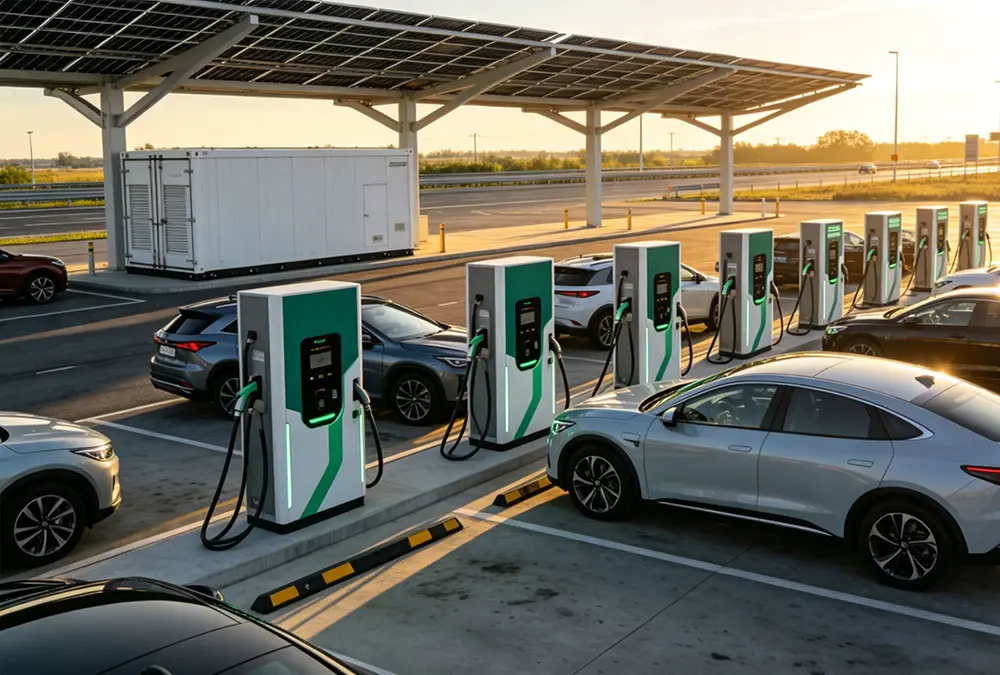
As 150kW to 350kW “Ultra-Fast” chargers become the corridor standard in 2026, the local distribution grid is under immense strain. This is where the synergy between commercial energy storage solutions and transport electrification becomes vital.
Supporting High-Power DC Fast Charging Stations
Most commercial parking lots were not designed to deliver 1MW of power simultaneously. Instead of paying for a new substation, operators use BESS to “buffer” the load. The battery charges slowly from the grid throughout the day and “bursts” that energy into the EV when a vehicle plugs in. This allows a site with a 200kW grid limit to provide 600kW of total charging power.
Reducing EV Charging Demand Charges
High-power charging creates massive, short-lived spikes in electricity demand. Without a battery, the “demand charge” for a single 30-minute charging session could exceed the revenue earned from the customer. BESS smooths these curves, ensuring that the benefits of battery energy storage system for commercial buildings include protecting the operator’s bottom line.
Enabling Off-Grid and Hybrid Charging Solutions
In remote highway areas or tourist destinations, the grid may be weak or non-existent. A “Solar + Storage + EV” microgrid is often the only viable model. By pairing high-capacity lithium battery storage systems with on-site solar arrays, operators can offer 100% green charging in locations that were previously inaccessible.
Technical Advantages of Modern BESS Architecture
Understanding the battery energy storage system components is essential for any engineer or investor evaluating a project’s technical viability.
Advanced Battery Management System (BMS)
The BMS is the “nervous system” of the battery. It monitors every cell’s voltage, temperature, and State of Charge (SoC). Modern lithium battery storage systems utilize active cell balancing, which moves energy from stronger cells to weaker ones, preventing premature degradation and extending the system’s life by up to 20%.
Smart Energy Management System (EMS)
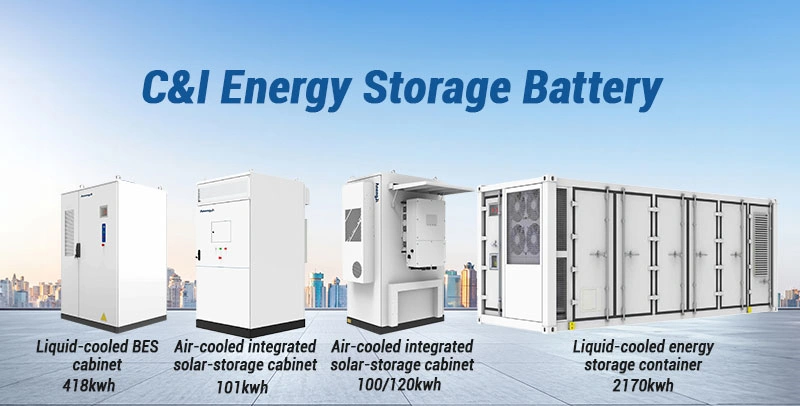
The EMS is the “brain.” It interfaces with the grid, the on-site loads, and the weather forecast. In 2026, we recommend systems like AnengJi’s Liquid-Cooled Industrial BESS, which features an AI-integrated EMS capable of performing multiple “value stacks” (e.g., peak shaving and frequency response) simultaneously.
High-Efficiency Power Conversion System (PCS)
The PCS is the “muscle,” converting DC power from the batteries to AC power for the grid (and vice versa). Modern SiC (Silicon Carbide) inverters have pushed round-trip efficiency (RTE) to over 90% at the system level.
System RTE = (Energy Discharged / Energy Charged) * 100
Environmental and Sustainability Benefits of Battery Energy Storage Systems
Increasing Renewable Energy Utilization
Global “curtailment” (wasted green energy) is a massive problem. BESS captures this clean energy that would otherwise be lost, directly reducing carbon emissions and diesel dependence. By 2026, grid-scale storage has effectively replaced the need for new coal-fired peaking capacity in many developing markets.
Supporting Net-Zero and Energy Transition Goals
For corporations with strict ESG (Environmental, Social, and Governance) mandates, BESS is a visible commitment to sustainability. It allows a facility to prove it is running on “self-generated” or “time-shifted” green energy, rather than relying on a carbon-heavy grid mix during peak hours.
Challenges and Limitations of Battery Energy Storage System (BESS)
To maintain E-E-A-T (Expertise and Trustworthiness), we must acknowledge the hurdles.
- High Initial Investment: While costs have dropped 40% since 2022, the upfront CAPEX remains significant.
- Battery Degradation: All chemical batteries lose capacity over time. A typical LFP (Lithium Iron Phosphate) system in 2026 is rated for 6,000 to 10,000 cycles before reaching 80% of its original capacity.
- Safety and Thermal Management: Lithium-ion requires robust cooling. We strongly advocate for liquid-cooled BESS over air-cooled units for industrial applications, as liquid cooling provides 3x better temperature uniformity, significantly reducing fire risk.
Is Battery Energy Storage System Worth It for Your Business?
ROI Analysis for Commercial & Industrial Users
According to BloombergNEF and latest 2026 industry data, the levelized cost of storage (LCOS) has hit a tipping point. In many regions, the payback period for an industrial BESS has dropped to under 4 years.
| Metric (2026 Projections) | Value for Industrial Site |
| Average CAPEX (Turnkey) | $220 – $280 per kWh |
| Annual Demand Charge Reduction | 20% – 45% |
| System Lifespan | 12 – 15 Years |
| Typical Payback Period | 3.5 – 5.5 Years |
| Round-Trip Efficiency | 88% – 92% |
BESS + Solar + EV Charging: The Future Energy Model
The “Trinity of Energy”—Generation (Solar), Storage (BESS), and Consumption (EV)—is the most profitable business model for 2026. By closing the loop, a business can achieve up to 90% energy self-sufficiency, insulating itself from future grid price hikes.
Featured Snippet Summary: Advantages of Battery Energy Storage System
What Are the Top 5 Advantages of BESS?
- Cost Reduction: Lowers bills via peak shaving and price arbitrage.
- Grid Resilience: Provides instantaneous backup power and stability.
- Sustainability: Maximizes the use of on-site and grid-scale renewables.
- Infrastructure Support: Enables ultra-fast EV charging without grid upgrades.
- Longevity: Modern LFP systems provide 10+ years of reliable service.
Why BESS Is Critical for Future Energy Systems
As the world moves toward “Net Zero 2050,” the power grid is shifting from a one-way street to a complex, bidirectional web. Battery energy storage system benefits for grid stability make BESS the “glue” that holds this web together. Without storage, the energy transition would be physically impossible due to the sheer volatility of sun and wind.
Technical Glossary & Alternatives Explained
- LFP (Lithium Iron Phosphate): The 2026 standard for BESS. Extremely safe, long cycle life, and cobalt-free.
- Sodium-Ion Batteries: The primary alternative to lithium ion emerging in late 2025. Lower energy density but much cheaper and better in cold climates.
- VPP (Virtual Power Plant): A network of decentralized BESS units controlled as a single power plant to support the grid and earn revenue for owners.
References & Sources:
- IEA (2026):Electricity 2026: Analysis and Forecast for Global Storage Markets
- BloombergNEF (BNEF):2025/2026 Global Energy Storage Strategy & Economic Outlook
- NREL (2025):Annual Technology Baseline: Performance & Cost Trends for Lithium Systems
- World Economic Forum (2026):Scaling Battery Storage for Global Grid Resilience
 https://anengjipower.com/wp-content/uploads/2026/09/AnengJipower-European-BESS-Project-Design-Environment-1.webp
675
1000
Charging Station Engineer
https://anengjipower.com/wp-content/uploads/2025/09/anengji-dc-fast-charging-station-manufacturer-and-supplier-logo-white-1.png
Charging Station Engineer2026-09-24 09:05:462026-09-24 09:08:39Battery Energy Storage System Design Guide for Europe
https://anengjipower.com/wp-content/uploads/2026/09/AnengJipower-European-BESS-Project-Design-Environment-1.webp
675
1000
Charging Station Engineer
https://anengjipower.com/wp-content/uploads/2025/09/anengji-dc-fast-charging-station-manufacturer-and-supplier-logo-white-1.png
Charging Station Engineer2026-09-24 09:05:462026-09-24 09:08:39Battery Energy Storage System Design Guide for Europe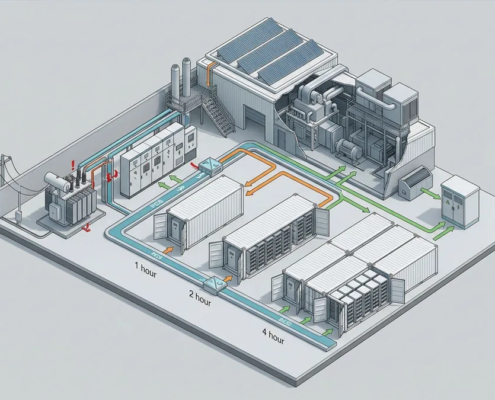 https://anengjipower.com/wp-content/uploads/2026/09/anengjipower-How-BESS-Power-and-Energy-Shape-Storage-Duration.webp
675
1000
Charging Station Engineer
https://anengjipower.com/wp-content/uploads/2025/09/anengji-dc-fast-charging-station-manufacturer-and-supplier-logo-white-1.png
Charging Station Engineer2026-09-23 09:06:532026-09-23 09:08:02BESS Duration Guide: How to Choose 1, 2 or 4 Hours
https://anengjipower.com/wp-content/uploads/2026/09/anengjipower-How-BESS-Power-and-Energy-Shape-Storage-Duration.webp
675
1000
Charging Station Engineer
https://anengjipower.com/wp-content/uploads/2025/09/anengji-dc-fast-charging-station-manufacturer-and-supplier-logo-white-1.png
Charging Station Engineer2026-09-23 09:06:532026-09-23 09:08:02BESS Duration Guide: How to Choose 1, 2 or 4 Hours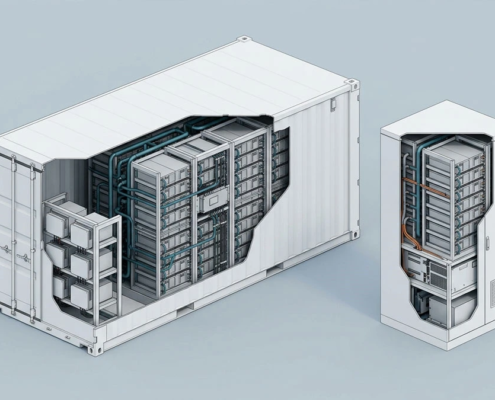 https://anengjipower.com/wp-content/uploads/2026/09/AnengJIPower-Cabinet-vs-Containerized-BESS-3D-Isometric-Structural-Cutaway.webp
675
1000
Charging Station Engineer
https://anengjipower.com/wp-content/uploads/2025/09/anengji-dc-fast-charging-station-manufacturer-and-supplier-logo-white-1.png
Charging Station Engineer2026-09-18 07:19:042026-09-18 07:19:38Cabinet vs Containerized BESS: How to Choose for Large C&I
https://anengjipower.com/wp-content/uploads/2026/09/AnengJIPower-Cabinet-vs-Containerized-BESS-3D-Isometric-Structural-Cutaway.webp
675
1000
Charging Station Engineer
https://anengjipower.com/wp-content/uploads/2025/09/anengji-dc-fast-charging-station-manufacturer-and-supplier-logo-white-1.png
Charging Station Engineer2026-09-18 07:19:042026-09-18 07:19:38Cabinet vs Containerized BESS: How to Choose for Large C&I


Leave a Reply
Want to join the discussion?Feel free to contribute!