

Introduction
As the global electric vehicle (EV) market continues to grow rapidly, the need for faster and more reliable charging infrastructure has become critical. Among all charging solutions, DC fast charging stands out as one of the most transformative technologies in modern electric mobility.
By offering quick, high-power charging directly to the battery, DC fast charging meets the fast-changing needs of today’s EV drivers — from urban commuters to highway travelers.
In this article, we’ll take a closer look at the advantages and disadvantages of EV DC fast charging, explore how the technology works, and discuss its long-term impact on electric transportation.
What Is DC Fast Charging?
Direct Current (DC) Charging, often referred to as DC fast charging, converts alternating current (AC) from the power grid into direct current (DC) within the charging station itself. This DC electricity is then fed straight into the EV’s battery pack.
Unlike AC charging, where the vehicle’s onboard charger performs the conversion, DC fast chargers handle that conversion externally — which allows for a much faster and more efficient energy transfer.
Today’s mainstream DC fast charging standards include CCS (Combined Charging System), CHAdeMO, GB/T (China’s national standard), and the emerging NACS (North American Charging Standard).
As a leading EV DC charger manufacturer and global supplier, AnengJi provides charging equipment compatible with all these international standards. Our DC fast chargers range from 60 kW up to 480 kW, suitable for highway rest areas, urban public charging stations, logistics hubs, and commercial fleets.
With over 20 years of experience in the electrical industry, AnengJi continues to design and build chargers that combine advanced manufacturing, precision engineering, and smart technology for worldwide clients.
Advantages of DC Fast Charging
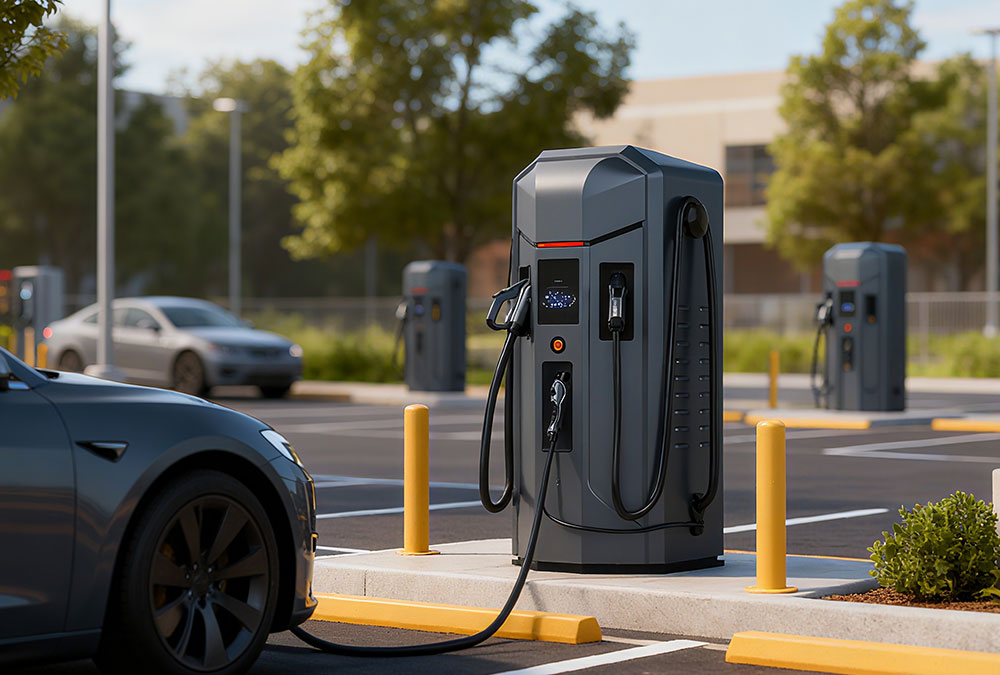
1. Rapid Energy Delivery
The biggest advantage of DC fast charging for electric vehicles is its unmatched speed.
Compared to traditional AC charging, DC fast chargers can dramatically reduce the waiting time — a key concern for many EV owners. A well-designed DC charging station can recharge most EV batteries from 20% to 80% in just 20 to 30 minutes.
This makes DC charging an ideal solution for long-distance travel, commercial fleets, and public charging networks, where every minute counts. It also helps eliminate “range anxiety,” one of the main psychological barriers to EV adoption.
By enabling quick energy replenishment, DC fast charging improves the practicality of EVs and builds driver confidence in electric mobility.
2. Efficiency and Convenience
DC fast chargers come with several clear benefits that make them essential for the next generation of charging infrastructure.
- Efficiency: Unlike Level 1 and Level 2 AC chargers, DC fast chargers can transfer high levels of power directly to the vehicle battery. This allows an EV to go from 20% to 90% charge in a fraction of the time.
- Convenience: Shorter charging sessions mean drivers can get back on the road faster. For logistics fleets and commercial operators, less downtime means higher operational efficiency.
- Long-distance readiness: With strategically located DC stations, EV drivers can now travel further without the constant worry of low battery.
In a world where time is increasingly valuable, DC fast charging bridges the gap between clean energy and real-world usability.
How DC Fast Charging Works
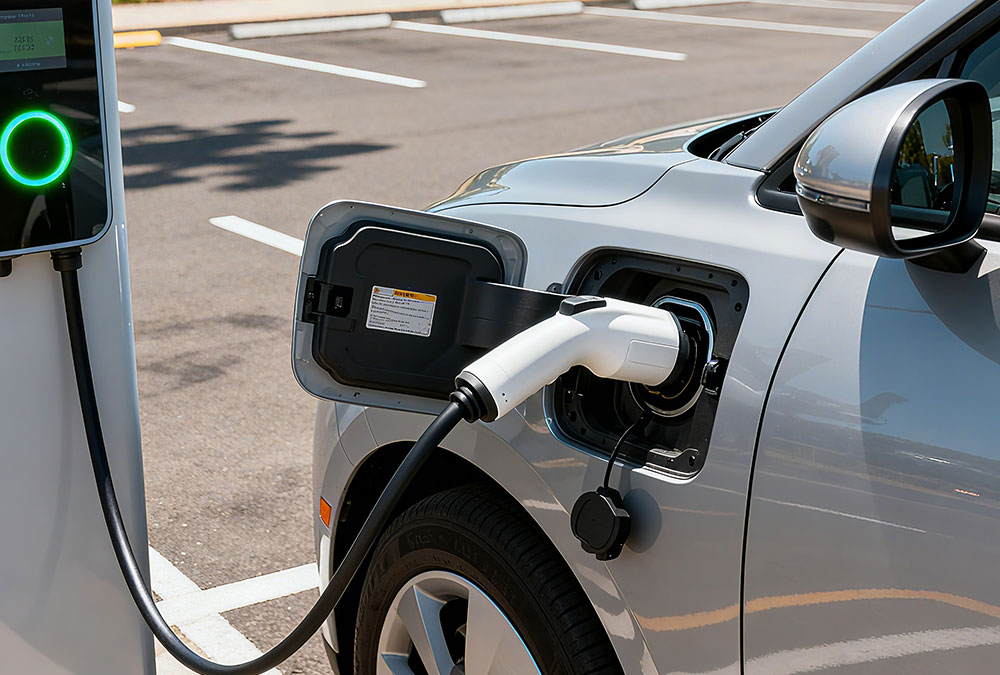
The process behind DC fast charging is relatively simple — but highly efficient.
Traditional AC chargers (Level 1 or Level 2) deliver alternating current, which is then converted by the vehicle’s onboard charger into direct current before it’s stored in the battery.
DC fast chargers skip that step. They convert AC to DC inside the charger cabinet and deliver DC electricity directly to the vehicle’s battery system.
By removing the onboard conversion stage, DC charging reduces energy loss and speeds up the charging process. This design is what enables fast chargers to deliver high-power outputs — often ranging from 60 kW to 350 kW — while maintaining energy efficiency and safety.
Charging Time
Charging time is one of the most important metrics when evaluating a DC fast charger. It depends on several factors, including vehicle model, battery capacity, and charger power output.
Here’s a general overview based on real-world charging performance:
- Low-power DC fast charger (50 kW): Takes about 60–90 minutes to fully charge a standard EV battery.
- Mid-range DC fast charger (100–150 kW): Can bring the battery from 20% to 80% in about 30–60 minutes.
- High-power DC fast charger (up to 350 kW): Charges from 20% to 80% in as little as 15–20 minutes for compatible vehicles.
This ultra-fast turnaround makes DC fast chargers ideal for public networks, commercial EV fleets, and highway service areas, where time efficiency is critical.
For businesses that rely on uptime — such as logistics, taxis, or delivery fleets — shorter charging sessions directly translate to higher productivity and lower operating costs.
Disadvantages of DC Fast Charging
Despite its clear benefits, EV DC fast charging also comes with a few challenges that cannot be ignored. These drawbacks mainly involve infrastructure cost, power grid demand, and limited availability — factors that still affect how quickly DC fast charging networks can expand worldwide.
1. Higher Infrastructure Cost
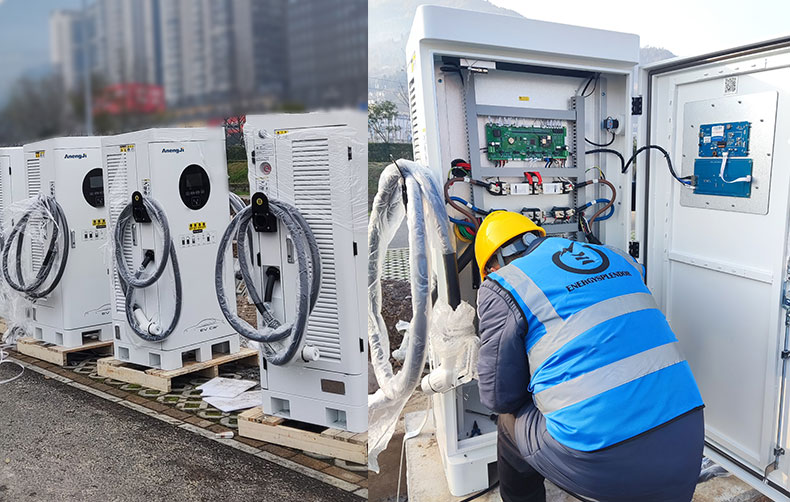
One major downside of DC fast charging stations is the high upfront cost. Installing a DC fast charger requires not only specialized hardware but also high-capacity electrical connections, cooling systems, and power management components.
Compared to standard AC Level 2 chargers, the cost of a single DC fast charger can be several times higher. It also requires more complex installation and regular maintenance.
For this reason, initial investment and grid capacity become key challenges, especially in areas where EV adoption is still developing. Many regions and small businesses may find it difficult to justify the cost unless supported by government incentives or long-term operational plans.
2. Pressure on the Power Grid
Another common concern about DC fast charging for electric vehicles is the heavy demand it places on the power grid. Because DC fast chargers draw large amounts of electricity in short bursts, simultaneous use — such as during rush hours or at highway rest stops — can lead to grid overload or increased peak demand charges.
If not managed properly, these sudden spikes in power demand can increase operational costs for charging station operators and even impact local grid stability.
To address this issue, many DC fast charger manufacturers are integrating smart load management, battery energy storage systems (BESS), and renewable power integration to balance the energy flow and reduce stress on local utilities.
Smart charging and grid coordination are becoming essential features for any sustainable EV infrastructure network.
3. Limited Coverage and Accessibility
Although DC fast charging stations are expanding quickly, their network coverage is still limited compared to AC chargers.
AC chargers are more affordable and can easily be installed in homes, workplaces, and public parking areas. In contrast, DC stations are typically found along highways, in urban centers, or at commercial fleet hubs.
This uneven distribution makes it less convenient for drivers in rural or suburban areas, where DC charging infrastructure remains sparse.
Improving accessibility — through both public-private partnerships and incentives for commercial charging providers — is essential to create a truly reliable EV charging network that meets the needs of all drivers.
DC vs AC Charging: A Comparison
To fully understand the advantages and disadvantages of DC fast charging, it’s important to compare it directly with AC charging.

Charging Speed
AC charging, which includes Level 1 and Level 2 chargers, provides slower but steady charging, making it ideal for overnight or long-duration sessions at home or the workplace. Because of its lower cost and simpler installation, AC charging remains the most common type for daily use.
In contrast, DC fast chargers deliver power at much higher voltages, enabling rapid energy delivery and short charging times. This makes them perfect for drivers on the move or businesses with time-sensitive schedules.
However, DC fast charging requires greater infrastructure investment and grid coordination, meaning it’s best suited for public stations and commercial EV fleets rather than residential use.
Choosing the Right Charging Solution
When deciding between AC and DC charging, consider your driving habits, daily range, and available infrastructure.
- For daily commuting and home use: AC charging is practical, cost-effective, and gentle on the battery.
- For long-distance travel or commercial operations: DC fast charging provides the speed and efficiency needed to stay on the move.
In many cases, a combination of both — AC charging at home and DC charging on the road — delivers the best balance between convenience, cost, and long-term battery health.
Impact on EV Battery Health
One of the most debated aspects of DC fast charging is its impact on EV battery life and performance.
Charging at high power levels generates heat and places stress on individual battery cells. Over time, this can contribute to battery degradation — a gradual loss of capacity and efficiency.
However, recent advances in battery technology, thermal management systems, and charging algorithms have significantly reduced these risks.
Temperature Management and Battery Lifespan
When using high-power DC chargers, heat generation becomes one of the biggest challenges. Frequent fast charging in hot climates can expose the battery to thermal stress, which may accelerate aging.
To counter this, modern electric vehicles come equipped with liquid cooling systems, intelligent Battery Management Systems (BMS), and temperature sensors that keep the cells within an optimal range during charging.
These technologies ensure that energy transfer happens efficiently while minimizing wear and tear.
Environmental Considerations
Energy Efficiency & Sustainability
From an environmental perspective, DC fast charging holds an edge. Because the station handles AC-to-DC conversion externally, energy losses are lower. That means better energy efficiency in charging and less waste. Fewer losses equate to lower overall greenhouse-gas emissions and a cleaner charging footprint.
The Bigger Picture
Still, DC fast charging’s environmental impact isn’t just about efficiency. Building high-power charging stations demands materials, energy and land use. While EV infrastructure development moves ahead, the industry must balance rapid charging deployments with sustainable practices. Renewable energy integration, grid load management, and heavy-duty EV chargers all factor in. The target? A charging network that’s fast, accessible, and kind to the planet.
User Experience & Convenience
Journey Readiness
For drivers, the practicality of EV DC charging stations is huge—especially on long trips or tight schedules. Having a fast charger along a highway or near major hubs means less planning, fewer worries about range, and more freedom. That convenience helps make EVs feel like everyday vehicles, not niche tech.
Tech-Driven Service
But it’s not just about speed. The charging experience is improving thanks to mobile apps, real-time charge status, integrated payments, and smart EV charging management systems. These features make the full process smoother—regardless of where you’re charging. As the network evolves, driver feedback is helping shape charging station reliability, accessibility and satisfaction.
DC Fast Charging Standards Overview
Different regions use different fast-charging standards, and global compatibility is essential for a connected EV ecosystem.
Here’s how major EV DC charging standards compare — and how EV Charger Manufacture meet them all:
| Charging Standard | Primary Regions | Max Power Output | Supported by AnengJi |
|---|---|---|---|
| CCS1 (Combo 1) | North America, South Korea | 350 kW | Supported (with NACS adapter option) |
| CCS2 (Combo 2) | Europe, Australia, New Zealand | 350 kW | Fully supported |
| CHAdeMO | Japan, parts of Europe | 150 kW (up to 400 kW with V2X) | Optional dual-gun configuration |
| GB/T 2015 | Mainland China | 250 kW | Domestic models only |
| NACS (Tesla) | North America (in transition) | 250 kW+ | Native or CCS1-to-NACS adapter available |
This global compatibility ensures that AnengJi Energy’s DC fast chargers can be used in nearly any market — from highway rest stops in Europe to logistics depots in Asia or fleet hubs in North America.
Future Outlook and Development
Technological Progress and Market Expansion
The future of EV DC fast charging is bright and evolving fast.
Innovations like solid-state batteries, liquid-cooled charging cables, and smart grid integration are setting new standards for efficiency and reliability.
These technologies will allow for higher power outputs, faster charging times, and better thermal management, reducing battery degradation and energy waste.
Meanwhile, governments and private companies are accelerating the deployment of public DC charging infrastructure, especially along major highways and in urban centers.
This coordinated effort — combining EV charger manufacturers, energy providers, and city planners — aims to create a seamless global charging network by 2030.
Policy and Standardization
Regulations and international standards play a vital role in shaping the future of DC fast charging for electric vehicles.
Unified standards like CCS2, NACS, and GB/T ensure interoperability and safety across regions, while policies promoting renewable energy integration and smart energy management will determine how sustainable the system becomes.
The next decade will likely see a shift toward AI-driven energy distribution, dynamic pricing models, and vehicle-to-grid (V2G) technology — turning EVs from simple consumers of energy into active participants in the energy ecosystem.
Conclusion
In the end, understanding the advantages and disadvantages of EV DC fast charging helps us see both its potential and its challenges.
DC fast charging delivers the speed, power, and convenience that modern electric mobility demands — but also brings higher infrastructure costs, grid challenges, and maintenance requirements.
With ongoing innovation, smarter grid management, and expanding networks, DC fast charging is poised to become the backbone of tomorrow’s clean transportation system.
Choosing a reliable partner like AnengJi Energy, a professional China EV charger manufacturer, ensures that your charging infrastructure is built to last — efficient, compatible, and ready for the future of electric mobility.
Call to Action
Ready to power your EV faster and smarter?
At AnengJi Energy, we design and manufacture top-quality DC fast chargers and EV charging stations that meet global standards (CCS, CHAdeMO, GB/T, NACS).
Our products feature intelligent software, durable components, and full compatibility with all major EV brands.
Whether you’re installing home chargers, commercial fast-charging hubs, or public EVSE networks, we’ll help you build a solution that’s efficient, safe, and future-proof.
👉 Explore our full product range today and take the next step toward sustainable electric mobility.
FAQ: EV DC Fast Charging Advantages and Disadvantages
1. What are the pros and cons of DC fast charging for EVs?
Pros include much faster charging times, higher efficiency, and suitability for long-distance travel.
Cons involve higher setup costs, potential grid stress, and limited station coverage in some regions.
2. Is DC fast charging bad for EV battery health?
Not necessarily. Frequent use of DC fast charging may slightly accelerate battery wear, but modern cooling systems and smart charging algorithms minimize this effect.
3. How long does DC fast charging take?
Depending on the charger’s power output and vehicle type, it usually takes 15 to 30 minutes to charge from 20% to 80%.
4. Can I install a DC fast charger at home?
Technically yes, but it’s rarely practical. DC fast chargers require high-voltage connections and significant infrastructure, making them more suitable for commercial installations.
5. Are DC fast charging stations environmentally friendly?
Yes, especially when powered by renewable energy. Their efficiency helps reduce energy waste and greenhouse gas emissions.
 https://anengjipower.com/wp-content/uploads/2026/03/industrial-solar-battery-storage-solutions-container.webp
675
1000
Charging Station Engineer
https://anengjipower.com/wp-content/uploads/2025/09/anengji-dc-fast-charging-station-manufacturer-and-supplier-logo-white-1.png
Charging Station Engineer2026-03-18 07:10:422026-03-18 07:11:38Solar Energy Battery Storage: Commercial Guide & ROI Analysis
https://anengjipower.com/wp-content/uploads/2026/03/industrial-solar-battery-storage-solutions-container.webp
675
1000
Charging Station Engineer
https://anengjipower.com/wp-content/uploads/2025/09/anengji-dc-fast-charging-station-manufacturer-and-supplier-logo-white-1.png
Charging Station Engineer2026-03-18 07:10:422026-03-18 07:11:38Solar Energy Battery Storage: Commercial Guide & ROI Analysis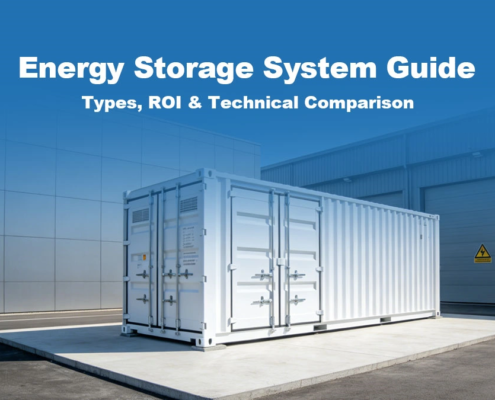 https://anengjipower.com/wp-content/uploads/2026/03/containerized-energy-storage-system-for-industrial-use.webp
675
1000
Charging Station Engineer
https://anengjipower.com/wp-content/uploads/2025/09/anengji-dc-fast-charging-station-manufacturer-and-supplier-logo-white-1.png
Charging Station Engineer2026-03-18 02:55:302026-03-18 02:56:51Energy Storage System Guide: Types, ROI & Technical Comparison
https://anengjipower.com/wp-content/uploads/2026/03/containerized-energy-storage-system-for-industrial-use.webp
675
1000
Charging Station Engineer
https://anengjipower.com/wp-content/uploads/2025/09/anengji-dc-fast-charging-station-manufacturer-and-supplier-logo-white-1.png
Charging Station Engineer2026-03-18 02:55:302026-03-18 02:56:51Energy Storage System Guide: Types, ROI & Technical Comparison https://anengjipower.com/wp-content/uploads/2026/03/containerized-energy-storage-system-industrial-park.webp
675
1000
Charging Station Engineer
https://anengjipower.com/wp-content/uploads/2025/09/anengji-dc-fast-charging-station-manufacturer-and-supplier-logo-white-1.png
Charging Station Engineer2026-03-13 09:04:512026-03-13 09:05:40What Are Commercial Energy Storage Systems?
https://anengjipower.com/wp-content/uploads/2026/03/containerized-energy-storage-system-industrial-park.webp
675
1000
Charging Station Engineer
https://anengjipower.com/wp-content/uploads/2025/09/anengji-dc-fast-charging-station-manufacturer-and-supplier-logo-white-1.png
Charging Station Engineer2026-03-13 09:04:512026-03-13 09:05:40What Are Commercial Energy Storage Systems?


Leave a Reply
Want to join the discussion?Feel free to contribute!