
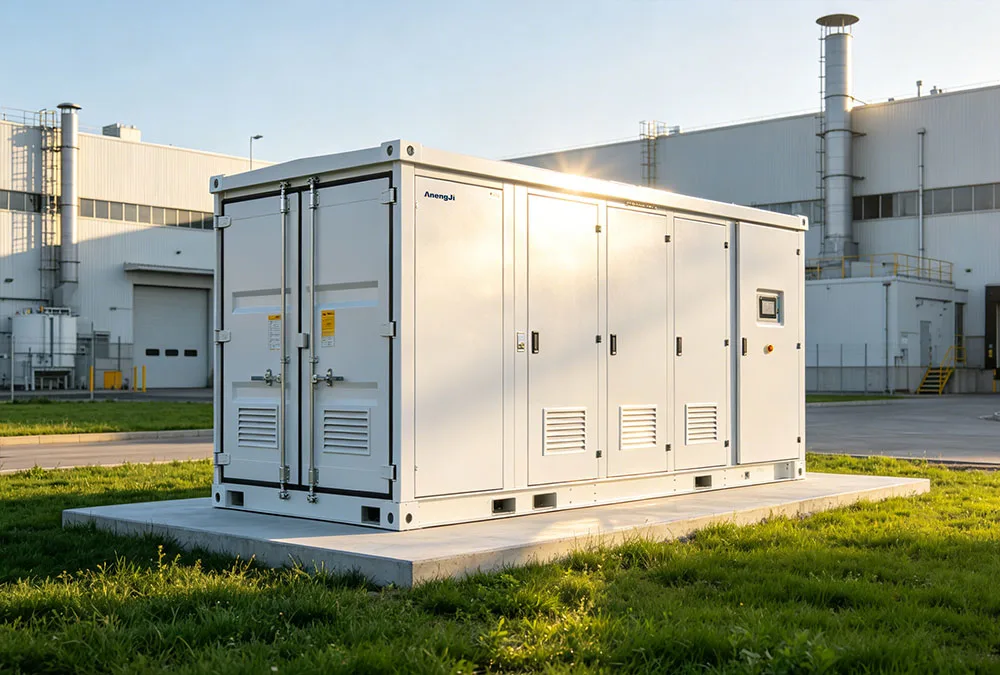
Introduction
The global shift toward decentralized energy and electrified transportation has fundamentally changed how businesses manage power. As grid volatility increases and electricity demand charges skyrocket, understanding the different types of battery energy storage systems has become a prerequisite for any modern facility manager or industrial developer. A Battery Energy Storage System (BESS) is no longer just a “giant battery”; it is a sophisticated piece of electrical infrastructure that manages the complex interplay between renewable generation, grid stability, and high-power loads like EV fast-charging hubs. By selecting the right technology, enterprises can secure energy independence, drastically reduce operational costs, and meet increasingly stringent ESG (Environmental, Social, and Governance) targets.
Why Battery Energy Storage Systems Are Critical in Modern Energy Infrastructure
The integration of a BESS into a commercial or industrial (C&I) facility serves as a “buffer” between the unpredictable utility grid and the specific needs of a business. As we move through 2026, several factors make this technology essential:
Reducing Peak Demand Charges and Electricity Costs
Utility companies often charge commercial customers based on their highest usage peak within a 15-minute window—the “demand charge.” These charges can account for up to 50% of a monthly bill. A BESS performs peak shaving, discharging stored energy during these surges to keep the grid-drawn power below a specific threshold.
Improving Grid Stability and Power Reliability
In industrial manufacturing, even a 100-millisecond voltage dip can shut down a production line, resulting in thousands of dollars in lost revenue. Modern commercial and industrial energy storage systems provide sub-millisecond response times, acting as an ultra-high-capacity UPS (Uninterruptible Power Supply).
Increasing Renewable Energy Utilization
Solar panels are most productive during the day, while many industrial processes peak in the morning or evening. Without storage, excess solar energy is often sold back to the grid at a loss. A BESS allows for “time-shifting,” storing solar energy for use during peak-rate hours.
Avoiding Expensive Grid Upgrades
If a facility needs to add 200kW of load for a new production line, the local utility may require a transformer upgrade costing six figures. A BESS can provide that 200kW “locally,” allowing the facility to expand without upgrading the utility’s infrastructure.
Enhancing EV Charging Infrastructure Capacity
The sudden surge of power required by DC fast chargers (up to 350kW) can easily overwhelm an existing electrical system. BESS technology allows for the deployment of “Buffered Charging,” where the battery provides the high-power “burst” to the vehicle while drawing a steady, low-impact current from the grid.
Types of Battery Energy Storage Systems Used Today
When evaluating types of battery energy storage systems, engineers and procurement officers must look beyond the initial price tag and consider energy density, safety, and cycle life.
What are the main types of battery energy storage systems?
Battery energy storage systems are primarily categorized into:
- Lead-acid batteries: Traditional, low-cost backup.
- Lithium-ion batteries (NMC & LFP): The dominant market leader for efficiency.
- Flow batteries: Liquid-based systems for long-duration storage.
- Sodium-sulfur (NaS) batteries: High-temperature utility-scale storage.
- Solid-state batteries: The emerging frontier of high-safety storage.
Each technology offers unique tradeoffs in terms of battery energy density and cycle life, making them suitable for different industrial applications.
Lead-Acid Battery Energy Storage Systems
Lead-acid technology is the oldest and most mature form of electrochemical storage. While often dismissed in the “high-tech” era, it remains a staple for certain industrial battery storage solutions.
Main Characteristics of Lead-Acid Batteries
Lead-acid batteries rely on a chemical reaction between lead plates and sulfuric acid. They are heavy, have a low energy density (30–50 Wh/kg), and generally offer a shorter cycle life (500–1,500 cycles at 50% Depth of Discharge).
Advantages in Energy Storage Applications
The primary advantage is low upfront cost. If a project only requires occasional emergency backup power (where the system sits idle most of the year), lead-acid is often the most cost-effective cost comparison of different battery energy storage systems choice. Furthermore, lead-acid batteries have a global recycling rate of over 98%.
Limitations in Commercial & Industrial BESS
For peak shaving and load shifting, lead-acid falls short. They cannot handle frequent “deep cycles” (discharging to 80-90%) without failing prematurely. They also require significant space and, in the case of flooded models, regular maintenance and ventilation to handle outgassing.
Ternary Lithium (NMC) Battery Energy Storage Systems
Nickel Manganese Cobalt (NMC) batteries are the high-performance athletes of the lithium ion battery energy storage system world. They are the same technology found in high-end electric vehicles like Teslas.
Core Characteristics of NMC Batteries
NMC batteries offer very high energy density, meaning they can store a massive amount of power in a small footprint. This makes them ideal for urban installations where space is at a premium.
Advantages for Energy Storage Deployment
Because they are compact, NMC-based BESS units are easy to transport and install in basements or small equipment rooms. They also offer excellent discharge power, making them suitable for the extreme surges required by EV fast charging buffering.
Limitations in Large-Scale BESS
The primary concern with NMC is thermal runaway. NMC chemistry has a lower thermal threshold than other lithium types, meaning it is more susceptible to fire if the cooling system fails. This necessitates complex and expensive fire suppression and thermal management systems.
Lithium Iron Phosphate (LFP) Battery Energy Storage Systems – Designed for Long-Term Storage
For the vast majority of best battery energy storage systems for industrial applications, Lithium Iron Phosphate (LFP) has emerged as the clear winner. This is the technology utilized in Anengji’s core industrial product line.
Key Characteristics of LFP Batteries
LFP (LiFePO4) offers a slightly lower energy density than NMC but excels in every other metric that matters to a business owner. It has a significantly higher thermal stability point, meaning it is virtually immune to the fire risks associated with traditional lithium.
Advantages in Commercial & Industrial Energy Storage
- Long Cycle Life: LFP can often handle 6,000 to 10,000 cycles at 80-90% Depth of Discharge (DoD). This results in a much lower Total Cost of Ownership (TCO) over a 10-15 year period.
- Superior Safety: According to the EPA’s battery energy storage system safety considerations [1], LFP is highly stable even under mechanical stress or high temperatures.
- High ROI: Because the battery lasts three times longer than lead-acid or NMC, the payback period on a bess project is significantly more attractive.
Best Application Scenarios
LFP is the industry standard for solar + storage integration, EV charging hubs, and large-scale industrial manufacturing plants where safety and long-term durability are the top priorities.
Flow Battery Energy Storage Systems
Flow batteries are a radical departure from traditional “solid” batteries. They store energy in liquid electrolytes kept in large external tanks.
Main Characteristics
A flow battery (such as Vanadium Redox) generates electricity by pumping these liquids through a central stack. This allows for independent power and capacity scaling. If you want more power, you build a bigger stack; if you want more capacity (more hours), you simply buy larger tanks of liquid.
Advantages & Limitations
Flow batteries are the ultimate long duration energy storage technologies. They can discharge for 10-12 hours without any degradation. However, they have a very low energy density and require complex pumps and plumbing, making them unsuitable for mobile or space-constrained projects. They are almost exclusively grid scale battery storage types.
Solid-State Battery Energy Storage Systems (Emerging Technology)
As we look toward 2026 and 2027, solid-state technology is the “holy grail” of energy storage. By replacing the liquid electrolyte with a solid ceramic or polymer, these batteries promise double the energy density and zero fire risk.
While currently in the early commercialization stage with high manufacturing costs, they represent the future of next-generation commercial storage. For now, they remain a high-cost option for niche projects.
Battery Energy Storage System Comparison – Which Type Is Best for Your Application?
To simplify the decision-making process for which battery energy storage system is best for EV charging stations or industrial plants, refer to the table below:
| Battery Type | Cycle Life (Cycles) | Safety Profile | Cost (CAPEX) | Energy Density | Best For |
| Lead-Acid | 500 – 1,500 | Moderate | Low | Low | UPS / Backup |
| Lithium NMC | 2,000 – 3,000 | Moderate | High | Very High | Space-Limited / Mobile |
| Lithium LFP | 6,000 – 10,000 | High | Medium | Moderate | C&I, Solar, EV Hubs |
| Flow Battery | 20,000+ | High | Very High | Very Low | Grid-Scale / 8hr+ |
| Sodium-Sulfur | 2,500 – 4,500 | Low (High Temp) | High | Moderate | Grid Smoothing |
| Solid-State | 5,000+ (Est.) | High | Extreme | Extreme | Future Tech |
Why We Choose Lithium Iron Phosphate (LFP) for Commercial & Industrial Energy Storage
As engineers, when we perform a lifecycle ROI analysis, LFP consistently outperforms the competition. In 2025/2026, over 70% of new grid scale battery storage types being deployed globally utilize LFP.
Safety Considerations
Safety is not negotiable in a commercial building. LFP’s chemical structure (the P-O bond) is significantly stronger than the metal-oxide bonds in NMC. This prevents oxygen release during high-heat events, which is the primary driver of battery fires.
Lifecycle ROI Analysis
We calculate the value of a system using the Levelized Cost of Storage (LCOS) formula:
LCOS = (Total Capital Cost + Total Operating Expenses) / Total Energy Discharged over Life
Because LFP offers up to 10,000 cycles, the cost per discharged kWh is often 40-60% lower than NMC, despite NMC having a similar initial purchase price.
Applications of Battery Energy Storage Systems in Commercial, Industrial & Grid Projects
EV Charging Stations
EV hubs are the most demanding application. An industrial battery storage system allows a station to offer 350kW charging even if the local transformer is only rated for 100kW. The battery “assists” the grid during the 20-minute charging window.
Manufacturing Plants
Factories use BESS for “Peak Shaving.” By discharging the battery at the start of the morning shift when machines all power up at once, the plant avoids high demand charges.
Microgrids and Off-Grid Projects
In remote areas or islands, a BESS paired with solar creates a self-sustaining microgrid, providing 24/7 power without the noise, pollution, and high fuel costs of diesel generators.
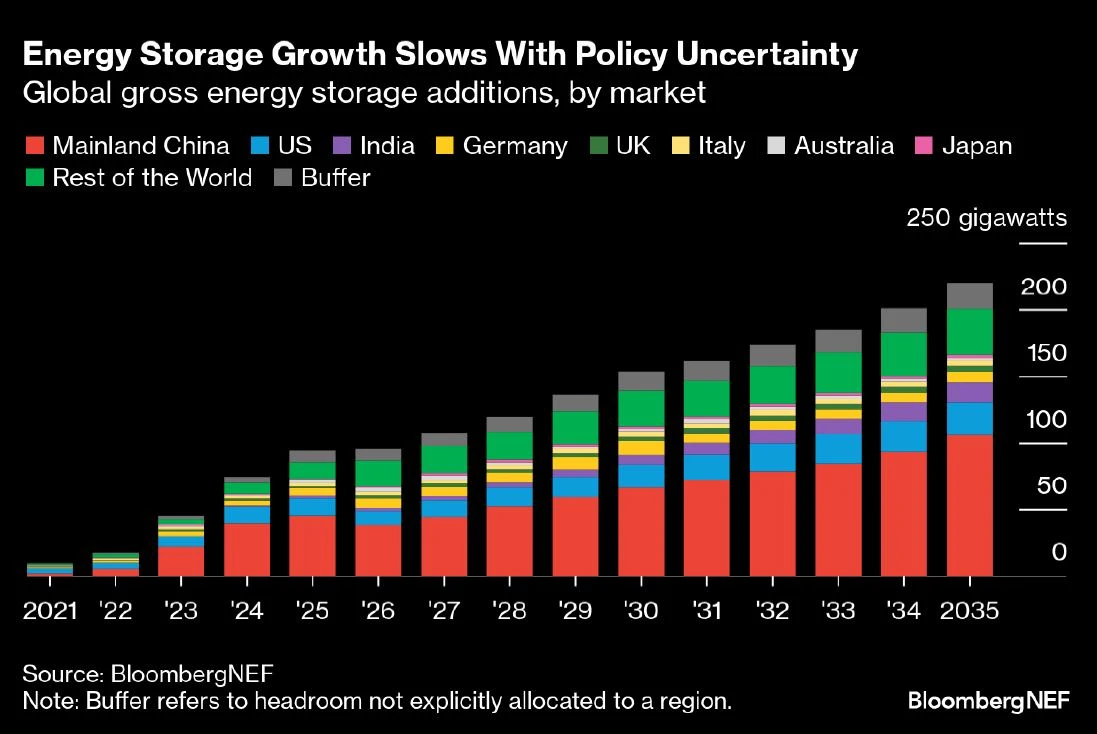
source:BloombergNEF
How to Evaluate Your Battery Energy Storage Needs?
Selecting the right solution among various types of battery energy storage systems is not a matter of “buying the biggest battery.” It requires a technical and economic audit to ensure the system delivers a high Return on Investment (ROI). For a project to move from a concept to a successful industrial BESS deployment, facility managers must evaluate their current electrical infrastructure and future goals.
1. Technical Site Assessment & Load Profiling
Before looking at lithium ion vs flow battery energy storage system comparison data, you must understand your facility’s “Load Profile.” This is a 24-hour snapshot of your power consumption.
Technical Data Collection Checklist:
| Assessment Category | Key Data Point | Why It Matters for BESS Selection |
| Peak Load (kW) | Highest instantaneous demand | Determines the Power (PCS) sizing of the BESS. |
| Daily Consumption (kWh) | Total energy used per 24h | Determines the Energy (Capacity) requirements. |
| Power Factor (PF) | Current/Voltage phase relationship | Influences whether the BESS needs to provide reactive power support. |
| Utility Rate Structure | Time-of-Use (TOU) or Flat Rate | Dictates the arbitrage potential of the system. |
| Service Voltage (V) | 480V, 11kV, 33kV, etc. | Determines the type of Transformer and PCS interface needed. |
| Physical Footprint | Available square meters/meters | Directly impacts the choice between high-density NMC or safer LFP. |
2. Economic and Goal-Based Evaluation
The best battery energy storage systems for industrial applications are those that align with your primary business objective. Use the following table to identify which “Value Stack” priority fits your facility:
BESS Goal Alignment Matrix:
| Business Objective | Primary Focus | Recommended BESS Characteristic |
| Cost Reduction | Peak Shaving / TOU Arbitrage | High cycle life (LFP), high round-trip efficiency. |
| Resilience & Backup | UPS / Islanding Mode | Fast response time (Lithium), high discharge rate (C-rating). |
| Renewable Integration | Self-Consumption of Solar | Integrated EMS with weather-prediction capabilities. |
| Infrastructure Deferral | Grid Support / Voltage Stability | High power output (PCS) vs. moderate energy capacity. |
| Sustainability (ESG) | Zero-Emission Operations | Low environmental impact, ease of recycling (LFP or Sodium-ion). |
3. Step-by-Step Selection Logic for Decision Makers
To determine which battery energy storage system is best for EV charging stations or manufacturing plants, follow this logic flow based on the technical data gathered above:
Determine Discharge Duration: * If you need power for < 4 hours (Peak Shaving): Lithium-ion (LFP) is the standard.
If you need power for > 8 hours (Long Duration): Flow Batteries become a viable cost comparison alternative.
Analyze Environmental Constraints:
- Outdoor installation in extreme heat: Liquid-cooled LFP systems are mandatory.
- Indoor installation in tight spaces: NMC offers higher energy density, but requires advanced fire suppression.
Calculate the Required C-Rating:
C-Rating = Power Output (kW) / Energy Capacity (kWh)- Example: A 100kW PCS with a 200kWh battery is a 0.5C system, ideal for steady peak shaving.
ROI & Payback Period: The Financial Heart of the Evaluation
A professional BESS project evaluation must include a transparent look at the cost comparison of different battery energy storage systems. While the CAPEX (initial investment) is important, the OPEX (operating expenses) and lifecycle performance define the true value.
The ROI Calculation Formula
To estimate the payback period for a commercial system, use the following text-based formula which can be easily adapted into a financial spreadsheet:
Simple Payback Period (Years) = Total System CAPEX / (Annual Demand Charge Savings + Annual Arbitrage Profit + Ancillary Service Revenue)
Example Calculation for an Industrial Facility:
- Total CAPEX: $150,000
- Annual Demand Charge Savings: $35,000
- Annual Energy Arbitrage Profit: $8,000
- Total Annual Benefit: $43,000
- Payback Period:
150,000 / 43,000 = 3.48 Years
In 2026, with electricity prices projected to rise by another 5-8% globally, the payback period for industrial battery storage solutions is trending toward sub-3-year marks in high-tariff regions like California, Germany, and Southeast Asia.
Key Factors to Consider When Selecting a Battery Energy Storage System
Beyond the battery chemistry itself, the integration of sub-systems is what ensures a 15-year operational life.
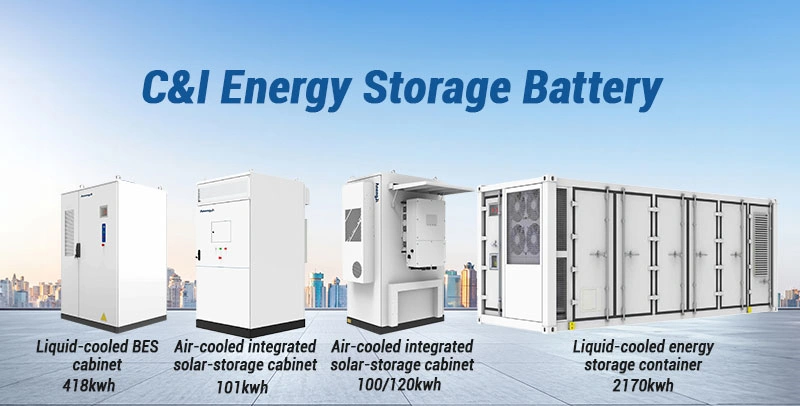
Thermal Management: Liquid Cooling vs. Air Cooling
When evaluating types of battery energy storage systems for commercial use, pay close attention to the cooling method.
- Air Cooling: Uses high-velocity fans. It is cheaper initially but leads to uneven cell aging and lower energy density.
- Liquid Cooling: Uses a glycol-based coolant loop. It maintains cell temperature variance within 2°C, which is critical for lithium ion battery energy storage system longevity, especially during high-power EV charging events.
Compliance with Global Safety Standards (E-E-A-T Focus)
As highlighted by the EPA’s technical reports [1], safety in BESS is not just about fire suppression; it’s about prevention. Ensure your chosen system meets:
- UL 9540A: Large-scale fire testing for BESS.
- IEC 62619: Safety requirements for secondary lithium cells in industrial applications.
- IEEE 1547: Standard for interconnecting distributed energy resources with the grid.
Choosing the Right Commercial & Industrial Battery Energy Storage System
Modular vs. Containerized Systems
For most small-to-medium enterprises, Modular All-in-One Cabinets (like the Anengji ECO-215 series) offer the best balance. They include the battery, BMS, PCS, and fire suppression in a single footprint. For utility-scale projects, 20ft Containerized Systems provide the necessary megawatt-hour scale.
Integrated PCS vs. External PCS
An Integrated PCS simplifies the installation process. By housing the power conversion electronics within the battery enclosure, you reduce DC cabling losses and simplify site commissioning—a key factor in reducing the overall cost of battery energy storage systems.
Upgrade Your Energy Strategy with Anengji Solutions
At Anengji, we recognize that every industrial load profile is unique. Our expertise in integrated solar-storage-charging solutions allows us to provide more than just hardware; we provide a calibrated energy asset.
Why Anengji LFP Systems Stand Out:
- 10,000 Cycle Design Life: Utilizing Grade-A LFP cells for maximum ROI.
- Advanced AI-EMS: Our energy management system uses machine learning to predict peak loads and optimize discharge timing.
- Global Certification Ready: Fully compliant with UL, CE, and regional standards like SIRIM for Malaysia or ST requirements.
Summary – Types of Battery Energy Storage Systems Explained
Navigating the various types of battery energy storage systems is about matching technical capability with economic reality.
Final Decision Checklist:
- Safety Priority: Choose LFP.
- Space Constraint: Consider NMC.
- 10+ Hour Duration: Look at Flow Batteries.
- Tight Budget / Low Use: Lead-Acid remains an option for simple backup.
As the energy landscape of 2026 evolves, a BESS is the most powerful tool a business has to turn a volatile utility expense into a predictable, manageable asset.
Technical References & Data Sources:
[1] EPA (2025): Main Considerations for Safe Battery Energy Storage
[2] BloombergNEF (2026): Energy Storage Price Survey – LFP vs Sodium-ion Transition.
[3] UL Solutions: UL9540A Testing and Industrial Safety Standards for 2026.
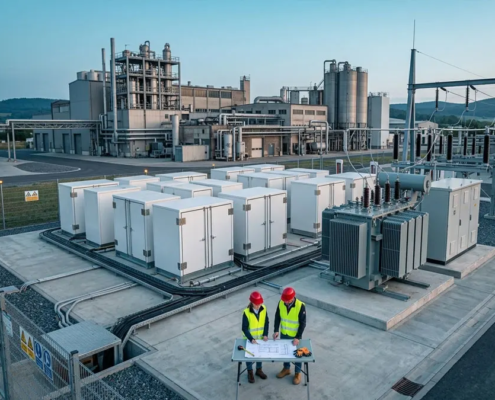 https://anengjipower.com/wp-content/uploads/2026/09/AnengJipower-European-BESS-Project-Design-Environment-1.webp
675
1000
Charging Station Engineer
https://anengjipower.com/wp-content/uploads/2025/09/anengji-dc-fast-charging-station-manufacturer-and-supplier-logo-white-1.png
Charging Station Engineer2026-09-24 09:05:462026-09-24 09:08:39Battery Energy Storage System Design Guide for Europe
https://anengjipower.com/wp-content/uploads/2026/09/AnengJipower-European-BESS-Project-Design-Environment-1.webp
675
1000
Charging Station Engineer
https://anengjipower.com/wp-content/uploads/2025/09/anengji-dc-fast-charging-station-manufacturer-and-supplier-logo-white-1.png
Charging Station Engineer2026-09-24 09:05:462026-09-24 09:08:39Battery Energy Storage System Design Guide for Europe https://anengjipower.com/wp-content/uploads/2026/09/anengjipower-How-BESS-Power-and-Energy-Shape-Storage-Duration.webp
675
1000
Charging Station Engineer
https://anengjipower.com/wp-content/uploads/2025/09/anengji-dc-fast-charging-station-manufacturer-and-supplier-logo-white-1.png
Charging Station Engineer2026-09-23 09:06:532026-09-23 09:08:02BESS Duration Guide: How to Choose 1, 2 or 4 Hours
https://anengjipower.com/wp-content/uploads/2026/09/anengjipower-How-BESS-Power-and-Energy-Shape-Storage-Duration.webp
675
1000
Charging Station Engineer
https://anengjipower.com/wp-content/uploads/2025/09/anengji-dc-fast-charging-station-manufacturer-and-supplier-logo-white-1.png
Charging Station Engineer2026-09-23 09:06:532026-09-23 09:08:02BESS Duration Guide: How to Choose 1, 2 or 4 Hours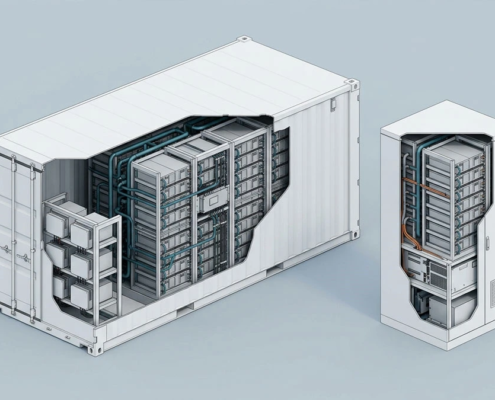 https://anengjipower.com/wp-content/uploads/2026/09/AnengJIPower-Cabinet-vs-Containerized-BESS-3D-Isometric-Structural-Cutaway.webp
675
1000
Charging Station Engineer
https://anengjipower.com/wp-content/uploads/2025/09/anengji-dc-fast-charging-station-manufacturer-and-supplier-logo-white-1.png
Charging Station Engineer2026-09-18 07:19:042026-09-18 07:19:38Cabinet vs Containerized BESS: How to Choose for Large C&I
https://anengjipower.com/wp-content/uploads/2026/09/AnengJIPower-Cabinet-vs-Containerized-BESS-3D-Isometric-Structural-Cutaway.webp
675
1000
Charging Station Engineer
https://anengjipower.com/wp-content/uploads/2025/09/anengji-dc-fast-charging-station-manufacturer-and-supplier-logo-white-1.png
Charging Station Engineer2026-09-18 07:19:042026-09-18 07:19:38Cabinet vs Containerized BESS: How to Choose for Large C&I


Leave a Reply
Want to join the discussion?Feel free to contribute!