
Introduction
In 2026, the global shift toward electrification and the decentralization of power grids have made energy management a top priority for businesses. As power volatility increases and demand charges rise, commercial energy storage systems have transitioned from niche sustainability projects to essential financial assets.
According to the BloombergNEF (BNEF) 2026 Storage Outlook, the global benchmark cost for battery storage projects has plummeted to record lows, making the adoption of a commercial battery storage solution more accessible than ever. For any facility—be it a manufacturing plant, a shopping center, or an EV charging hub—understanding the mechanics, costs, and benefits of these systems is the first step toward long-term energy independence.
What Are Commercial Energy Storage Systems and How Do They Work?
Definition of Commercial Energy Storage Systems
A commercial energy storage system (C&I BESS) is a high-capacity electrochemical infrastructure used by businesses to capture and store electricity for later use. Unlike small-scale residential batteries, a C&I energy storage system is engineered for industrial-grade loads, typically ranging from 100kWh to several megawatt-hours (MWh). These systems act as a “Behind-the-Meter” (BTM) energy reservoir, allowing companies to control their electricity flow independently of grid fluctuations.
How Commercial Battery Energy Storage Systems Store and Release Energy
The core functionality of a commercial electricity storage system revolves around a sophisticated charge-and-dispatch logic designed to maximize financial savings:
- Low-Cost Charging: The system draws power from the grid during “off-peak” hours—typically at night or during periods of high renewable generation—when electricity prices are at their lowest.
- High-Value Discharging: During “peak hours” when utility rates are highest or when building demand exceeds a certain threshold, the system discharges its stored energy. This process, fundamentally known as peak shaving battery storage, ensures the facility draws less expensive power from the grid during the most costly times of the day.
Key Components of Commercial Energy Storage Systems
A modern commercial battery energy storage system is not just a collection of batteries; it is a highly integrated ecosystem of four primary components:
- Battery System: The chemical core where energy is physically housed.
- Power Conversion System (PCS): The bi-directional inverter that converts AC power from the grid to DC for the battery, and vice versa.
- Battery Management System (BMS): The digital overseer that ensures cell safety and longevity.
- Energy Management System (EMS): The intelligent controller that dictates when to charge and discharge based on market price signals.
Key Components of Commercial Battery Energy Storage Systems
Lithium Battery Systems Used in Commercial Energy Storage
In the current 2026 market, commercial lithium battery storage is dominated by two primary chemistries:
- LFP (Lithium Iron Phosphate): By far the most popular choice for industrial and commercial energy storage. LFP batteries offer superior thermal stability, a longer cycle life (often exceeding 10,000 cycles), and a lower cost profile compared to other lithium-ion variants.
- NMC (Nickel Manganese Cobalt): While offering higher energy density, NMC is increasingly reserved for mobile applications or space-constrained urban environments due to its higher cost and more complex thermal management requirements.
Power Conversion System (PCS) in Commercial Energy Storage Systems
The PCS is the “heart” of the system, responsible for:
- Bi-directional Conversion: Seamlessly switching between AC and DC power.
- Grid Interaction: Synchronizing the battery’s output with the grid’s frequency and voltage.
- Power Quality: Correcting power factors and mitigating voltage sags, which is crucial for sensitive industrial machinery.
Battery Management System (BMS) in Commercial Energy Storage Systems
Safety and efficiency rely on the BMS. It performs three critical functions:
- State Monitoring: Tracking voltage, current, and temperature at the individual cell level.
- Safety Protection: Automatically isolating racks in the event of a thermal anomaly to prevent fire propagation.
- Cell Balancing: Ensuring all cells age uniformly, which is vital for maintaining the system’s capacity over a 15-year lifespan.
Energy Management System (EMS) for Commercial Energy Storage
A commercial energy management system (EMS) serves as the “brain.” Modern EMS platforms use AI to predict tomorrow’s energy prices and the facility’s load patterns. By using these predictions, the EMS can automate “Value Stacking”—performing peak shaving while simultaneously earning revenue through grid frequency response programs.
Benefits of Commercial Energy Storage Systems for Businesses
Peak Shaving with Commercial Battery Storage
“Demand Charges” often account for 30% to 50% of an industrial electricity bill. These charges are based on the highest 15-minute peak of power usage in a month. By using a battery to supply power during these spikes, businesses can significantly lower their monthly fixed utility costs.
Lower Electricity Costs Using Commercial Energy Storage
Through energy arbitrage, businesses buy low-cost electricity at night and use it during high-priced daytime hours. In regions with high price volatility, this simple “buy low, use high” strategy can save thousands of dollars annually.
Backup Power and Energy Reliability
For data centers or automated factories, even a 500ms voltage sag can cause catastrophic downtime. A microgrid energy storage system provides seamless, millisecond-level transition to battery power, ensuring that mission-critical operations never stop during grid failures.
Renewable Energy Integration with Commercial Energy Storage Systems
Solar panels produce the most energy during midday when demand might be low. By integrating commercial solar battery storage, businesses can “bank” their own clean energy for use during the evening peak, maximizing the ROI of their solar investment.
Applications of Commercial Energy Storage Systems
Commercial Energy Storage for Factories and Industrial Facilities
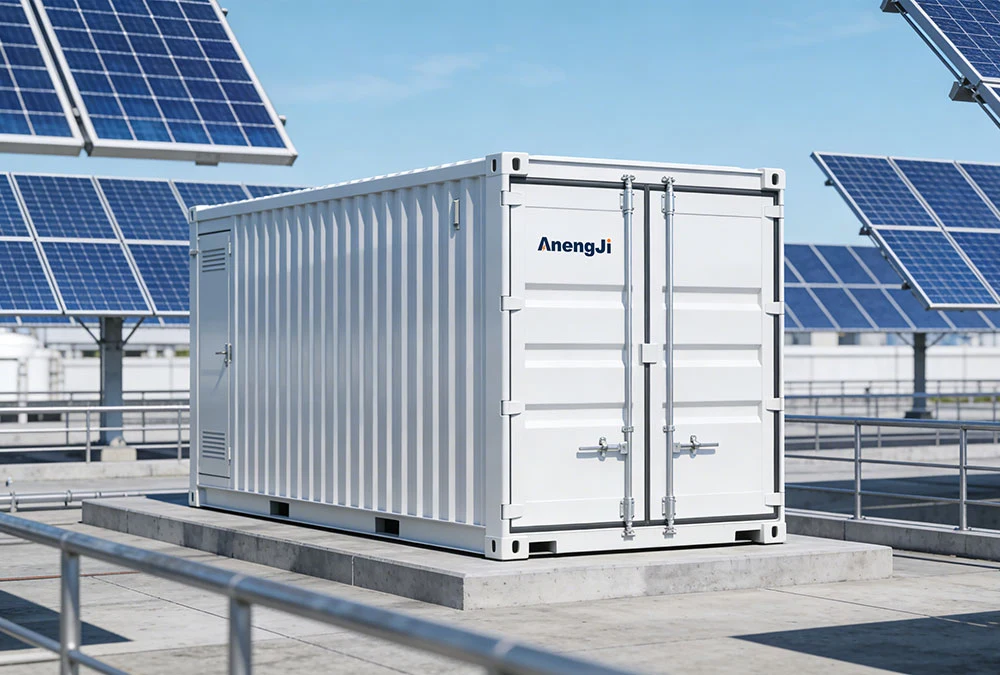
Manufacturing facilities use storage to handle high inrush currents from heavy motors. A containerized energy storage system placed on-site can provide the necessary power “bursts” without overwhelming the local grid transformer.
Commercial Energy Storage for Office Buildings and Shopping Centers
Modern commercial buildings utilize solar battery storage for commercial buildings to achieve LEED certifications and manage the heavy cooling loads typical of summer afternoons.
Solar + Commercial Battery Energy Storage Systems
This “Hybrid” approach is the fastest-growing sector in 2026. By coupling solar with a commercial battery storage project, businesses can decouple their operations from the grid, potentially achieving 80% to 90% energy self-sufficiency.
EV Charging Stations with Commercial Energy Storage
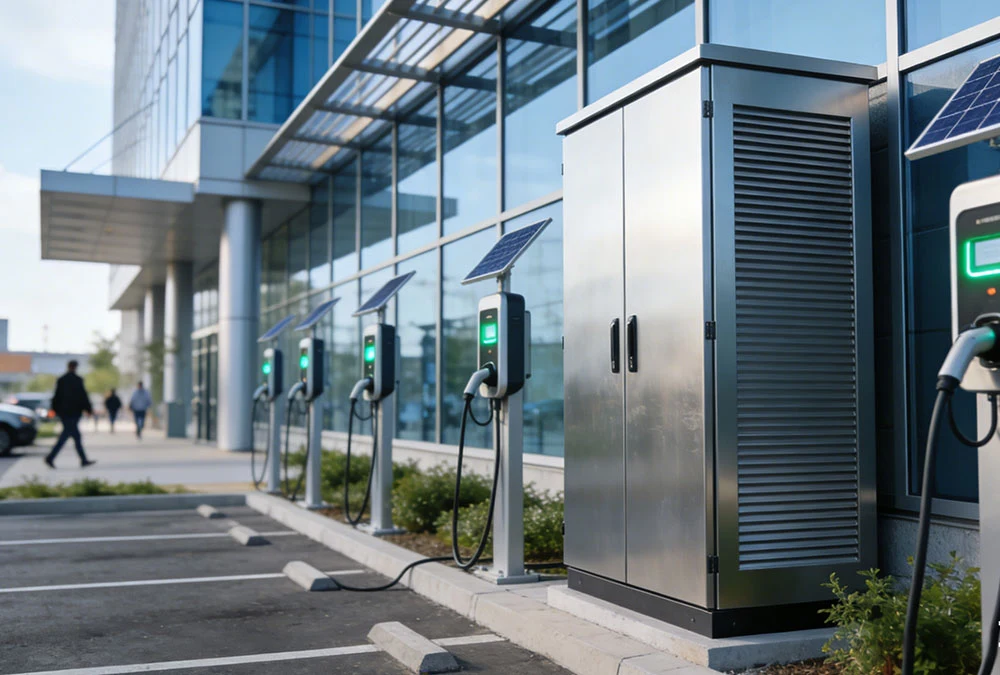
Ultra-fast EV chargers (350kW+) can exceed the capacity of many commercial electrical connections. Instead of paying for a $500,000 grid upgrade, businesses can use a BESS to act as a “power buffer,” charging at a low rate and discharging at a high rate when a vehicle plugs in.
Commercial Energy Storage System Cost and ROI
Average Commercial Energy Storage Cost per kWh
In 2026, costs have stabilized due to improved supply chains and standardized manufacturing.
| Component | Cost per kWh (Installed – 2026 Avg) | Notes |
| LFP Battery Modules | $140 – $210 | Core hardware cost |
| PCS & Balance of Plant | $60 – $90 | Inverters, cabling, and HVAC |
| Installation & Soft Costs | $80 – $150 | Engineering, permits, and labor |
| Total Turnkey Cost | $280 – $450 | Varies by system size and site |
Return on Investment of Commercial Battery Energy Storage
Most commercial battery energy storage systems achieve a payback period of 4.5 to 6 years. ROI is driven by three main factors:
- Demand Charge Savings: Reducing the “Peak” kW fee from the utility.
- TOU Arbitrage: Savings from the price difference between night and day electricity.
- Incentives: Federal and local tax credits (such as the ITC in the US) can cover up to 30% or more of the initial CAPEX.
Example: 500kWh and 1MWh Commercial Energy Storage Systems
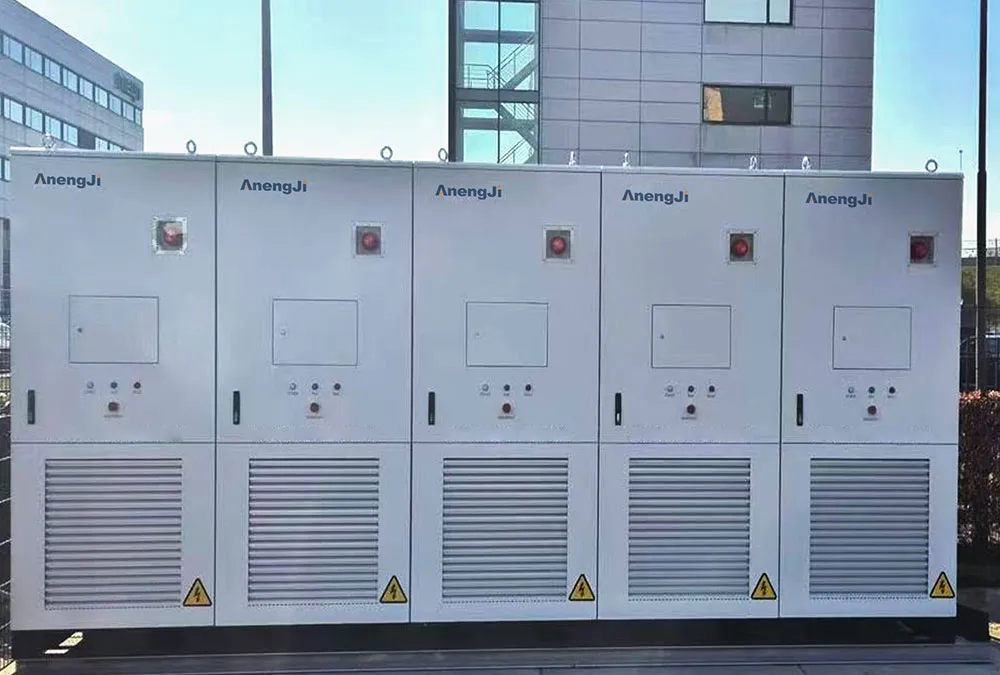
- 500kWh System: Ideal for retail stores or mid-sized offices. Often fits into a compact outdoor cabinet.
- 1MWh System: The standard “building block” for industrial sites, usually housed in a 20ft container. This size is typically the threshold where businesses start seeing the highest Internal Rate of Return (IRR).
How to Choose Commercial Energy Storage System Suppliers
Evaluating Commercial Energy Storage Manufacturers
When selecting a supplier, look for “Bankability.” Leading manufacturers such as Tesla, BYD, and CATL provide systems that are easily insurable and have proven long-term performance data. Specialized integrators like AnengJi often provide more flexible EMS software that integrates better with local facility controls.
Certifications and Safety Standards for Commercial Energy Storage
Safety is the most critical evaluation metric. Ensure your system carries:
- UL 9540: Standard for the entire energy storage system.
- UL 9540A: Large-scale fire test report (mandatory for most insurance providers).
- IEC 62619: International safety requirements for secondary lithium cells and batteries.
Warranty, Lifecycle, and Maintenance
A standard 2026 warranty should offer 10 to 15 years of coverage. Pay close attention to the “End-of-Life” (EOL) capacity guarantee—typically 70% of the original nameplate capacity after 10 years or a specific number of cycles (e.g., 6,000 to 10,000 cycles).
FAQ: Commercial Energy Storage Systems
What are commercial energy storage systems?
Commercial energy storage systems are large-scale battery systems that store electricity for businesses. They are primarily used for reducing utility costs, providing backup power, and managing the integration of solar energy into a facility’s operations.
How do commercial energy storage systems work?
They operate by charging batteries when electricity demand or prices are low and discharging that power when demand or prices are high, managed by an intelligent Energy Management System (EMS).
What are the main components of a commercial energy storage system?
The four main components are the battery packs (usually LFP), the Power Conversion System (PCS), the Battery Management System (BMS), and the Energy Management System (EMS).
How much do commercial energy storage systems cost?
As of 2026, turnkey systems typically cost between $280 and $450 per kWh. Smaller systems have a higher per-kWh cost, while large MWh-scale installations benefit from economies of scale.
What are the benefits of commercial battery energy storage?
The core benefits include lowering peak demand charges, providing energy reliability during outages, enabling the use of renewable energy after sunset, and supporting high-power EV charging infrastructure.
Ready to future-proof your business’s energy strategy?
Navigating the complexities of commercial energy storage systems requires a deep understanding of your facility’s unique load profile. Would you like us to conduct a complimentary energy audit and ROI analysis for your facility based on your current utility bills?
 https://anengjipower.com/wp-content/uploads/2026/03/romania-3-5mw-industrial-bess-pcs-array.webp
675
1000
Charging Station Engineer
https://anengjipower.com/wp-content/uploads/2025/09/anengji-dc-fast-charging-station-manufacturer-and-supplier-logo-white-1.png
Charging Station Engineer2026-03-06 17:30:032026-03-06 09:27:24Romania 3.5MW/7.3MWh Industrial Energy Storage: High-Capacity Grid Integration
https://anengjipower.com/wp-content/uploads/2026/03/romania-3-5mw-industrial-bess-pcs-array.webp
675
1000
Charging Station Engineer
https://anengjipower.com/wp-content/uploads/2025/09/anengji-dc-fast-charging-station-manufacturer-and-supplier-logo-white-1.png
Charging Station Engineer2026-03-06 17:30:032026-03-06 09:27:24Romania 3.5MW/7.3MWh Industrial Energy Storage: High-Capacity Grid Integration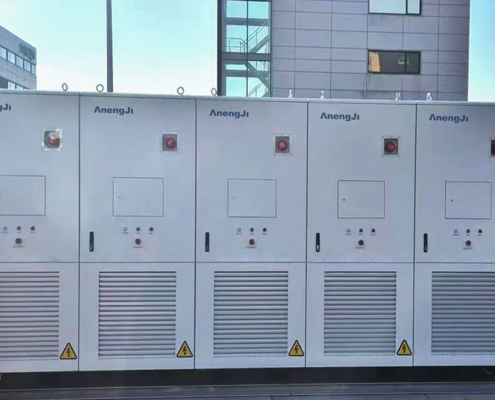 https://anengjipower.com/wp-content/uploads/2026/03/new-zealand-500kw-industrial-bess-outdoor-installation.webp
675
1000
Charging Station Engineer
https://anengjipower.com/wp-content/uploads/2025/09/anengji-dc-fast-charging-station-manufacturer-and-supplier-logo-white-1.png
Charging Station Engineer2026-03-06 07:28:092026-03-06 07:28:31New Zealand BESS: 500kW/1165kWh Frequency Regulation Solution
https://anengjipower.com/wp-content/uploads/2026/03/new-zealand-500kw-industrial-bess-outdoor-installation.webp
675
1000
Charging Station Engineer
https://anengjipower.com/wp-content/uploads/2025/09/anengji-dc-fast-charging-station-manufacturer-and-supplier-logo-white-1.png
Charging Station Engineer2026-03-06 07:28:092026-03-06 07:28:31New Zealand BESS: 500kW/1165kWh Frequency Regulation Solution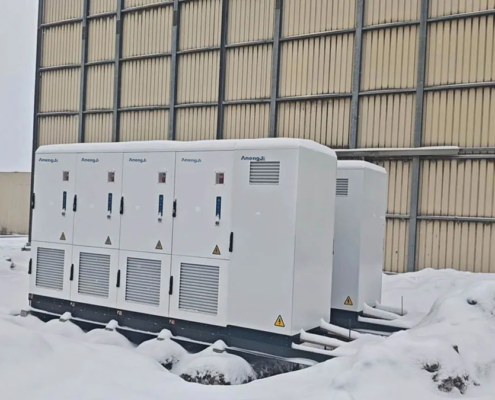 https://anengjipower.com/wp-content/uploads/2026/03/Ukraine-1MW2MWh-battery-energy-storage-system-installation.webp
675
1000
Charging Station Engineer
https://anengjipower.com/wp-content/uploads/2025/09/anengji-dc-fast-charging-station-manufacturer-and-supplier-logo-white-1.png
Charging Station Engineer2026-03-06 07:05:042026-03-06 07:21:46Ukraine 1MW/2MWh Energy Storage: 20ms Seamless Backup for Industrial Resilience
https://anengjipower.com/wp-content/uploads/2026/03/Ukraine-1MW2MWh-battery-energy-storage-system-installation.webp
675
1000
Charging Station Engineer
https://anengjipower.com/wp-content/uploads/2025/09/anengji-dc-fast-charging-station-manufacturer-and-supplier-logo-white-1.png
Charging Station Engineer2026-03-06 07:05:042026-03-06 07:21:46Ukraine 1MW/2MWh Energy Storage: 20ms Seamless Backup for Industrial Resilience


Leave a Reply
Want to join the discussion?Feel free to contribute!