
Introduction
As the global energy transition accelerates, an increasing number of enterprises, manufacturing plants, logistics parks, and public utilities are investing in large-scale solar photovoltaic systems to secure energy independence and mitigate volatile electricity prices. However, executing a multi-megawatt solar installation demands deep technical acumen across diverse disciplines, including high-voltage electrical engineering, civil structural analysis, international supply chain logistics, and complex grid-interconnection regulatory compliance. For most project developers and asset owners, managing these fragmented phases independently introduces prohibitive financial and operational risks. This is precisely why the Solar EPC framework has emerged as the definitive global industry standard for large-scale renewable energy deployment.
By partnering with a top-tier Solar EPC Company, asset owners effectively mitigate these systemic risks. The engineering, procurement, and construction (EPC) model consolidates every single phase of a solar lifecycle under one unified contract. From initial geotech site assessments and rigorous technical string configurations to global component procurement, physical construction, and high-voltage grid synchronization, a comprehensive Solar EPC partner guarantees a seamless path to operational readiness. This guide delivers an exhaustive analysis of the architectural layers, structural economics, and execution frameworks of professional Solar EPC Services, empowering institutional investors and corporate energy directors to maximize their clean energy portfolios.
What Is Solar EPC?
Solar EPC Definition
In the utility-scale and commercial energy sectors, Solar EPC stands for Engineering, Procurement, and Construction. It is a highly specialized, turnkey project delivery mechanism where a single entity is contractually obligated to design, source, build, and commission a solar photovoltaic power plant, delivering a fully operational facility to the owner at a fixed price and within a strict timeframe.
- Engineering: Multi-disciplinary architectural layout, computational string mapping, structural wind-load analysis, single-line electrical diagrams, and grid-connection simulation modeling.
- Procurement: Global sourcing and supply chain management of tier-1 components, including Tier-1 PV modules, utility-grade string or central inverters, structural mounting racks, medium-to-high voltage transformers, and balance-of-system (BOS) electrical hardware.
- Construction: Physical site mobilization, civil earthworks, foundation driving, tracker/rack installation, mechanical panel mounting, high-voltage DC/AC cabling, substation construction, and utility interconnection.
What Does a Solar EPC Company Do?
A professional Solar EPC Company acts as the central technology integrator and prime contractor. Rather than acting simply as a construction manager, they provide deep technical expertise to optimize the Levelized Cost of Energy (LCOE) over the plant’s 25-to-30-year operational life. Their scope covers everything from initial feasibility studies and environmental permitting to SCADA system integration, power quality testing, and comprehensive operations and maintenance (O&M) handovers.
Solar EPC Example
“Through hiring a reputable solar EPC company, the factory ensured a smooth transition to renewable energy from initial design to final commissioning.”
Why Is Solar EPC Important for Modern Solar Projects?
Reducing Project Complexity
Modern commercial and utility solar assets are incredibly complex, capital-intensive infrastructures. A typical Utility Scale Solar EPC project involves coordinating thousands of structural components, kilometers of medium-voltage underground cabling, communication links, and complex protection relays. By leveraging a turnkey model, asset owners avoid managing dozens of independent sub-contractors, which eliminates costly finger-pointing and scheduling conflicts.
Lowering Technical and Financial Risks
A Tier-1 Solar EPC Contractor carries the financial and performance risks associated with execution. They provide strict performance guarantees, including guaranteed block power output ratings, strict system efficiency ratios (Performance Ratio or PR), and fixed commercial operation dates (COD). If the system underperforms or experiences construction delays, contractually enforced liquidated damages insulate the asset owner from financial loss.
Accelerating Time-to-Operation
In large-scale solar deployment, time is money. Delays in grid synchronization delay your return on investment and can lead to costly power purchase agreement (PPA) penalties. Professional EPC execution relies on parallel-track project management. While the engineering team secures municipal and grid permits, the procurement team secures factory production slots, and civil crews begin site grading. This synchronized workflow significantly shortens the time to commercial operation.
The Importance of Solar EPC in Today’s Energy Landscape
Supporting Global Renewable Energy Expansion
According to international energy transition roadmaps published in late 2025 and early 2026, global solar installations must expand at an unprecedented compound annual growth rate (CAGR) to meet urgent climate goals and corporate Scope 1 and Scope 2 decarbonization mandates. Sophisticated Renewable Energy EPC frameworks provide the scalable engineering standards and industrial execution speeds required to bring hundreds of gigawatts of clean capacity online securely and reliably every year.
Enabling Commercial and Industrial Solar Adoption
As commercial electricity tariffs hit record highs globally, industrial manufacturing bases, massive cold-storage logistics hubs, and hyperscale data centers are adopting large-scale onsite generation. These deployments generally fall into three distinct architectural categories:
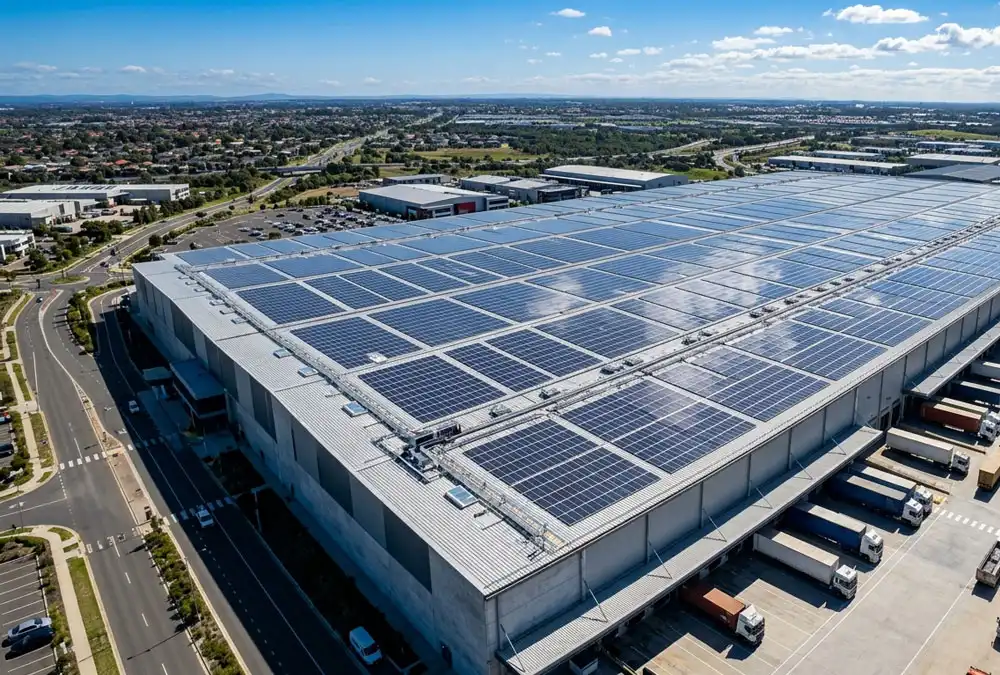
- Rooftop Solar: Utilizing expansive warehouse or factory building envelopes for structural ballasted or penetrative PV arrays, transforming idle roof space into cost-saving power generation assets.
- Ground-Mounted Solar: Utilizing adjacent industrial land tracts to deploy fixed-tilt or single-axis tracking systems engineered for maximum annual energy yield per acre.
- Solar + Battery Storage: Integrating intelligent behind-the-meter battery systems to store surplus midday solar generation for discharge during high-tariff peak evening periods, creating a highly resilient energy profile.
Key Advantages of the EPC Model
- Single Point of Responsibility: One contract covers everything, shielding the owner from complex cross-vendor liability disputes.
- Better Cost Control: Bulk volume procurement discounts on tier-1 modules and equipment are passed directly to the project owner, keeping costs predictable.
- Faster Project Delivery: Streamlined, standardized workflows and experienced field engineering dramatically accelerate civil and electrical installation timelines.
- Higher System Reliability: Unified engineering and execution teams ensure that what is designed in the CAD models perfectly matches what is built in the field, minimizing structural and electrical faults.
- Easier Project Management: Owners can focus entirely on their core business operations while receiving clear, structured milestone reports from a single dedicated project manager.
Solar EPC Services and Applications
Commercial Solar Projects
Commercial Solar EPC demands minimal disruption to ongoing business operations, rigorous adherence to fire safety regulations, and precise structural roof-load calculations. These installations serve commercial offices, high-density retail malls, medical complexes, and luxury hospitality properties, optimizing daylight power consumption to lower corporate operational expenses (OpEx).
Industrial Solar Installations
Industrial Solar EPC operates on a far larger scale, dealing with heavy power consumers like heavy manufacturing foundries, chemical processors, automotive assembly lines, and vast logistics hubs. These projects often require sophisticated integration with existing medium-voltage distribution infrastructure and specialized harmonic filtering to protect sensitive facility machinery from voltage fluctuations.
Utility-Scale Solar Power Plants
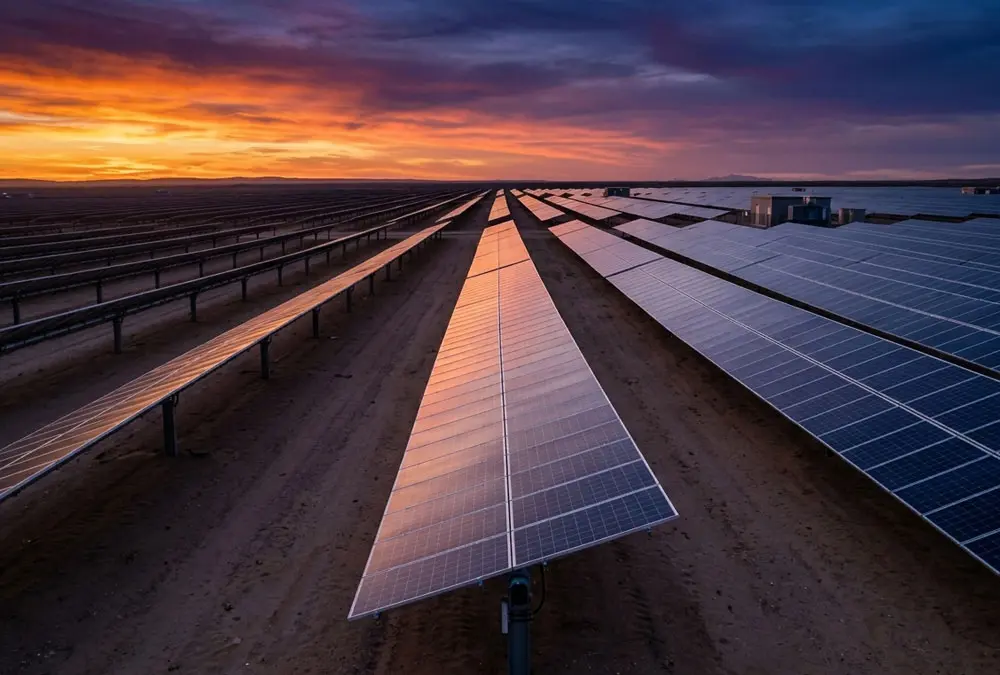
A Solar Power Plant EPC specialist operates in the multi-megawatt and gigawatt arena. These utility-scale installations require extensive civil land development, long-distance high-voltage transmission line engineering, substation construction, and compliance with rigid grid-code stability parameters set by regional transmission operators (RTOs).
Solar + Battery Storage Projects
As grid penetration from intermittent renewables rises, modern energy networks increasingly require Solar Plus Storage Solutions. Integrating utility-grade Battery Energy Storage Systems (BESS) allows facilities to engage in peak-shaving, capture load-shifting arbitrage, participate in rapid frequency regulation markets, and secure robust backup power during grid blackouts.
Key Components of the Solar EPC Process
Phase 1 – Project Planning and Development
Every successful project begins with detailed site diligence. This includes geotech core drilling for ground mounts, structural concrete scanning for roofs, and localized environmental impact studies. Engineers perform solar irradiance simulations using advanced software tools like PVSyst to calculate expected annual energy yields, model shading losses, and establish precise investment return projections.
Phase 2 – Solar Engineering Design
During this stage, electrical engineers determine the ideal string configurations, layout optimization, DC-to-AC overloading ratios, and inverter capacity sizing. Structural engineers design the mounting systems to withstand local 50-year extreme wind and seismic hazards, while substation engineers design the grid interconnection interface, protection relays, and SCADA monitoring networks.
Phase 3 – Procurement and Supply Chain Management
The procurement team manages the acquisition of high-value equipment. They handle everything from negotiating volume pricing with global Tier-1 PV module OEMs and evaluating smart tracking systems to securing long-lead items like high-voltage step-up transformers, sub-distribution panels, weather stations, and certified zero-halogen outdoor solar cabling.
Phase 4 – Construction and Installation
Once permits are issued, heavy civil teams begin site grading, trenching for underground DC/AC cables, and driving structural mounting piles. Mechanical crews assemble the racking structures and secure the glass modules, while specialized electrical teams handle string wiring, combiner box termination, inverter station placement, and high-voltage substation integration, all under strict safety standards.
Phase 5 – Testing and Commissioning
Before a plant goes live, it undergoes a rigorous commissioning protocol. Technicians perform insulation resistance testing (meggering), string open-circuit voltage tests ($V_{oc}$), short-circuit current verifications ($I_{sc}$), and infrared thermal imaging to catch any micro-cracks or hot spots. Finally, grid-compliance tests are run to verify anti-islanding protection and power factor controls before regional utility clearance is granted.
Phase 6 – Operations and Maintenance (O&M)
The job doesn’t end at commissioning. To protect long-term assets, companies deploy 24/7 remote monitoring software linked to automated fault-detection systems. Field teams perform preventive maintenance, including regular string IV-curve tracing, transformer oil sampling, structural bolt re-torqueing, and robotic solar panel washing to minimize dust accumulation losses.
Benefits of Choosing a Solar EPC Contractor
Choosing a comprehensive Turnkey Solar Solutions provider shifts the technical and logistical burden away from the asset owner. It guarantees that the entire system architecture is optimized for maximum energy output. Rather than dealing with a disjointed mix of developers, equipment distributors, and local residential installers, owners get an institutional-grade partner who ensures that every component—from the silicon wafers to the utility-grid interconnect—works in perfect harmony.
Solar EPC Cost Structure Explained
To provide clear visibility into project economics, the typical capital expenditure (CapEx) breakdown for an institutional-grade 10MW commercial or utility solar project is outlined below:
| Cost Category | Typical CapEx % Allocation | Primary Core Deliverables & Equipment Included |
|---|---|---|
| Engineering & Design | 4% – 7% | Geotechnical surveys, structural calculations, structural design, electrical engineering, PVSyst output forecasting, and interconnection modeling. |
| Equipment Procurement (BOS) | 60% – 75% | Tier-1 bifacial PV modules, intelligent string/central inverters, tracking systems, MV transformers, combiner boxes, and DC/AC cabling. |
| Construction & Installation | 15% – 22% | Civil earthworks, structural pile driving, mechanical assembly, high-voltage electrical terminations, site security, and safety management. |
| Permitting & Grid Interconnection | 3% – 5% | Environmental impact clearances, municipal structural permits, grid connection fees, and utility impact study approvals. |
| Commissioning & Handover | 1% – 3% | String I-V curve tracing, thermal drone imaging, protection relay calibration, and SCADA monitoring configuration. |
Solar EPC Project ROI and Financial Benefits
Key Factors Affecting ROI
The financial return of a commercial or utility solar installation depends on four main factors:
- Solar Irradiance: The geographical location and annual peak sun hours directly determine the system’s baseline energy output.
- Electricity Tariffs: Regions with higher retail grid tariffs see a much faster return on investment when offsetting power with onsite solar.
- System Efficiency: Utilizing advanced technologies like N-type TOPCon or HJT bifacial modules significantly boosts power density and long-term degradation performance.
- Battery Storage Integration: Adding storage allows facilities to avoid high demand charges and store cheap midday solar power for use during expensive peak pricing hours.
Typical Payback Period
Financial payback periods vary by region, local subsidies, and solar resources. However, modern commercial and industrial projects offer highly attractive timelines:
- Commercial Solar: 3 – 7 Years
- Industrial Solar: 3 – 6 Years
- Solar + Storage Integration: 4 – 8 Years
Long-Term Financial Benefits
Beyond immediate utility bill savings, large-scale solar assets offer corporate owners long-term financial predictability by hedging against future grid inflation for up to 30 years. Additionally, these assets directly enhance corporate ESG ratings, increase the real estate value of industrial properties, and unlock valuable green tax credits and accelerated asset depreciation benefits.
Industrial Energy Storage Technology Integration
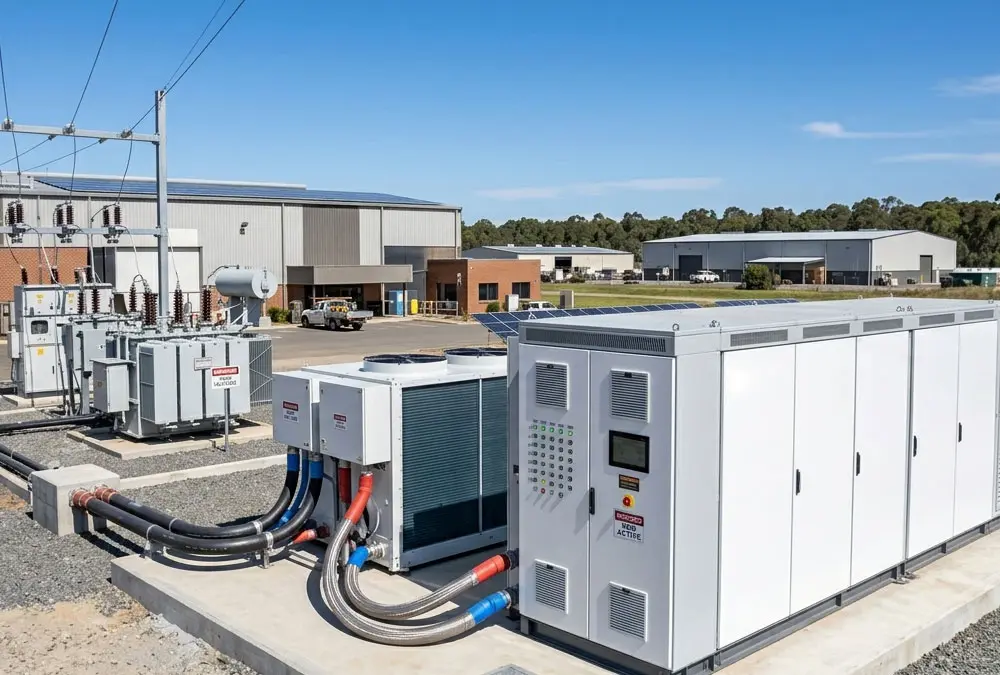
For modern industrial operations, deploying solar panels alone is often insufficient due to grid intermittency and peak demand spikes. Integrating an industrial-grade Photovoltaic EPC Contractor who can seamlessly deploy advanced Battery Energy Storage Systems (BESS) is essential. Below, we break down the primary cell technologies and alternative energy storage solutions used today.
Battery Cell Technology Breakdown
- Lithium Iron Phosphate (LFP): This is the undisputed standard for modern industrial and utility-scale energy storage. Unlike consumer electronics that use NMC (Nickel Manganese Cobalt) chemistries, LFP offers superior thermal stability, making thermal runaway risks nearly non-existent. LFP batteries support deep discharge cycles (up to 6,000–8,000 cycles at 80% Depth of Discharge) and contain zero cobalt, avoiding ethical supply chain issues.
- Sodium-Ion (Na-Ion): An emerging technology that replaces lithium with abundant sodium. Sodium-ion batteries perform exceptionally well in extreme cold environments and carry a lower risk of raw material supply bottlenecks. However, their lower energy density means they require a larger physical footprint for the same storage capacity compared to LFP.
Alternative Industrial Energy Storage Solutions
- Flow Batteries (e.g., Vanadium Redox): Unlike conventional solid-state batteries, flow batteries store energy in liquid electrolyte tanks. Their main advantage is an almost unlimited cycle life with zero capacity degradation over 20+ years. They are ideal for long-duration energy storage (LDES) requiring 6 to 12+ hours of discharge, though they have a lower round-trip efficiency and require more space for pumps and tanks.
- Flywheel Energy Storage: A mechanical storage solution that stores kinetic energy in a high-speed rotating vacuum rotor supported by magnetic bearings. Flywheels don’t store long-term energy, but they can absorb and discharge massive amounts of power instantly. This makes them perfect for industrial power quality stabilization, voltage sag mitigation, and short-term frequency regulation rather than multi-hour load shifting.
Featured Industrial BESS Product Recommendation
For industrial enterprises seeking to optimize their energy infrastructure, we highly recommend deploying the Anengji ECO-E233LS Liquid-Cooled Commercial Energy Storage System (500kW / 1165kWh) or the larger Anengji ECO-E261LP Inverter-Integrated Outdoor BESS Cabinet. These systems are specifically designed for demanding industrial environments, featuring advanced liquid-cooling systems that extend cell life, integrated intelligent string Battery Management Systems (BMS), and compact footprints. They are perfectly suited for factory peak-shaving, microgrid integration, and heavy-duty backup applications.
How to Choose the Right Solar EPC Company
Selecting your technology partner is the most critical decision in a project’s lifecycle. A mistake in early engineering or a compromise in component quality can cost millions in lost generation over time. Evaluate candidates using these four criteria:
Evaluate Project Experience
Look beyond marketing brochures to verify their historical track record of grid-tied operational capacity. Request a verified portfolio of operating megawatts (MW) in your specific asset class—whether that’s complex, high-vibration industrial factory rooftops or large-scale utility ground mounts with challenging terrain.
Assess Technical Expertise
Ensure the contractor has in-house multi-disciplinary engineering teams rather than relying entirely on outsourced third-party designers. They must demonstrate deep expertise in high-voltage substation integration, advanced bifacial yield modeling, and sophisticated multi-node BESS controls.
Review Certifications and Compliance
The contractor’s entire procurement pipeline must comply with rigid international quality and safety frameworks. Verify that all components carry reputable certifications like IEC 61215 for solar modules, IEC 62619 and UL 9540A for battery storage safety, and strict compliance with local utility grid-connection regulations.
Check O&M Support Capability
A construction firm that leaves immediately after finishing the build introduces long-term operational risks. Choose an EPC provider that offers dedicated, long-term Operations and Maintenance (O&M) service level agreements (SLAs). They should feature localized spare-parts warehouses, rapid field deployment teams, and 24/7 SCADA diagnostic centers.
Featured Snippet – Quick Answers About Solar EPC
What is Solar EPC?
Solar EPC refers to Engineering, Procurement, and Construction services that manage the complete lifecycle of a solar power project, from design and equipment sourcing to installation, commissioning, and maintenance.
What are the three main parts of Solar EPC?
The three core components of Solar EPC are:
- Engineering: Advanced electrical, structural, and civil design.
- Procurement: Sourcing Tier-1 components and managing global logistics.
- Construction: Onsite civil works, mechanical installation, and utility grid interconnection.
Together, they ensure efficient project delivery and system performance.
Why do businesses hire Solar EPC companies?
Businesses hire Solar EPC contractors to reduce project risks, streamline construction, improve energy production, and accelerate return on investment.
Need Professional Solar EPC Consultation?
Whether you are planning a commercial rooftop solar project, an industrial solar installation, or a utility-scale solar power plant, working with an experienced Solar EPC partner can significantly improve project outcomes. Our team provides:
End-to-End Solar EPC Services
- Project Development: Thorough site feasibility, geotech analysis, and ROI modeling.
- Engineering Design: Advanced 3D string layouts, structural wind-load designs, and single-line diagrams.
- Equipment Procurement: Direct access to Tier-1 solar panels, smart tracking systems, and central inverters.
- Construction Management: Professional site execution under rigid international safety and quality standards.
- Commissioning Support: Comprehensive string performance verification and hassle-free utility interconnection.
Solar + Battery Storage Expertise
We provide integrated energy solutions tailored for heavy industrial applications:
- Solar + BESS Solutions: Smooth integration of solar arrays with industrial-grade battery systems.
- Microgrid Systems: Independent energy networks designed for remote sites or areas with unreliable grids.
- Commercial Energy Storage: High-density liquid-cooled battery systems built for peak-shaving.
- Utility-Scale Energy Storage: Multi-megawatt containerized BESS optimized for frequency regulation and grid stability.
Long-Term O&M Services
Ensuring your solar assets continue operating at peak efficiency throughout their lifecycle.
Contact Us to Maximize Your Solar Investment
Ready to optimize your solar project performance? Contact our team today to discover how our professional Solar EPC and maintenance solutions can help you maximize energy production, improve ROI, and ensure long-term system reliability.
For more solar insights, industry trends, and renewable energy expertise, explore our latest blog resources and stay ahead in the evolving solar energy landscape.
 https://anengjipower.com/wp-content/uploads/2026/06/epc-vs-turnkey-solar-project-bess.webp
675
1000
Charging Station Engineer
https://anengjipower.com/wp-content/uploads/2025/09/anengji-dc-fast-charging-station-manufacturer-and-supplier-logo-white-1.png
Charging Station Engineer2026-06-22 07:16:042026-06-24 07:13:17What Is the Difference Between EPC and Turnkey Contract Models in Energy Projects?
https://anengjipower.com/wp-content/uploads/2026/06/epc-vs-turnkey-solar-project-bess.webp
675
1000
Charging Station Engineer
https://anengjipower.com/wp-content/uploads/2025/09/anengji-dc-fast-charging-station-manufacturer-and-supplier-logo-white-1.png
Charging Station Engineer2026-06-22 07:16:042026-06-24 07:13:17What Is the Difference Between EPC and Turnkey Contract Models in Energy Projects?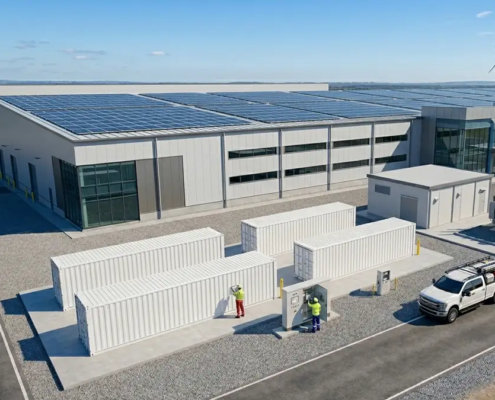 https://anengjipower.com/wp-content/uploads/2026/06/anengji-commercial-solar-plus-storage-benefits-site.webp
675
1000
Charging Station Engineer
https://anengjipower.com/wp-content/uploads/2025/09/anengji-dc-fast-charging-station-manufacturer-and-supplier-logo-white-1.png
Charging Station Engineer2026-06-20 14:34:102026-06-20 14:37:43What Are the Top Benefits of Solar Battery Storage in Factories?
https://anengjipower.com/wp-content/uploads/2026/06/anengji-commercial-solar-plus-storage-benefits-site.webp
675
1000
Charging Station Engineer
https://anengjipower.com/wp-content/uploads/2025/09/anengji-dc-fast-charging-station-manufacturer-and-supplier-logo-white-1.png
Charging Station Engineer2026-06-20 14:34:102026-06-20 14:37:43What Are the Top Benefits of Solar Battery Storage in Factories?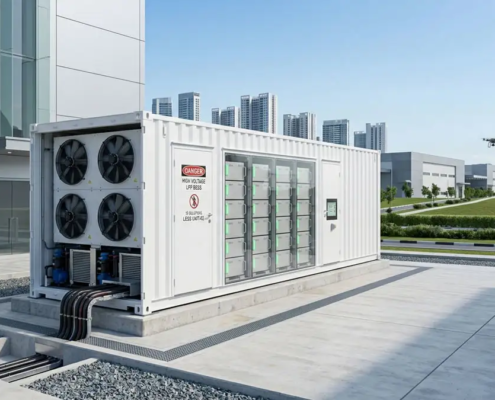 https://anengjipower.com/wp-content/uploads/2026/06/modular-commercial-solar-battery-storage-cabinet.webp
675
1000
Charging Station Engineer
https://anengjipower.com/wp-content/uploads/2025/09/anengji-dc-fast-charging-station-manufacturer-and-supplier-logo-white-1.png
Charging Station Engineer2026-06-18 09:16:522026-07-03 03:05:13What Is Solar Battery Storage? Complete C&I Engineering Guide
https://anengjipower.com/wp-content/uploads/2026/06/modular-commercial-solar-battery-storage-cabinet.webp
675
1000
Charging Station Engineer
https://anengjipower.com/wp-content/uploads/2025/09/anengji-dc-fast-charging-station-manufacturer-and-supplier-logo-white-1.png
Charging Station Engineer2026-06-18 09:16:522026-07-03 03:05:13What Is Solar Battery Storage? Complete C&I Engineering Guide


Leave a Reply
Want to join the discussion?Feel free to contribute!