
Introduction
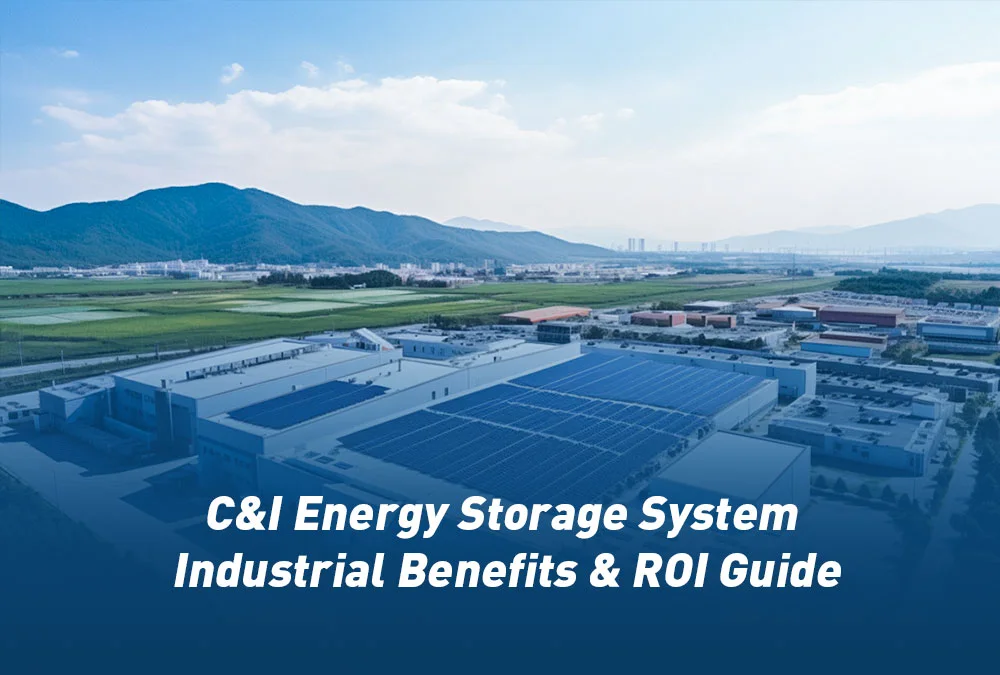
As the global energy landscape undergoes a fundamental shift toward decentralization, businesses are no longer just passive consumers of electricity—they are becoming active participants in energy management. For modern industrial facilities, the deployment of a high-performance C&I Energy Storage System has transitioned from a sustainability “luxury” to a core financial and operational necessity. According to McKinsey’s Powering the Future report, the rapid decline in battery costs—down nearly 90% over the last decade—has unlocked a new era where energy is treated as a strategic asset. By integrating a C&I Energy Storage System, enterprises can hedge against volatile energy markets, eliminate expensive peak demand surcharges, and ensure that a single grid flicker doesn’t result in millions in lost production.
What is a C&I Energy Storage System?
Definition of Commercial and Industrial Energy Storage
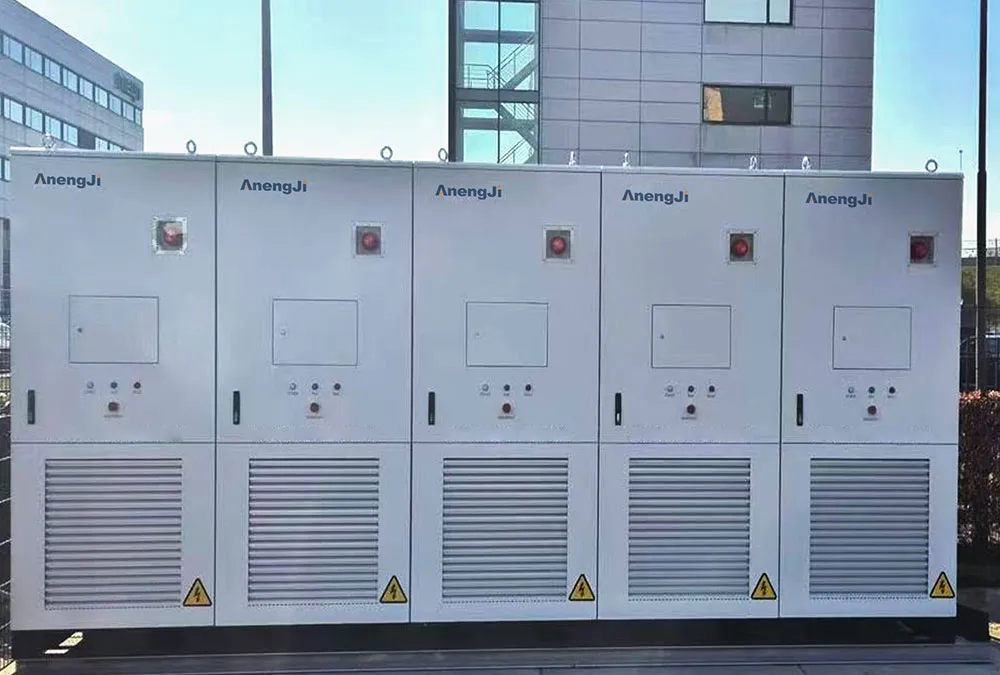
A C&I Energy Storage System (Commercial and Industrial Energy Storage) is a high-capacity battery-based solution designed to store electrical energy for use during periods of high demand or grid instability. Unlike small-scale residential units, these systems typically range from 100 kWh to several megawatt-hours (MWh). Often referred to as a battery energy storage system (BESS), these units act as a sophisticated “energy reservoir” for factories, data centers, and large-scale commercial complexes.
How a C&I Battery Energy Storage System Works
The mechanical heart of the system involves a bi-directional power flow. During off-peak hours, when electricity rates are low or when on-site solar generation is at its peak, the system pulls power from the grid or renewables to charge the battery cells. When the facility’s load spikes or grid prices rise, the energy management system (EMS) triggers the discharge of stored energy. This seamless transition is managed by the Power Conversion System (PCS), which converts DC electricity from the batteries into AC electricity for the facility’s machinery.
Key Differences Between Residential and Industrial Energy Storage Systems
The primary differentiator is scale and complexity. While a residential system focuses on simple backup and maximizing self-consumption, a commercial battery storage system must handle high-voltage industrial loads, manage thermal runaway through advanced liquid cooling, and integrate with complex building management systems (BMS). Industrial systems also prioritize “C-rates” (charge/discharge speeds) to handle the massive instantaneous power requirements of heavy machinery.
Why C&I Energy Storage Systems Are Essential for Modern Businesses
Rising Electricity Costs and Demand Charges
For most manufacturers, the utility bill isn’t just about total energy used; it’s about how fast you use it. “Demand charges”—fees based on the highest 15-minute peak of energy usage—can account for up to 50% of an industrial electricity bill. As McKinsey notes in their Battery 2035 outlook, the increasing electrification of everything from logistics to heating is putting unprecedented pressure on aging grids, leading utilities to raise these peak surcharges to discourage heavy daytime usage.
Grid Instability and Power Reliability Challenges
In high-precision manufacturing, even a 100ms voltage dip can cause CNC machines to reset or robotic arms to lose their calibration. These industrial power backup systems provide a “ride-through” capability that traditional diesel generators cannot match due to their slow startup times. A BESS provides instantaneous response, ensuring business continuity.
Renewable Energy Integration (Solar + Storage Trend)
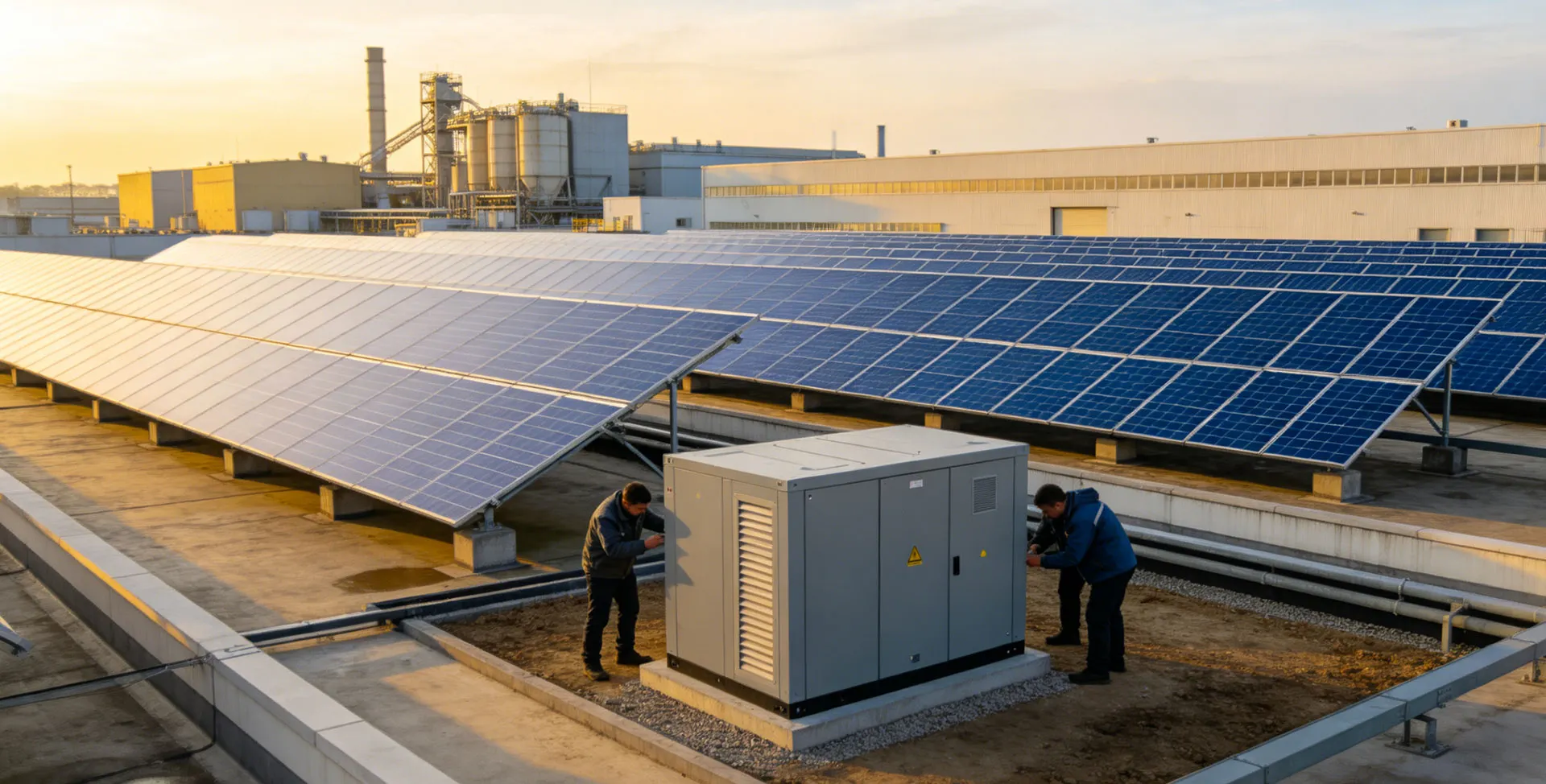
The “Solar + Storage” trend is no longer optional for companies aiming for Net-Zero. Solar energy storage integration allows a factory to capture energy during the sunniest part of the day and use it during the second or third shift. This maximizes the utilization of capital-intensive solar assets and avoids the “net-billing” losses where energy is sold back to the grid at unfavorable rates.
Key Benefits of C&I Energy Storage Systems (Peak Shaving & Energy Optimization)
Peak Shaving and Demand Charge Reduction
This is the primary financial driver. By utilizing a battery energy storage system for peak shaving industrial applications, a facility can cap its grid draw. When the facility’s power demand approaches a certain threshold, the BESS discharges to cover the excess, “shaving” the peak off the utility’s meter and significantly lowering monthly demand fees.
Load Shifting and Time-of-Use (TOU) Optimization
Peak shaving and load shifting work in tandem. Load shifting involves moving the bulk of energy consumption from high-price periods to low-price periods. By charging the lithium battery storage system at 2:00 AM (low rate) and discharging it at 2:00 PM (peak rate), businesses can achieve significant arbitrage savings.
Backup Power and Business Continuity
Beyond cost savings, the BESS serves as a high-capacity UPS. In the event of a total grid failure, the system can transition into “Islanding Mode,” allowing the facility to operate as a microgrid. This is critical for refrigerated warehouses, chemical processing plants, and data centers where downtime is catastrophic.
Energy Independence and Carbon Reduction
By decoupling from the carbon-intensive grid during peak hours and relying on stored green energy, businesses can drastically reduce their Scope 2 emissions. This is becoming a prerequisite for suppliers in the global automotive and electronics supply chains.
ROI and Payback Period for Industrial Users
While the commercial and industrial energy storage system cost can be substantial upfront, the combined savings from demand charge reduction, TOU arbitrage, and avoided downtime usually result in an ROI within 3 to 5 years. In regions with high electricity volatility, the payback period can even drop below 3 years when coupled with government incentives.
Types of C&I Energy Storage Systems
Selecting the right chemistry is critical for an engineer. The choice impacts cycle life, safety, and energy density.
Lithium-ion Battery Storage (LFP vs NMC)
- LFP (Lithium Iron Phosphate): The industry standard for energy storage for manufacturing. It offers superior thermal stability (safety) and a cycle life of 6,000–10,000 cycles.
- NMC (Nickel Manganese Cobalt): Higher energy density but lower cycle life and higher fire risk. Usually reserved for space-constrained urban environments.
Flow Battery Energy Storage (Long Duration Storage)
For “Long Duration Energy Storage” (LDES) requirements (8+ hours), flow batteries are gaining traction. They store energy in liquid electrolytes and have virtually zero degradation over 20 years, though they require more space.
Thermal and Mechanical Energy Storage Systems
These include molten salt or flywheels. While niche, they are sometimes used in specific heavy industrial heat-recovery processes.
Comparison of Energy Storage Technologies
| Feature | LFP (Lithium-ion) | NMC (Lithium-ion) | Flow Battery |
| Safety | High | Medium | Very High |
| Cycle Life | 6,000 – 10,000 | 2,000 – 4,000 | 15,000+ |
| Efficiency | 90% – 95% | 92% – 97% | 70% – 80% |
| Typical Use | Peak Shaving / Backup | Mobile / High Density | Long-Duration Grid |
Core Components of a C&I Battery Energy Storage System (BMS, PCS, EMS)
An industrial-grade BESS is a symphony of hardware and software.
Battery System (Cell, Module, Rack Design)
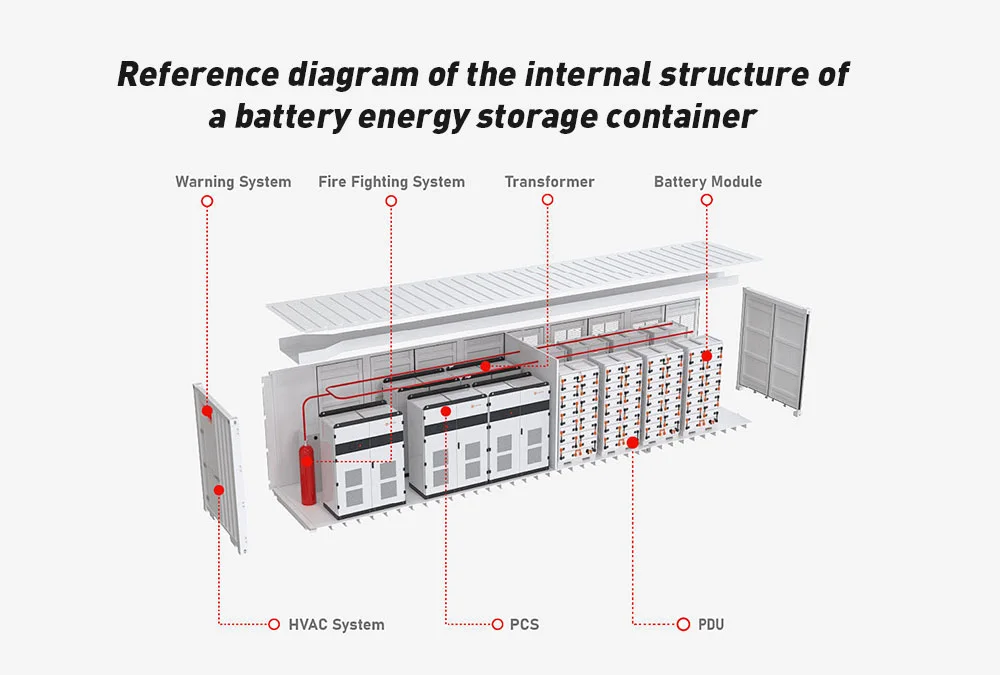
The foundation consists of high-grade cells organized into modules, which are then stacked into racks. Professional industrial energy storage solutions use “Cell-to-Pack” or “Cell-to-Chassis” designs to maximize energy density.
Battery Management System (BMS) – Safety & Monitoring
The BMS is the “nervous system.” It monitors the voltage, current, and temperature of every single cell. If it detects a slight anomaly (like a cell overheating), it can isolate that rack to prevent a thermal runaway event.
Power Conversion System (PCS) – AC/DC Conversion
The PCS is the bi-directional inverter. Top-tier energy storage system manufacturers now offer “grid-forming” inverters that can stabilize grid frequency and voltage, not just follow it.
Energy Management System (EMS) – Intelligent Control
The EMS is the “brain.” It uses AI to analyze historical load data and weather forecasts to decide exactly when to charge and discharge. This is what transforms a battery into a smart financial asset.
Thermal Management & Fire Safety Systems
In a containerized energy storage system, liquid cooling is essential to keep cells at their optimal 25°C temperature. Combined with aerosol or gas-based fire suppression (like Novec 1230), this ensures the safety of the surrounding infrastructure.
Industrial Applications of C&I Energy Storage Systems in Manufacturing
Factory Peak Shaving and Energy Cost Reduction
Consider a plastics factory with heavy injection molding machines. When five machines start simultaneously, the power spike is massive. A C&I battery energy storage system for factories can inject power for that 10-minute startup window, keeping the grid intake flat.
Integration with EV Charging Infrastructure
As companies transition their fleets to electric, the grid often cannot handle ten 180kW DC fast chargers running at once. By using the BESS as a buffer, the chargers pull from the battery during peak times, avoiding a million-dollar grid transformer upgrade.
Microgrid and Off-grid Industrial Applications
In remote mining or agricultural sites, a microgrid energy storage system allows for 100% solar/wind reliance, using a diesel generator only as a last resort.
Data Centers, Warehouses and Industrial Parks
Warehouses use BESS to power conveyor systems and HVAC, while data centers use them to bridge the gap between grid failure and generator synchronization.
How to Choose the Right C&I Energy Storage System (Buyer’s Guide)
Capacity Sizing (kWh vs kW Requirements)
- kW (Power): How much energy can be delivered at once (affects Peak Shaving).
- kWh (Energy): How long the energy can be delivered (affects Backup duration).
Choosing a balanced ratio is vital for TCO (Total Cost of Ownership).
System Configuration (Containerized vs Modular Systems)
Outdoor containerized energy storage solutions are easier to permit and install, while indoor modular systems are better for urban high-rise commercial buildings.
Safety Standards and Certifications
Ensure the system is UL 9540A tested (large-scale fire testing) and compliant with local grid-connection codes (like NFPA 855).
Supplier Selection and Project Experience
Look for industrial energy storage system suppliers who offer a “Turnkey” solution, including site audit, installation, and 10-year O&M (Operation and Maintenance) support.
Future Trends of C&I Battery Energy Storage Systems (Smart Energy & AI EMS)
AI-driven Energy Management Systems
The next generation of EMS will include “Predictive Maintenance,” where the AI identifies cell degradation before it fails.
Virtual Power Plants (VPP) and Grid Services
Businesses will soon be paid by the grid to discharge their batteries during regional emergencies, turning the commercial battery storage system into a revenue-generating power plant.
Long-duration Energy Storage (LDES) Development
As we move toward 100% renewables, the need for batteries that can discharge for 24+ hours will drive innovation in iron-air or liquid-metal chemistries.
FAQ – C&I Energy Storage System
1.What is a C&I energy storage system?
A C&I energy storage system is a battery-based solution used by businesses to store electricity and optimize energy usage, reduce costs, and improve power reliability.
2.How much can a C&I energy storage system save?
Most systems reduce electricity costs by 20%–50%, depending on the facility’s peak load and the local utility’s tariff structure.
3.What is the typical ROI of a commercial battery storage system?
The average payback period is 3–5 years, with the system providing operational savings for over 10 to 15 years.
4.Which battery type is best for industrial energy storage?
Lithium iron phosphate (LFP) is the most widely used due to its superior safety, 10-year+ lifespan, and cost-effectiveness compared to other chemistries.
5.Can C&I energy storage work with solar systems?
Yes, combining solar plus storage for commercial buildings maximizes the use of free renewable energy and reduces dependency on expensive grid power during peak hours.
For procurement teams and facility managers, the decision to invest in a BESS is a decision to stabilize the future of your production. Whether your goal is carbon neutrality or simple cost control, a well-engineered grid-connected battery storage solution is the cornerstone of modern industrial infrastructure.
 https://anengjipower.com/wp-content/uploads/2026/03/romania-3-5mw-industrial-bess-pcs-array.webp
675
1000
Charging Station Engineer
https://anengjipower.com/wp-content/uploads/2025/09/anengji-dc-fast-charging-station-manufacturer-and-supplier-logo-white-1.png
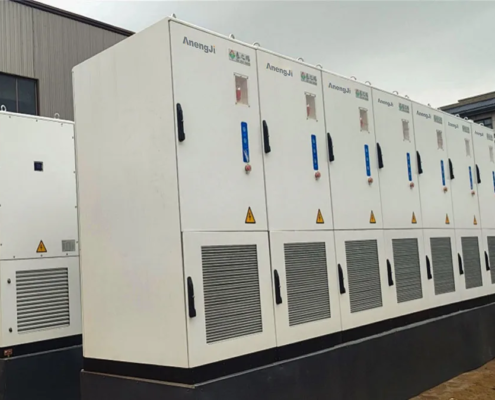
Charging Station Engineer2026-03-06 17:30:032026-03-06 09:27:24Romania 3.5MW/7.3MWh Industrial Energy Storage: High-Capacity Grid Integration
https://anengjipower.com/wp-content/uploads/2026/03/romania-3-5mw-industrial-bess-pcs-array.webp
675
1000
Charging Station Engineer
https://anengjipower.com/wp-content/uploads/2025/09/anengji-dc-fast-charging-station-manufacturer-and-supplier-logo-white-1.png
Charging Station Engineer2026-03-06 17:30:032026-03-06 09:27:24Romania 3.5MW/7.3MWh Industrial Energy Storage: High-Capacity Grid Integration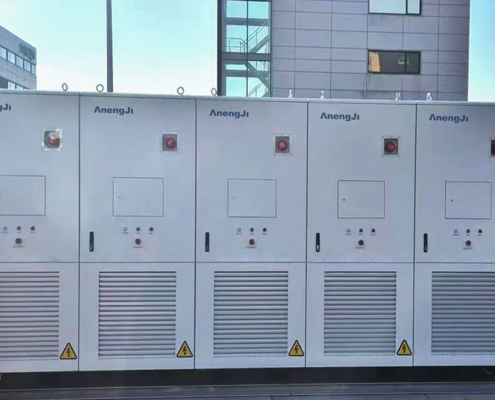 https://anengjipower.com/wp-content/uploads/2026/03/new-zealand-500kw-industrial-bess-outdoor-installation.webp
675
1000
Charging Station Engineer
https://anengjipower.com/wp-content/uploads/2025/09/anengji-dc-fast-charging-station-manufacturer-and-supplier-logo-white-1.png
Charging Station Engineer2026-03-06 07:28:092026-03-06 07:28:31New Zealand BESS: 500kW/1165kWh Frequency Regulation Solution
https://anengjipower.com/wp-content/uploads/2026/03/new-zealand-500kw-industrial-bess-outdoor-installation.webp
675
1000
Charging Station Engineer
https://anengjipower.com/wp-content/uploads/2025/09/anengji-dc-fast-charging-station-manufacturer-and-supplier-logo-white-1.png
Charging Station Engineer2026-03-06 07:28:092026-03-06 07:28:31New Zealand BESS: 500kW/1165kWh Frequency Regulation Solution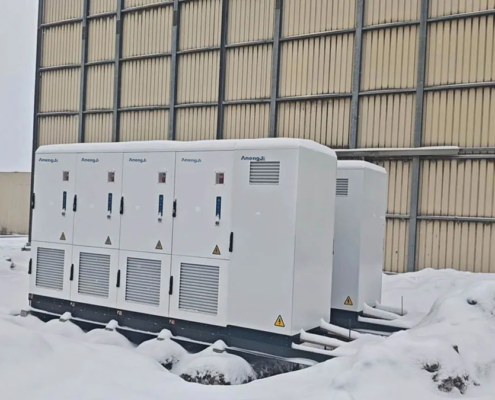 https://anengjipower.com/wp-content/uploads/2026/03/Ukraine-1MW2MWh-battery-energy-storage-system-installation.webp
675
1000
Charging Station Engineer
https://anengjipower.com/wp-content/uploads/2025/09/anengji-dc-fast-charging-station-manufacturer-and-supplier-logo-white-1.png
Charging Station Engineer2026-03-06 07:05:042026-03-06 07:21:46Ukraine 1MW/2MWh Energy Storage: 20ms Seamless Backup for Industrial Resilience
https://anengjipower.com/wp-content/uploads/2026/03/Ukraine-1MW2MWh-battery-energy-storage-system-installation.webp
675
1000
Charging Station Engineer
https://anengjipower.com/wp-content/uploads/2025/09/anengji-dc-fast-charging-station-manufacturer-and-supplier-logo-white-1.png
Charging Station Engineer2026-03-06 07:05:042026-03-06 07:21:46Ukraine 1MW/2MWh Energy Storage: 20ms Seamless Backup for Industrial Resilience


Leave a Reply
Want to join the discussion?Feel free to contribute!