
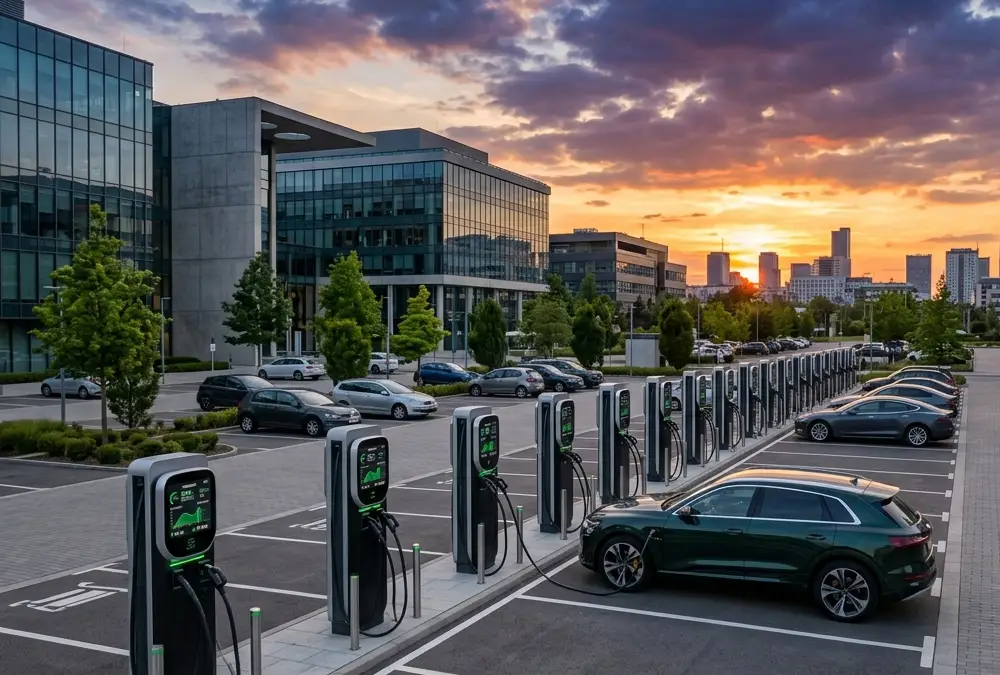
Introduction to DC fast charging
Building high-power commercial site layouts is often messy. Many property hosts buy random hardware setups before reviewing local grid limits. If you want to deploy a real network, mastering dc fast charging is non-negotiable. It is the only way to satisfy modern driver demands for rapid electricity replenishment. Yet, field developers still make terrible mistakes with high-power electrical engineering layouts. Let us analyze the true technical bottlenecks behind fast grid infrastructure.
What Is DC Fast Charging? (EV Fast Charging Overview)
Understanding real energy conversion pathways prevents massive project planning errors. The core operational difference between systems comes down to where the current rectification takes place.
What Is DC Fast Charging?
In standard commercial logistics operations, dc fast charging completely bypasses the vehicle’s restrictive internal converter. It feeds high-current electricity straight to the traction battery pack. This method eliminates the severe thermal limits of small automotive components. It allows charging operators to deliver high power to high-voltage automotive electrical systems safely.
Why do industry veterans call this setup Level 3 charging? While common Level 1 and Level 2 setups rely on lower-amperage alternating current, Level 3 denotes dedicated high-voltage direct current systems. It transfers energy at vastly superior rates, making it essential for commercial use cases.
Why is this specific configuration so much quicker than traditional alternating current configurations? An AC charger acts as a simple safety switchboard, leaving the conversion work to the car. In contrast, a specialized DC fast charging station houses industrial-grade rectifiers. It converts massive grid power externally, allowing direct high-amperage battery feeding.
How Is DC Fast Charging Different from AC Charging?
AC solutions require the vehicle’s limited internal converter to turn AC grid electricity into DC power. This internal process naturally limits charging speeds to around 7kW or 22kW. Direct current stations perform this transformation internally using high-power electronics. This allows them to supply clean direct current straight to the vehicle plug at scale.
Why DC Fast Charging Is Driving the Future of EV Infrastructure
Global logistics dynamics are shifting rapidly toward electrification. According to the IEA Global EV Outlook report, public infrastructure demands are facing major grid optimization pressures. Deploying robust EV charging infrastructure is no longer just a luxury property upgrade. It is a critical operational capability required to maintain fleet uptime and secure recurring parking revenue.
How Does DC Fast Charging Work: From Grid Power to Your EV Battery
To build a robust high-power charging depot, you must understand the complete power conversion workflow. Here is the step-by-step process of how an industrial DC fast charger energizes a vehicle battery.
Step 1 – AC Power Input from the Utility Grid
The system draws high-voltage three-phase AC electricity from the local utility grid. This power passes through site sub-panels, industrial circuit breakers, and Surge Protection Devices (SPD). These components safeguard the sensitive downstream electronics from sudden grid voltage spikes.
Step 2 – AC-to-DC Power Conversion
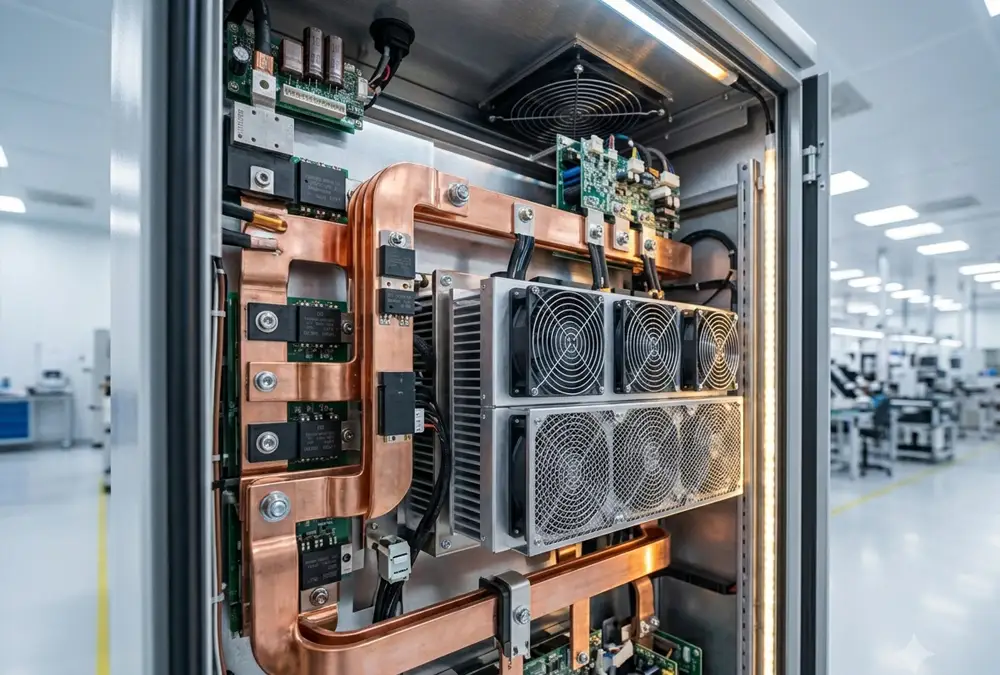
The three-phase AC electricity enters the rectifier banks within the station’s modular enclosure. Here, specialized solid-state internal power modules convert the incoming AC power into stable, high-current DC electricity. Performing this intensive conversion outside the vehicle prevents heat buildup inside the car.
Step 3 – Communication Between Charger and Vehicle
Once plugged in, the station establishes a secure digital handshake with the car’s Battery Management System (BMS). Using advanced PLC or ISO 15118 protocols, the vehicle shares its precise real-time state of charge (SOC), internal cell temperatures, and maximum safe voltage limits before any power flows.
Step 4 – Constant Current (CC) Charging Stage
During the initial charging phase, the station operates in the Constant Current stage. It pumps the maximum safe amperage into the battery pack. This stage allows the vehicle to rapidly increase its SOC from 10% up to approximately 80% without overheating the internal battery cells.
Step 5 – Constant Voltage (CV) Charging Stage
As the battery pack reaches around 80% capacity, the system switches to the Constant Voltage stage. The station gradually tapers down its power output while maintaining a steady voltage. This deliberate reduction protects the delicate internal cell chemistry and prevents dangerous thermal runaway.
Step 6 – Charging Complete & Safe Shutdown
When the target SOC is reached or the driver terminates the session, the BMS sends a shutdown command. The station stops its power output, opens its internal safety contactors, completes the billing transaction, and safely unlocks the cable connector for removal.
DC Fast Charging vs AC Charging: Which EV Charging Solution Is Right?
Choosing the wrong technology for your property can destroy your project’s return on investment. Let us analyze how these systems compare across key operational metrics.
| Comparison Metric | AC Charging | DC Fast Charging | Direct Strategic Benefit to the Buyer |
|---|---|---|---|
| Charging Speed | Slow (4–8 hours to full) | Rapid (20–40 mins to 80%) | DC charging maximizes site turnover, unlocking higher daily revenue potential. |
| Power Range | 3.7kW – 22kW | 30kW – 360kW+ | High power accommodates short dwell times, matching modern driver habits. |
| Installation Cost | Minimal outlay | Substantial infrastructure investment | AC saves capital for long-stay parking, while DC targets high-traffic hubs. |
| Grid Requirements | Standard single/three-phase | Dedicated high-voltage three-phase | AC avoids complex utility upgrades; DC delivers maximum energy throughput. |
| Ideal Location | Hotels, residential, long-stay offices | Highway stops, retail hubs, fleets | Aligning hardware with driver stay times protects your long-term ROI. |
Benefits and Drawbacks of DC Fast Charging
Deploying high-power DC charging infrastructure offers major commercial advantages, but it also presents clear technical engineering challenges.
Advantages of DC Fast Charging
The primary advantage of deploying a commercial DC fast charging station is the drastic reduction in vehicle waiting times. This capability improves fleet productivity for logistics operators, ensuring delivery vans spend less time plugged into a wall and more time out on delivery routes.
For public charging network operators, fast throughput boosts daily station utilization rates. It increases premium charging fee revenues and enhances customer satisfaction scores, making your retail or commercial property a preferred charging destination.
Challenges of DC Fast Charging
The upfront hardware and installation costs for fast charging setups are significantly higher than AC alternatives. You have to purchase expensive liquid-cooled cabinets, upgrade local utility distribution transformers, and invest in heavy civil engineering work.
Navigating different international standards like CCS, NACS, or CHAdeMO requires flexible equipment layouts to ensure broad vehicle compatibility. Additionally, continuous fast charging at extreme current levels can accelerate battery cell degradation if the station’s communication system fails to accurately throttle back power during temperature spikes.
Finally, sudden high-power charging spikes create severe stress on local utility grids. To prevent expensive peak demand penalties, more commercial property owners are now integrating advanced local battery energy storage systems into their charging site architecture.
DC Fast Charger Components and System Architecture
A reliable public station is an industrial-grade energy conversion system. Top-tier engineers focus heavily on the quality of its internal EV charging technology components.
Power Modules
Power modules are the core component of any fast charger. They use advanced switching topologies to turn raw AC grid power into smooth, regulated DC energy. Using a modular internal configuration ensures that if one single power module goes offline, the remaining modules keep operating safely.
Cooling System
Running high currents generates significant internal thermal energy. Standard stations up to 120kW typically use integrated forced-air cooling fans. However, modern high-power systems above 180kW require advanced liquid cooling loops. Liquid-cooled systems keep cables thin, flexible, and safe during long, high-output charging sessions.
Charging Connectors
The physical connector must lock securely into the vehicle inlet during operation. While European markets rely heavily on the dual-port CCS2 configuration, the North American market has shifted rapidly toward the NACS standard. Using open, adaptable station wiring allows operators to easily support both cable standards side by side.
Commercial Applications of DC Fast Charging
Selecting the right power capacity depends entirely on your specific site dynamics and target customer behavior.
| Application Scene | Recommended Solution | Dwell Time | Direct Strategic Benefit to the Operator |
|---|---|---|---|
| Highway Service Areas | 180kW – 360kW Liquid-Cooled split systems | 15 – 30 mins | Maximizes customer turnover, high-margin premium driver fees. |
| Fleet Depots & Logistics | 120kW Dual-port constant chargers | 1 – 3 hours | Guarantees vehicle fleet uptime, allows rapid shift-change turnaround. |
| Shopping Centers & Retail | 60kW – 120kW Compact DC units | 45 – 90 mins | Increases customer store dwell times and boosts secondary retail spending. |
How Battery Energy Storage Improves DC Fast Charging Performance
Recent industrial data from Grand View Research highlights that global charging infrastructure growth is directly straining urban power setups. When multiple electric vehicles plug in simultaneously, they create massive load surges. This can trigger expensive peak demand penalties from your utility provider.
Integrating local industrial battery storage systems solves this issue. The battery storage system charges slowly during off-peak hours when electricity rates are low. It then discharges that stored energy directly to the vehicles during peak demand periods. This practice, known as peak shaving, reduces utility demand charges and allows you to install fast chargers without paying for expensive grid transformer upgrades.
We provide heavy-duty Lithium Iron Phosphate (LFP) battery storage cabinets designed to work directly with your charging infrastructure:
| Storage Product | Battery Technology | Core Selling Point | Direct Strategic Benefit to the Buyer |
|---|---|---|---|
| AnengJI 100kWh Cabinet | Smart air-cooled LFP Cells | Compact footprint, easy outdoor installation | Perfect for light commercial sites to shave minor peak power demand spikes. |
| AnengJI 261kWh Cabinet | Advanced liquid-cooled LFP | High thermal stability, extended cycle life | Supports multiple fast chargers. Prevents thermal degradation in hot climates. |
| AnengJI 1MWh Container | All-in-one containerized system | Built-in HVAC and automatic fire suppression | Perfect for highway supercharging hubs. Supports heavy fleet truck charging without grid stress. |
How to Choose the Right DC Fast Charging Solution
Selecting equipment requires analyzing multiple long-term operational factors:
- Match Power Ratings with Driver Stay Times: Install lower-power 30kW or 60kW DC units for locations with one-hour parking dwell times. Save higher-power 180kW or 360kW systems for short-stay highway service plazas.
- Insist on Full OCPP Software Compatibility: Ensure your equipment supports open OCPP communication. This prevents software lock-in, allowing you to easily change your payment processing and remote network providers in the future.
- Evaluate Local Site Grid Capacity: Always assess your property’s available power grid before purchasing equipment. If your local power capacity is limited, use dynamic load balancing or add battery storage to protect your system from overloading.
Why Choose AnengJI for Commercial DC Fast Charging Projects?
Partnering with AnengJI means working directly with an established DC fast charger manufacturer. We design, build, and support our equipment in our own factory facilities. This direct manufacturing setup eliminates middleman markups and allows us to offer customized engineering configurations for your project.
Our comprehensive hardware portfolio includes everything from compact 20kW destination DC units to ultra-fast 900kW liquid-cooled highway charging systems. We also design integrated solar panels, advanced battery storage systems, and smart charging hardware to provide a complete, scalable energy infrastructure solution for your business.
Frequently Asked Questions About DC Fast Charging
- Q: How does DC fast charging work?
- A: It performs the electrical rectification process internally within the station enclosure. It converts incoming three-phase AC grid electricity into direct current, bypassing the vehicle’s slow onboard converter to feed power straight to the battery pack.
- Q: Is continuous DC fast charging bad for EV batteries?
- A: Not when managed by a modern station. The station communicates continuously with the vehicle’s internal BMS. It automatically tapers power down as the battery heats up or reaches an 80% charge level, protecting the cells from thermal degradation.
- Q: Can DC fast chargers work alongside local battery storage?
- A: Yes. Integrating battery storage allows you to store power during low-cost off-peak hours and discharge it during peak charging times. This shields your business from expensive utility demand charges.
Build a Faster, Smarter EV Charging Network with AnengJI
Whether you’re developing a highway charging corridor, fleet charging depot, commercial parking facility, or integrating Solar + Battery Storage + DC Fast Charging, AnengJI delivers complete turnkey solutions from equipment manufacturing to project implementation.
Related Article
 https://anengjipower.com/wp-content/uploads/2026/06/epc-vs-turnkey-solar-project-bess.webp
675
1000
Charging Station Engineer
https://anengjipower.com/wp-content/uploads/2025/09/anengji-dc-fast-charging-station-manufacturer-and-supplier-logo-white-1.png
Charging Station Engineer2026-06-22 07:16:042026-06-24 07:13:17What Is the Difference Between EPC and Turnkey Contract Models in Energy Projects?
https://anengjipower.com/wp-content/uploads/2026/06/epc-vs-turnkey-solar-project-bess.webp
675
1000
Charging Station Engineer
https://anengjipower.com/wp-content/uploads/2025/09/anengji-dc-fast-charging-station-manufacturer-and-supplier-logo-white-1.png
Charging Station Engineer2026-06-22 07:16:042026-06-24 07:13:17What Is the Difference Between EPC and Turnkey Contract Models in Energy Projects? https://anengjipower.com/wp-content/uploads/2026/06/anengji-commercial-solar-plus-storage-benefits-site.webp
675
1000
Charging Station Engineer
https://anengjipower.com/wp-content/uploads/2025/09/anengji-dc-fast-charging-station-manufacturer-and-supplier-logo-white-1.png
Charging Station Engineer2026-06-20 14:34:102026-06-20 14:37:43What Are the Top Benefits of Solar Battery Storage in Factories?
https://anengjipower.com/wp-content/uploads/2026/06/anengji-commercial-solar-plus-storage-benefits-site.webp
675
1000
Charging Station Engineer
https://anengjipower.com/wp-content/uploads/2025/09/anengji-dc-fast-charging-station-manufacturer-and-supplier-logo-white-1.png
Charging Station Engineer2026-06-20 14:34:102026-06-20 14:37:43What Are the Top Benefits of Solar Battery Storage in Factories?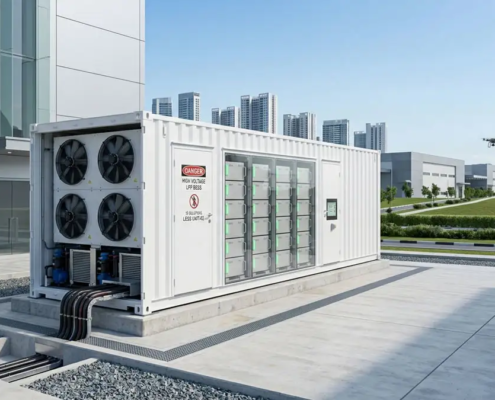 https://anengjipower.com/wp-content/uploads/2026/06/modular-commercial-solar-battery-storage-cabinet.webp
675
1000
Charging Station Engineer
https://anengjipower.com/wp-content/uploads/2025/09/anengji-dc-fast-charging-station-manufacturer-and-supplier-logo-white-1.png
Charging Station Engineer2026-06-18 09:16:522026-07-03 03:05:13What Is Solar Battery Storage? Complete C&I Engineering Guide
https://anengjipower.com/wp-content/uploads/2026/06/modular-commercial-solar-battery-storage-cabinet.webp
675
1000
Charging Station Engineer
https://anengjipower.com/wp-content/uploads/2025/09/anengji-dc-fast-charging-station-manufacturer-and-supplier-logo-white-1.png
Charging Station Engineer2026-06-18 09:16:522026-07-03 03:05:13What Is Solar Battery Storage? Complete C&I Engineering Guide


Leave a Reply
Want to join the discussion?Feel free to contribute!