
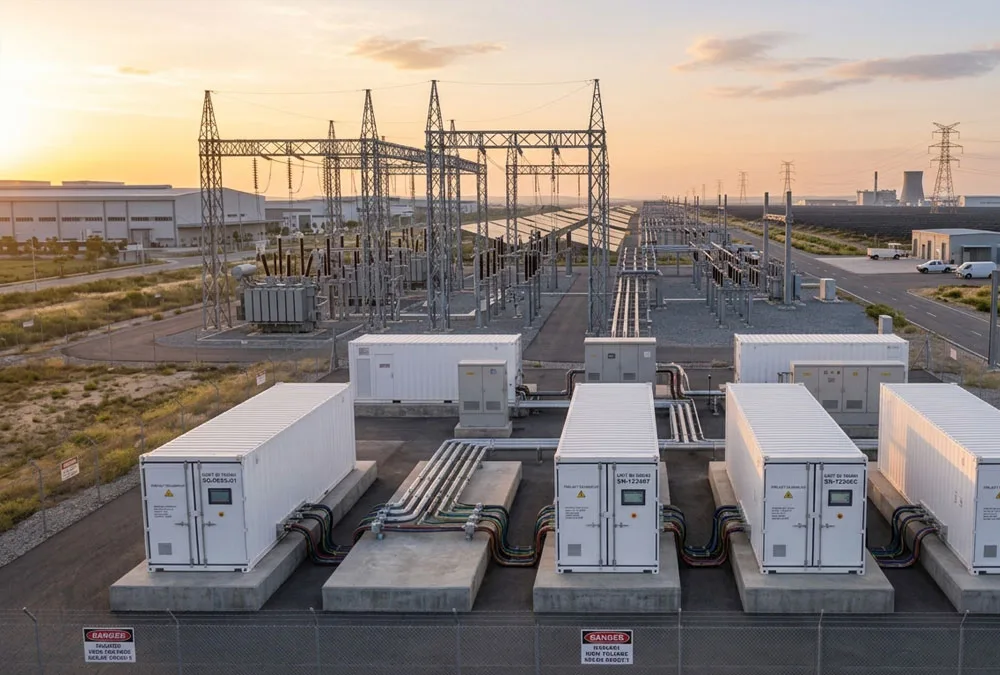
Introduction
Finding a reliable bess battery storage supplier is the single most critical factor determining whether your energy project succeeds or fails. Let’s be honest. Look at the market right now. The price gap between different integration vendors varies by 30% to 50% for the exact same container capacity. It drives project managers crazy. Why does one quote look incredibly cheap while another seems painfully expensive? Over the past year, I have seen dozens of multi-megawatt commercial energy storage projects fall apart not because they chose a low-cost option, but because they contracted the wrong vendor.
When grid instability hits your industrial facility or a midday solar surge threatens your localized transformer infrastructure, you quickly realize you need an engineering partner, not just a hardware broker selling steel boxes filled with loose battery cells. Choosing your bess battery storage supplier means securing long-term financial returns, avoiding massive thermal runaway liabilities, and ensuring your power system performs perfectly for twenty years.
How Do You Choose the Right BESS Battery Storage Supplier?
To select the best BESS provider, you must rigorously evaluate five foundational pillars: verify true cell manufacturing origins, audit factory first-pass yield, inspect full system safety certifications, calculate absolute lifecycle ownership costs, and confirm on-site local engineering support capabilities.
- Verify Cell Quality: Demand direct source tracking for all high-density battery lots.
- Review Certifications: Ensure valid, non-expired system-level listings (UL 9540, IEC 62619).
- Evaluate Engineering Capability: Check for in-house PCS, BMS, and EMS deep software integration.
- Compare Lifecycle Cost: Focus on degraded energy availability rather than initial capital expense.
- Check Local Service Support: Guarantee guaranteed technician dispatch times within your region.
Why Choosing the Right BESS Battery Storage Supplier Matters
The global transition toward decentralized power grids is accelerating at a record pace. According to recent market intelligence reports from BloombergNEF, utility scale BESS solution installations reached historical high-water marks worldwide. However, this explosive growth has flooded the market with inexperienced hardware assemblers. Many buyers assume a lithium iron phosphate battery storage system is a standardized commodity. It is not. The supplier you select controls everything from structural fire isolation to local utility interconnect compliance. If your vendor lacks deep system engineering experience, your capital investment quickly becomes a massive operational liability.
Poor Supplier Selection Can Cost Millions
What actually happens when you sign a contract with a subpar assembler? First, expect severe project execution delays. Inexperienced vendors routinely struggle with local grid code compliance, leading to months of red tape with utility engineers. Second, systemic efficiency losses will quietly drain your revenue. If the internal thermal management layout is poorly designed, uneven cell temperatures will trigger rapid capacity degradation. In worst-case scenarios, poor wiring connections or faulty battery management system BMS programming can result in catastrophic thermal runaway events, instantly destroying your physical assets and voiding your insurance coverage.
Beyond Price: Think About Total Project Success
Stop looking exclusively at the initial capital expenditure (CAPEX) price tag on the quotation sheet. I understand the pressure to pick the lowest bid to satisfy procurement boards. But cheap hardware always extracts a heavy price during the operational phase. A successful solar plus storage system installation requires a vendor who understands localized transformer impedance, short-circuit current calculations, and high-voltage protection coordination. You are building a 15-to-20-year infrastructure asset; your supplier must possess the financial and technical stamina to support it through its entire operating lifecycle.
What a Professional BESS Battery Storage Supplier Should Provide
A genuine, Tier-1 level manufacturer functions as a full-scale energy storage system integrator. They do not drop-ship unconfigured battery racks and leave the rest of the work to your local site electricians. They own the entire engineering lifecycle, from initial load profile simulation to final grid synchronization.
Engineering Design
Professional system design begins long before any steel is cut. Your supplier must analyze your facility’s historical 15-minute interval utility billing data. This allows them to build precise simulation models for peak shaving, load shifting, and reactive power compensation. They must deliver customized single-line diagrams (SLD), detailed structural foundation blueprints, and comprehensive thermal fluid dynamic layouts tailored specifically to your site’s exact geographic and environmental constraints.
Battery Pack Manufacturing
True quality control requires direct ownership of the battery module assembly process. A reputable manufacturer utilizes automated laser welding, high-precision cell sorting metrics, and strict environmental dust controls during cell-to-pack integration. This guarantees uniform internal resistance across all connected cell groups, preventing premature string degradation and maximizing energy output.
PCS + EMS Integration
Hardware is completely useless without perfectly synchronized software control loops. A top-tier provider stands out as a complete BESS supplier with PCS BMS EMS integration capabilities. They must write the control communication protocols that link the high-speed bidirectional power conversion system (PCS) with the localized energy management system (EMS). This software stack manages microsecond-level frequency response, automated peak demand shaving, and smooth black-start transitions during sudden grid outages.
Installation & Commissioning
The responsibilities of an expert supplier do not end when the containerized battery energy storage system arrives on a flatbed trailer. Their field deployment crews must oversee the physical placement, anchor grounding, and high-voltage DC cabling connections. Furthermore, they must execute rigorous factory and site acceptance testing (FAT/SAT) protocols to guarantee absolute safety before the utility company grants official permission to operate (PTO).
Local Technical Support
When a component fault occurs at 2:00 AM on a freezing winter night, overseas remote diagnostics will not save your facility from costly operational downtime. A dependable partner maintains fully staffed local service centers within your geographic region. They must keep critical replacement parts stocked locally and provide field technicians who can arrive at your project site within guaranteed, SLA-contracted windows.
10 Questions to Ask a BESS Battery Storage Supplier Before Buying
Before you sign any purchase order or wire a down payment, put your prospective vendor through this technical evaluation checklist. If their sales representatives give vague answers or hesitate to provide documentation, treat that as a massive warning sign.
1. Where do your battery cells come from?
Why you must ask: The battery cell represents up to 60% of total system cost and dictates absolute safety. Many low-cost integrators source unverified B-grade or repurposed surplus cells from the open market.
What the supplier should provide: Complete material traceability logs showing direct cell origin verification from Tier-1 manufacturers.
What to demand: For large-scale battery storage solutions, demand high-capacity 314Ah Lithium Iron Phosphate (LFP) chemistry cells certified for 10,000 cycles with an expected capacity fade of less than 3% over the initial operating years.
2. Can You Prove Your Cycle Life Data?
Why you must ask: Every vendor promises thousands of charge cycles on their promotional datasheets. However, pristine laboratory test results generated under perfect temperature conditions rarely match real-world field performance.
If the vendor’s degradation curves are calculated at a gentle 0.5C charge rate in a 25°C room, how will that system hold up under a harsh 1C heavy industrial peak shaving regime in the scorching summer heat? Demand to see third-party cycle validation reports performed under varying operational C-rates and real-world depth of discharge (DoD) parameters.
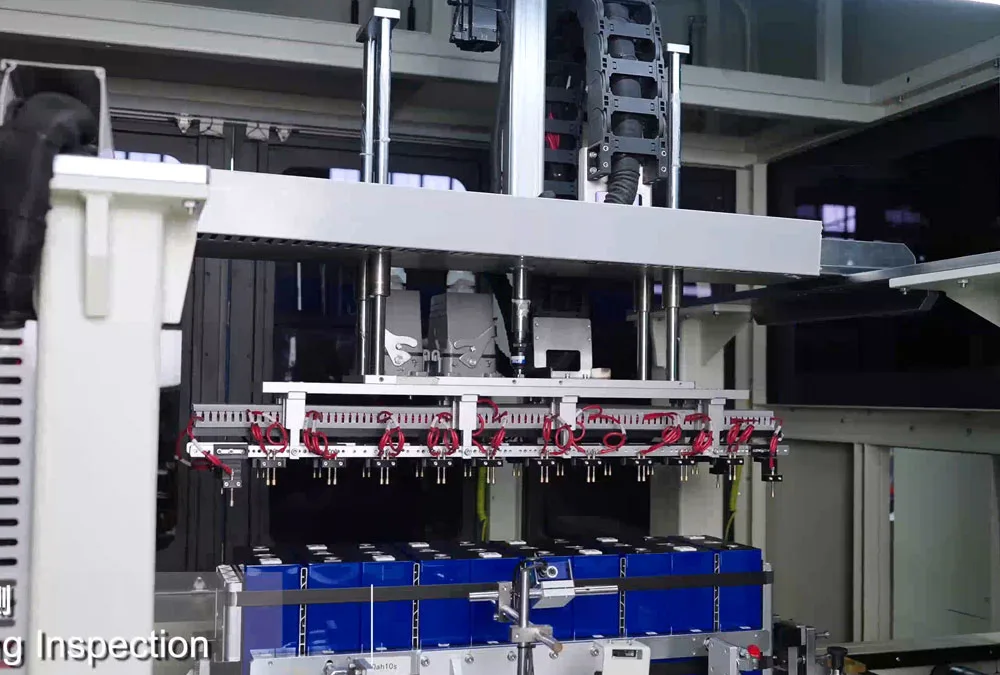
3. What Is Your First-Pass Yield During Manufacturing?
Why you must ask: First-pass yield (FPY) is the ultimate indicator of a factory’s quality control standards. A low FPY means modules are routinely sent back for manual rework, increasing the risk of latent structural defects.
A premium commercial battery storage solutions manufacturer maintains an automated production line with an FPY above 98%. Ask if their production line uses a fully integrated Manufacturing Execution System (MES). This software logs laser-welding depth, cell sorting resistance parameters, and bolt torque measurements for every module serial number, providing a complete quality audit trail.
4. Which Safety Certifications Do You Have?
Why you must ask: Without valid international safety certificates, local fire marshals will shut down your site, and insurance brokers will refuse to underwrite your project.
Do not accept vague promises like “designed to code.” Demand certified test reports indicating full compliance with standard BESS safety standards. The complete system enclosure must hold a valid UL 9540 listing. The battery modules must pass rigorous UL 9540A large-scale thermal runaway fire propagation testing. The core internal electronics must be certified under IEC 62619, and the entire container asset must hold UN 38.3 hazardous transit clearance.
5. What Exactly Does Your Warranty Cover?
Why you must ask: Many warranties are filled with hidden exclusions that shift financial liability back to the buyer during component failures.
Look closely at the battery storage system warranty fine print. Does it include a linear capacity retention guarantee over 10 full operating years? Does the vendor cover the cost of local field labor, heavy crane rentals, and international freight transport to swap out a degraded module? A truly robust contract guarantees an explicit technical response time, promising an on-site service engineer within 24 to 48 hours to resolve critical system fault conditions.
6. Can I Visit Your Factory?
Why you must ask: The energy storage industry is full of shell trading companies pretending to operate large manufacturing plants. A physical or live virtual factory audit reveals the truth instantly.
When arranging a factory visit, do not just look at the clean lobby floor. Ask to inspect the Incoming Quality Control (IQC) zone, check the automation levels of the module PACK line, audit the high-voltage insulation test bays, and review the structural aging rooms where completed enclosures undergo real-load multi-day thermal testing before shipment.
7. How Do You Execute Projects?
Why you must ask: A broken project execution workflow leads to immediate budget overruns and missed deployment deadlines.
Your partner must present a clearly defined, multi-step battery storage project development timeline. This roadmap must explicitly cover initial layout site surveys, electrical engineering matching, factory assembly, rigorous factory acceptance testing (FAT), ocean logistics transit coordination, on-site mechanical installation assistance, grid code commissioning, and final utility interconnect acceptance sign-off.
8. Do You Have Local Service Engineers?
Why you must ask: If your system drops offline due to a communication glitch, waiting for support from a team in a different time zone can cost you thousands in lost daily savings.
This is why European and American commercial facility operators heavily prioritize local service infrastructure. A reliable supplier maintains an active, regional field team capable of delivering fast support. Make sure your contract includes clear service level agreements (SLAs), specify a 24-hour phone support window, a 48-hour part dispatch timeline, and a 72-hour maximum resolution path for any structural system fault.
9. Can Your System Be Expanded Later?
Why you must ask: Your facility’s electricity load profile will change over the next ten years as you add machinery or deploy corporate EV charging networks.
Ask if their system architecture supports smooth, modular modular parallel expansion. A well-designed platform features an adaptive energy management system EMS that can seamlessly balance older battery containers with brand-new storage units added to the parallel DC bus years later, saving you from replacing your original capital investments.
10. What Is the Real Total Cost of Ownership?
Why you must ask: Focusing strictly on the upfront CAPEX cost is the biggest mistake you can make. The true cost of your system develops over 15 to 20 operating years.
You must calculate the real Total Cost of Ownership (TCO). This requires evaluating round-trip efficiency losses, ongoing preventive maintenance costs, periodic HVAC component replacements, and potential downtime risks. A system that costs 10% more upfront but delivers a 4% higher round-trip efficiency rating will generate significantly more revenue over its lifetime, quickly covering the initial price difference.
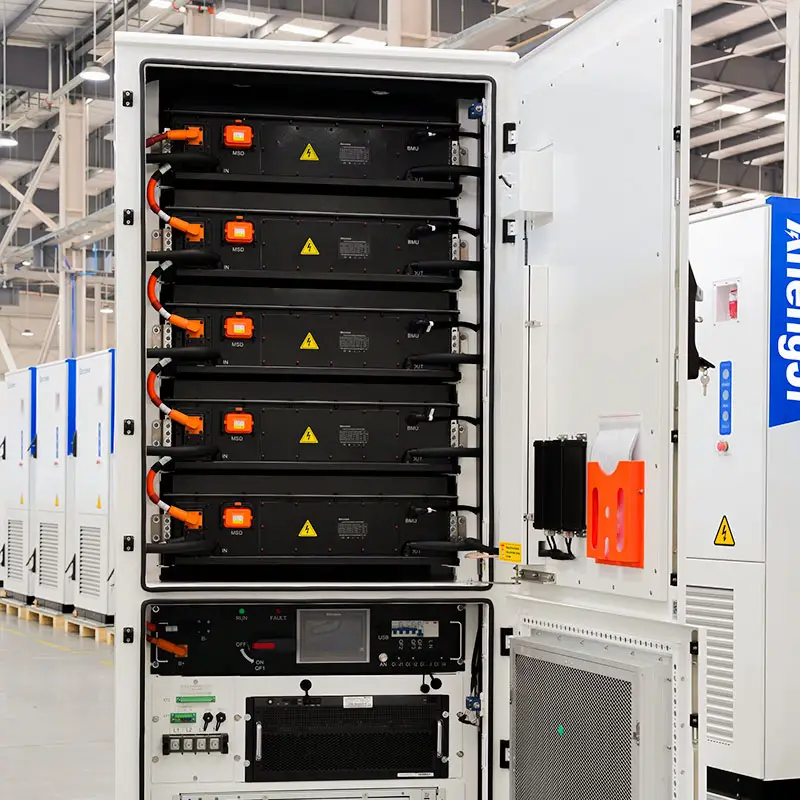
Specification vs Reality: What Most BESS Suppliers Never Tell You
Marketing glossies and official datasheets don’t tell the whole story. I have reviewed hundreds of product sheets, and they all look amazing on paper. But real life is messy. In the field, environmental dust clogs up air filters, scorching summer pavement pushes cooling loops to their limits, and sudden grid voltage spikes stress sensitive inverter controls. Cheap system integrators routinely skimp on component margins, using lower-grade internal copper busbars, thinner exterior steel panel insulation, and basic consumer-grade cooling units to keep their bids artificially low.
These hidden cost reductions trigger severe operational issues down the road. A poorly insulated container deployed in an outdoor parking lot will expend massive amounts of parasitic energy simply running its air conditioning system to prevent the cells from overheating. This parasitic load actively drains your stored energy, dropping your net system efficiency from a promised 90% down to an expensive 78%, quietly wiping out your expected peak shaving profits month after month.
How to Compare Multiple BESS Battery Storage Suppliers
To help your procurement team make an objective, data-driven choice, use this technical parameter matrix to score competing bids. Never evaluate suppliers purely based on their initial equipment price.
| Comparison Parameter | Standard Assemblers / Brokers | Premium Integrated Supplier | Direct User & ROI Benefit |
|---|---|---|---|
| Cell Sourcing & Traceability | Unverified, mixed cell batches from various lots. | Tier-1 factory certified A-grade lots with MES tracking. | Prevents premature cell imbalances, reducing annual maintenance downtime by up to 45%. |
| Thermal Control Method | Basic residential-grade air cooling fans. | Advanced uniform liquid cooling loops (<2°C variance). | Extends total battery operational life by 35% in extreme hot climates. |
| Software Architecture | Third-party piecemeal software, slow communication. | Natively integrated PCS, BMS, and EMS software control stack. | Enables millisecond response times, maximizing peak demand savings and grid service revenue. |
| System Safety Design | Basic hand-held fire extinguishers or simple aerosol cans. | Multi-stage active off-gas detection & clean-agent suppression. | Guarantees straightforward project permitting with local fire marshals, lowering insurance premiums. |
| Local Support Network | Remote email support from overseas, slow response times. | Fully staffed regional service centers with 24/7 technical dispatch. | Protects against costly revenue drops during unexpected control communication failures. |
Red Flags When Choosing a BESS Battery Storage Supplier
Keep your guard up during procurement negotiations. If you spot any of these major technical red flags, halt the evaluation immediately and walk away from the deal:
- Extremely Low Prices: If a vendor’s quote is 40% below the industry average, they are likely cutting corners by using repurposed cells or stripped-down safety hardware.
- Refusing a Factory Audit: If a supplier blocks you from touring their production lines, they are likely a middleman trading company with zero quality control infrastructure.
- Vague Cell Traceability Documents: Watch out for vendors who refuse to provide original factory testing data and serial number records for their cell lots.
- No Local Service Presence: If they cannot point to a real brick-and-mortar service facility or an established engineering team in your country, do not buy their hardware.
- Missing Component Certifications: Never accept uncertified hardware; missing UL or IEC test reports will result in severe grid connection and permitting failure.
Understanding Energy Storage Technologies & System Alternatives
To make the best choice for your infrastructure, it helps to understand how the core technology works alongside alternative options available on the market today.
1. Lithium Iron Phosphate (LFP): This electro-chemical technology relies on lithium ions moving between cathode and anode structures. Its high thermal stability, zero risk of oxygen release during high-temperature events, and long operating lifecycle make it the gold standard for industrial energy storage system applications.
2. Vanadium Redox Flow Batteries: A chemical system that stores energy in large, external liquid electrolyte tanks. While flow systems offer virtually unlimited cycle lives, their very low energy density and high mechanical maintenance overhead make them impractical for space-constrained commercial facilities.
3. Diesel Generator Sets (Alternative): Traditional internal combustion backup backup power. Generators offer low initial purchase costs but come with expensive ongoing fuel costs, high carbon emissions, and loud operational noise. They also introduce a brief startup delay that can cause momentary production downtime during grid drops, unlike the seamless sub-second switchover of an active battery system.
Tailored Commercial & Industrial BESS Hardware Configurations
Depending on your site’s exact load profile and space limits, look for pre-configured, liquid-cooled enclosures designed for distinct industrial applications:
- 100kWh All-in-One Cabinet: Perfect for small commercial retail properties, auto dealerships, and localized EV charging stations. Features a compact footprint and silent operation.
- 261kWh Industrial Cabinet: Excellent for mid-sized manufacturing plants and logistics hubs seeking automated peak demand shaving. Features high-density LFP cells paired with a built-in bidirectional PCS.
- 418kWh liqued-cooled Container : Purpose-built for heavy energy-intensive industrial applications, cold storage warehouses, and mining operations requiring max thermal endurance.
- 1MWh – 5MWh+ Container Series: Modular 20ft/40ft ISO container platforms designed for utility scale battery storage supplier deployments, grid-scale solar installations, and regional ancillary services.
How AnengJi Supports Utility-Scale and Commercial Energy Storage Projects
At AnengJi Power, we don’t just supply equipment; we function as a dedicated, full-service technology partner. We own our high-volume containerized battery energy storage system manufacturing infrastructure, allowing us to maintain complete control over component quality and software programming. Our in-house engineering teams handle initial site load calculations, design custom single-line drawings, manage global logistics, and oversee field installation. We deploy true Tier-1 grade LFP cells, state-of-the-art uniform liquid cooling, and our own proprietary AI-driven EMS control software stack. To protect your capital investment, we back every installation with long-term performance warranties and maintain an expert, local technical service team right here in Europe to provide rapid, hands-on support whenever you need it.
Frequently Asked Questions About BESS Battery Storage Suppliers
How do I compare BESS battery storage suppliers?
Look beyond hardware prices and grade suppliers using a clear evaluation checklist covering cell traceability, certified factory first-pass yield, in-house software integration capabilities, and regional support infrastructure.
What certifications should a supplier have?
A qualified supplier must provide certified test records showing complete system compliance with international safety standards, including UL 9540, UL 9540A, IEC 62619, and UN 38.3 transport clearance.
Can I inspect the factory?
Yes, any reputable supplier should welcome an on-site or high-definition virtual factory audit of their automated cell sorting lines, laser welding processes, and structural thermal aging chambers.
How long should a BESS warranty last?
Look for a structured contract that delivers a 10-year linear performance guarantee on battery capacity retention alongside a 5-year replacement warranty covering the core PCS inverters and BMS electronics.
What battery chemistry is best?
Lithium Iron Phosphate (LFP) is widely considered the ideal chemistry for stationary industrial and commercial projects due to its superior thermal safety profile, long cycle life, and excellent chemical stability.
How important is local after-sales support?
It is absolutely vital. Having a dedicated regional team ensures fast on-site support and quick part dispatches, preventing minor technical faults from turning into prolonged, costly operational downtime.
Can a BESS system be expanded in the future?
Yes. Selecting a modular, parallel-ready design allows facility managers to add extra matching battery enclosures to existing site layouts without needing to replace the original power system interfaces.
Conclusion: Choose a BESS Battery Storage Supplier Based on Long-Term Value, Not Just Price
At the end of the day, your choice of supplier will dictate the entire trajectory of your energy storage project. Saving money upfront by purchasing uncertified hardware from an unverified assembler is a short-sighted strategy that frequently leads to operational headaches, rapid degradation, and severe permitting delays. Protect your infrastructure investment by prioritizing build quality, complete software integration, reliable safety standards, and real local support. Focus on total lifecycle value, and you will secure an efficient, high-performing asset that delivers clean, reliable energy resilience for decades to come.
Ready to Optimize Your Energy Infrastructure?
Connect with the engineering experts at AnengJi Power today to request a customized site sizing assessment, a detailed technical proposal, or an initial project consultation.
Partner with AnengJi Power for Reliable Energy Storage Solutions
Related Article
- What is the 1MW vs 2MW Battery Storage System Cost Comparison for Sites?
- Top 10 Energy Storage Companies in 2026: Leading BESS Providers
- BESS for Industrial Manufacturing: Factory Cost & Reliability Guide
- Top 10 BESS Manufacturers in Poland for Industrial Manufacturing (2026 Guide)
- Battery Storage Cost per kWh in 2026: Pricing & ROI Guide
 https://anengjipower.com/wp-content/uploads/2026/06/epc-vs-turnkey-solar-project-bess.webp
675
1000
Charging Station Engineer
https://anengjipower.com/wp-content/uploads/2025/09/anengji-dc-fast-charging-station-manufacturer-and-supplier-logo-white-1.png
Charging Station Engineer2026-06-22 07:16:042026-06-24 07:13:17What Is the Difference Between EPC and Turnkey Contract Models in Energy Projects?
https://anengjipower.com/wp-content/uploads/2026/06/epc-vs-turnkey-solar-project-bess.webp
675
1000
Charging Station Engineer
https://anengjipower.com/wp-content/uploads/2025/09/anengji-dc-fast-charging-station-manufacturer-and-supplier-logo-white-1.png
Charging Station Engineer2026-06-22 07:16:042026-06-24 07:13:17What Is the Difference Between EPC and Turnkey Contract Models in Energy Projects?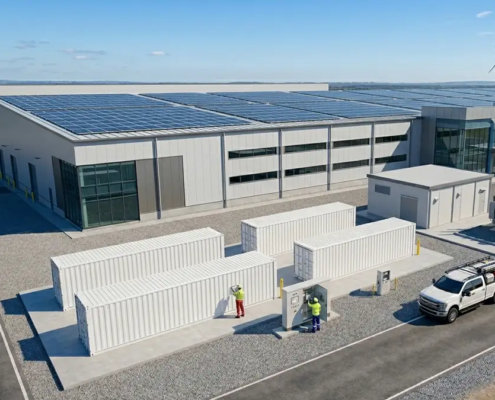 https://anengjipower.com/wp-content/uploads/2026/06/anengji-commercial-solar-plus-storage-benefits-site.webp
675
1000
Charging Station Engineer
https://anengjipower.com/wp-content/uploads/2025/09/anengji-dc-fast-charging-station-manufacturer-and-supplier-logo-white-1.png
Charging Station Engineer2026-06-20 14:34:102026-06-20 14:37:43What Are the Top Benefits of Solar Battery Storage in Factories?
https://anengjipower.com/wp-content/uploads/2026/06/anengji-commercial-solar-plus-storage-benefits-site.webp
675
1000
Charging Station Engineer
https://anengjipower.com/wp-content/uploads/2025/09/anengji-dc-fast-charging-station-manufacturer-and-supplier-logo-white-1.png
Charging Station Engineer2026-06-20 14:34:102026-06-20 14:37:43What Are the Top Benefits of Solar Battery Storage in Factories?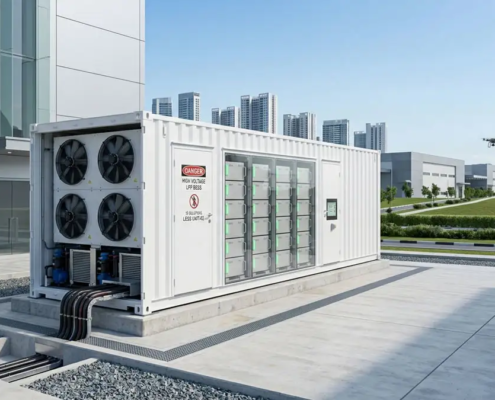 https://anengjipower.com/wp-content/uploads/2026/06/modular-commercial-solar-battery-storage-cabinet.webp
675
1000
Charging Station Engineer
https://anengjipower.com/wp-content/uploads/2025/09/anengji-dc-fast-charging-station-manufacturer-and-supplier-logo-white-1.png
Charging Station Engineer2026-06-18 09:16:522026-07-03 03:05:13What Is Solar Battery Storage? Complete C&I Engineering Guide
https://anengjipower.com/wp-content/uploads/2026/06/modular-commercial-solar-battery-storage-cabinet.webp
675
1000
Charging Station Engineer
https://anengjipower.com/wp-content/uploads/2025/09/anengji-dc-fast-charging-station-manufacturer-and-supplier-logo-white-1.png
Charging Station Engineer2026-06-18 09:16:522026-07-03 03:05:13What Is Solar Battery Storage? Complete C&I Engineering Guide


Leave a Reply
Want to join the discussion?Feel free to contribute!