
Introduction
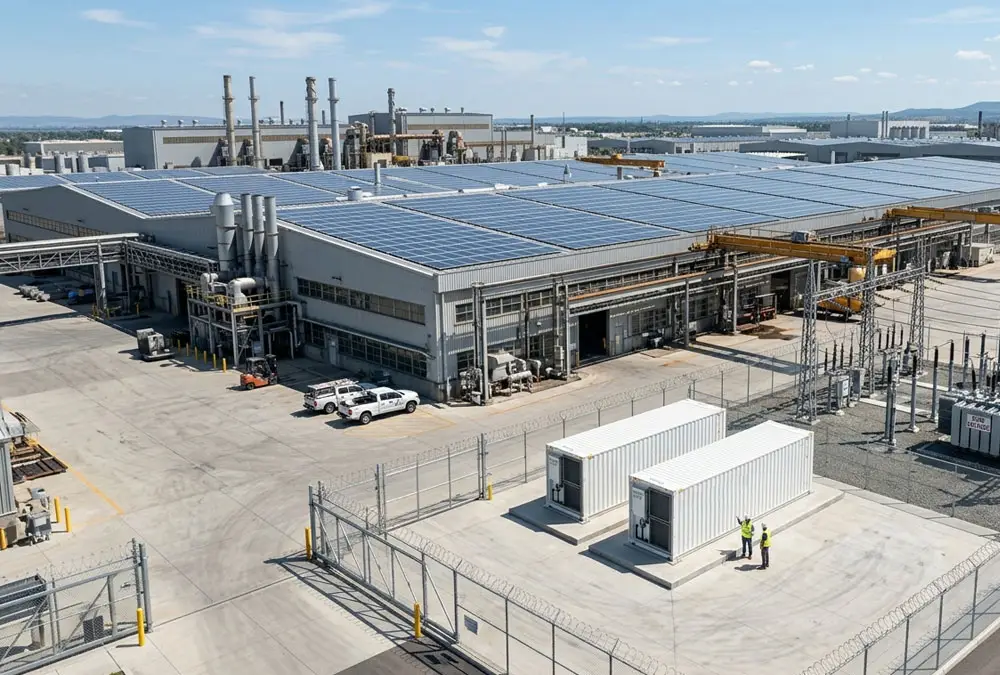
Operating a manufacturing plant right now is an ongoing struggle against volatile utility markets. You see it every month when the power bill arrives. Standard factory budgets are being torn apart by unexpected surcharges and fluctuating market rates. Relying strictly on traditional grid power has turned into a major financial liability. Implementing an aggressive industrial solar battery storage strategy is no longer just a trend for tech giants. It is a vital financial shield for any heavy production facility trying to stabilize its overhead.
Rising Energy Costs and Grid Instability Are Driving Industrial Energy Transformation
Industrial electricity rates are climbing globally, forcing teams to reconsider their entire power approach. Look at European manufacturing over the past year; extreme tariff volatility forced multiple production lines to shut down temporarily. Beyond the raw cost per kilowatt-hour, expanding a facility often triggers immediate problems with local grid capacity limitations. If the local utility cannot supply the extra megawatts your new machinery needs, your expansion plans stall. Waiting for substation upgrades can delay your revenue targets for years.
The Rapid Growth of Solar Plus Storage in Industrial Applications
The global shift toward independent power infrastructure is accelerating. According to the International Energy Agency (IEA) 2025 World Energy Outlook, industrial clean energy adoption hit record milestones last year. BloombergNEF data from early 2026 shows that commercial and industrial solar plus storage installations are outpacing traditional solar-only builds. In the European Union, high grid injection penalties are driving companies to store their own power rather than feeding it back into the grid for minimal returns.
Why Industrial Companies Are Investing in Solar Battery Storage
The motivation for these major capital investments comes down to direct cost management. Factory owners are asking how to eliminate solar waste when their facilities are closed on Sundays. They want practical ways to lower their steep utility bills and achieve true operational independence from unreliable local grids. Most importantly, corporate finance teams need to know exactly how fast these systems pay for themselves in real-world manufacturing environments.
Featured Snippet – What Is Industrial Solar Battery Storage?
Industrial Solar Battery Storage Definition
Industrial Solar Battery Storage is an integrated energy architecture that pairs a local solar photovoltaic (PV) array with a large-scale electrochemical battery system. This setup captures local solar generation, stores the excess energy safely, and discharges it strategically when utility rates peak or when the local grid fails. This combination helps heavy facilities lower demand charges, secure reliable backup power, and optimize their total renewable energy use.
What Are the Main Benefits of Industrial Solar Battery Storage?
- Reduce Electricity Bills: Cuts total energy consumption costs by replacing grid power with local generation.
- Increase Solar Self-Consumption: Keeps your clean energy on-site instead of exporting it cheaply.
- Provide Backup Power: Keeps critical machinery moving during unexpected utility blackouts.
- Improve Energy Independence: Shields your production schedules from regional grid constraints.
- Support ESG Goals: Provides verifiable carbon reduction metrics for international supply chains.
- Reduce Carbon Emissions: Displaces fossil-fuel grid power with clean, on-site electricity.
Where Is Industrial Solar Battery Storage Commonly Used?
These large-scale commercial installations are deployed across high-load environments. They are widely used in manufacturing facilities, industrial parks, automated logistics centers, data centers, remote mining operations, and large food processing plants.
What Is Industrial Solar Battery Storage and How Does It Work?
To evaluate if this technology fits your facility, you need to look past the sales brochures and understand how power flows through the system during a normal 24-hour manufacturing cycle.
How Solar PV and Battery Storage Work Together
The system operates on an automated loop controlled by live site meters. During the morning, your rooftop solar panels generate clean electricity, which goes directly to power your active factory machinery. If the solar array produces more energy than the factory needs, the smart system diverts that excess electricity into the battery storage packs. When the sun goes down and utility rates rise, the batteries discharge that stored energy back into your main distribution board, keeping your grid draws minimal.
Energy Flow in an Industrial Solar Battery Storage System
The energy path is managed continuously across four key stages:
- Solar Generation: Photovoltaic cells convert sunlight into raw direct current (DC) electricity.
- Energy Storage: Excess DC power is routed into the battery racks before it can bleed into the grid.
- Energy Dispatch: The system discharges the stored energy automatically during peak facility load windows.
- Grid Interaction: The local system communicates with the external utility to draw grid power only when rates are lowest.
Grid-Tier vs Off-Grid Industrial Solar Storage Systems
Most modern factories choose an On-Grid Solar + Storage framework. This setup keeps you connected to the utility line for extra safety while using your local battery to eliminate expensive peak charges. Remote locations, like desert mining operations, rely on Off-Grid Solar + Storage systems, using heavy battery banks to completely replace the utility network. Hybrid industrial energy systems combine both approaches, maintaining a grid connection but allowing the facility to operate completely independent of the utility during major regional blackouts.
Industrial Solar Battery Storage System Components
An industrial solar battery storage systems setup is a highly complex electrical ecosystem. Each core component must be perfectly matched to handle heavy industrial currents without failing.
Solar PV Modules
These are the physical solar panels installed on your factory roof or ground mounts. Modern industrial projects favor high-efficiency N-type tunnel oxide passivated contact (TOPCon) or heterojunction (HJT) bifacial panels. These advanced modules capture sunlight on both sides, maximizing your total energy yield per square foot of available space.
Battery Energy Storage System (BESS)
The physical housing for your energy reserve. This unit includes dense groups of battery cells arranged into heavy-duty structural racks, complete with integrated climate controls and safety monitoring systems designed to maintain optimal operating conditions.
Battery Management System (BMS)
The dedicated digital brain for your battery packs. The BMS tracks cell voltage, operational current, and temperatures every second. It balances the energy levels across cells and cuts power immediately if it detects any internal electrical anomalies.
Power Conversion System (PCS)
The heavy-duty bi-directional inverter that connects the system together. The PCS takes the variable DC power from your solar panels and batteries and converts it into stable AC electricity that matches your factory’s main switchgear distribution.
Energy Management System (EMS)
The master software platform that runs your entire energy strategy. The EMS analyzes your plant’s real-time electricity consumption, tracks local utility rates, and uses predictive weather data to decide exactly when to store energy and when to discharge it for maximum savings.
Transformers, Switchgear, and Monitoring Platforms
These heavy electrical components safely step up the system’s output voltage to integrate with your factory’s electrical network. They protect your hardware from power surges and send continuous performance data to your facility management dashboard.
Why Invest in Industrial Solar Battery Storage?
Every dollar your company spends on hardware must deliver a clear, measurable operational advantage. Investing in behind the meter energy storage fixes your volatile energy costs and protects your production uptime.
Increase Solar Self-Consumption and Reduce Energy Waste
A major problem with standard solar systems is that generation rarely matches your actual factory usage curves. Over the weekend, your panels generate peak power while your machinery is turned off. Without storage, that clean electricity is wasted or exported back to the utility for minimal credit. Installing a battery storage system for solar panels allows you to save that weekend generation and use it to power your heavy Monday morning production shifts.
Lower Electricity Costs Through Peak Shaving and Load Shifting
Most commercial utility bills include steep demand charges based on your facility’s single highest 15-minute consumption spike of the month. A sudden, simultaneous startup of large electric motors can double your power bill instantly. Smart energy systems use peak shaving to sense those internal demand surges, discharging battery power within milliseconds to keep your official grid billing curve completely flat.
Enhance Energy Independence and Grid Resilience
A brief 100-millisecond voltage sag can trip sensitive automated manufacturing lines, corrupting digital controllers and causing hours of expensive cleanup downtime. Integrating local battery storage creates a vital electrical buffer for your facility, smoothing out regional grid fluctuations and providing reliable backup power during extended utility blackouts.
Meet ESG and Sustainability Goals
Global supply chains are placing tighter carbon restrictions on their preferred industrial suppliers. If your facility runs night shifts using standard grid power, your products carry a heavy carbon footprint. Utilizing an industrial solar and battery storage solutions setup allows you to run twenty-four-hour green operations, helping you hit verifiable sustainability goals and win premium supply contracts.
Support Future Factory Electrification and Expansion
Adding new production lines, automated CNC machinery, or high-power fleet EV charging stations requires massive amounts of electrical capacity. If your regional utility cannot supply the extra megawatts immediately, your company’s growth stalls. A localized industrial energy storage system delivers the necessary power boost on-site, allowing you to expand your business without waiting for slow utility upgrades.
Key Benefits of Industrial Solar Battery Storage for Manufacturing Facilities
The operational impacts of industrial solar battery storage solutions show up clearly across your daily manufacturing metrics and monthly financial statements.
Reduce Utility Bills and Demand Charges
By pairing local solar generation with smart battery dispatch, you tackle both parts of your commercial power bill simultaneously. You lower your total energy consumption costs using free daytime solar power, while using targeted battery discharges to cut your expensive peak demand charges by thirty to fifty percent.
Improve Operational Reliability
A clean, stable power supply extends the operating life of your expensive factory machinery. Eliminating voltage sags and grid harmonic distortions prevents premature electronic failures and protects your automated assembly lines from unexpected control system resets.
Provide Emergency Backup Power
When sudden storms or grid failures take down the main utility lines, the battery system decouples your facility safely using an automatic islanding switch. This switch provides seamless backup power to keep your critical machinery, process cooling lines, and security systems running without interruption.
Optimize Renewable Energy Utilization
Instead of relying on the utility grid as an unpredictable storage dump, your facility captures and uses every single kilowatt-hour your solar panels produce. This localized solar self consumption maximizes your clean energy investment and shortens your overall project payback timeline.
Protect Against Energy Price Volatility
Locking in your power source protects your business from unpredictable future energy markets. Generating and storing your own electricity allows your finance team to project long-term production costs with absolute confidence, even during global energy crises.
Create New Revenue Opportunities
Modern battery assets can do more than just cut your internal utility costs. Depending on your local regulatory market, your facility can participate in automated demand response programs. These programs pay you cash incentives for discharging your batteries to help stabilize the regional utility grid during emergencies.
Industrial Solar Battery Storage Applications Across Industries
Different industrial sectors utilize factory solar energy storage configurations to solve their specific operational and financial bottlenecks.
Manufacturing Plants
Continuous production facilities use localized storage to eliminate micro-stops on assembly lines and manage the steep power spikes caused by heavy industrial equipment, keeping their operational costs highly predictable.
Automotive Production Facilities
Automotive assembly lines require massive, steady electrical currents for robotic welding systems and paint curing ovens. A dedicated battery installation smooths out these heavy load surges, preventing voltage drops that could disrupt sensitive robotic control networks.
Warehouses and Logistics Centers
Sprawling fulfillment centers feature massive roof spaces that are perfect for maximizing solar panel installations. They pair these large solar arrays with modular battery cabinets to power automated sorting conveyors and charge large fleets of electric delivery vehicles overnight without overloading the local grid link.
Food and Beverage Processing Plants
Food processing facilities rely on continuous refrigeration loops and high-temperature pasteurization equipment. A sudden power interruption can ruin entire product batches in minutes. On-site solar and battery storage systems provide critical backup power to protect your inventory and maintain strict hygiene standards.
Data Centers
Data facilities require absolute power reliability and massive amounts of continuous cooling. They utilize high-output battery systems to replace loud, high-emission diesel generators for emergency backup, significantly reducing their carbon footprints while maintaining Tier-4 reliability standards.
Industrial Parks and Campuses
Sprawling multi-tenant industrial zones use central containerized energy storage systems to share clean solar generation among multiple businesses, lowering peak demand charges across the entire complex.
Mining and Heavy Industry Operations
Remote mining facilities operating far from the central utility grid use heavy-duty storage arrays to build self-sufficient microgrids. This allows them to combine large solar fields with backup generators, drastically reducing their reliance on expensive, logistically complicated diesel fuel transport.
Industrial Solar Battery Storage Configurations and System Types
The physical space available and your facility’s electrical layout determine the ideal design for your local storage hardware.
Behind-the-Meter Solar Battery Storage Systems
These systems are installed directly on your property past your facility’s main utility meter. They are engineered specifically to optimize your private business utility bills, manage local load spikes, and maximize your on-site solar use.
Industrial Microgrid Solutions
A comprehensive microgrid setup links your solar panels, battery units, generators, and factory loads under a single intelligent control network. This allows your facility to disconnect from the public grid completely and run independently for days at a time.
Containerized Solar Battery Storage Systems
For large-scale factories requiring megawatt-level capacity, hardware is housed inside rugged, weatherproof 20-foot or 40-foot shipping containers. These durable units are installed outdoors on concrete pads, saving valuable interior floor space.
All-in-One Industrial Energy Storage Cabinets
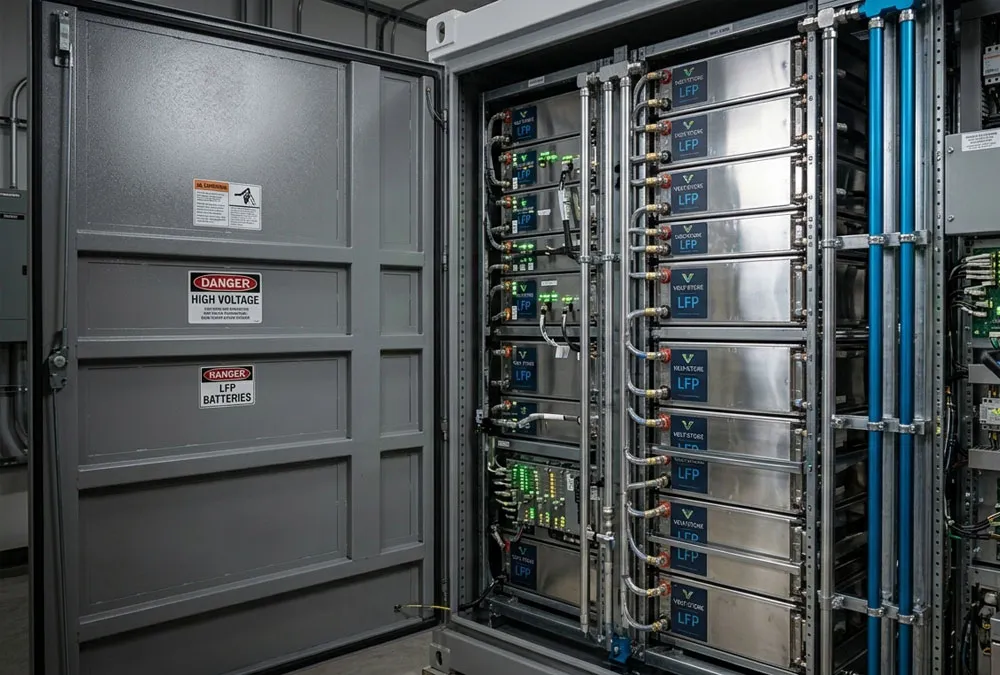
Mid-sized factories with limited outdoor yard space favor compact, all-in-one energy storage cabinets. These space-saving units house the battery cells, pre-wired liquid cooling systems, and bi-directional inverters inside a single sleek enclosure that fits easily against exterior walls.
Scalable Modular Energy Storage Systems
Smart energy planning requires flexibility for future business growth. Scalable modular systems allow you to invest in a base storage unit today, and easily slide extra battery blocks into the existing racks when you add new machinery or expand your solar array down the road.
Industrial Solar Battery Storage Battery Technologies
The specific chemical makeup inside your storage cabinets dictates your system’s lifetime, real-world safety, and long-term return on investment.
Lithium Iron Phosphate (LFP) Batteries
LFP chemistry is the undisputed standard for the modern industrial solar power storage market. These systems use stable iron phosphate molecules that resist overheating and avoid the risk of explosive thermal runaway. LFP battery packs easily deliver over 6,000 full charge cycles before showing minor capacity drops, making them the most reliable choice for daily peak shaving operations.
Lithium-Ion Batteries (NMC)
Nickel Manganese Cobalt (NMC) batteries offer excellent energy density, meaning they pack more raw power into a smaller physical cabinet. However, NMC chemistry is more sensitive to high temperatures and requires heavy liquid cooling and complex fire suppression hardware, making it less common for stationary industrial sites.
Flow Batteries (e.g., Vanadium Redox)
Flow systems store their chemical energy in large external liquid electrolyte tanks. They suffer zero capacity degradation even after twenty years of continuous cycling, making them a fantastic alternative for long-duration storage. However, their large physical footprint and lower round-trip efficiency limit them to specialized utility projects with ample yard space.
Sodium-Ion Batteries
An exciting, emerging low-cost alternative that replaces expensive lithium with abundant sodium. Sodium-ion systems handle extreme temperatures exceptionally well and are highly sustainable. While their lower energy density means they require more physical cabinet space on-site, they are rapidly becoming a viable option for space-flexible factories.
Emerging Long-Duration Energy Storage Technologies
New technologies—such as iron-air systems and gravity-based energy storage—are currently being developed for utility networks. These systems focus on discharging lower power outputs steadily over 10 to 24 hours, making them ideal for backing up regional grids but less effective for cutting rapid factory demand spikes.
Industrial Solar Battery Storage Safety and Reliability
Operating high-voltage hardware next to an active production floor requires a heavy focus on safety systems and strict industrial certifications.
Why Battery Safety Matters in Industrial Applications
Industrial environments are often exposed to dust, vibrations, and high temperatures. Protecting your storage investment requires automated technical monitoring and rugged structural enclosures to isolate electrical issues before they can disrupt your core factory operations.
Thermal Management Technologies
Batteries operate most efficiently when kept at a stable room temperature between 20°C and 25°C. Industrial systems utilize three primary cooling methods:
- Liquid Cooling Systems: The modern industry standard. Specialized cooling plates circulate a glycol mixture directly past the cell casings. This approach provides incredibly uniform temperature control, cuts auxiliary power use, and extends your battery life by twenty percent.
- Air Cooling Systems: These setups use standard industrial air conditioning units to blow cold air through the battery cabinets. While cheaper upfront, air cooling can leave uneven hot spots inside dense battery racks, speeding up cell degradation over time.
- Immersion Cooling Systems: An advanced method where battery cells are completely submerged in a non-conductive dielectric fluid. This delivers incredible thermal protection for extreme high-power applications, though it carries higher maintenance costs.
Fire Prevention and Protection Systems
Top-tier storage configurations utilize a layered safety approach. Highly sensitive off-gas sensors detect trace chemical outgassings hours before a cell overheats. If temperatures keep rising, internal clean-agent gas suppression systems flood the enclosed cabinet automatically to suffocate the hazard without damaging the surrounding electronics.
International Certifications and Safety Standards
Ensure your hardware supplier provides official testing documentation for major international safety standards. Your system must comply with **UL 9540** (system safety certification), **UL 1973** (battery pack safety), and **NFPA 855** (installation standards). These certifications are essential for securing local building permits and keeping your commercial property insurance valid.
Industrial Solar Battery Storage Cost Analysis
Let’s look closely at the financial numbers. Building an efficient energy asset requires evaluating total project implementation costs against long-term operational savings.
How Much Does an Industrial Solar Battery Storage System Cost?
For a commercial facility, the total industrial solar energy storage system cost includes much more than just the price of the physical solar panels and battery cabinets. You must factor in bi-directional inverters, intelligent EMS software licensing, concrete pad construction, high-voltage wiring, utility impact studies, and complete engineering, procurement, and construction (EPC) labor fees.
Major Cost Components
A typical industrial project budget is broken down across five main categories:
| Project Cost Category | Average Percentage of Budget | Key Expenses Included |
|---|---|---|
| Battery Storage Hardware | 40% to 50% | LFP battery cells, internal BMS, and thermal cooling cabinets. |
| Solar PV Hardware | 20% to 25% | High-efficiency solar modules, racking, and solar inverters. |
| PCS & EMS Controls | 10% to 15% | Bi-directional industrial inverters and smart automation software. |
| EPC & Installation Labor | 15% to 20% | Civil engineering, concrete foundation work, and electrical installation. |
| Grid Connection & Permitting | 5% to 10% | Utility impact studies, local building permits, and transformer upgrades. |
Factors Affecting Industrial Solar Storage Costs
Your final project budget depends heavily on your overall system size and your specific site conditions. Placing your outdoor battery containers far away from your primary electrical room increases expensive high-voltage AC cabling costs. Additionally, if your local utility requires a dedicated substation upgrade to handle your solar connection, those infrastructure fees will add to your initial costs.
Industrial Solar Battery Storage ROI and Payback Period
A clean energy installation should be treated as a highly profitable investment asset. Analyzing your return profile requires mapping your site’s load data against your local utility tariff rules.
How to Calculate ROI for Solar Battery Storage
Your total financial return is calculated by adding your monthly utility bill reductions to your energy arbitrage gains and demand charge savings, subtracting your annual operations and maintenance (O&M) costs, and dividing that net return by your total upfront project capital cost.
Typical Payback Periods for Industrial Projects
In areas with high peak electrical rates and steep demand charges, a well-sized industrial solar plus battery storage projects build hits full financial payback within 4 to 6 years. Given that modern LFP hardware delivers a fifteen-year operational lifespan, your company secures nearly a decade of pure utility savings that go straight to your bottom line.
Key Drivers of Financial Returns
Your payback speed is driven by the structure of your local utility tariffs. The wider the gap between daytime off-peak rates and evening peak pricing, the more profit your system generates through automated energy arbitrage. Local tax credits, clean energy grants, and grid demand response incentives will shorten your project payback timeline even further.
Industrial Solar Storage ROI Example
Consider a mid-sized plastics manufacturing plant in an area with high peak electric rates. The facility installs a 500kW rooftop solar array paired with a 500kW/1000kWh containerized LFP battery system. The total installed project cost is $450,000. By using solar power during the day and discharging the battery to shave heavy motor startup spikes, the factory cuts its utility bills by $95,000 annually. After subtracting $5,000 for basic system maintenance, the plant secures a net annual savings of $90,000, hitting full financial payback in exactly five years.
Industrial Solar Battery Storage vs Traditional Solar Systems
Many business owners wonder if they should save money upfront by installing a standard solar-only array instead of a full solar plus storage system.
Solar Only vs Solar + Battery Storage
A solar-only system is efficient during peak daylight hours, but it leaves your facility completely exposed the moment a cloud rolls in or the sun goes down. Adding an intelligent battery system turns that intermittent solar energy into a highly controllable, steady power source that can be dispatched exactly when your facility needs it most.
Cost, Reliability, and Independence Comparison
While a solar-only build has a lower initial price tag, it cannot protect your facility from expensive utility demand charges or sudden grid blackouts. A combined solar and battery storage systems architecture costs more upfront but delivers vastly superior reliability, protects your production lines from downtime, and provides true operational independence from the utility grid.
How to Choose the Right Industrial Solar Battery Storage System
Purchasing an industrial energy asset is a long-term commitment. Following a structured engineering review protects your business from buying poorly matched hardware.
Assess Your Facility’s Energy Consumption Profile
Never guess your factory’s power needs. Your engineering team must download a full year of 15-minute interval load data from your utility meters. This data allows developers to map your highest power spikes and lowest usage periods, ensuring your system is sized perfectly to handle your real-world operations.
Determine Battery Capacity Requirements
Align your battery capacity directly with your primary business goal. If your main priority is cutting peak demand charges, you want a high-power configuration designed for rapid, intense discharges. If your goal is maximizing solar self-consumption or securing extended backup power, focus on maximizing total kilowatt-hour energy capacity instead.
Select an Experienced EPC and Energy Storage Partner
Do not split your project responsibilities among separate equipment suppliers and local contractors. Look for an experienced, full-service partner that provides comprehensive engineering, procurement, and construction services. A single turnkey provider handles everything—from initial solar layouts to final grid connections—protecting your business from costly integration errors.
Why Choose AnengJi Power for Industrial Solar Battery Storage Projects
Building high-performance, resilient industrial energy infrastructure requires a partner with deep engineering experience and a proven track record.
Integrated Solar + BESS + EMS Expertise
AnengJi Power delivers completely integrated solutions where your high-efficiency solar panels, LFP battery racks, and smart EMS software are engineered together from day one, ensuring flawless system performance right out of the box.
Customized Industrial Energy Solutions
Every manufacturing site faces unique physical space limitations and electrical layouts. Our engineering team designs custom configurations tailored to your exact facility—whether you need high-capacity outdoor storage containers or compact modular cabinets designed for tight spaces.
Full EPC and Turnkey Project Delivery
We eliminate the stress of managing complex construction projects. AnengJi Power provides complete turnkey project services, handling every single step of your build—including initial site engineering, local permits, equipment procurement, hardware installation, and final utility grid connections safely and efficiently.
To explore our complete line of industrial energy hardware or to request a professional ROI analysis for your facility, visit anengjipower.com and let our application engineers help you secure your company’s energy future today.
Frequently Asked Questions About Industrial Solar Battery Storage
How long do industrial solar batteries last?
A premium industrial LFP battery system operates reliably for 12 to 15 years under daily charge and discharge cycles. The system is considered at its end-of-life when its total capacity drops to eighty percent of its original day-one rating.
Can industrial battery storage work without solar panels?
Yes, standalone battery systems work efficiently by charging from the standard utility grid during cheap, off-peak night hours and discharging that energy during expensive daytime windows to deliver solid energy arbitrage savings.
How much battery capacity does a factory need?
Capacity requirements depend entirely on your unique electrical load profile. A typical mid-sized factory looking to reduce its demand charges efficiently usually starts with a system rated between 200kW and 1MW, depending on its highest recorded power spikes.
Can industrial solar battery storage provide backup power during outages?
Yes. When the utility grid fails, the system uses an automatic isolation switch to disconnect from the utility grid instantly, forming a safe local microgrid that provides backup power to keep your critical machinery running.
What is the difference between industrial BESS and commercial BESS?
Industrial BESS units are heavy-duty systems engineered to handle the intense, high-voltage loads and continuous cycling of heavy manufacturing machinery. Commercial BESS units are smaller configurations designed for lighter loads, like retail lighting and office HVAC systems.
How long does it take for an industrial solar battery storage project to pay for itself?
In regions with high electricity rates and steep demand fees, most well-sized industrial systems hit full financial payback within 4 to 6 years, providing pure operational profits for the remainder of the system’s life.
Can industrial solar storage systems participate in grid services?
Absolutely. Depending on your local utility regulations, you can enroll your battery system in automated demand response programs, earning direct financial credits for discharging power to help stabilize the regional grid during energy emergencies.
Conclusion – Why Industrial Solar Battery Storage Is the Future of Industrial Energy
Key Takeaways for Industrial Energy Decision Makers
Investing in on-site solar storage is a highly effective way to stabilize your company’s long-term operating costs. It slashes your monthly utility demand fees, maximizes the value of your clean energy generation, and provides vital backup power to secure your production uptime, giving your business a massive competitive advantage.
Build a Smarter and More Sustainable Energy Strategy
Stop letting unpredictable utility markets dictate your facility’s monthly profitability. Taking control of your own energy footprint builds an incredibly resilient, sustainable production environment. Partnering with a proven industrial energy specialist allows you to analyze your real-world load data, design a highly optimized solar plus storage asset, and secure low-cost, reliable power for decades to come.
 https://anengjipower.com/wp-content/uploads/2026/06/epc-vs-turnkey-solar-project-bess.webp
675
1000
Charging Station Engineer
https://anengjipower.com/wp-content/uploads/2025/09/anengji-dc-fast-charging-station-manufacturer-and-supplier-logo-white-1.png
Charging Station Engineer2026-06-22 07:16:042026-06-24 07:13:17What Is the Difference Between EPC and Turnkey Contract Models in Energy Projects?
https://anengjipower.com/wp-content/uploads/2026/06/epc-vs-turnkey-solar-project-bess.webp
675
1000
Charging Station Engineer
https://anengjipower.com/wp-content/uploads/2025/09/anengji-dc-fast-charging-station-manufacturer-and-supplier-logo-white-1.png
Charging Station Engineer2026-06-22 07:16:042026-06-24 07:13:17What Is the Difference Between EPC and Turnkey Contract Models in Energy Projects? https://anengjipower.com/wp-content/uploads/2026/06/anengji-commercial-solar-plus-storage-benefits-site.webp
675
1000
Charging Station Engineer
https://anengjipower.com/wp-content/uploads/2025/09/anengji-dc-fast-charging-station-manufacturer-and-supplier-logo-white-1.png
Charging Station Engineer2026-06-20 14:34:102026-06-20 14:37:43What Are the Top Benefits of Solar Battery Storage in Factories?
https://anengjipower.com/wp-content/uploads/2026/06/anengji-commercial-solar-plus-storage-benefits-site.webp
675
1000
Charging Station Engineer
https://anengjipower.com/wp-content/uploads/2025/09/anengji-dc-fast-charging-station-manufacturer-and-supplier-logo-white-1.png
Charging Station Engineer2026-06-20 14:34:102026-06-20 14:37:43What Are the Top Benefits of Solar Battery Storage in Factories?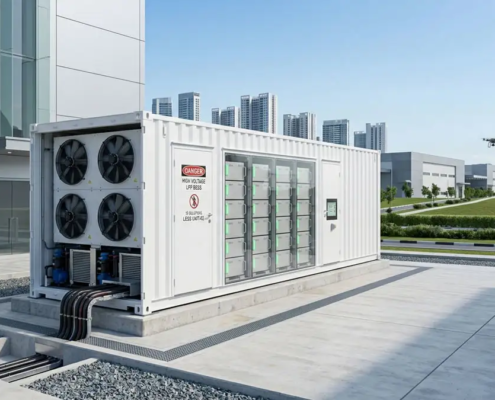 https://anengjipower.com/wp-content/uploads/2026/06/modular-commercial-solar-battery-storage-cabinet.webp
675
1000
Charging Station Engineer
https://anengjipower.com/wp-content/uploads/2025/09/anengji-dc-fast-charging-station-manufacturer-and-supplier-logo-white-1.png
Charging Station Engineer2026-06-18 09:16:522026-07-03 03:05:13What Is Solar Battery Storage? Complete C&I Engineering Guide
https://anengjipower.com/wp-content/uploads/2026/06/modular-commercial-solar-battery-storage-cabinet.webp
675
1000
Charging Station Engineer
https://anengjipower.com/wp-content/uploads/2025/09/anengji-dc-fast-charging-station-manufacturer-and-supplier-logo-white-1.png
Charging Station Engineer2026-06-18 09:16:522026-07-03 03:05:13What Is Solar Battery Storage? Complete C&I Engineering Guide


Leave a Reply
Want to join the discussion?Feel free to contribute!