
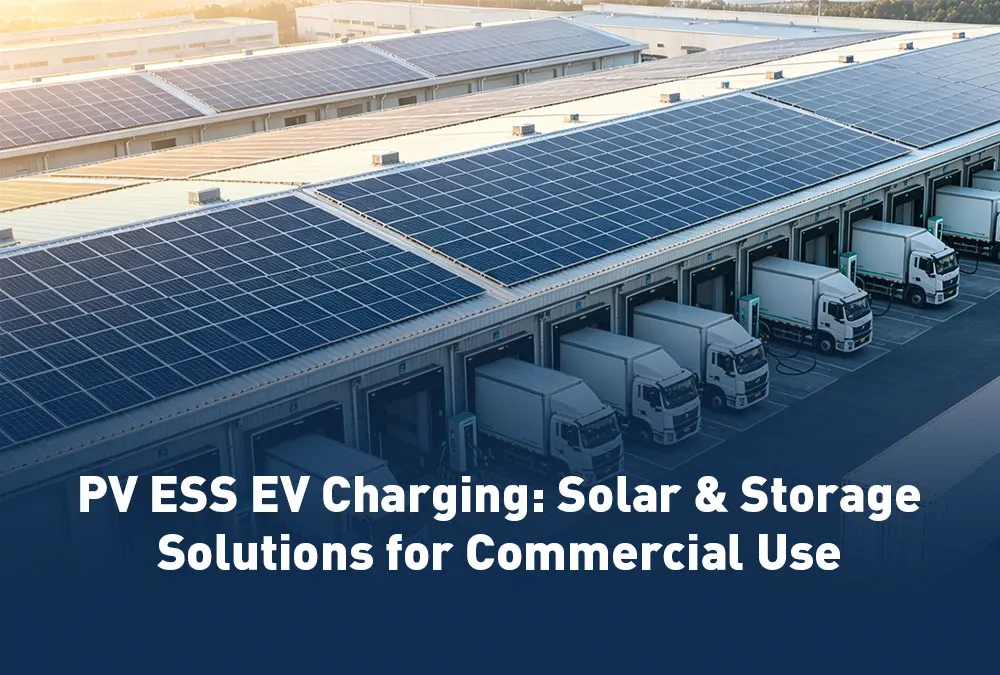
Introduction
The global shift toward electric mobility is no longer a future projection but a present-day industrial transformation. As ultra-fast charging hubs expand across highway corridors and urban centers, the limitations of legacy electrical grids have become a primary bottleneck for operators. To address this, the pv ess ev charging station solution for commercial use has emerged as the gold standard for sustainable and economically viable infrastructure. By integrating photovoltaic (PV) generation with a Battery Energy Storage System (BESS), businesses can decouple their charging demand from grid constraints, ensuring a reliable, high-power supply while dramatically lowering operational costs. This guide explores how the synergy of solar and storage is redefining the electric vehicle (EV) charging landscape.
What Is a PV ESS EV Charging Station (Solar + Battery EV Charging System)?
A pv ess ev charging station solution for commercial use is an integrated energy microgrid that combines three core pillars: renewable energy generation, energy storage, and EV charging infrastructure. Unlike traditional stations that rely solely on the utility grid, this system creates a “buffer” between the energy source and the vehicle.
Definition of PV + ESS + EV Charging Integration
The integration refers to a cohesive ecosystem where solar panels capture energy, a BESS stores that energy, and DC fast chargers deliver it to vehicles. This “all-in-one” approach allows for PV + BESS + EV charging integration, enabling the station to operate with a high degree of energy independence.
Key Components: PV System, BESS, PCS, BMS, EMS
To understand the reliability of a pv ess ev charging station solution for commercial use, one must look at its technical architecture:
- PV System: High-efficiency solar arrays that convert sunlight into DC electricity.
- Battery Energy Storage System (BESS): The core reservoir, typically utilizing LiFePO4 (Lithium Iron Phosphate) technology for its superior safety and cycle life.
- PCS (Power Conversion System): A bidirectional inverter that converts DC from PV/Batteries to AC for the grid/loads, or vice versa.
- BMS (Battery Management System): The safety layer that monitors cell-level voltage and temperature.
- EMS (Energy Management System): The “brain” of the smart EV charging energy management, optimizing power flow between the solar, battery, grid, and chargers.
How It Differs from Traditional EV Charging Stations
Traditional stations are “passive” consumers; they draw 100% of their power from the grid instantly. A pv ess ev charging station solution for commercial use is “active.” It can “Peak Shave” by using stored battery power during high-demand periods, preventing the grid from seeing massive “spikes” that lead to equipment failure or high fees.
Why PV + Battery Energy Storage Is Transforming EV Charging Infrastructure
The transition toward commercial EV charging with battery storage is driven by structural changes in the energy market and the increasing density of high-power chargers.
Rising Electricity Costs and Grid Constraints
In many industrial regions, the grid is “saturated.” Upgrading a transformer to support 500kW of charging can take 18-24 months and cost hundreds of thousands of dollars. An industrial pv ess ev charging system design allows for “Grid-Buffering,” where a small grid connection (e.g., 50kW) can support a 350kW charger by using the battery to bridge the gap.
Growth of EV Charging Demand in Commercial & Industrial Sectors
Commercial fleets and industrial parks are transitioning to electric vans and trucks. These vehicles require massive amounts of energy in short windows. Without an integrated solar storage ev charging station manufacturer partner to provide onsite storage, these facilities often face “brownouts” or are unable to charge their entire fleet simultaneously.
Role of Energy Storage in Smart Energy Management Systems (EMS)
The EMS utilizes AI algorithms to predict charging loads and weather patterns. Research published in ScienceDirect [1] indicates that intelligent power dispatching can improve system efficiency by over 15%, ensuring that solar energy is used when it is most valuable.
How a Solar Battery Storage EV Charging Station Works
The efficiency of a pv ess ev charging station solution for commercial use lies in its seamless energy conversion and dispatching logic.
Energy Flow: Solar Generation → Storage → EV Charging
- Generation: Solar panels produce DC power during daylight.
- Priority 1: Power is sent directly to EVs if they are plugged in.
- Priority 2: Excess power is sent to the BESS for later use.
- Priority 3: If the BESS is full and there is no charging demand, energy can be sold back to the grid (Grid-Connected).
Role of PCS (Power Conversion System) in Energy Conversion
The PCS is the heart of the hybrid energy storage charging station. It ensures that the electricity remains stable. When an EV initiates a fast charge, the PCS draws power from both the PV array and the BESS simultaneously to meet the high kW requirement without stressing the utility transformer.
How EMS Optimizes Power Dispatch (PV vs Grid vs Battery)
The EMS performs peak shaving and load management. If the facility’s total power consumption exceeds a pre-set limit, the EMS instantly switches the EV chargers to “Battery-Power” mode, keeping the grid draw constant and avoiding expensive “Demand Charges.”
Grid-Connected vs Off-Grid EV Charging Systems
- Grid-Connected: Works in tandem with the utility, offering the highest reliability and the ability to perform energy arbitrage.
- Off-grid EV charging station with storage: Ideal for remote highway locations where no grid exists. These rely 100% on solar powered EV charging station capabilities and large-scale BESS.
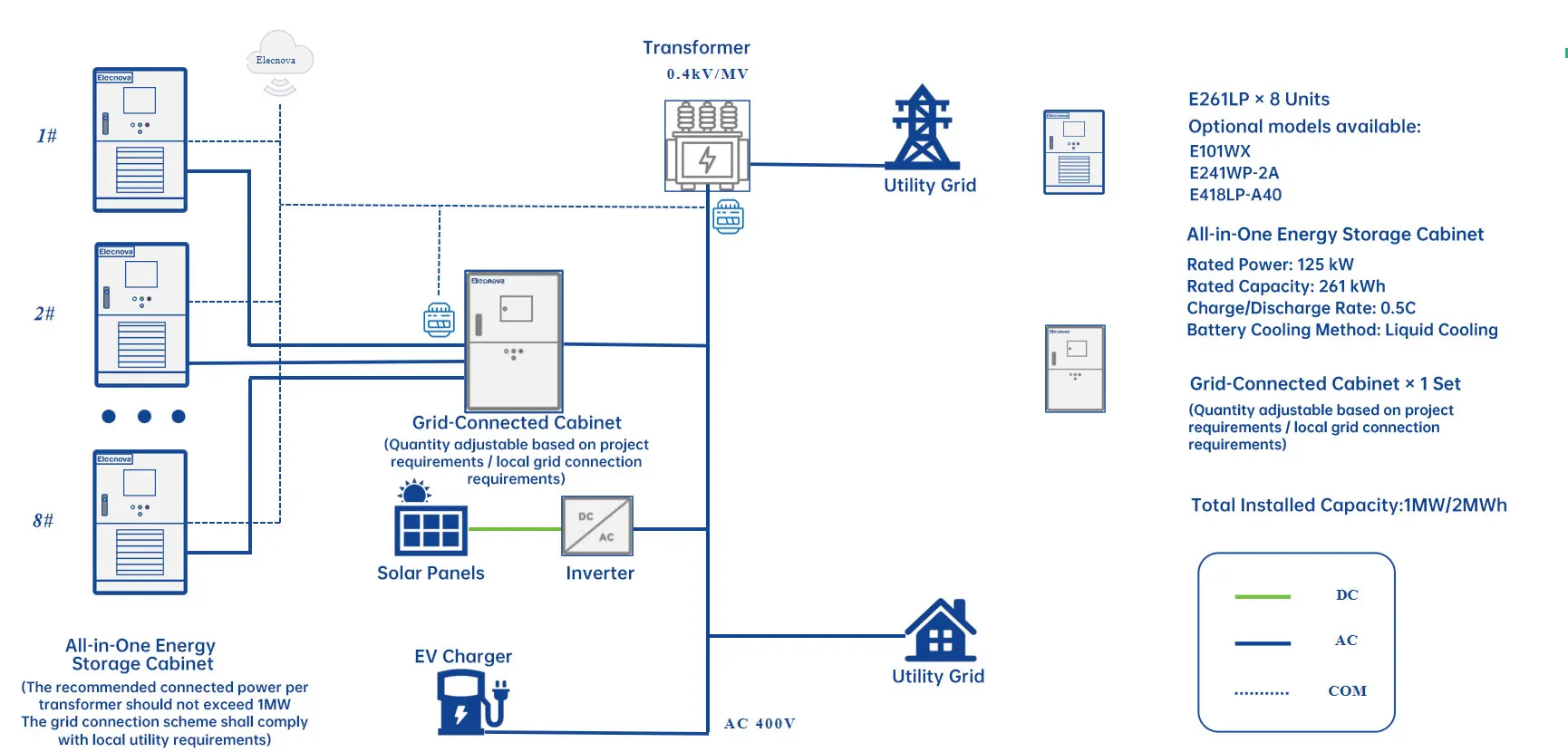
How Battery Energy Storage Works with EV Charging Stations
A dc fast charging station with battery storage and solar provides technical stability that standalone chargers simply cannot achieve.
Peak Shaving and Load Management
“Demand Charges” are based on the single highest 15-minute peak of the month. By using a pv ess ev charging station solution for commercial use, you can “shave” that peak.
Example Formula: Monthly Savings = (Peak Load without BESS - Peak Load with BESS) * Demand Charge Rate
If your BESS reduces your peak by 200kW and your rate is $15/kW, you save $3,000 per month on just one line item.
Supporting High-Power DC Fast Charging (Level 3 Chargers)
Modern Level 3 chargers require 150kW to 350kW per port. A microgrid EV charging solution ensures that even if four vehicles plug in at once, the system manages the load internally, drawing from the stored “buffer” rather than blowing the site’s main fuse.
Data Insight: The 2025-2026 Industry Outlook
According to recent studies in Nature [2], the global deployment of solar battery storage ev charging station cost-effective models is expected to grow by 35% annually through 2026. This is largely due to the falling cost of LFP batteries and the rising efficiency of N-type solar cells.
| Feature | Traditional EV Charging | PV + ESS Integrated Charging |
| Grid Reliance | 100% | 20% – 50% |
| Energy Cost | High (Market Rates) | Low (Solar + Arbitrage) |
| Grid Upgrade Req. | Frequent/Expensive | Minimal/Avoidable |
| Resilience | Zero during outages | Full (Island Mode) |
Key Benefits of Solar + Storage EV Charging Stations
Implementing a pv ess ev charging station solution for commercial use offers a multifaceted ROI that appeals to both CFOs and Facility Managers.
- Lower EV Charging Costs Through Solar Energy: Sunlight is free. By generating your own “fuel,” the solar battery storage ev charging station cost per mile drops significantly compared to buying retail electricity.
- Reduced Demand Charges with Battery Storage: As mentioned, peak shaving is the fastest way to see an ROI on your BESS investment.
- Improved Reliability and Energy Resilience: In the event of a grid failure, the station can enter “Island Mode,” continuing to charge vehicles using solar and stored battery power.
- Increased Renewable Energy Utilization: It ensures that 100% of your solar generation is used onsite rather than being “curtailed” or wasted.
- Avoiding Expensive Grid Upgrades: This is often the “make or break” factor for new sites. Using a BESS can save millions in substation and transformer upgrade costs.
Commercial & Industrial Applications of PV ESS EV Charging Solutions
The versatility of the integrated solar storage ev charging station manufacturer‘s design allows for deployment in diverse environments.
Factory and Industrial Parks
Factories often have large rooftop areas for PV and high base loads. Integrating a pv ess ev charging station solution for commercial use allows employees and fleet vehicles to charge using daytime solar production, reducing the factory’s overall carbon footprint.
Fleet Charging Depots (Logistics, Bus Fleets)
Logistics hubs require high-power charging, usually overnight or during tight turnarounds. A microgrid EV charging solution can store solar energy all day and discharge it at night into a fleet of delivery vans.
Highway Fast Charging Stations
For remote highway stretches, a dc fast charging station with battery storage and solar provides a “Power Oasis,” ensuring that long-distance travelers can charge at 150kW+ speeds even in areas with limited utility infrastructure.
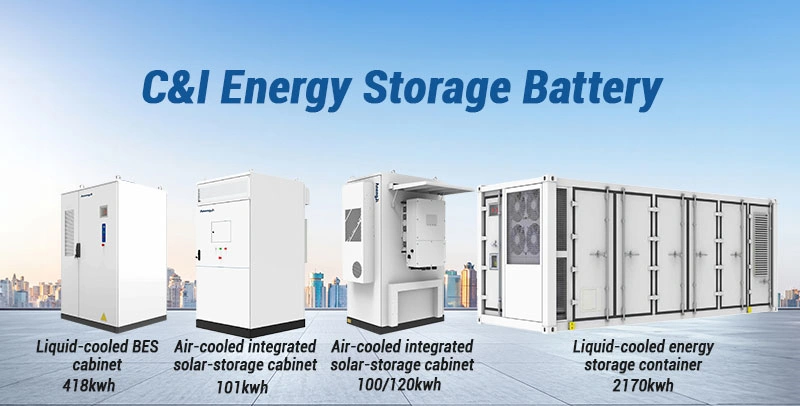
AnengJi PV ESS EV Charging Solution for Commercial & Industrial Use
As a leading integrated solar storage ev charging station manufacturer, AnengJi provides turnkey solutions designed for the rigors of 2025-2026 energy markets.
Integrated Solar + BESS + EV Charging System Architecture
Our architecture is built on modularity. Whether you need a 100kWh system for an office building or a 2MWh system for a bus depot, our PV + BESS + EV charging integration remains seamless and scalable.
Liquid-Cooled Battery Storage for High Performance
We utilize advanced liquid-cooling technology in our BESS units. This ensures that batteries stay at an optimal temperature even during rapid discharging for DC fast chargers, extending battery life by 20% compared to air-cooled alternatives.
Smart EMS for Real-Time Energy Optimization
The AnengJi EMS supports smart EV charging energy management, allowing operators to monitor their system via a cloud platform. You can track solar yield, battery health, and charging revenue in real-time.
Why Choose AnengJi for Solar + Storage EV Charging Projects
- Easy Integration with Existing Infrastructure: Our systems are designed to “plug and play” with your current electrical setup.
- Deep Technical Expertise: Our team consists of engineers with decades of experience in power electronics and EV infrastructure.
- Manufacturer Direct Supply: By eliminating middlemen, we provide the most competitive solar battery storage ev charging station cost in the industry.
- Global Support: With warehouses in the EU and localized service teams, we provide an 8-hour on-site response (and as fast as 2 hours in primary zones) for critical maintenance.
- Certifications: Our systems are fully CE certified, and flagship models have passed the UL9540A thermal runaway fire test, ensuring the highest level of site safety.
FAQ: PV ESS EV Charging Station Explained
Q1: Can solar alone power EV charging stations?
A: While possible for very small-scale use, solar alone is intermittent. To provide a reliable dc fast charging station with battery storage and solar, a BESS is required to bridge the gap during clouds or nighttime.
Q2: How does battery storage reduce EV charging costs?
A: It performs two functions: 1. Energy Arbitrage (buying cheap power at night to use during the day). 2. Peak Shaving (reducing demand charges). This significantly lowers the total electricity bill.
Q3: Is PV + ESS EV charging suitable for industrial applications?
A: Yes, it is the ideal industrial pv ess ev charging system design. It allows heavy industry to manage their power peaks while supporting the electrification of their logistics fleets.
Q4: What is the lifespan of the battery in these systems?
A: Using LiFePO4 technology, our batteries are rated for over 6,000 cycles. In a typical charging station application, this translates to a service life of 12 to 15 years.
Conclusion: Why PV ESS EV Charging Stations Are the Future
The integration of solar and storage into charging infrastructure is not merely a “green” initiative; it is an economic imperative. As grid stress increases and EV adoption accelerates, the pv ess ev charging station solution for commercial use offers the only scalable path forward.
Summary of Value
- PV + ESS + EV Charging = Lower Cost + Higher Efficiency: Reduce reliance on the grid and utilize free solar energy.
- Battery Storage Solves Grid Constraints: Bypass the 18-month wait for transformer upgrades and install high-power chargers today.
- Smart EMS Maximizes Energy Value: AI-driven management ensures that every kWh is used to its maximum financial potential.
- Ideal for Commercial & Industrial Deployment: From logistics hubs to shopping malls, integrated storage is the key to a profitable charging business.
For developers seeking a reliable integrated solar storage ev charging station manufacturer, the choice is clear. The synergy of high-performance hardware and intelligent software is the foundation of the modern energy grid.
References:
[1] ScienceDirect – Journal of Energy Storage: Optimization of PV-BESS-EV Charging Stations. (2025).
[2] Nature Communications: The Role of Distributed Energy Resources in Electrified Transportation. (2024).
 https://anengjipower.com/wp-content/uploads/2026/10/AnengjiPower-Load-Shifting-Energy-Storage-at-a-CI-Site.webp
675
1000
Charging Station Engineer
https://anengjipower.com/wp-content/uploads/2025/09/anengji-dc-fast-charging-station-manufacturer-and-supplier-logo-white-1.png
Charging Station Engineer2026-10-19 03:47:032026-10-19 03:47:31Load Shifting Energy Storage: C&I Sizing & Cost Guide
https://anengjipower.com/wp-content/uploads/2026/10/AnengjiPower-Load-Shifting-Energy-Storage-at-a-CI-Site.webp
675
1000
Charging Station Engineer
https://anengjipower.com/wp-content/uploads/2025/09/anengji-dc-fast-charging-station-manufacturer-and-supplier-logo-white-1.png
Charging Station Engineer2026-10-19 03:47:032026-10-19 03:47:31Load Shifting Energy Storage: C&I Sizing & Cost Guide https://anengjipower.com/wp-content/uploads/2026/10/AnengjiPowr-AC-Coupled-Battery-Storage-at-a-CI-Solar-Site.webp
675
1000
Charging Station Engineer
https://anengjipower.com/wp-content/uploads/2025/09/anengji-dc-fast-charging-station-manufacturer-and-supplier-logo-white-1.png
Charging Station Engineer2026-10-16 03:03:192026-10-16 03:03:49What Is AC-Coupled Battery Storage? C&I BESS Guide
https://anengjipower.com/wp-content/uploads/2026/10/AnengjiPowr-AC-Coupled-Battery-Storage-at-a-CI-Solar-Site.webp
675
1000
Charging Station Engineer
https://anengjipower.com/wp-content/uploads/2025/09/anengji-dc-fast-charging-station-manufacturer-and-supplier-logo-white-1.png
Charging Station Engineer2026-10-16 03:03:192026-10-16 03:03:49What Is AC-Coupled Battery Storage? C&I BESS Guide https://anengjipower.com/wp-content/uploads/2026/10/AnengjiPower-What-Is-Peak-Shaving-at-an-Industrial-Site.webp
675
1000
Charging Station Engineer
https://anengjipower.com/wp-content/uploads/2025/09/anengji-dc-fast-charging-station-manufacturer-and-supplier-logo-white-1.png
Charging Station Engineer2026-10-15 06:49:012026-10-15 06:50:23What Is Peak Shaving? How Battery Energy Storage Reduces C&I Peaks
https://anengjipower.com/wp-content/uploads/2026/10/AnengjiPower-What-Is-Peak-Shaving-at-an-Industrial-Site.webp
675
1000
Charging Station Engineer
https://anengjipower.com/wp-content/uploads/2025/09/anengji-dc-fast-charging-station-manufacturer-and-supplier-logo-white-1.png
Charging Station Engineer2026-10-15 06:49:012026-10-15 06:50:23What Is Peak Shaving? How Battery Energy Storage Reduces C&I Peaks


Leave a Reply
Want to join the discussion?Feel free to contribute!