
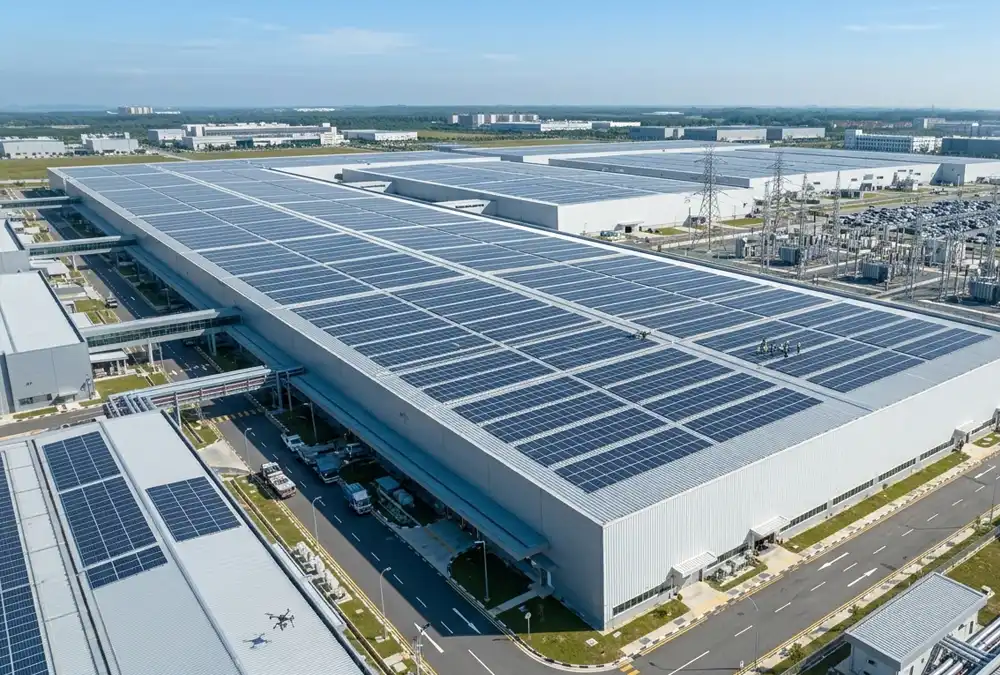
Introduction: Why C&I Solar Is Becoming a Strategic Investment for Modern Businesses
Grid electricity prices are out of control, unpredictable demand charges are eating margins, and supply chains face aggressive net-zero tracking. For business owners, checking the monthly energy bill has become an exercise in frustration. That is why deploying on-site C&I Solar infrastructure has quickly shifted from a green corporate public relations project into a cutthroat financial survival strategy. It is about seizing direct control over your fixed operational overhead. By deploying decentralized generation asset networks directly onto unutilized factory roofs or commercial real estate, companies turn a passive monthly expense into an owned financial asset.
Every commercial facility—from manufacturing centers with heavy baseline loads to sprawling logistics warehouses—has unique power demands. Moving away from total grid dependence brings up immediate, practical questions. What does a corporate energy project actually entail? How do you calculate an accurate, uninflated ROI? Is your facility a candidate for integrated battery storage? This comprehensive engineering and financial guide cuts through the marketing fluff to break down the technical realities of modern commercial and industrial solar integration.
Featured Snippet – What Is C&I Solar?
What Does C&I Solar Mean?
C&I Solar stands for Commercial and Industrial Solar. It refers to solar power systems designed specifically for commercial buildings, industrial facilities, warehouses, agricultural operations, and other non-residential energy users. These setups range from small tens-of-kilowatt rooftop installations to multi-megawatt behind-the-meter generation plants tailored to a business’s operational load profile.
How Is C&I Solar Different from Residential Solar?
Scale, complexity, and financial intent are completely different. A residential system is simple and small. In contrast, commercial solar systems require advanced medium-voltage engineering, structural slab load calculations, and three-phase power synchronization. While homeowners care about simple monthly bill offsets, corporate buyers evaluate strict internal rate of return (IRR) metrics, MACRS tax depreciation schedules, and multi-year risk mitigation.
Grid integration rules are also much tougher for businesses. Utilities often require advanced protective relaying, zero-export control systems, and active telemetry links with the central dispatch center. Residential properties rarely face these strict engineering requirements.
Why Are Businesses Investing in C&I Solar?
The main driver is protecting the bottom line from volatile retail utility pricing. Generating power on-site lets businesses bypass expensive peak tariffs during daytime operational shifts. Additionally, investing in C&I solar solutions shields companies from regional grid instability and helps them meet strict corporate sustainability mandates required by multinational buyers.
What Is C&I Solar and How Do Commercial and Industrial Solar Systems Work?
Definition of Commercial and Industrial Solar
At its core, it is behind-the-meter distributed solar generation built directly at the point of consumption. Unlike utility-scale power plants that feed electricity directly into transmission grids, these systems prioritize offsetting the facility’s internal power consumption in real time. This approach maximizes financial value by avoiding transmission fees and retail utility markups.
Core Components of a C&I Solar System
A reliable, industrial-grade installation depends on five primary hardware components:
- Solar Panels: High-density Tier-1 monocrystalline modules (often utilizing N-type TOPCon or HJT cell designs) built to maximize power output per square meter over a 25-year operational lifespan.
- Inverters: Intelligent string inverters or multi-megawatt central units that convert raw direct current (DC) into grid-synchronized alternating current (AC). They feature multiple MPPT tracking loops to handle partial roof shading.
- Mounting Structures: Anodized aluminum or hot-dip galvanized racking engineered for specific building layouts. Options include non-penetrative ballasted systems for flat concrete roofs or specialized clamps for standing-seam metal roofs.
- Monitoring Systems: Advanced industrial SCADA platforms paired with smart revenue-grade meters. These tools provide real-time visibility into generation efficiency, string errors, and consumption tracking.
- Protection Equipment: Heavy-duty safety components including AC/DC surge protection devices (SPDs), rapid shutdown units, arc-fault circuit interrupters (AFCI), and industrial circuit breakers.
How Commercial and Industrial Solar Generates Electricity
The process is straightforward but requires precise electrical balancing. Photovoltaic cells absorb sunlight, exciting electrons to create a DC current. This power flows down specialized solar cabling into the inverters, which transform it into clean AC electricity. The AC power then connects directly to the facility’s main distribution board via a dedicated breaker, feeding running machinery alongside utility power. If the solar array produces more power than the building needs, advanced controller systems either throttle production or route the excess into a battery system to avoid uncompensated export.
Common C&I Solar Deployment Models
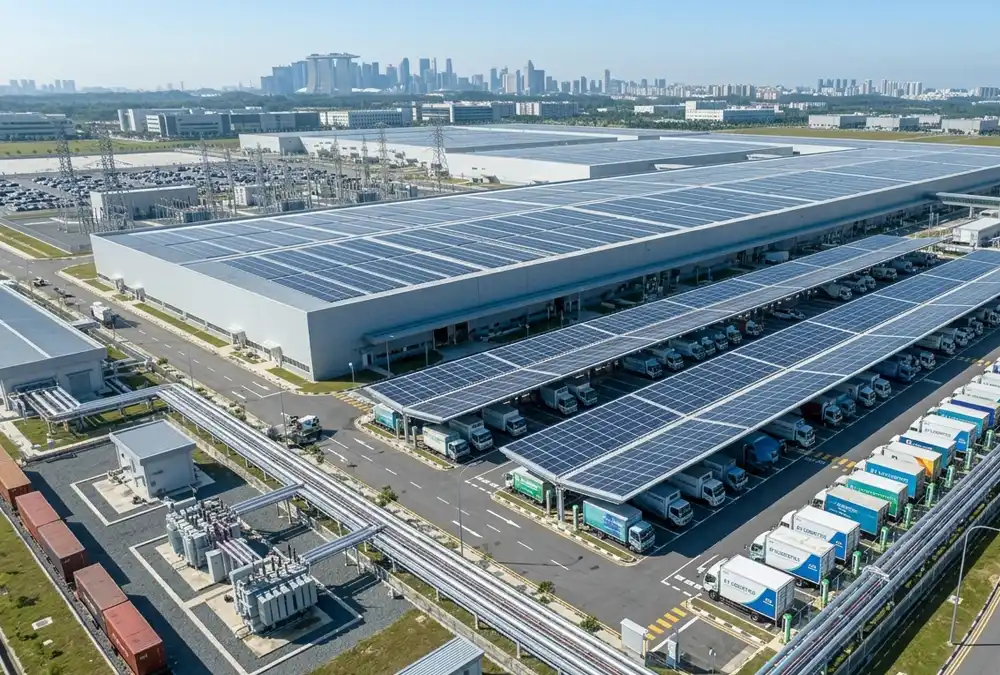
Every facility demands a tailored layout strategy. Commercial rooftop solar remains the most common choice, using empty warehouse roof space without altering ground operations. For facilities with extra land, ground-mounted solar offers optimized tilt angles and higher energy yields.
Solar carports turn open employee parking lots into high-output generation assets while shading vehicles. Finally, adding energy storage creates advanced solar plus storage solutions. This setup gives facilities full control over their generation, allowing them to store daytime solar energy and deploy it when utility rates spike.
Benefits of C&I Solar for Commercial and Industrial Facilities
Lower Electricity Costs and Long-Term Savings
On-site generation cuts reliance on expensive grid power. Instead of buying electricity at high retail rates during peak daytime hours, businesses use their own lower-cost solar energy. This immediate drop in utility bills lowers operational costs and delivers predictable savings for decades.
Financial Benefits and Improved Cash Flow
Deploying specialized solar energy for businesses delivers immediate financial returns. Shifting variable utility expenses into a predictable asset significantly stabilizes corporate cash flow. These predictable energy costs make it much easier for financial officers to build accurate multi-year operating budgets.
Government Incentives and Tax Credits
Government policies drastically improve project economics. Mechanisms like the Investment Tax Credit (ITC) allow businesses to deduct a large percentage of total installation costs directly from their corporate tax liabilities. Combining these credits with accelerated asset depreciation schedules lets companies recoup a significant portion of their initial capital investment in the very first year.
Better Utilization of Unused Commercial Space
Empty factory roofs, expansive logistics warehouses, and open employee parking lots are underutilized assets. Deploying commercial solar installation infrastructure turns these dead spaces into productive, revenue-generating generation hubs. This upgrade increases the overall property value without shrinking valuable industrial floor space.
Reducing Dependence on the Utility Grid
Relying completely on traditional utility grids exposes an enterprise to unexpected rate hikes, rolling blackouts, and power quality issues. On-site solar generation gives businesses long-term energy independence. This setup secures predictable electricity prices for the next 25 years, insulating operations from global energy market volatility.
Supporting ESG and Sustainability Commitments
International partners and institutional investors expect modern corporations to meet strict sustainability standards. Installing visible solar arrays provides clear proof of a company’s environmental commitment. Lowering carbon emissions improves brand equity and unlocks premium corporate partnership opportunities across global supply chains.
Environmental Benefits of Renewable Energy
Switching to industrial renewable energy drastically lowers an enterprise’s total carbon footprint. Offsetting fossil-fuel generation with clean, on-site solar power helps eliminate thousands of tons of greenhouse gases over the life of the system. This structural upgrade ensures compliance with local environmental regulations and supports corporate net-zero targets.
Reducing Pressure on the Power Grid
Large commercial facilities strain regional electrical infrastructure during peak daytime operational shifts. Generating power on-site directly reduces this local grid demand. This decentralized approach lowers the risk of regional brownouts and helps stabilize the broader community power grid.
Industrial Solar Systems: Why Energy-Intensive Industries Are Adopting C&I Solar
Manufacturing Facilities
Automated assembly lines, heavy casting machinery, and continuous production processes require massive amounts of daytime power. Deploying high-capacity industrial solar power arrays allows these plants to meet a major portion of their energy needs locally. This structural upgrade lowers production overhead per unit, giving manufacturers a distinct cost advantage in global markets.
Logistics and Warehousing Centers
Sprawling distribution hubs feature massive, unshaded flat roofs that are perfect for maximizing distributed solar generation. These systems easily run heavy, around-the-clock HVAC systems, automated sorting conveyors, and warehouse lighting. The predictable daytime power output aligns perfectly with high corporate utility pricing windows.
Food Processing Plants
Industrial refrigeration, cold-storage rooms, and automated processing lines cannot tolerate power interruptions or temperature fluctuations. Deploying solar for manufacturing facilities paired with energy storage ensures a continuous power supply. This integration lowers high daytime cooling costs and protects perishable inventory from grid failures.
Agricultural Operations
Modern commercial farms, large grain drying centers, and automated irrigation networks require significant power across expansive properties. On-site solar arrays run high-power water pumps and automated climate control systems efficiently. This setup reduces long-term operational costs and builds independence from rural grid connections.
Data Centers and Critical Infrastructure
Server farms require constant power and intensive, around-the-clock cooling. Integrating solar energy for industrial use helps offset massive daytime cooling demands. Combining this generation with high-capacity battery systems provides an extra layer of reliability, protecting critical digital infrastructure from sudden grid drops.
Large Industrial Parks
Shared industrial zones use centralized microgrids to optimize power delivery across multiple businesses. These multi-megawatt C&I solar projects use shared generation and storage assets to balance energy loads dynamically. This collaborative model lowers connection costs and provides reliable, low-cost power to all tenants.
Challenges and Constraints Facing the C&I Solar Market
High Initial Capital Investment
Building a multi-megawatt solar array requires a significant upfront capital investment. While long-term returns are excellent, allocating substantial CAPEX can strain a company’s near-term working capital. To address this challenge, many businesses look beyond traditional purchases toward creative commercial solar financing models like PPAs or capital leases to preserve cash.
Roof and Site Limitations
Not every industrial rooftop is ready for a solar installation. Older structures often require costly structural reinforcement to handle the extra weight of panels and ballasts safely. Obstacles like large industrial HVAC units, vents, and parapet walls can also cast shadows, shrinking the usable installation area and reducing system efficiency.
Grid Connection and Regulatory Challenges
Securing interconnection approvals from regional utility companies can be a slow, bureaucratic bottleneck. Utilities often require complex grid impact studies, expensive transformer upgrades, or strict zero-export controls before granting permission to connect. Navigating these shifting local rules requires an experienced engineering partner.
Energy Consumption Profile Mismatch
Solar generation peaks during midday sun, but a factory’s highest power demand might occur during early morning start-ups or late evening shifts. This mismatch can lower the financial value of the system if excess power is exported at low wholesale rates. Resolving this issue requires precise system sizing or adding energy storage.
Supply Chain and Equipment Availability
Global logistics bottlenecks, material tariffs, and shifting trade policies can delay major project timelines. Shortages of Tier-1 modules or specialized high-voltage inverters can stall installations for months. Managing these risks requires proactive equipment procurement and strong relationships with global manufacturers.
Financing and Investment Risks
Securing low-interest capital requires proving long-term asset performance to risk-averse lenders. Shifting utility rate structures, changing net-metering policies, and potential property sales can add complexity to financial models. Mitigating these underwriting risks demands institutional-grade engineering and clear, uninflated ROI projections.
Can C&I Solar Be Combined with Other Energy Technologies?
C&I Solar + Battery Energy Storage Systems (BESS)
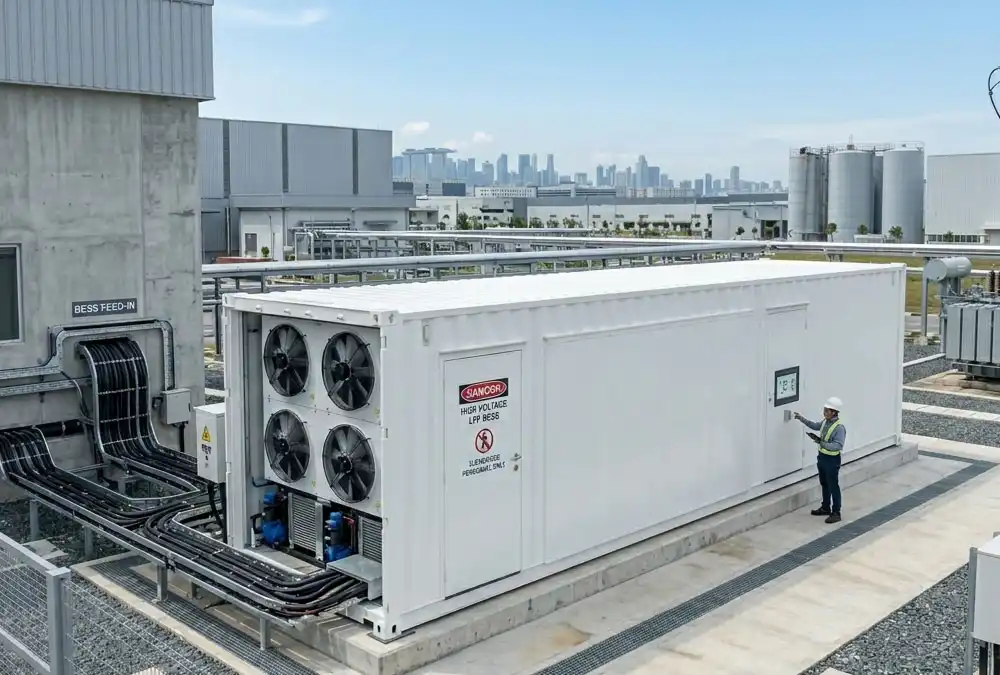
Adding a Battery Energy Storage System (BESS) turns a standard solar array into an intelligent, self-sufficient energy hub. This configuration relies on three core technologies to manage power dynamically:
- Power Conversion System (PCS): A heavy-duty, bidirectional inverter network that handles fast power switching. It changes DC battery power into grid-synchronized AC power, or takes excess solar AC power and converts it back to DC to charge the cells.
- Battery Management System (BMS): The internal safety controller. It monitors voltage, temperature, and state of charge across every individual cell, actively balancing the system to prevent overheating and extend battery life.
- Energy Management System (EMS): The software brain of the project. It tracks weather patterns, building loads, and utility pricing to optimize energy flow automatically.
For businesses facing high demand charges, this combination is incredibly valuable. The EMS runs automated peak shaving, discharging the battery storage for businesses the moment the building’s power draw crosses a costly utility threshold. This flattens peak demand and eliminates heavy fees without affecting factory production schedules.
For industrial applications, choosing the right battery technology is essential for balancing safety, lifespan, and costs. The table below outlines the primary industrial storage options available in 2026:
| Storage Technology | Technical Overview & Definition | Primary Business Application |
|---|---|---|
| Lithium Iron Phosphate (LFP) | Advanced lithium cells using iron phosphate chemistry. Offers excellent thermal stability, non-explosive safety metrics, and a long cycle life (6,000+ cycles). | The industry standard for c&i energy storage. Perfect for daily peak shaving and solar self-consumption. |
| Sodium-Ion (Na-Ion) | An emerging alternative utilizing abundant sodium ions instead of lithium. Eliminates raw material supply chain constraints and performs well across broad temperature ranges. | An increasingly popular low-cost alternative for basic commercial battery storage for solar installations where footprint space is flexible. |
| Vanadium Flow Batteries | A system that stores energy in external liquid electrolyte tanks. Offers an almost unlimited lifespan (20+ years) with zero capacity degradation, though it has a larger physical footprint. | Long-duration industrial energy storage (4 to 10+ hours) built for heavy manufacturing plants and multi-megawatt microgrids. |
C&I Solar + EV Charging Infrastructure
Combining distributed solar generation with EV charging stations creates a high-efficiency solution for commercial fleets. This integration allows companies to charge electric delivery trucks and employee vehicles directly from on-site solar power. This setup reduces overall transportation costs and bypasses the need for expensive utility grid upgrades.
C&I Solar + Diesel Generator Hybrid Systems
For remote industrial operations or regions with unreliable power grids, integrating solar with existing diesel generators cuts fuel consumption by up to 40%. The hybrid system uses fast microgrid controllers to balance power sources dynamically. This automated setup ensures maximum safety and fuel savings without sacrificing operational uptime.
C&I Solar + Microgrids
A full-scale industrial microgrid integrates solar, storage, backup generators, and local building controls into a single smart network. The setup can disconnect from the main utility grid during blackouts and operate independently in island mode. This high-level resilience keeps automated assembly lines running smoothly, protecting the business from costly downtime.
Future Integrated Energy Systems
Corporate energy management is moving toward unified digital networks. Future systems will combine AI-driven generation forecasting with automated power trading markets. This advanced integration allows businesses to automatically monetize their energy assets, selling excess stored power back to the grid when utility prices peak.
C&I Solar Installation Costs: What Determines Project Pricing?
Average Commercial and Industrial Solar Installation Costs
The total capital cost of an installation depends heavily on engineering scale and site-specific conditions. Because of bulk material procurement and efficient installation workflows, a commercial solar installation offers a much lower cost-per-watt than residential projects. Total budgets are split between PV hardware, structural racking, electrical balance of plant (BOP), and local grid connection fees.
Factors Affecting System Cost
System capacity is the primary cost driver, as larger multi-megawatt projects unlock better volume pricing on Tier-1 panels and inverters. Physical installation style also impacts the budget; flat-roof ballasted systems are highly cost-effective, while sloped metal rooftops or elevated solar carports require more structural steel and labor. Regional labor rates and specific local utility connection requirements can also introduce significant cost variations.
Solar-Only vs Solar + Storage Cost Comparison
Installing a solar-only system delivers the lowest initial CAPEX and offers simple bill reduction. However, adding a turnkey BESS container can increase the total upfront investment by 40% to 60%. Despite the higher initial cost, adding storage often yields a stronger long-term ROI for facilities facing high peak-demand fees or time-of-use pricing models.
How to Reduce Total Project Costs
Maximizing returns requires smart engineering and proactive procurement. Working with an experienced engineering partner helps optimize system sizing, preventing over-purchasing while ensuring high on-site energy consumption. Buying key components early helps lock in favorable pricing and avoids costly project delays caused by shifting global supply chains.
C&I Solar ROI and Payback Period Analysis
Typical Payback Periods for Commercial Solar Projects
Commercial facilities like retail complexes, office buildings, and corporate business parks typically see full project payback within 4 to 6 years. Because these properties use most of their power during standard daytime hours, their energy consumption matches solar generation perfectly. This high utilization rate leads to fast capital recovery and predictable financial savings.
Typical Payback Periods for Industrial Solar Projects
Heavy manufacturing plants and 24-hour industrial operations often achieve full payback in 5 to 7 years. While their intense energy demands require larger capital investments, their high volume of energy self-consumption delivers massive long-term value. This consistent performance ensures major utility bill reductions over the lifetime of the asset.
Key Factors Affecting ROI
The financial return on any corporate solar project depends on local retail electricity rates; higher grid tariffs make on-site generation incredibly valuable. Favorable net metering policies and regional tax incentives also speed up your payback timeline. Conversely, low utility pricing or restrictive utility connection rules can extend the capital recovery period.
How Battery Storage Improves Solar Economics
Integrating battery storage unlocks extra value streams that enhance overall project economics. Beyond standard peak shaving, a smart BESS allows businesses to participate in utility demand response programs. These programs pay companies to temporarily lower their grid draw during system emergencies. This automated energy management cuts operational costs while generating consistent revenue from the local utility grid.
Long-Term Financial Benefits Beyond Payback
Once a system achieves full payback, it continues to deliver virtually free electricity for the remainder of its 25+ year operational lifespan. This long-term performance flows straight to the company’s bottom line, lowering fixed overhead and boosting net profitability. This reliable financial cushion gives businesses a distinct competitive advantage over the long term.
Maintenance Requirements for Commercial and Industrial Solar Systems
Routine Solar Panel Maintenance
While solar panels have no moving parts, they still require regular preventive maintenance to perform at their best. Routine professional cleanings are essential in industrial zones to clear away dust, soot, and chemical residue that block sunlight. Annual physical inspections ensure all structural racking and module clamps remain perfectly secure.
Monitoring and Performance Optimization
Modern O&M teams rely on advanced SCADA monitoring platforms to track system health in real time. These smart tools monitor generation across individual panel strings and flag any drop-offs instantly. This data-driven approach allows technicians to spot partial shading issues or dirty panels early, keeping system efficiency high without interrupting daily business operations.
Inverter Maintenance and Replacement
Inverters handle heavy electrical conversion workloads and require regular care to ensure long-term reliability. Maintenance involves checking internal cooling fans, clearing air filters, and conducting thermal imaging inspections to catch overheating wires early. While Tier-1 panels last 25 years, inverters typically require a planned replacement around year 10 or 15.
Battery Storage Maintenance Considerations
Industrial BESS containers demand specialized technical management to ensure safety and performance. Technicians conduct regular inspections of the liquid-cooling systems, run automated cell-balancing protocols, and carefully monitor BMS safety data. Keeping the battery cells within optimal temperature ranges prevents degradation and secures the full warranty life.
Best Practices for Long-Term Reliability
Securing a 25-year operational lifespan requires setting up a structured asset management contract from day one. Partnering with an experienced provider ensures you receive scheduled preventive maintenance, fast warranty handling, and rapid on-site troubleshooting. This proactive approach minimizes downtime and protects your long-term financial returns.
The Current Scale of the Global C&I Solar Market
Global Commercial Solar Market Overview
The global corporate solar market is experiencing unprecedented deployment growth as businesses move to protect themselves from volatile fossil-fuel energy prices. According to recent 2025/2026 global clean energy transition reports, commercial distributed generation installations have grown significantly over the past three years. Rising utility rates and strict corporate ESG mandates have turned on-site solar into a mainstream infrastructure standard for modern corporations.
Industrial Solar Deployment Trends
Heavy industries are deploying much larger multi-megawatt behind-the-meter projects to protect energy-intensive manufacturing lines. These large-scale arrays are increasingly paired with integrated energy storage to balance high power demands. This trend allows factories to lower their carbon footprint per unit, keeping them compliant with strict international procurement standards.
Regional Growth in Europe, Asia, and North America
Europe’s strict carbon reduction policies and high energy prices continue to drive rapid corporate solar adoptions. In Asia, manufacturing hubs are investing heavily in rooftop arrays to secure reliable power and stay competitive in global supply chains. Meanwhile, North American expansion is surging, supported by excellent federal tax incentives and corporate clean energy mandates.
Key Drivers Accelerating Adoption
The global shift toward corporate solar is driven by a combination of favorable economics and clear strategic value. Falling hardware costs for high-efficiency panels and battery storage have significantly shortened project payback timelines. At the same time, rising corporate sustainability mandates and a growing need for energy resilience continue to push companies toward on-site generation.
Growth Potential of the C&I Solar Market Through 2035
The Impact of Rising Energy Prices
Traditional utility grids face ongoing challenges from aging infrastructure, carbon taxes, and volatile fuel markets, which will likely keep retail electricity prices climbing over the next decade. This shifting landscape makes on-site solar generation increasingly valuable every year. Businesses that secure their energy costs early will enjoy a growing cost advantage over competitors reliant on grid power.
Corporate Net-Zero Commitments
As multinational corporations work to hit their 2030 and 2035 net-zero carbon targets, they expect suppliers to lower their emissions accordingly. Factories and logistics providers that fail to adopt clean energy risks losing lucrative corporate contracts. Installing on-site solar ensures long-term compliance with global green supply chain standards.
Expansion of Solar + Storage Projects
The next decade will see a major shift toward fully integrated solar and storage infrastructure. As battery costs continue to drop, installing a solar-only system will become rare for heavy industrial users. Integrated BESS technology will become standard, giving businesses complete control over when they use, store, or export their clean energy.
Digital Energy Management and Smart Grids
Advanced software and smart grid integrations will turn commercial facilities into active energy hubs. Future C&I installations will use AI-driven software to manage generation, building loads, and battery storage automatically. These smart networks will allow businesses to participate in automated virtual power plants, creating a new source of steady revenue by helping stabilize the local utility grid.
Future Opportunities for Businesses Investing Early
Enterprises that invest in scalable energy infrastructure today will be well-positioned for future market changes. Early adopters lock in low, predictable power costs and secure valuable grid connection capacities before local networks become congested. This forward-looking approach protects corporate profitability and establishes a lasting sustainability advantage.
How to Determine Whether C&I Solar Is Right for Your Business
Evaluate Your Energy Consumption Profile
The first step in planning a project is analyzing your facility’s historical utility bills and interval power data. This review helps confirm that your highest energy use aligns well with daytime solar generation. Properties that run heavy daytime shifts can maximize on-site consumption, leading to exceptional project returns and a faster payback timeline.
Assess Site Suitability
Next, engineers must evaluate your property’s physical installation conditions. They check your roof’s structural integrity to ensure it can support the weight of solar modules and racking safely. They also evaluate shading from nearby obstacles and verify the roof material is in good condition to avoid having to remove panels for roof repairs later.
Calculate Financial Returns
Corporate financial officers need to run detailed financial models that account for all upfront capital costs, available tax credits, and projected utility savings. Working with an experienced engineering partner ensures you receive accurate, uninflated IRR projections. This clear financial analysis helps verify the installation meets your internal capital allocation goals.
Determine Whether Battery Storage Is Needed
Deciding to add battery storage depends on your local utility’s tariff structures and your need for backup power. If your business faces high peak-demand charges or relies on continuous power for sensitive manufacturing lines, adding a BESS container is a smart move. The storage system handles automated peak shaving and secures valuable operational resilience.
Choose the Right EPC Partner
The success of any corporate energy project depends on selecting a qualified C&I solar EPC contractor. Look for an engineering partner with a proven track record in complex industrial installations and deep knowledge of local grid regulations. A trusted partner manages everything from initial engineering to final commissioning, ensuring your system delivers peak performance for the next 25 years.
FAQ About C&I Solar
What Is C&I Solar?
It stands for Commercial and Industrial Solar, which refers to mid-to-large-scale solar energy systems built specifically for businesses, manufacturing plants, warehouses, and institutional facilities. These behind-the-meter systems are engineered to offset heavy corporate electrical loads and reduce high utility expenses.
How Much Does a Commercial and Industrial Solar System Cost?
The total investment depends on project scale, structural installation style, and whether you integrate battery storage. On a per-watt basis, C&I systems are significantly more cost-effective than residential setups, thanks to bulk material procurement and installation efficiencies.
How Long Does It Take to Recover the Investment?
Most commercial and industrial enterprises see full capital recovery within 4 to 7 years. Once the system achieves full payback, the clean energy asset continues to generate significant operational savings, flowing straight to the company’s bottom line for its 25+ year lifecycle.
Can C&I Solar Work Without Battery Storage?
Yes, solar-only configurations work perfectly fine and offer a lower initial investment. However, adding battery storage is highly recommended for facilities facing high peak-demand charges or grid instability, as it allows for automated peak shaving and provides reliable backup power during outages.
What Maintenance Is Required?
C&I installations require very little manual maintenance. Best practices include scheduling regular professional cleanings to remove dust build-up, annual thermal imaging of electrical connections, and continuous remote data monitoring to keep system efficiency above 99%.
Can C&I Solar Support Future Facility Expansion?
Yes, provided the initial electrical balance of plant (BOP) and grid connection pathways are engineered with extra capacity from day one. Working with an experienced EPC partner ensures your system layout can expand smoothly alongside your growing manufacturing lines or fleet charging needs.
Are Government Incentives Available for C&I Solar Projects?
Most regions offer excellent financial incentives to support corporate clean energy projects. These mechanisms include upfront grant subsidies, investment tax credits, and accelerated asset depreciation schedules, all designed to reduce initial CAPEX and shorten your payback timeline.
Conclusion – Why C&I Solar Is Becoming a Core Energy Strategy for Businesses
Key Takeaways for Commercial and Industrial Energy Users
Deploying an on-site solar array is a proven, high-yielding strategy to lower corporate operational expenses. It turns empty roof space into a source of predictable financial savings, protecting the company from volatile energy markets. This infrastructure investment cuts immediate utility costs while establishing long-term price stability for decades to come.
The Growing Importance of Solar + Storage Integration
As utility companies update their pricing models and increase demand charges, combining solar generation with smart battery storage is quickly becoming the standard for C&I projects. This hybrid approach gives enterprises complete control over when they use, store, or export their energy. This advanced flexibility maximizes financial returns while securing reliable backup power for continuous operations.
Building a More Profitable, Resilient, and Sustainable Business with C&I Solar
For modern corporations looking to lower fixed overhead, protect operations from grid failure, and meet strict ESG standards, investing in solar is a key strategic move. On-site clean energy generation is no longer just a sustainability goal; it is a vital piece of core infrastructure. Partnering with an experienced EPC contractor allows companies to secure long-term energy independence, protect future profitability, and build a highly sustainable competitive advantage.
 https://anengjipower.com/wp-content/uploads/2026/06/epc-vs-turnkey-solar-project-bess.webp
675
1000
Charging Station Engineer
https://anengjipower.com/wp-content/uploads/2025/09/anengji-dc-fast-charging-station-manufacturer-and-supplier-logo-white-1.png
Charging Station Engineer2026-06-22 07:16:042026-06-24 07:13:17What Is the Difference Between EPC and Turnkey Contract Models in Energy Projects?
https://anengjipower.com/wp-content/uploads/2026/06/epc-vs-turnkey-solar-project-bess.webp
675
1000
Charging Station Engineer
https://anengjipower.com/wp-content/uploads/2025/09/anengji-dc-fast-charging-station-manufacturer-and-supplier-logo-white-1.png
Charging Station Engineer2026-06-22 07:16:042026-06-24 07:13:17What Is the Difference Between EPC and Turnkey Contract Models in Energy Projects? https://anengjipower.com/wp-content/uploads/2026/06/anengji-commercial-solar-plus-storage-benefits-site.webp
675
1000
Charging Station Engineer
https://anengjipower.com/wp-content/uploads/2025/09/anengji-dc-fast-charging-station-manufacturer-and-supplier-logo-white-1.png
Charging Station Engineer2026-06-20 14:34:102026-06-20 14:37:43What Are the Top Benefits of Solar Battery Storage in Factories?
https://anengjipower.com/wp-content/uploads/2026/06/anengji-commercial-solar-plus-storage-benefits-site.webp
675
1000
Charging Station Engineer
https://anengjipower.com/wp-content/uploads/2025/09/anengji-dc-fast-charging-station-manufacturer-and-supplier-logo-white-1.png
Charging Station Engineer2026-06-20 14:34:102026-06-20 14:37:43What Are the Top Benefits of Solar Battery Storage in Factories? https://anengjipower.com/wp-content/uploads/2026/06/modular-commercial-solar-battery-storage-cabinet.webp
675
1000
Charging Station Engineer
https://anengjipower.com/wp-content/uploads/2025/09/anengji-dc-fast-charging-station-manufacturer-and-supplier-logo-white-1.png
Charging Station Engineer2026-06-18 09:16:522026-07-03 03:05:13What Is Solar Battery Storage? Complete C&I Engineering Guide
https://anengjipower.com/wp-content/uploads/2026/06/modular-commercial-solar-battery-storage-cabinet.webp
675
1000
Charging Station Engineer
https://anengjipower.com/wp-content/uploads/2025/09/anengji-dc-fast-charging-station-manufacturer-and-supplier-logo-white-1.png
Charging Station Engineer2026-06-18 09:16:522026-07-03 03:05:13What Is Solar Battery Storage? Complete C&I Engineering Guide


Leave a Reply
Want to join the discussion?Feel free to contribute!