
Introduction
Every industrial energy transition project starts on a drawing board. But the real headache begins when choosing a construction framework. I have seen massive budgets ruined because owners chose the wrong project delivery model. Today, understanding the nuances of epc vs turnkey can save your project from complete financial disaster. If you want a smooth project, you cannot afford to misunderstand this comparison. Choosing how you buy engineering services changes everything from your daily schedule to your ultimate liability.
The Growing Demand for Solar, BESS, and Integrated Energy Projects
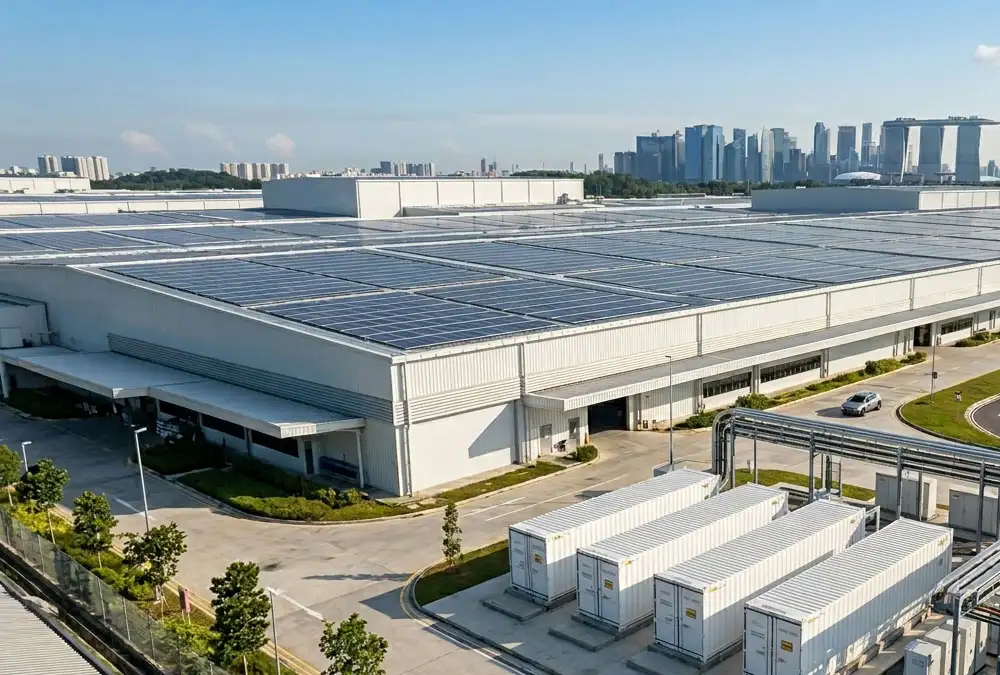
The race to decarbonize factories is moving at an incredible pace. Industrial clean energy projects are no longer small trial setups. They are complex multi-megawatt systems. BloombergNEF’s 2026 Corporate Energy Procurement Report notes that commercial clean energy investments have hit record highs this year. Companies are deploying huge solar arrays alongside large battery storage containers. This rapid expansion makes selecting the right project execution model a critical operational decision.
Why Project Delivery Models Affect Cost, Risk, and Project Success
Why do so many energy infrastructure projects run over budget? Why do commissioning dates constantly slip? Why do solar fields underperform by fifteen percent right after startup? The root cause is rarely bad solar panels or faulty engineering. It usually comes down to structural flaws in the contract. A poorly structured agreement creates blame games between contractors, leaving you with unexpected bills.
EPC vs Turnkey—Why So Many Project Owners Get Confused
Look at most energy industry forums. You will find endless arguments about whether engineering procurement construction is identical to a turnkey project delivery. Some developers treat the terms as interchangeable marketing slogans. They are not the same thing. Mistaking one for the other leaves major gaps in performance risk management. Let’s break down the actual contractual differences so you can protect your capital investment.
Featured Snippet – EPC vs Turnkey: What Is the Difference?
What Is EPC?
EPC stands for Engineering, Procurement, and Construction. In this framework, the owner hires a specialized solar epc contractor. This contractor creates the detailed designs, buys the equipment, and builds the plant. However, the owner often remains responsible for final grid permits and site preparation.
What Is a Turnkey Project?
A turnkey project definition centers entirely on complete product delivery. The contractor manages every step from the initial design-build contract stages to final grid synchronization. The owner simply waits for the system to hit its performance goals, takes the keys, and starts operating.
EPC vs Turnkey at a Glance
This quick reference matrix highlights the different divisions of project responsibility:
| Project Phase | Traditional EPC Framework | Turnkey Project Delivery |
|---|---|---|
| Engineering & Design | Included (Based on owner’s specs) | Included (Full contractor liability) |
| Equipment Procurement | Included | Included |
| Construction & Testing | Included | Included |
| Permits & Grid Interconnection | Often managed by the owner | Must be handled by the contractor |
| Performance Guarantees | Tied to individual component testing | Tied to overall operational output |
| Final Handover Responsibility | Ends after physical construction finishes | Ends only when fully operational |
What Is an EPC Contract in Solar and Energy Projects?
To evaluate which approach fits your budget, we must examine how a standard epc contract model functions during daily field operations.
Understanding Engineering, Procurement and Construction (EPC)
The traditional EPC setup is the standard workhorse of the energy sector. The owner provides a clear technical concept and basic site layout. The contractor then steps in to handle the detailed engineering and execution. It provides a structured approach, but it assumes the owner has the technical expertise to manage the contractor’s daily progress.
Key Responsibilities of an EPC Contractor
A standard solar project delivery model assigns four main duties to the contractor:
- Detailed Engineering: Creating actual electrical drawings and structural calculations.
- Equipment Procurement: Ordering solar panels, high-voltage inverters, and steel racks.
- Project Construction: Managing civil works, physical installation, and high-voltage wiring.
- Commissioning Support: Testing components to prove the system can handle power safely.
Advantages of EPC Contracts
The primary benefit is having a single point of responsibility for the physical build. If a racking system fails or an inverter is wired incorrectly, you deal with one contractor. This setup eliminates finger-pointing between designers and builders, speeding up construction and keeping costs predictable.
Limitations of Traditional EPC Models
Traditional EPC models can be rigid. If you want to modify the layout midway through construction, change-order fees accumulate rapidly. Furthermore, the owner often retains the risk for securing local utility interconnection permissions. If the utility delays your grid approval, you still have to pay the contractor on time.
What Is a Turnkey Project Delivery Model?
The turnkey model offers a simpler alternative, shifting almost all execution risk away from the project owner.
What Does “Turnkey” Really Mean?
In renewable energy storage projects, “turnkey” means the developer handles every single detail. The contractor assumes full responsibility for site surveys, civil permits, environmental clearances, utility connections, and system testing. The owner’s primary job is to provide the funding and state the required energy output.
Turnkey Projects and Performance-Based Delivery
A true commercial turnkey project service focuses entirely on final performance. You are not just buying individual battery racks or solar modules. You are purchasing a fully functional power source. The contract is structured around a simple goal: the plant must deliver a specific amount of power before you accept the keys.
Characteristics of Turnkey Projects
Turnkey projects typically utilize a strict fixed-price contract framework, often called a lump sum turnkey contract. This model protects you from unexpected price hikes due to supply chain disruptions. The final delivery date is firmly locked in, and the contractor faces heavy penalties if the project runs late.
Why Turnkey Solutions Are Growing in Renewable Energy
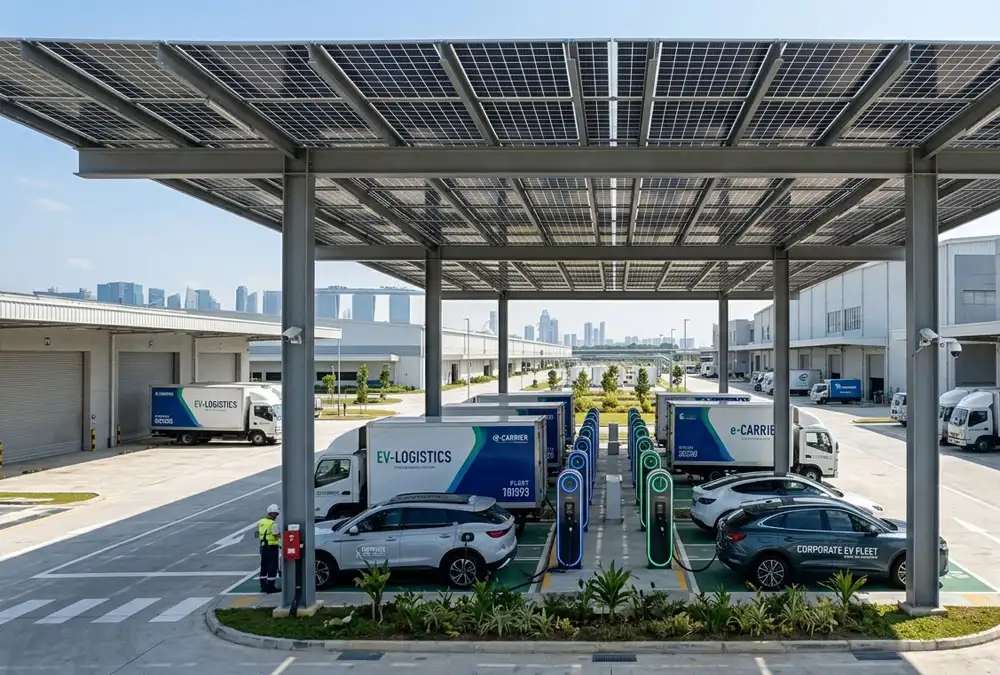
Modern clean energy installations are becoming highly complex. Consider a modern industrial facility adding a rooftop solar array, a heavy-duty battery energy storage system, and ten high-speed EV charging stations. Managing all those separate components is incredibly difficult. Investing in turnkey solar solutions eliminates that integration headache completely.
EPC vs Turnkey: The Main Differences Explained
While these models sound similar, their differences create vastly different experiences for project owners.
Scope of Responsibility
An EPC contractor’s scope ends when physical construction and component testing are complete. A turnkey contractor stays on-site longer. They must navigate utility bureaucracies, secure final operating permits, and handle grid synchronization before their job is officially done.
Risk Allocation
This is the most critical factor for your CFO. In a standard epc vs turnkey solar project comparison, the turnkey model shifts nearly all risk to the contractor. If unexpected soil issues require deeper pile driving, a turnkey contractor must absorb those costs under their fixed-price agreement. Under an EPC, that work often triggers a pricey change order.
Project Control
There is always a tradeoff in project management. The turnkey model offers excellent price certainty, but you lose a lot of daily design control. If you want to choose specific brands for your switchgear or monitor every wiring choice, a traditional EPC contract gives you much more oversight.
Performance Guarantees
EPC guarantees usually focus on individual components, like verifying that a specific solar inverter hits its rated efficiency. Turnkey guarantees look at the whole system over time. They guarantee the entire plant will deliver a specific number of kilowatt-hours annually under local weather conditions.
Contract Structure
EPC agreements can include variable cost clauses for civil engineering work. Turnkey energy solutions rely almost exclusively on strict lump-sum pricing. This structure makes turnkey projects highly attractive to commercial banks and external project investors who demand absolute cost certainty.
Owner Involvement Requirements
An EPC project requires your internal engineering team to attend weekly progress meetings and approve design choices. A turnkey project requires very little daily owner involvement. This hands-off approach makes it the perfect model for companies that lack an in-house energy engineering department.
EPC vs Turnkey Comprehensive Comparison
Here is a detailed breakdown of how these two project delivery models compare across key operational areas:
| Evaluation Category | EPC Project Model | Turnkey Project Model |
|---|---|---|
| Contract Price Adjustments | Permitted for unforeseen site conditions | Strictly fixed via lump-sum agreements |
| Engineering Design Autonomy | Owner retains final approval of brands | Contractor selects components to hit targets |
| Grid Interconnection Risk | Shared; owner often manages utility filings | Borne entirely by the contractor |
| Internal Resource Drain | Requires active, expert owner oversight | Minimal; project is managed externally |
| Ideal Financial Profile | Suits flexible corporate capital budgets | Perfect for non-recourse project financing |
EPC Turnkey Solar Contracts: Efficiency, Simplicity, and EPC 2.0
The line between these two project delivery models is blurring as technology advances, creating more efficient modern contract options.
Solar EPC Contracts – Efficient but Less Flexible
For standard ground-mounted solar fields, a traditional EPC approach works efficiently because the engineering steps are highly repeatable. However, if your factory floor layout changes during construction, adapting the electrical designs under a traditional EPC can become slow and expensive.
EPC Projects – Minimal Owner Involvement
To capture the cost benefits of an EPC without the administrative burden, many corporations hire an external Owner’s Engineer. This consultant manages the epc vs turnkey project management details on your behalf, giving you strong technical oversight without draining your internal team’s time.
EPC 2.0 – The Evolution Toward Turnkey Project Delivery
We are now seeing the rise of “EPC 2.0” in the renewable sector. As industrial sites install complex, multi-technology systems—combining solar, BESS, and high-power EV charging hubs—traditional contracts are struggling. The industry is moving toward unified turnkey solutions to ensure all these smart systems work together smoothly.
Why EPC Contractors Now Offer Turnkey Solutions
To win large corporate accounts, top-tier solar epc contractor firms are expanding their services. They are taking on grid interconnection risks and handling local permitting themselves, essentially operating as turnkey epc partners to simplify things for their clients.
Design-Bid-Build vs Turnkey Project Delivery
To fully appreciate these modern models, it helps to compare them to old-school construction methods.
What Is Design-Bid-Build?
Design-Bid-Build is the traditional three-phase construction method. You hire an independent architect to design the system, then open that finished design to bidding from various builders, and finally hire the lowest bidder to construct it.
How Design-Bid-Build Differs from Turnkey Delivery
Turnkey combines design and construction into a single contract. In Design-Bid-Build, the designer and builder are completely separate companies. If a system fails to perform, the builder often blames bad design drawings, while the designer blames poor construction quality, leaving the owner stuck in the middle.
Advantages and Drawbacks of Design-Bid-Build
The main advantage is complete control over every line of the design documents. The downside is a much slower timeline and a high risk of costly legal disputes if errors are found in the drawings during construction.
Why Renewable Energy Projects Prefer EPC or Turnkey Models
Clean energy hardware evolves rapidly. A design completed last year might use outdated solar modules by the time you start bidding. EPC and turnkey frameworks allow engineering and procurement to happen simultaneously, ensuring your project uses the latest, most cost-effective hardware available.
Can My EPC Contractor Provide a Turnkey Solution?
Yes, many experienced industrial contractors can scale up their services to deliver a full turnkey solution, but you must verify their actual capabilities before signing anything.
When EPC Contractors Also Act as Turnkey Providers
A contractor can transition into a turnkey provider if they have an in-house team of regulatory experts, civil engineers, and experienced grid-interconnection managers. They must be comfortable handling local utility negotiations and accepting full liability for the project timeline.
Questions to Ask Before Signing a Contract
Before moving forward with an epc vs turnkey contract choice, ask your prospective contractor these three direct questions:
- Do you have a proven track record of managing utility grid connections in this specific territory?
- Is your contract price fully inclusive of all local environmental testing, civil permits, and utility impact fees?
- What specific liquidated damages will you pay if the system misses its final performance targets?
*Note: Liquidated damages are pre-agreed financial penalties a contractor pays daily if they miss the project deadline.*
How to Verify Turnkey Delivery Capabilities
Do not rely on glossy brochures. Ask to see actual performance logs from their past energy infrastructure projects. Speak with previous clients to verify if the contractor completed those systems on schedule without adding unexpected fees.
Performance Guarantees and Acceptance Criteria
Your contract must clearly define how the system will be accepted. For a battery energy storage system, the acceptance test must verify real-world capacity, system round-trip efficiency, and response times under full operational loads.
Which Model Saves More Money: EPC or Turnkey?
Every CFO wants to know which approach delivers a better return on investment. The answer depends on how you measure your project costs.
Comparing Initial Project Costs
On paper, a traditional EPC contract often looks cheaper than a turnkey bid for the exact same solar field. This is because a turnkey contractor includes a risk premium in their price to cover potential permitting delays or unexpected site issues. They charge more upfront to protect you from future cost overruns.
Comparing Lifecycle Costs
When you look at total lifecycle expenses, the turnkey model often comes out ahead. It eliminates expensive change orders and prevents extended project delays, which often offsets that initial upfront risk premium.
Hidden Costs and Risk Exposure
The hidden cost in a traditional EPC is the drain on your internal staff’s time. If your team spends months managing permits and resolving contractor disputes, those internal labor costs eat away at your projected solar storage ROI.
Cost Optimization Strategies for Energy Projects
If you have an experienced internal engineering team, choosing an EPC model can save you money by avoiding the turnkey risk premium. But if your company focuses on core manufacturing and lacks energy expertise, paying for a turnkey project is the safest way to protect your budget.
Which Model Saves More Time: EPC or Turnkey?
Time is money when dealing with volatile utility rates. The faster your clean energy system goes live, the sooner you start cutting your electricity bills.
Project Scheduling Differences
The turnkey model is almost always faster. Because a single company manages engineering, procurement, and permitting, they can fast-track the schedule. They can order long-lead equipment like high-voltage transformers while final civil permits are still being processed.
Procurement and Construction Coordination
In an EPC project, construction can grind to a halt if an owner-managed permit faces delays. In a turnkey project, the contractor coordinates every step dynamically, shifting field crews to alternative tasks to keep the project moving forward.
Commissioning and Handover Timelines
Handing over an EPC project can trigger long debates about whether a component meets its exact specifications. A turnkey contract simplifies this process with clear, performance-based targets: once the system passes its pre-agreed output tests, the keys are handed over immediately.
Typical Project Duration Comparison
For a standard 5-megawatt industrial solar and storage system, a turnkey project delivery model can shave two to three months off the total timeline. This speed allows you to start generation sooner and avoid expensive peak-season utility tariffs.
Best Applications for EPC Project Delivery
Despite the benefits of turnkey options, the traditional EPC model remains highly effective for specific types of energy projects.
Commercial and Industrial Solar Projects
An EPC framework works beautifully if your company has already built identical solar setups across multiple factories. Your internal team already knows the preferred component brands, allowing you to use an EPC contractor strictly for efficient execution.
Projects Requiring More Owner Control
If your facility operates sensitive electronic equipment or complex automated assembly lines, you may want total control over the electrical designs. An EPC contract gives you the power to dictate every hardware brand and wiring layout used on your property.
Expansion Projects and Retrofits
Adding a new battery storage container to an existing solar field is a perfect fit for an EPC model. Since the original site permits and grid connections are already established, you just need a contractor to handle the specific engineering and installation work.
Large Multi-Phase Developments
For massive, multi-year utility-scale projects, developers often use an EPC model to break the build into separate phases. This approach allows them to renegotiate equipment pricing for later phases as hardware costs drop over time.
Best Applications for Turnkey Solutions
The turnkey model shines brightest when dealing with complex, multi-technology installations or fast-track corporate projects.
Utility-Scale Solar Farms
For investment firms building large solar farms, certainty is everything. Investors prefer turnkey contracts because they lock in fixed pricing and clear completion dates, making it easy to secure non-recourse project financing from commercial banks.
Battery Energy Storage System (BESS) Projects
Industrial battery energy storage systems are complex pieces of chemical and electrical engineering. They require precise thermal management, advanced fire protection, and rapid-response software controls. To help businesses understand these systems, let’s break down the core technologies:
- Lithium Iron Phosphate (LFP) Batteries: The modern industrial standard. These systems use stable iron phosphate chemistry that resists thermal runaway (overheating and fire), ensuring excellent site safety and a long operating life of over 6,000 cycles.
- Vanadium Redox Flow Alternative: A non-degrading storage alternative that keeps chemical energy in external liquid tanks. It lasts for decades without losing capacity, making it perfect for long-duration utility projects, though it requires a much larger physical footprint.
Because integrating these advanced technologies requires specialized expertise, managing a BESS installation through an epc vs turnkey battery energy storage projects framework is highly recommended to avoid technical integration mistakes.
Solar + Storage Hybrid Projects
Combining solar panels with a large battery storage system creates serious integration challenges. The system’s software must balance solar generation, battery charging, and building loads in real-time. Buying a unified turnkey solution ensures these systems work together perfectly right out of the box.
EV Charging Infrastructure Projects
Installing high-power fleet charging stations requires major upgrades to your facility’s electrical grid connection. A turnkey provider handles all those complex utility upgrades and grid impact studies, allowing you to focus on managing your vehicles.
Projects with Limited Internal Resources
If your company does not employ full-time power systems engineers, do not try to manage an EPC contract. Choosing a turnkey delivery model protects your business from technical errors and lets your team focus on your core operations.
How to Choose Between EPC and Turnkey Delivery Models
When making your final decision, look past generic marketing advice and focus on your company’s actual operational capabilities.
Evaluate Your Internal Project Management Capabilities
Be honest about your team’s expertise. Do you have an in-house electrical engineer who understands high-voltage grid connections? If not, cross the EPC model off your list and look for a qualified turnkey provider.
Assess Risk Tolerance
If your company demands absolute cost certainty and cannot afford unexpected project expenses, a turnkey contract is the right choice. It shifts the financial risks of construction directly onto the contractor’s shoulders.
Consider Budget Certainty Requirements
If your project relies on external bank funding, investors will likely insist on a turnkey framework. Banks prefer the protection of a fixed-price contract with clear liquidated damages clauses.
Review Performance Guarantee Expectations
If you want a simple contract that guarantees your entire plant will deliver a specific financial return, choose a turnkey solution. This model judges success by total system output, not just individual component performance.
Align Contract Structure with Project Goals
Match the contract model to your project’s complexity. A simple rooftop solar install can run smoothly under a traditional EPC. A complex, multi-technology hybrid microgrid requires the security of a unified turnkey contract.
FAQ About EPC vs Turnkey Projects
Is EPC the Same as Turnkey?
No, they are different frameworks. An EPC contractor handles detailed engineering, buying equipment, and physical construction. A turnkey contractor takes on extra responsibilities, managing all site permits, civil clearances, and final utility grid connections.
Which Model Is Better for Solar Projects?
It depends on your internal resources. For standard setups where the owner can manage utility permits, an EPC model offers good design flexibility. For complex solar plus storage projects, a turnkey model is usually better because it eliminates technical integration risks.
Which Model Has Lower Risk?
The turnkey model offers much lower risk for the project owner. It uses a fixed-price contract that shifts the financial burden of construction delays or unexpected site issues entirely to the contractor.
Can an EPC Contractor Deliver a Turnkey Project?
Yes, but only if they have the internal capability to manage local civil permits and utility grid approvals. You must review their past project history to verify they can handle full turnkey delivery responsibilities.
Which Model Is More Cost Effective?
An EPC model can offer lower upfront costs if you have an in-house engineering team to manage the project risks. If you lack those internal resources, a turnkey contract is more cost-effective because it protects you from expensive change orders.
Which Model Is Faster to Implement?
The turnkey model is typically faster. Having a single company manage engineering, purchasing, and local permitting allows them to fast-track the schedule and complete the project sooner.
Conclusion – EPC vs Turnkey: Choosing the Right Path for Project Success
Key Takeaways
Selecting the right construction framework is a critical step for your project’s financial success. The traditional EPC model focuses on efficient physical execution, giving you great component-level control. The turnkey model focuses entirely on the final operational result, providing absolute cost certainty.
Selecting the Best Delivery Model for Solar, BESS, and Energy Infrastructure Projects
As clean energy systems grow larger and more complex, picking the right contract model is essential. You must balance your need for design control against your tolerance for construction risk. Sizing your contract framework correctly ensures your project hits its financial and operational goals cleanly.
Work with an Experienced EPC and Turnkey Energy Partner
Building a profitable, long-lasting energy asset requires a partner with deep engineering experience. AnengJi Power delivers field-proven solar, high-capacity BESS, and EV charging solutions tailored to your facility’s exact needs. Whether you need an efficient EPC build or a comprehensive turnkey installation, our team handles every step safely.
For more information about AnengJi Power’s solar, battery energy storage, and EV charging solutions, visit anengjipower.com and discover how integrated renewable energy systems can help you reduce costs, improve resilience, and achieve long-term sustainability goals.
Related Articles
 https://anengjipower.com/wp-content/uploads/2026/06/epc-vs-turnkey-solar-project-bess.webp
675
1000
Charging Station Engineer
https://anengjipower.com/wp-content/uploads/2025/09/anengji-dc-fast-charging-station-manufacturer-and-supplier-logo-white-1.png
Charging Station Engineer2026-06-22 07:16:042026-06-24 07:13:17What Is the Difference Between EPC and Turnkey Contract Models in Energy Projects?
https://anengjipower.com/wp-content/uploads/2026/06/epc-vs-turnkey-solar-project-bess.webp
675
1000
Charging Station Engineer
https://anengjipower.com/wp-content/uploads/2025/09/anengji-dc-fast-charging-station-manufacturer-and-supplier-logo-white-1.png
Charging Station Engineer2026-06-22 07:16:042026-06-24 07:13:17What Is the Difference Between EPC and Turnkey Contract Models in Energy Projects? https://anengjipower.com/wp-content/uploads/2026/06/anengji-commercial-solar-plus-storage-benefits-site.webp
675
1000
Charging Station Engineer
https://anengjipower.com/wp-content/uploads/2025/09/anengji-dc-fast-charging-station-manufacturer-and-supplier-logo-white-1.png
Charging Station Engineer2026-06-20 14:34:102026-06-20 14:37:43What Are the Top Benefits of Solar Battery Storage in Factories?
https://anengjipower.com/wp-content/uploads/2026/06/anengji-commercial-solar-plus-storage-benefits-site.webp
675
1000
Charging Station Engineer
https://anengjipower.com/wp-content/uploads/2025/09/anengji-dc-fast-charging-station-manufacturer-and-supplier-logo-white-1.png
Charging Station Engineer2026-06-20 14:34:102026-06-20 14:37:43What Are the Top Benefits of Solar Battery Storage in Factories?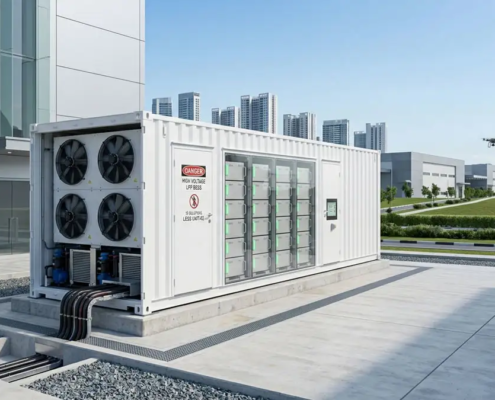 https://anengjipower.com/wp-content/uploads/2026/06/modular-commercial-solar-battery-storage-cabinet.webp
675
1000
Charging Station Engineer
https://anengjipower.com/wp-content/uploads/2025/09/anengji-dc-fast-charging-station-manufacturer-and-supplier-logo-white-1.png
Charging Station Engineer2026-06-18 09:16:522026-07-03 03:05:13What Is Solar Battery Storage? Complete C&I Engineering Guide
https://anengjipower.com/wp-content/uploads/2026/06/modular-commercial-solar-battery-storage-cabinet.webp
675
1000
Charging Station Engineer
https://anengjipower.com/wp-content/uploads/2025/09/anengji-dc-fast-charging-station-manufacturer-and-supplier-logo-white-1.png
Charging Station Engineer2026-06-18 09:16:522026-07-03 03:05:13What Is Solar Battery Storage? Complete C&I Engineering Guide


Leave a Reply
Want to join the discussion?Feel free to contribute!