
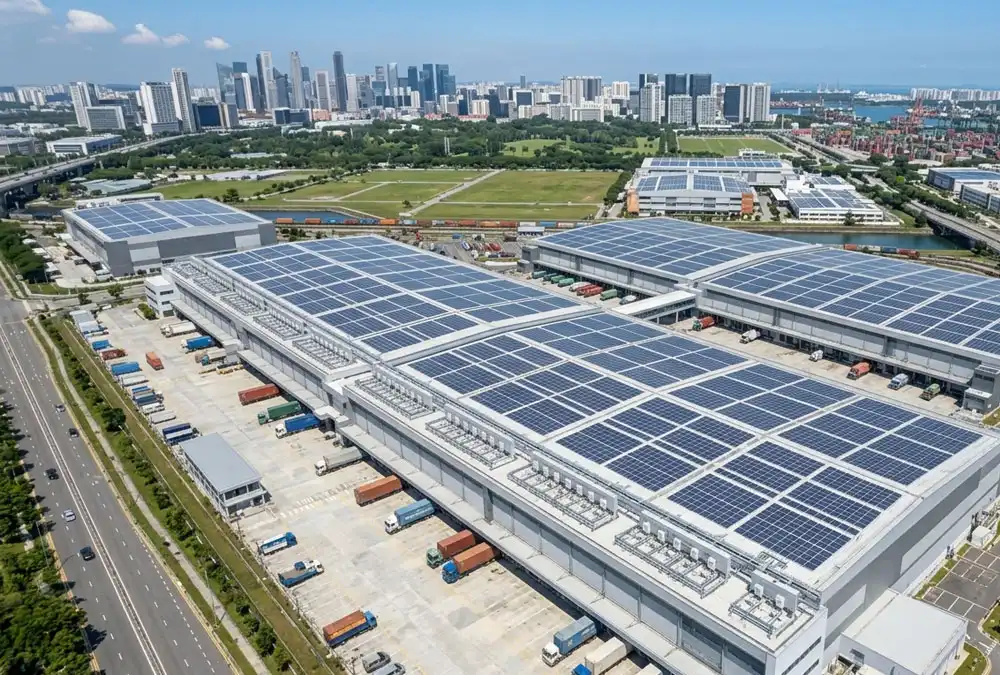
Introduction: Why Choosing the Right Solar Delivery Model Matters
Rapidly fluctuating electricity markets force global businesses to reconsider energy sourcing strategy. Escalating net-zero mandates compel industrial operations to adopt distributed generation quickly. Commercial energy consumers now invest heavily in heavy-duty photovoltaic infrastructure to lower baseline expenditures. However, deploying multi-megawatt systems introduces operational friction before physical construction begins. Project developers routinely confront a pivotal structural dilemma regarding procurement methodology. Should enterprises leverage integrated Turnkey Solar Solutions or utilize fragmented traditional solar installation contracts?
This fundamental framework decision dictates capital deployment efficiency for decades. The chosen engineering model reshapes direct up-front capital expenditures radically. It also dictates overall engineering schedules, insurance premiums, and systemic technical risk profiles. Fragmented execution models often expose commercial enterprises to severe operational vulnerabilities. Conversely, utilizing a unified developer provides predictable deployment vectors across diverse asset portfolios. This comprehensive engineering evaluation contrasts both execution strategies across industrial application sectors.
Featured Snippet – Turnkey Solar Solutions vs Traditional Solar Installation
What Are Turnkey Solar Solutions?
Turnkey solar solutions represent fully comprehensive, end-to-end clean energy asset delivery models. A single specialized contractor manages engineering, advanced procurement, physical construction, and grid connection. The asset owner receives an operational, fully commissioned solar plant ready for immediate power generation. All technical liabilities, regulatory clearances, and performance benchmarks rest under one single point of accountability.
What Is Traditional Solar Installation?
Traditional solar installation requires the project owner to act as the primary multi-party coordinator. The developer manually sources discrete contracts for specialized electrical engineering, component manufacturing, and local field construction. Procurement, logistics management, civil engineering, and utility interconnection negotiations are handled by separate individual entities. The asset owner bears the ultimate systemic risk of component incompatibility and project delays.
Which Option Is Better?
For commercial, industrial, and utility-scale projects, Turnkey Solar Solutions offer superior financial and operational security. This unified model eliminates structural communication gaps, shortens interconnection timelines, and provides comprehensive performance guarantees. Traditional multi-contract models remain viable only for smaller projects with internal engineering teams. Large-scale decarbonization assets require the minimized risk profile of unified procurement.
Why Businesses Compare Turnkey Solar Solutions with Traditional Installation
Concern 1 – Which Option Is More Cost-Effective?
Corporate financial officers must evaluate total cost of ownership beyond initial contract line items. Multi-contract procurement structures frequently present deceptively low baseline bids from uncoordinated field contractors. However, unaligned engineering scopes often trigger frequent, expensive change orders during field execution phases. Organizations must calculate internal overhead costs spent managing disparate equipment suppliers over multi-month schedules. Volume-scale equipment procurement through an established developer typically yields superior asset pricing compared to individual buying structures.
Concern 2 – Which Model Carries Less Project Risk?
Industrial infrastructure deployments face severe macroeconomic headwinds, including supply chain bottlenecks and labor shortages. Splitting hardware procurement from field installation introduces severe finger-pointing when component defects emerge on-site. If structural racking systems fail alignment tolerances, mechanical installers blame manufacturing tolerances rather than installation methods. Furthermore, grid interconnection delays caused by improper protection settings create severe revenue shortfalls for asset owners. Unified execution legal agreements shift these complex technical risks onto the primary developer completely.
Concern 3 – Which Delivery Model Requires Less Internal Management?
Most industrial enterprises lack dedicated full-time high-voltage electrical engineering departments internally. Managing independent structural engineers, global inverter manufacturers, and local civil contractors demands extraordinary corporate management bandwidth. Misaligned delivery schedules cause costly on-site material storage issues or idle construction crews. Entrusting asset delivery to an integrated contractor allows corporate management teams to focus on core business operations. This single-contract approach streamlines executive oversight while safeguarding project timelines.
What Are Turnkey Solar Solutions and Their Core Functions?
Utilizing comprehensive Turnkey Solar Solutions simplifies complex infrastructure deployment into a structured corporate asset acquisition. The client bypasses detailed technological configuration decisions, receiving a high-performance system designed for optimal return on investment.
Definition of Turnkey Solar Solutions
A turnkey solar project represents a modern engineering-procurement-construction framework designed for capital efficiency. It replaces fragmented contracting with a singular contract governing every phase of asset development. This unified delivery model spans initial feasibility modeling through final utility energization and long-term asset optimization.
Engineering and System Design
Advanced system design begins with rigorous digital site replication using precise meteorological simulation datasets. Structural engineers analyze local wind loading criteria, soil pull-out resistance, and rooftop load-bearing limits. Electrical engineers formulate optimal string configurations, calculate direct-current cabling losses, and design medium-voltage transformer substations. This phase establishes exact technical bills of materials optimized for specific geographical conditions.
Procurement and Supply Chain Management
The contractor leverages corporate purchasing power to secure Tier-1 hardware components directly from global manufacturers. This includes high-efficiency N-type TOPCon solar modules, smart multi-MPPT string inverters, and corrosion-resistant tracking structures. Global logistics coordination, customs clearance, transit insurance, and synchronized on-site component arrival are managed entirely by the partner. This insulated procurement strategy protects corporate buyers from sudden international freight volatility.
Construction and Installation
Field operations proceed under strict compliance with regional industrial construction regulations and safety standards. Civil crews execute site grading, foundation driving, and structural racking assembly according to precise engineering parameters. Specialized electrical teams install direct-current wiring, set central combiner boxes, and mount high-power conversion hardware. Rigorous quality control protocols govern every structural connection and cable termination on-site.
Testing, Commissioning, and Grid Connection
Before commercial operation, the system undergoes exhaustive safety testing, including insulation resistance checks and string-level IV-curve analysis. Engineers calibrate utility-grade protective relay systems and verify power factor control parameters required by regional grid operators. The contractor manages all regulatory grid interconnection documentation and utility witness testing directly. This comprehensive validation ensures compliance with local grid codes before final energization.
Operations and Maintenance Support
Following successful commercial operations, the asset transitions into a proactive data-driven optimization phase. Centralized supervisory control and data acquisition platforms monitor real-time string performance continuously using automated anomaly detection. Maintenance teams execute scheduled infrared drone thermography scans to isolate potential cell hot-spots before output drops. Preventive physical servicing preserves long-term asset health while maximizing compound generation yields.
What Is Traditional Solar Installation?
The traditional approach requires asset owners to assume the functional role of a general infrastructure developer. This framework demands deep technical acumen and significant project management resources to execute successfully.
How Traditional Solar Installation Works
The project owner initiates development by hiring an independent engineering firm to generate technical blueprints. These completed designs are then issued to market vendors through multiple competitive bidding tenders. The owner separately purchases solar modules from manufacturers and sources mounting structures from independent structural fabricators. Finally, a local electrical contractor is hired to install the owner-furnished equipment on-site.
The Project Owner’s Responsibilities
The asset owner bears total responsibility for cross-functional interface alignment throughout the project lifecycle. If components arrive on-site with mismatched connectors, the owner must negotiate field modifications between vendors. The owner handles all equipment delivery delays, material damage claims, and local zoning permissions independently. Additionally, internal staff must coordinate complex grid connection applications with local utility engineers.
When Traditional Installation May Be Suitable
This decentralized methodology can prove effective for smaller, uncomplicated rooftop installations with minimal grid impact. It also suits large utilities that maintain permanent, internal high-voltage engineering and procurement departments. Organizations with deep supply chain integration can sometimes capture marginal savings by eliminating developer premiums. However, this approach requires accepting complete exposure to cost overruns and construction delays.
Turnkey Solar Solutions vs Traditional Solar Installation – Key Differences
Project Responsibility and Accountability
The defining difference between these delivery models centers on legal accountability and structural liability distribution. Integrated Turnkey Solar Solutions place absolute project responsibility on a single contractual entity. If the finalized system underperforms its modeled output targets, the primary partner bears exclusive financial liability. Under traditional frameworks, responsibility is split across multiple independent designers, suppliers, and field installers. Disentangling fault among multiple parties during a system failure often requires expensive legal arbitration.
Project Management Complexity
Unified asset delivery streamlines organizational communication by providing a single dedicated project manager. This specialist coordinates all engineering design updates, factory manufacturing schedules, and local permitting processes. Conversely, traditional models require asset owners to manage extensive multi-party communications daily. Miscommunications regarding engineering changes often lead to costly delays and expensive structural re-work on-site. Managing these disparate operational interfaces places a massive burden on internal corporate resources.
Equipment Procurement Strategy
Turnkey providers utilize established supply networks to secure priority equipment allocations from Tier-1 manufacturers. This strategic positioning ensures reliable delivery timelines even during global component shortages. Traditional buyers usually procure equipment through regional distributors, facing higher pricing and extended lead times. Furthermore, individual procurement lacks integrated technical matching, increasing the risk of inverter-to-module optimization mismatches during field installation.
Quality Assurance and Performance Guarantees
Turnkey contracts feature comprehensive system-level performance ratio guarantees backed by clear liquidated damages clauses. The contractor guarantees the entire plant’s electrical output under specific ambient weather conditions. Traditional procurement structures offer only isolated hardware warranties from individual component manufacturers. If an installation error impacts overall system efficiency, the component warranties remain completely invalid. The owner must prove specific contractor negligence to recover lost generation revenues.
After-Sales Service and Warranty Management
Post-construction issues are handled through a single point of contact under an integrated turnkey model. The provider dispatches technicians to resolve equipment issues without assessing separate diagnostics fees. Under traditional installations, owners must diagnose failures independently to identify the responsible vendor. If a tracking system fails, the owner must determine if it was a manufacturing defect or an installation error. This complex process significantly extends system downtime and degrades overall financial returns.
Scalability for Future Expansion
Unified developers design infrastructure with long-term commercial scalability in mind. Electrical balance of system components, structural layouts, and site layouts are pre-engineered to accommodate future expansion. Traditional installations often focus strictly on immediate contract boundaries to minimize bidding costs. This shortsighted approach can require expensive infrastructure overhauls if the enterprise expands its capacity later.
Cost, Timeline, and Risk Comparison: Turnkey Solar Solutions vs Traditional Installation
Initial Investment Comparison
Traditional multi-contract bids often appear more cost-effective initially because they exclude integrated project management fees. Turnkey contract pricing aggregates all engineering, specialized logistics, risk management, and contingency costs into a transparent line item. However, these upfront premiums protect buyers against unexpected field expenses. Experienced corporate buyers understand that artificially low initial bids rarely reflect final project costs.
Total Cost of Ownership (TCO)
Over a standard 25-year operational lifecycle, turnkey assets consistently deliver lower total costs of ownership. Optimized engineering minimises long-term direct-current line losses, reducing component degradation rates over time. Standardized component selection also lowers ongoing maintenance costs and simplifies spare parts management. Fragmented traditional installations often suffer higher operational expenses due to unoptimized system architectures.
Project Timeline Comparison
Parallel project execution workflows allow turnkey developers to accelerate overall delivery schedules significantly. Civil site preparation works proceed concurrently with factory equipment manufacturing phases. The contractor handles all regulatory permitting and grid connection applications through established channels. Traditional models require sequential project execution, extending development timelines by several months.
Risk Allocation Comparison
The comparative risk breakdown illustrates the structural advantages of choosing a unified asset delivery model:
| Comparison Metric | Turnkey Solar Solutions | Traditional Solar Installation |
|---|---|---|
| Contractual Liability | Single point of responsibility | Split among multiple entities |
| Management Overhead | Minimal internal resources required | Demands extensive internal oversight |
| Procurement Strategy | Direct Tier-1 manufacturer sourcing | Fragmented distributor purchasing |
| Execution Timeline | Optimized parallel tracks | Extended sequential phases |
| Cost Predictability | Fixed-price contract models | Vulnerable to frequent change orders |
| Performance Security | Comprehensive asset guarantees | Isolated component-only warranties |
| Post-Sells Support | Unified asset management | Fragmented multi-vendor resolution |
| Target Application | Mid-to-large industrial & utility | Small rooftop or utility-managed |
Cost Overrun and Delay Risks
Unforeseen civil subsurface conditions or sudden supply chain disruptions can quickly drive unmanaged projects over budget. Turnkey contracts insulate asset owners by utilizing fixed-price, guaranteed-completion agreements. The contractor absorbs any unexpected labor or logistics cost increases during execution. Traditional structures leave owners fully exposed to market price spikes and compounding contractor delay fees.
Which Model Delivers Better ROI?
Financial returns depend heavily on the date of commercial operation and long-term system reliability. Accelerated turnkey development timelines allow systems to begin generating power and driving financial returns months ahead of schedule. Furthermore, optimized engineering designs increase annual energy yields, compounding financial returns over time. The reduced risk profile of turnkey assets also allows developers to secure more favorable project financing terms.
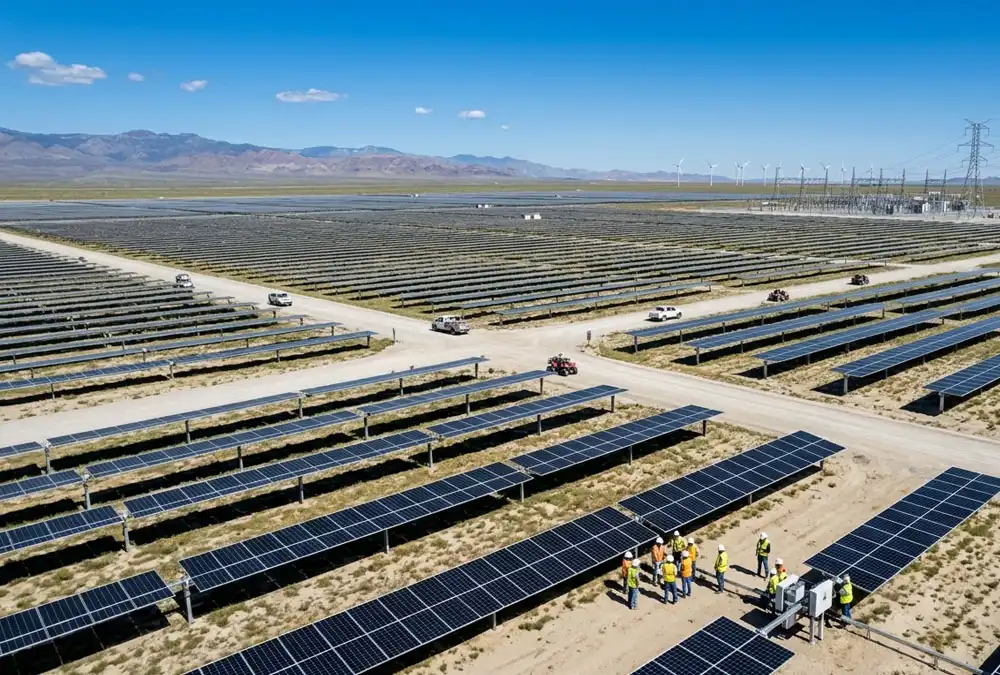
Why Industries Prefer Turnkey Solar Solutions for Large-Scale Projects
Industrial sectors with high energy demands increasingly rely on integrated delivery models to de-risk their clean energy investments. High-availability operations require specialized infrastructure solutions tailored to their specific operational workflows.
Commercial and Industrial Facilities
Manufacturing facilities must deploy solar infrastructure without disrupting complex daily production schedules. Turnkey providers manage on-site construction workflows to protect plant safety and operational continuity. They synchronize heavy crane lifts and electrical shutdowns with scheduled facility maintenance windows. This careful coordination allows industrial enterprises to transition to clean energy seamlessly.
Utility-Scale Solar Farms
Deploying multi-megawatt ground-mounted assets requires sophisticated engineering integration and major logistical capacity. Developers must manage the delivery of thousands of solar modules and tracking components systematically. Turnkey partners utilize automated asset tracking platforms to synchronize deliveries with civil installation teams. This disciplined approach minimizes site bottlenecking and optimizes field labor efficiency.
Logistics and Warehousing Centers
Large-scale distribution hubs feature massive, expansive rooftops ideal for high-yield solar arrays. However, these installations require specialized structural engineering to protect building integrity and roof warranties. Turnkey partners conduct non-invasive structural loading assessments and specify lightweight mounting systems. They also design integrated fire mitigation systems to safeguard valuable inventory and facility personnel.
Agricultural and Food Processing Facilities
Food processing centers face high, highly temperature-sensitive electrical loads driven by heavy refrigeration systems. Turnkey systems are engineered to match these daytime load profiles precisely, maximizing on-site self-consumption rates. Partners manage the entire development process, including environmental permitting and agricultural land-use compliance. This allows agribusinesses to lower operational costs without diverting internal focus from production.
Data Centers and Critical Infrastructure
Data centers require absolute power reliability and maximum uptime to safeguard digital infrastructure. Turnkey developers design systems with advanced power electronics and transient surge protection to protect sensitive equipment. They integrate solar arrays with existing backup generation assets and complex building management platforms. This rigorous engineering ensures clean, continuous power delivery that meets strict operational standards.
Solar + Battery Storage Applications
Modern industrial energy strategies increasingly require integrating solar generation with advanced battery storage systems (BESS). Combining these technologies allows enterprises to capture maximum economic value through intelligent power management:
Key Operational Benefits of Integrated BESS:
• Peak Shaving: Reducing peak demand charges by discharging stored energy during high-tariff periods.
• Backup Power: Providing instantaneous backup power to protect critical industrial processes during grid outages.
• Demand Charge Reduction: Mitigating sudden demand spikes to optimize monthly utility billing structures.
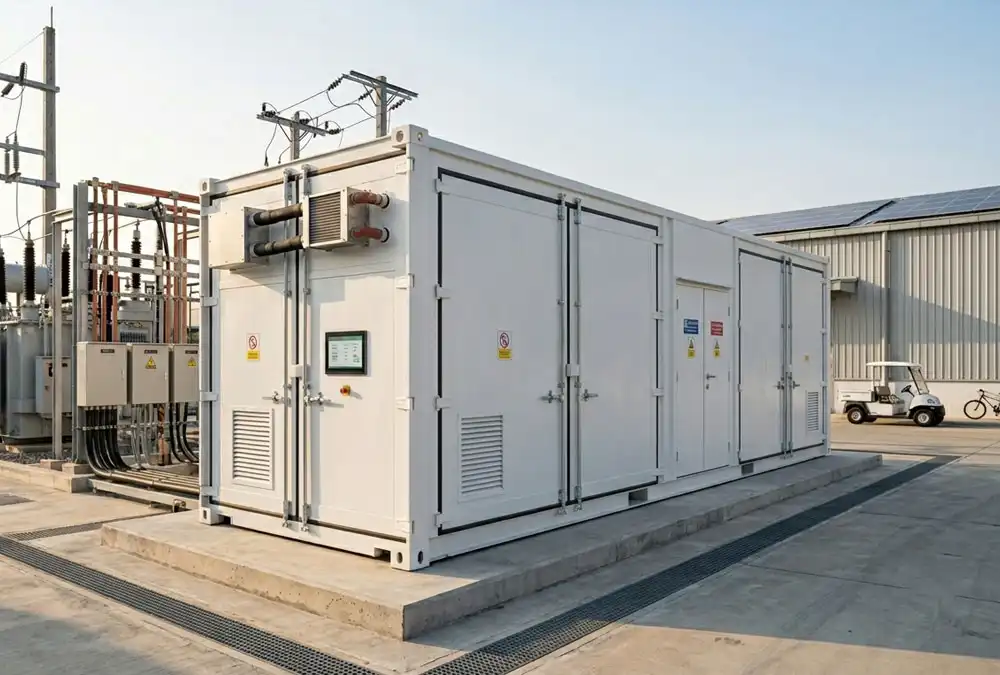
Featured Industrial Battery Energy Storage Systems (BESS)
To maximize the financial returns of commercial energy assets, selecting high-performance storage hardware is essential. Integrating robust commercial energy storage systems allows facilities to stabilize volatile energy costs effectively. Modern industrial configurations rely on highly integrated, liquid-cooled storage enclosures designed for long-term operational reliability.
Advanced BESS platforms utilize high-density Lithium Iron Phosphate (LFP) chemistry to deliver superior thermal stability and extended cycle lives. These systems integrate industrial-grade Power Conversion Systems (PCS) with smart Battery Management Systems (BMS) for precise control. Energy Management Systems (EMS) optimize power dispatch in real time based on facility load profiles and shifting utility tariffs. Housed in rugged, weatherproof enclosures, these systems feature advanced deflagration mitigation and integrated fire suppression to ensure site safety.
Deploying specialized BESS hardware alongside commercial solar arrays enables facilities to transition from passive generation to active energy management. These systems protect operations from grid instability while maximizing the financial value of every kilowatt-hour generated.
Technical Breakdown of Energy Storage and Alternatives
Evaluating commercial energy storage options requires a clear understanding of the underlying chemical and mechanical technologies. Different storage architectures offer distinct advantages depending on project scale and operational requirements.
Lithium Iron Phosphate (LFP) vs Nickel Manganese Cobalt (NMC)
Lithium Iron Phosphate (LFP) has become the global standard for stationary commercial and industrial energy storage systems. LFP chemistry offers superior structural stability and thermal runaway resistance compared to Nickel Manganese Cobalt (NMC) formulations. It eliminates the risk of oxygen release during high-temperature events, significantly reducing fire risks. Additionally, LFP cells deliver excellent operational longevity, often exceeding 6,000 full charge-discharge cycles before capacity drops. This durability makes LFP highly cost-effective for daily cycling applications like peak shaving.
Flow Battery Technologies (Vanadium Redox)
Vanadium redox flow batteries represent a scalable alternative designed for long-duration energy storage applications. Unlike solid-state batteries, flow systems store chemical energy in external liquid electrolyte tanks pumped through a central reaction cell stack. This design allows facilities to scale energy capacity independently simply by increasing tank volume. Flow batteries experience virtually zero capacity degradation over decades of continuous operation, making them highly durable. However, lower round-trip energy efficiency and larger spatial footprints typically limit their use to utility-scale deployments.
Sodium-Ion Battery Innovations
Sodium-ion battery technology is emerging as a promising alternative for stationary energy storage applications. By replacing scarce lithium with abundant sodium, this chemistry offers a more stable and resilient supply chain structure. Sodium-ion cells perform reliably across a wide range of temperatures and can be safely discharged to zero volts for transport. While their lower energy density requires a larger physical footprint, their lower production costs make them highly competitive for grid-scale storage where space is not constrained.
How We Deliver Turnkey Solar Solutions Across the EU
Our European infrastructure delivery platform combines global supply chain capabilities with deep regional compliance expertise. We manage the entire asset lifecycle to ensure predictable financial returns for our industrial partners.
Comprehensive EPC Expertise
Our multidisciplinary engineering teams manage every phase of asset development from initial feasibility modeling to high-voltage grid connection. We utilize advanced design platforms to optimize system layouts for maximum long-term energy yields. By maintaining complete control over engineering workflows, we eliminate design errors and accelerate construction timelines. This integrated approach ensures the seamless delivery of complex commercial energy assets.
Global Procurement with Local Support
We leverage our international supply network to secure priority equipment allocations from Tier-1 component manufacturers. This purchasing power protects our clients from supply chain disruptions and ensures competitive equipment pricing. Our regional service centers provide rapid local technical support and manage spare parts inventories efficiently. This combination of global scale and local responsiveness ensures maximum asset uptime.
Compliance with European Standards
We engineer all solar and storage infrastructure to meet strict European technical regulations and safety standards. Our designs comply fully with International Electrotechnical Commission (IEC) standards and carry valid CE certifications. We manage complex grid connection applications in accordance with regional grid codes and utility operational requirements. This rigorous approach minimizes regulatory risks and ensures a smooth path to commercial operation.
Integrated Solar + BESS Capabilities
We specialize in designing and deploying fully integrated solar generation and battery energy storage systems. Our engineers optimize the interface between solar arrays, power conversion systems, and advanced battery management platforms. We configure custom energy management software to execute complex operational strategies like peak shaving and demand charge reduction. This comprehensive integration maximizes the financial value of your clean energy infrastructure.
Transparent Project Execution
We utilize milestone-driven project management frameworks to provide complete visibility throughout the construction process. Clients receive regular progress updates and budget status reports through our centralized digital platform. We maintain open, transparent communication channels to resolve field issues quickly and keep projects on schedule. This disciplined approach ensures projects are delivered on time and within budget parameters.
Long-Term Operations and Maintenance Support
Our dedicated asset management division provides continuous monitoring and maintenance support to protect your investment. We utilize predictive analytics to isolate performance anomalies and execute preventative servicing before output is affected. Our field technicians remain on call to handle urgent equipment issues and minimize system downtime. This proactive management strategy preserves asset health and maximizes financial returns over the life of the system.
FAQ – Turnkey Solar Solutions vs Traditional Installation
Are Turnkey Solar Solutions More Expensive?
Turnkey contracts can show a higher initial price line item because they include all project management and risk mitigation fees. However, by eliminating unexpected change orders and avoiding construction delays, they often deliver lower final project costs. They provide total price certainty that protects buyers from market volatility.
Which Option Is Better for Large Commercial Projects?
The unified turnkey model is highly recommended for large-scale commercial, industrial, and utility-scale installations. Managing multi-megawatt projects requires specialized technical integration and significant regulatory compliance expertise. A turnkey contract transfers these complex operational risks to an experienced partner, safeguarding corporate capital.
Can Battery Storage Be Integrated into Turnkey Solar Projects?
Yes, modern turnkey agreements can easily integrate advanced battery energy storage systems (BESS) into the core system design. Sourcing solar and storage components through a single partner ensures complete hardware compatibility and optimal system performance. This unified approach simplifies the deployment of advanced energy management strategies like peak shaving.
Which Model Has a Faster Installation Timeline?
The turnkey delivery model delivers significantly faster construction timelines by running engineering and procurement phases in parallel. Experienced developers manage long-lead equipment orders and regulatory permitting workflows concurrently to eliminate field bottlenecks. Fragmented traditional contracting requires sequential execution, which extends project schedules significantly.
Who Is Responsible if Problems Occur After Installation?
Under a turnkey framework, the primary contractor retains sole responsibility for resolving all post-construction system issues. This single point of accountability eliminates complex fault disputes between equipment manufacturers and field installers. Traditional installations require the owner to coordinate with multiple vendors independently, which can extend system downtime.
Can Existing Traditional Solar Systems Be Converted into Turnkey O&M Agreements?
Yes, enterprises can transition existing, fragmented assets into comprehensive turnkey Operations and Maintenance (O&M) agreements. A specialized asset management partner can assume complete responsibility for system monitoring, performance optimization, and warranty management. This transition streamlines operations and improves long-term financial returns.
Turnkey Solar Solutions or Traditional Installation: Final Thoughts
Choosing the right project delivery strategy is a critical decision that impacts the long-term financial performance of your energy assets. Organizations must carefully weigh their internal technical capabilities against the risk profiles of each contracting model.
When Turnkey Solar Solutions Are the Better Choice
Integrated turnkey delivery is ideal for enterprises focused on maximizing capital efficiency and minimizing operational risks. It is the standard approach for large-scale industrial projects, complex solar-plus-storage deployments, and multi-site corporate rollouts. Organizations that lack internal high-voltage engineering departments benefit significantly from this single point of accountability. This model delivers fixed pricing, guaranteed completion dates, and long-term system performance security.
When Traditional Installation May Still Make Sense
Decentralized contracting can be effective for smaller, uncomplicated solar installations with low utility integration requirements. It may also suit large utilities or energy firms that maintain permanent, internal procurement and engineering teams. Organizations with deep supply chain leverage can sometimes reduce initial capital costs by managing vendors directly. However, this model requires accepting complete exposure to cost overruns, construction delays, and systemic integration risks.
Choosing the Right Solar Delivery Strategy for Long-Term Success
For mid-to-large commercial and industrial enterprises, Turnkey Solar Solutions represent the most reliable path to energy independence. According to recent market studies, unified procurement frameworks significantly reduce project friction and improve long-term financial performance. As modern energy networks grow more complex with the integration of BESS and fast-charging infrastructure, single-source accountability has become essential. Partnering with an experienced turnkey provider allows organizations to secure reliable, high-performance clean energy infrastructure for decades to come.
 https://anengjipower.com/wp-content/uploads/2026/06/epc-vs-turnkey-solar-project-bess.webp
675
1000
Charging Station Engineer
https://anengjipower.com/wp-content/uploads/2025/09/anengji-dc-fast-charging-station-manufacturer-and-supplier-logo-white-1.png
Charging Station Engineer2026-06-22 07:16:042026-06-24 07:13:17What Is the Difference Between EPC and Turnkey Contract Models in Energy Projects?
https://anengjipower.com/wp-content/uploads/2026/06/epc-vs-turnkey-solar-project-bess.webp
675
1000
Charging Station Engineer
https://anengjipower.com/wp-content/uploads/2025/09/anengji-dc-fast-charging-station-manufacturer-and-supplier-logo-white-1.png
Charging Station Engineer2026-06-22 07:16:042026-06-24 07:13:17What Is the Difference Between EPC and Turnkey Contract Models in Energy Projects? https://anengjipower.com/wp-content/uploads/2026/06/anengji-commercial-solar-plus-storage-benefits-site.webp
675
1000
Charging Station Engineer
https://anengjipower.com/wp-content/uploads/2025/09/anengji-dc-fast-charging-station-manufacturer-and-supplier-logo-white-1.png
Charging Station Engineer2026-06-20 14:34:102026-06-20 14:37:43What Are the Top Benefits of Solar Battery Storage in Factories?
https://anengjipower.com/wp-content/uploads/2026/06/anengji-commercial-solar-plus-storage-benefits-site.webp
675
1000
Charging Station Engineer
https://anengjipower.com/wp-content/uploads/2025/09/anengji-dc-fast-charging-station-manufacturer-and-supplier-logo-white-1.png
Charging Station Engineer2026-06-20 14:34:102026-06-20 14:37:43What Are the Top Benefits of Solar Battery Storage in Factories?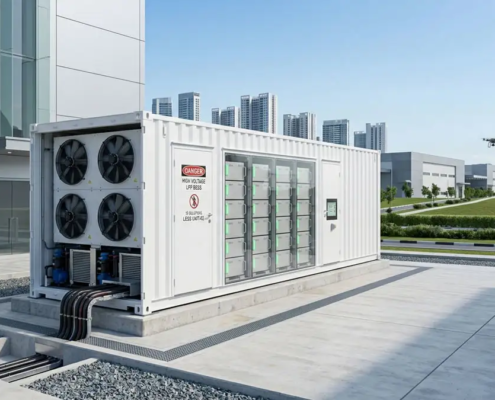 https://anengjipower.com/wp-content/uploads/2026/06/modular-commercial-solar-battery-storage-cabinet.webp
675
1000
Charging Station Engineer
https://anengjipower.com/wp-content/uploads/2025/09/anengji-dc-fast-charging-station-manufacturer-and-supplier-logo-white-1.png
Charging Station Engineer2026-06-18 09:16:522026-07-03 03:05:13What Is Solar Battery Storage? Complete C&I Engineering Guide
https://anengjipower.com/wp-content/uploads/2026/06/modular-commercial-solar-battery-storage-cabinet.webp
675
1000
Charging Station Engineer
https://anengjipower.com/wp-content/uploads/2025/09/anengji-dc-fast-charging-station-manufacturer-and-supplier-logo-white-1.png
Charging Station Engineer2026-06-18 09:16:522026-07-03 03:05:13What Is Solar Battery Storage? Complete C&I Engineering Guide


Leave a Reply
Want to join the discussion?Feel free to contribute!