
Introduction
Surging electricity rates are forcing factory owners, commercial operators, and homeowners to re-evaluate their long-term power budgets. Relying entirely on traditional utility grids exposes your operational margins to fuel surcharges and unexpected rate hikes. Exploring the core benefits of using solar energy shows how on-site generation transforms an ongoing operational expense into a controllable asset.
Modern photovoltaic hardware lets users lock in predictable electricity rates for 25 years or more. Pairing these systems with intelligent battery hardware solves the problem of solar intermittency. You generate power during peak sunlight hours, store surplus energy locally, and discharge it when grid tariffs jump or during power outages.
What Is Solar Energy and Why Is Solar Power Becoming More Important?
Switching to solar power moves your energy strategy from passive utility consumption to active power generation. Understanding how clean technology works gives you a clear foundation for evaluating long-term equipment returns.
Solar Energy as a Renewable and Sustainable Energy Source
A solar photovoltaic system converts daylight directly into direct current (DC) power using semiconductor layers inside PV modules. An inverter then transforms that DC power into alternating current (AC) electricity for immediate use. Unlike fossil fuel plants, photovoltaic power generation consumes zero water during operation and produces no direct greenhouse gas emissions.
The Growing Global Demand for Solar Renewable Energy
Energy markets are shifting away from centralized coal and gas infrastructure. Environmental studies published by the U.S. Energy Information Administration (EIA) highlight how solar power reduces air pollution and water consumption compared to fossil fuel generation. Commercial building owners and industrial plants are rapidly adopting clean energy solutions to secure clean energy supplies while complying with regional emission regulations.
Benefits of Using Solar Energy for Reducing Electricity Costs
Lowering utility expenses remains the primary financial driver for deploying PV arrays across residential and C&I properties.
Solar Energy Can Reduce Residential Electricity Bills
Homeowners installing rooftop PV systems generate their own clean electricity during sunny daytime hours. Generating power locally reduces grid power purchases and protects household budgets against utility rate increases.
Solar Power Helps Businesses Lower Operating Energy Costs
Exploring the benefits of using solar energy for businesses reveals major operational cost advantages. Industrial manufacturing facilities, logistics warehouses, and office complexes run energy-intensive loads during daytime peak tariff windows. Installing commercial solar energy system arrays offsets expensive grid power, directly lowering monthly operating budgets.
Solar Battery Storage Maximizes Energy Savings
Unassisted PV systems export unused daytime power back to the grid, often at low feed-in tariffs. Reviewing the benefits of solar energy with battery storage system deployments shows how local storage increases project returns. Pairing solar arrays with energy storage systems lets you capture midday surplus power and discharge it during high-tariff evening hours to eliminate peak demand charges.
Solar Energy Benefits for Carbon Reduction and Environmental Sustainability
Environmental compliance is now a critical business metric for industrial manufacturers and global exporters.
Solar Energy Reduces Carbon Emissions
Replacing grid power with on-site solar generation helps companies reduce carbon footprint profiles instantly. Generating clean electricity locally cuts Scope 2 indirect emissions, helping industrial users satisfy corporate ESG goals and retain international supply chain certifications.
Solar Power Supports Global Renewable Energy Transition
Commercial solar installations accelerate national decarbonization goals. Transitioning away from fossil fuels improves regional air quality and builds a clean energy foundation for future power networks.
Solar Panels Remain Environmentally Friendly Throughout Their Lifecycle
Modern solar photovoltaic system components achieve energy payback within 1 to 2 years of operation. Furthermore, established panel recycling programs recover up to 95% of silicon, glass, and aluminum frame materials at the end of module service life.
Solar Energy Provides Energy Independence and Grid Reliability
Grid instability and extreme weather events highlight the need for localized power resilience.
Solar Power Reduces Dependence on the Electricity Grid
Generating electricity on-site provides solid protection against regional utility grid blackouts. Businesses operating clean generation facilities maintain energy independence, insulating core production lines from external grid failures.
Solar Energy Works Together with Battery Storage Systems
Integrating solar plus battery storage creates an autonomous power asset. During grid outages, an intelligent EMS automatically isolates the facility from the grid and switches to battery power in milliseconds to preserve uptime.
Solar Energy Supports Grid Stability
Distributed solar systems relieve strain on regional distribution transformers during heatwaves. Adding localized battery storage prevents reverse power flow issues and stabilizes grid frequency across local distribution networks.
Financial Benefits of Solar Energy Beyond Electricity Savings
Understanding the financial advantages of solar energy for commercial buildings extends beyond simple monthly bill reduction.
Solar Renewable Energy Certificates (SRECs) Create Additional Revenue
In many jurisdictions, commercial solar operators earn tradeable Solar Renewable Energy Certificates for every megawatt-hour generated. Selling SRECs on open compliance markets creates a secondary revenue stream that accelerates overall capital payback.
Solar Energy Can Generate Revenue Through Grid Programs
Net metering policies and virtual power plant (VPP) initiatives allow commercial facility owners to export stored power back to the grid during severe demand events, earning premium feed-in credits from local utilities.
Solar Systems Provide Long-Term Investment Returns
Evaluating solar energy benefits and cost savings for companies shows impressive financial fundamentals. With minimal moving parts and long hardware warranties, commercial PV installations deliver predictable double-digit internal rates of return (IRR).
Buyer’s Financial Perspective: “How long until our capital outlay pays off?”
Commercial solar payback periods typically range from 3 to 6 years, depending on local tariff structures and tax incentives. After recovering initial CAPEX, your facility generates essentially free electricity for the remaining 20+ years of module service life.
Low Maintenance and Reliable Performance Are Major Solar Energy Advantages
Solid-state photovoltaic hardware requires very little hands-on maintenance compared to traditional diesel generators.
Solar Panels Require Minimal Maintenance
Solar modules operate silently without internal gears, pumps, or combustion motors. Routine maintenance involves periodic surface washing to remove dust and annual infrared inspections to verify electrical connections.
Solar Energy Systems Deliver Stable Long-Term Performance
Tier-1 PV modules come with 25-year linear performance warranties. They experience minimal annual output degradation (typically <0.5% per year), ensuring stable electricity production over decades.
Solar Power Can Generate Electricity in Different Climate Conditions
Solar arrays do not require scorching temperatures to generate power. Light-absorbing silicon cells convert diffuse daylight efficiently even in cool, overcast climates across Northern Europe and rainy coastal zones.
Solar Energy Offers Flexible Applications Across Different Industries
Scalable photovoltaic designs allow flexible deployment across diverse property footprints.
Residential Solar Energy Solutions
Residential rooftop arrays convert underutilized roof space into clean generation assets, lowering household bills and delivering emergency backup power during grid failures.
Commercial Solar Energy Solutions
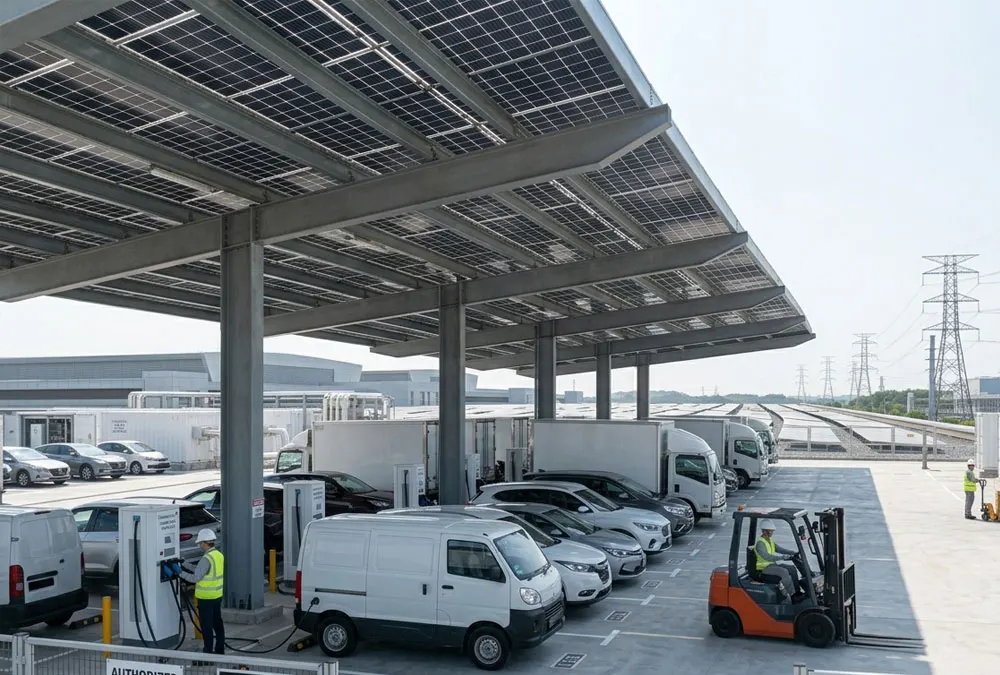
Shopping centers, corporate parks, and office buildings use rooftop PV arrays and solar carports to power indoor HVAC systems and offer clean EV charging to tenants.
Industrial Solar Energy Solutions for Manufacturing
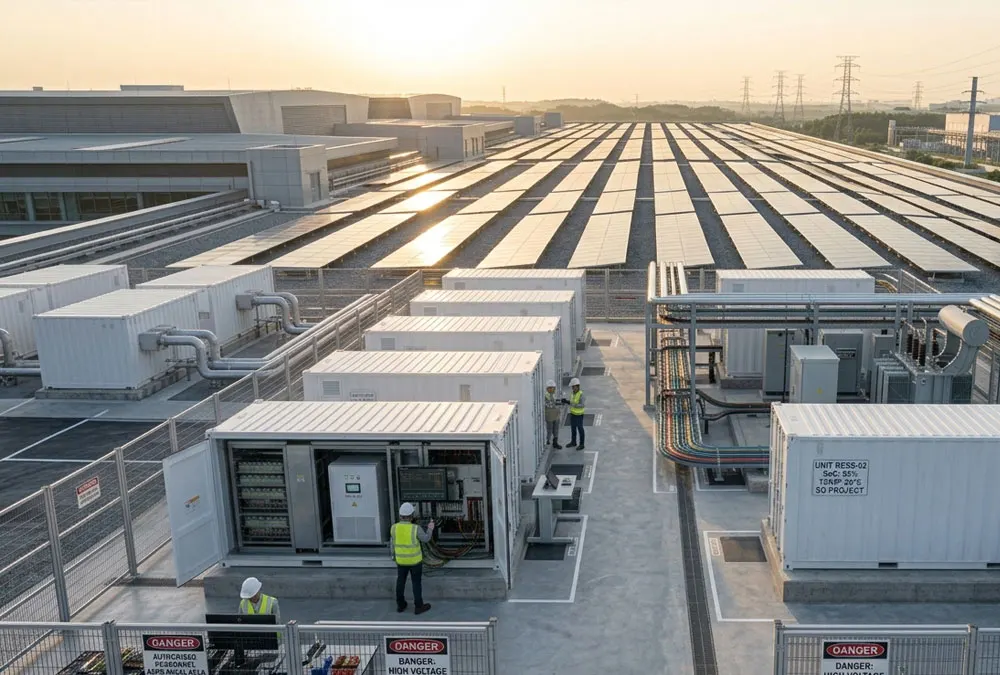
Heavy manufacturing facilities combine large rooftop solar arrays with high-capacity battery enclosures. This integrated setup offsets heavy daytime motor loads and manages facility demand charges effectively.
Solar Energy Solutions for Remote and Off-Grid Areas
Remote agricultural processing plants, rural mining sites, and island communities rely on solar microgrids to replace expensive diesel generator transport.
Solar Energy Integration with Battery Storage and Smart Energy Management
Pairing generation hardware with intelligent storage systems solves solar intermittency, turning variable PV output into a reliable energy asset.
Why Solar Energy Works Better with Battery Storage
Standalone solar panels stop generating power when the sun goes down. Adding a solar battery storage system bridges the evening operational gap, letting facilities store midday solar generation for night use.
Smart EMS Improves Solar Energy Utilization
An Energy Management System (EMS) acts as the operational brain of a modern solar installation. The software monitors facility load profiles, forecasts weather patterns, and coordinates battery charge/discharge cycles in real time to maximize savings.
Solar + Battery Storage Applications
Asking why should businesses invest in solar energy systems alongside battery storage comes down to operational versatility:
- Commercial Buildings: Smooths out load spikes to keep facility demand below expensive utility tariff steps.
- Manufacturing Plants: Protects sensitive production equipment from voltage sags and momentary grid dropouts.
- EV Charging Infrastructure: Buffers high-power DC fast chargers to prevent expensive utility service upgrades.
Key Technical Definitions for Energy Buyers:
LFP (Lithium Iron Phosphate) Chemistry: The industry standard for industrial energy storage. LFP offers exceptional thermal stability (resisting thermal runaway up to 500°C) and a long service life (6,000+ cycles) without using volatile cobalt or nickel.
Alternative Storage Technologies: Vanadium Flow Batteries decouple power (kW) from capacity (kWh) using liquid electrolyte tanks. They suit long-duration storage (>8 hours) well, though they require a much larger physical footprint than compact LFP cabinets.
Industrial Energy Storage Hardware for Commercial Solar Integration
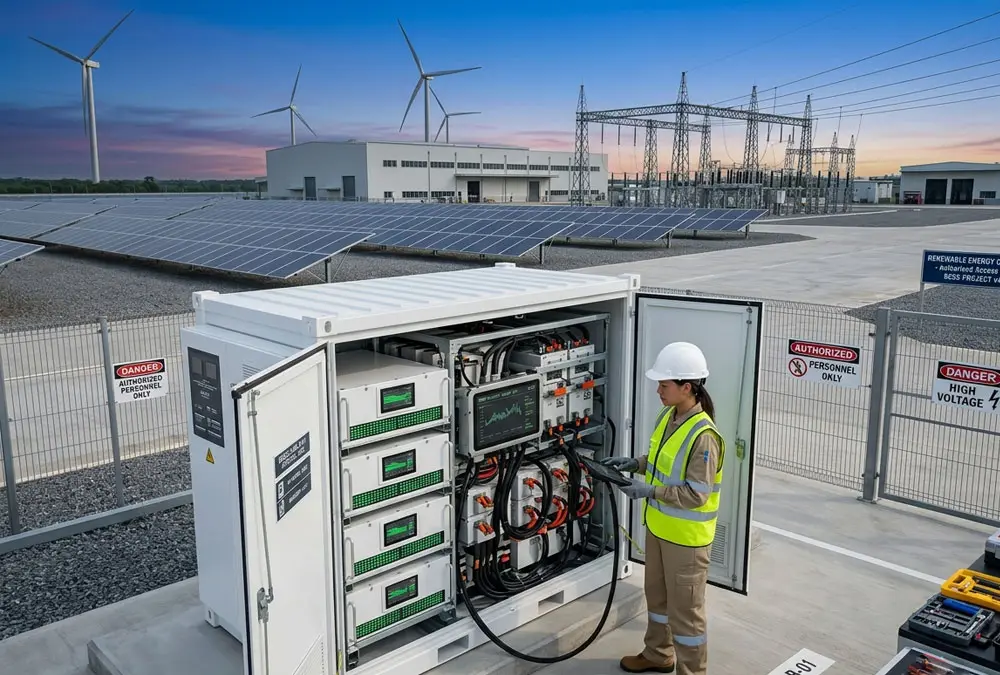
Pairing commercial solar installations with factory-integrated, liquid-cooled battery storage cabinets ensures reliable peak shaving and backup performance:
| Storage Capacity | Integrated Sub-Systems | Target Installation Scale | Direct Buyer Advantage |
|---|---|---|---|
| 100kWh Cabinet | 50kW Inverter + Active Liquid Cooling | Small commercial roofs & EV hubs | Compact footprint simplifies tight outdoor site setups. |
| 261kWh Cabinet | 100kW Inverter + Smart BMS | Medium factories & microgrids | Higher capacity handles heavy motor startups reliably. |
| 418kWh System | Liquid Cooling + Multi-Stage Fire Protection | Heavy manufacturing plants | Modular design scales seamlessly with site expansion. |
| 1MWh – 5MWh Containers | Containerized PCS + Master SCADA | Utility-scale solar farms & IPPs | Maximum energy density cuts site preparation civil costs. |
Social and Economic Benefits of Solar Energy Development
Expanding solar infrastructure supports broader regional economic growth and job creation alongside direct corporate bill savings.
Solar Energy Creates Local Jobs and Economic Growth
Economic analyses published in PMC / National Institutes of Health studies demonstrate that renewable energy investments create significantly more local jobs per megawatt than legacy fossil fuel developments. Expanding solar capacity drives job creation across equipment manufacturing, civil installation, electrical contracting, and long-term O&M services.
Solar Energy Supports Local Energy Communities
Community solar developments allow businesses and households that lack suitable roof space to subscribe to off-site solar arrays, sharing clean power benefits across entire municipalities.
Why Solar Energy Is a Stable and Future-Proof Technology
Photovoltaic power generation relies on an abundant, free natural resource, making it an ideal core component of long-term energy planning.
Solar Energy Is Based on an Unlimited Renewable Resource
Sunlight strikes the Earth continuously, providing clean energy without supply depletion or fuel price manipulation risks.
Continuous Innovation Improves Solar Technology
Ongoing R&D advances bring higher cell efficiencies (such as N-type TOPCon and Heterojunction tech) to market, increasing power output per square meter and driving down long-term equipment costs.
Solar Energy Will Play a Key Role in Future Energy Systems
Combining generation arrays with intelligent battery storage forms the foundation of modern smart grids, enabling automated energy trading and reliable power delivery.
Why Choose AnengJi Power for Solar Energy and Battery Storage Solutions
Integrated Solar + Battery Storage Solutions
We deliver fully integrated generation and storage packages, combining high-efficiency PV arrays, LFP battery enclosures, and intelligent EMS software for turnkey reliability.
Advanced Energy Storage Technology for Commercial and Industrial Applications
Our storage systems utilize Tier-1 LFP cell chemistries, active liquid cooling manifolds, and 3-tier BMS protection to ensure maximum safety and long cycle life under heavy industrial use.
Customized Energy Solutions for Different Applications
From C&I factory rooftops to remote microgrids and high-power EV charging hubs, our engineering team custom-designs hardware configurations to match your exact electrical load profiles.
Professional Project Support from Design to Installation
We support your project through every milestone: site feasibility reviews, electrical engineering design, utility grid permitting, installation supervision, and long-term O&M maintenance.
Featured Snippet Summary: Key Benefits of Using Solar Energy
What Are the Main Benefits of Using Solar Energy?
The main benefits of using solar energy include significant electricity cost savings, reduced carbon emissions, increased energy independence, low maintenance requirements, and long-term financial returns for commercial and residential properties.
Can Solar Energy Reduce Electricity Bills?
Yes. Solar panels generate clean power locally to offset expensive utility grid purchases. Adding a solar battery storage system increases savings further by storing midday surplus energy for peak evening use.
Is Solar Energy a Good Investment for Businesses?
Yes. Commercial solar installations deliver strong double-digit ROI, lower operating costs, protect against volatile energy tariffs, and help companies satisfy strict ESG sustainability mandates.
FAQ About Benefits of Using Solar Energy
What are the top benefits of using solar energy?
Solar power lowers utility expenses, cuts carbon footprints, protects facilities against power grid outages, and delivers predictable long-term energy savings over a 25+ year operating lifespan.
How much money can solar energy save?
Commercial properties routinely cut daytime power costs by 40% to 70%, depending on roof size, local sunlight levels, and regional electricity tariffs.
Does solar energy work during cloudy weather?
Yes. Modern photovoltaic modules continue generating power during cloudy days by converting diffuse sunlight into electricity, maintaining 10% to 25% of their sunny-day output.
Why combine solar energy with battery storage?
Adding battery storage lets you capture excess daytime generation and dispatch it during high-tariff evening hours or emergency grid blackouts, maximizing your overall self-consumption.
Is solar energy suitable for factories and industrial facilities?
Yes. Manufacturing plants feature large, unobstructed rooftop footprints that suit solar arrays well, providing cheap daytime power to offset energy-intensive motor loads.
How long does a solar energy system last?
Quality solar PV panels carry 25-year linear performance warranties and regularly operate for 30 years or more with minimal degradation.
Does solar energy require a lot of maintenance?
No. Solid-state PV hardware has no moving parts. Routine maintenance is limited to periodic module washing and annual electrical connection inspections.
Can solar energy provide backup power?
When paired with an integrated battery energy storage system and islanding switch, solar systems deliver seamless backup power during utility grid blackouts.
How does solar energy reduce carbon emissions?
Solar generation produces clean electricity directly on-site, displacing fossil fuel grid generation and cutting Scope 2 corporate carbon emissions.
Is solar energy the future of renewable power?
Yes. Combining solar PV arrays with modular battery storage forms the core foundation of modern, scalable renewable energy systems worldwide.
Conclusion: Solar Power + Energy Storage Shapes a Sustainable Future
Deploying a commercial solar energy system paired with advanced battery storage is a proven strategy for controlling operational expenses. On-site clean generation protects businesses against rising grid tariffs, enhances power reliability, and delivers a predictable, sustainable energy return for decades to come.
Accelerate Your Business Energy Transition
Contact our application engineering team today to receive a complete site load assessment, energy savings calculation, and customized solar + battery storage proposal.
Realted Article
 https://anengjipower.com/wp-content/uploads/2026/06/epc-vs-turnkey-solar-project-bess.webp
675
1000
Charging Station Engineer
https://anengjipower.com/wp-content/uploads/2025/09/anengji-dc-fast-charging-station-manufacturer-and-supplier-logo-white-1.png
Charging Station Engineer2026-06-22 07:16:042026-06-24 07:13:17What Is the Difference Between EPC and Turnkey Contract Models in Energy Projects?
https://anengjipower.com/wp-content/uploads/2026/06/epc-vs-turnkey-solar-project-bess.webp
675
1000
Charging Station Engineer
https://anengjipower.com/wp-content/uploads/2025/09/anengji-dc-fast-charging-station-manufacturer-and-supplier-logo-white-1.png
Charging Station Engineer2026-06-22 07:16:042026-06-24 07:13:17What Is the Difference Between EPC and Turnkey Contract Models in Energy Projects?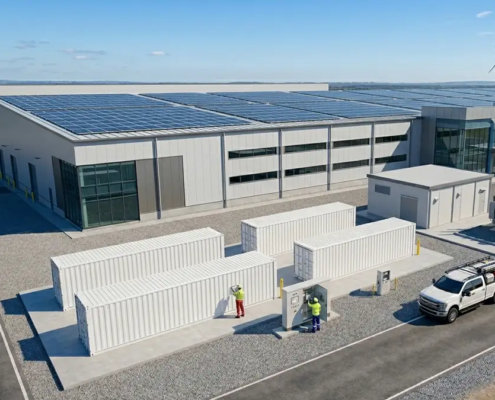 https://anengjipower.com/wp-content/uploads/2026/06/anengji-commercial-solar-plus-storage-benefits-site.webp
675
1000
Charging Station Engineer
https://anengjipower.com/wp-content/uploads/2025/09/anengji-dc-fast-charging-station-manufacturer-and-supplier-logo-white-1.png
Charging Station Engineer2026-06-20 14:34:102026-06-20 14:37:43What Are the Top Benefits of Solar Battery Storage in Factories?
https://anengjipower.com/wp-content/uploads/2026/06/anengji-commercial-solar-plus-storage-benefits-site.webp
675
1000
Charging Station Engineer
https://anengjipower.com/wp-content/uploads/2025/09/anengji-dc-fast-charging-station-manufacturer-and-supplier-logo-white-1.png
Charging Station Engineer2026-06-20 14:34:102026-06-20 14:37:43What Are the Top Benefits of Solar Battery Storage in Factories?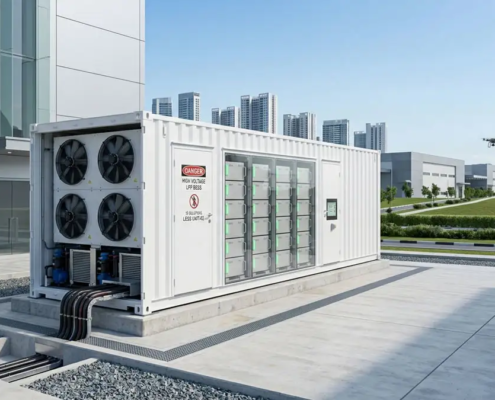 https://anengjipower.com/wp-content/uploads/2026/06/modular-commercial-solar-battery-storage-cabinet.webp
675
1000
Charging Station Engineer
https://anengjipower.com/wp-content/uploads/2025/09/anengji-dc-fast-charging-station-manufacturer-and-supplier-logo-white-1.png
Charging Station Engineer2026-06-18 09:16:522026-07-03 03:05:13What Is Solar Battery Storage? Complete C&I Engineering Guide
https://anengjipower.com/wp-content/uploads/2026/06/modular-commercial-solar-battery-storage-cabinet.webp
675
1000
Charging Station Engineer
https://anengjipower.com/wp-content/uploads/2025/09/anengji-dc-fast-charging-station-manufacturer-and-supplier-logo-white-1.png
Charging Station Engineer2026-06-18 09:16:522026-07-03 03:05:13What Is Solar Battery Storage? Complete C&I Engineering Guide


Leave a Reply
Want to join the discussion?Feel free to contribute!