
Meta Description: Discover how comprehensive Turnkey Solar Solutions streamline engineering, procurement, and construction for C&I and utility projects, driving superior long-term ROI.
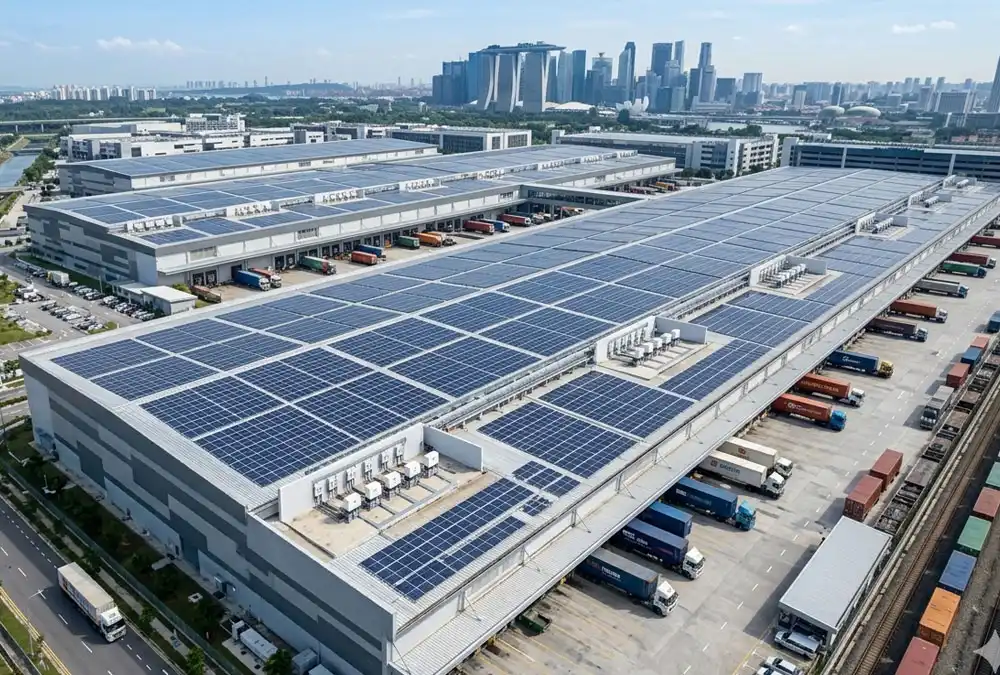
Introduction: Why Advanced Turnkey Solar Solutions Form the Backbone of Modern Energy Strategy
For corporate energy buyers, asset managers, and industrial facility operators navigating the modern European energy landscape, establishing long-term power price stability is no longer an optional sustainability goal—it is a core operational necessity. Deploying commercial and utility-scale clean energy systems requires navigating fragmented regional grids, fluctuating component supply chains, and complex compliance frameworks. To bypass these multi-layered execution barriers, multi-megawatt developers are increasingly migrating away from traditional fragmented contracting models and adopting unified Turnkey Solar Solutions. By consolidating engineering design, international hardware procurement, civil construction, and regulatory grid synchronization under a single commercial contract, project owners can de-risk their capital investments while ensuring a faster path to commercial operation.
Why More Businesses Are Choosing Turnkey Solar Solutions
The structural transition toward comprehensive turnkey project deployment is driven by several macroeconomic factors across the EU:
- Escalating and Volatile Wholesale Power Prices: Industrial facilities remain highly exposed to volatile grid tariffs, making predictable, on-site zero-carbon power generation a crucial financial hedge.
- Aggressive ESG Mandates and Decarbonization Targets: Under updated Corporate Sustainability Reporting Directive (CSRD) frameworks, businesses must document clear, quantifiable scope 1 and scope 2 emissions reductions.
- The Drive for Corporate Energy Independence: Integrating localized clean power assets protects continuous manufacturing processes from unexpected grid sags and regional distribution bottlenecks.
- Rapid Technological Evolution of Solar + Storage Integration: The commercial maturity of high-density battery architectures allows facilities to capture and shift clean power, moving from simple net-metering to full-wrap economic optimization.
What Challenges Do Solar Project Owners Face?
Developing a utility or commercial-scale renewable asset presents several critical roadblocks that can derail unmanaged projects:
- CapEx Ambiguity: Initial pro forma models frequently overlook soft costs, grid step-up infrastructure upgrades, and localized civil engineering requirements.
- Fragmented Execution Workflows: Coordinating separate engineering firms, racking suppliers, module brokers, and electrical contractors creates substantial liability gaps and operational delays.
- Extended Regulatory and Permitting Timelines: Navigating municipal zoning, environmental impact studies, and utility grid-interconnection codes requires highly specialized regulatory expertise.
- Performance Risk and Component Mismatches: Sub-optimal combinations of photovoltaic modules, string inverters, and energy management systems can lead to systemic clipping and lower performance ratios (PR).
What This Guide Will Help You Understand
This comprehensive operational playbook provides an exhaustive breakdown of the financial structures, engineering phases, risk-mitigation frameworks, and return-on-investment (ROI) dynamics of modern turnkey projects. Whether evaluating turnkey solar solutions for commercial buildings or planning large-scale ground mounts, this guide serves as a definitive resource for executive decision-makers.
Featured Snippet – What Are Turnkey Solar Solutions?
What Is a Turnkey Solar Solution?
A Turnkey Solar Solution is an all-inclusive project delivery model where a single specialized solar EPC contractor assumes total engineering, financial, and operational responsibility for delivering a fully synchronized, operational solar energy asset. The client receives a complete, tested power plant ready to generate power at the turn of a key.
What Is Included in a Turnkey Solar Project?
A comprehensive solar EPC turnkey project solutions contract covers all multi-disciplinary engineering design (electrical, structural, civil), global tier-1 component procurement, site preparation, civil works, physical installation, high-voltage substation integration, utility grid compliance testing, and final commercial commissioning.
How Is a Turnkey Solar Project Different from Traditional Solar Installation?
Traditional solar installation models require the asset owner to independently source engineering designs, manage separate hardware vendors, and hire independent electrical crews, which introduces significant liability gaps. Conversely, a turnkey project consolidates all phases under one point of contractual responsibility, offering fixed-price guarantees and system performance protections.
Why Do Businesses Prefer Turnkey Solar Solutions?
Commercial enterprises favor the turnkey model because it eliminates execution risk, ensures predictable project costs, accelerates construction timelines, and guarantees that the completed system operates at peak thermodynamic and electrical efficiency.
Benefits of Turnkey Solar Solutions for Commercial and Industrial Projects
Single Point of Responsibility
By executing a unified turnkey contract, the asset owner eliminates the friction of managing fragmented vendors. If a technical issue occurs during substation grid-matching or performance ratio testing, the core turnkey provider is solely responsible for troubleshooting, eliminating finger-pointing between independent engineering teams and equipment suppliers.
Reduced Project Complexity
Deploying major commercial solar assets requires deep technical integration across civil, structural, and high-voltage electrical fields. Turnkey providers manage this complexity internally, using standardized workflows to coordinate structural load testing, inverter string configurations, and medium-voltage switchgear matching seamlessly behind the scenes.
Faster Project Delivery
Because engineering, procurement, and construction phases overlap within a unified firm, turnkey projects experience shorter development cycles. Long-lead items—such as utility-grade step-up transformers and structural tracking piles—can be procured early in the detailed engineering phase, avoiding procurement delays.
Predictable Project Costs
Turnkey contracts are structured on a lump-sum, fixed-price basis. This structural design insulates the project developer from sudden supply chain price adjustments, unexpected civil labor inflation, or localized balance-of-system (BOS) cost overruns, providing clear budget predictability for corporate financial boards.
Improved System Performance
Turnkey providers utilize highly optimized, pre-engineered component architectures. Matching specific N-type TOPCon bifacial modules with smart string inverters and dedicated power conversion systems ensures minimal clipping losses, optimal Maximum Power Point Tracking (MPPT) performance, and enhanced long-term energy yields.
Lower Long-Term Operating Costs
High-quality engineering executed during the initial design phase directly lowers long-term Operations and Maintenance (O&M) expenditures. Standardized component selection simplifies spare-parts inventory management and allows SCADA monitoring software to run advanced predictive diagnostics, reducing unplanned field truck rolls.
Turnkey Solar Solutions Process – From Concept to Commissioning
Executing successful industrial turnkey solar solutions requires a rigorous, multi-phase deployment methodology. The process flows through seven distinct engineering and operational stages:
Phase 1 – Energy Assessment and Consultation
The engineering team begins by conducting a detailed review of the client’s historical energy consumption profile. By analyzing 15-minute interval utility data, engineers chart seasonal load profiles and calculate base-load thresholds, ensuring the prospective solar system layout is accurately sized to maximize on-site self-consumption.
Phase 2 – Feasibility Study and Site Evaluation
Field engineers conduct detailed geotechnical, topographical, and structural site evaluations. For rooftop assets, non-destructive structural analysis determines roof load capacities. For ground mounts, soil resistivity testing and pulling tests inform the engineering design of the structural mounting foundations.
Phase 3 – Engineering and System Design
During this stage, multi-disciplinary engineers develop complete 3D layouts, single-line electrical diagrams, structural calculation sheets, and PVsyst performance simulations. This stage defines the exact layout of string routing, DC-to-AC over-generation ratios, and medium-voltage substation step-up interfaces.
Phase 4 – Equipment Procurement
Leveraging established international supply chains, the turnkey provider manages the procurement of tier-1 solar modules, high-performance smart inverters, and specialized corrosion-resistant mounting structures, ensuring all hardware holds valid CE, IEC, and localized utility certifications.
Phase 5 – Construction and Installation
Civil teams execute necessary site grading, pile driving, and structural racking installation. Following racking deployment, mechanical and electrical crews mount the PV modules, pull specialized DC/AC cabling, install combiner boxes, and secure the central inverter or string inverter stations in compliance with strict electrical codes.
Phase 6 – Testing and Grid Connection
Before grid synchronization, engineers perform comprehensive insulation testing, I-V curve tracing, and open-circuit voltage verifications. The system is then coupled to the local utility grid under the direct supervision of regional distribution network operators (DNOs), verifying compliance with active grid-code standards.
Phase 7 – Handover and Operations
Following successful performance ratio (PR) verification testing, the fully operational plant is officially handed over to the client. The integrated cloud-based SCADA and smart energy management platforms are activated, enabling real-time remote performance monitoring and predictive O&M diagnostics.
Turnkey Solar Solution Cost Breakdown
When investing in utility or commercial solar solutions, capital expenditure (CapEx) must be meticulously analyzed across both hardware and soft-cost engineering categories. The table below outlines a typical budget allocation for a standard 1MW to 5MW European industrial turnkey deployment:
| Cost Category | Typical CapEx Percentage | Inclusions & Technical Scope |
|---|---|---|
| Engineering & System Design | 4% – 6% | Geotechnical surveys, structural roof loading calculations, single-line electrical schematics, PVsyst yield modeling. |
| Solar Module Procurement | 30% – 38% | Tier-1 high-efficiency N-type TOPCon or HJT bifacial photovoltaic modules including logistics and customs clearance. |
| Inverters & Electrical Balance of System (BOS) | 12% – 15% | Smart string or centralized inverters, AC/DC distribution cables, combiner boxes, circuit breakers, and main switchgear. |
| Mounting Structures & Racking | 8% – 11% | Anodized aluminum or hot-dip galvanized steel racking, ballasted rooftop supports, or single-axis mechanical trackers. |
| Civil Works, Construction & Labor | 20% – 25% | Site clearing, excavation, pile driving, mechanical panel assembly, certified electrical wiring, and safety scaffolding. |
| Grid Connection & Substation Upgrades | 5% – 8% | Medium-voltage step-up transformers, utility-approved protective metering panels, and dedicated transmission line coupling. |
| Permitting, Compliance & Commissioning | 3% – 5% | Municipal zoning approvals, environmental clearances, and utility grid compliance certification testing. |
Solar + Battery Storage Additional Costs
Integrating utility-scale energy storage scales up the initial Solar Project Budget but adds substantial operational capability. A specialized battery storage addition includes:
- Chemical Battery Enclosures: High-density liquid-cooled cell racks designed for safe thermal management.
- Power Conversion Systems (PCS): Advanced bidirectional inverters that manage active charging and discharging cycles from the grid or solar array.
- Energy Management Systems (EMS): Microgrid control software that executes real-time algorithms for peak-shaving and energy arbitrage.
- Battery Management Systems (BMS): Cell-level balancing networks that monitor voltage, temperature, and State of Charge (SoC).
- Integrated Fire Suppression Systems: Multi-point gas and aerosol detection units coupled with automated structural isolation barriers to mitigate thermal runaway risks.
Key Factors Affecting Turnkey Solar Project Costs
Project Size and Economies of Scale
Total system capacity remains the largest driver of per-watt pricing. Deploying a utility scale turnkey solar solutions asset (e.g., 50MW+) allows procurement teams to secure direct volume pricing from tier-1 manufacturers, significantly lowering the per-megawatt cost compared to localized commercial rooftop installations.
Roof-Mounted vs. Ground-Mounted Systems
Rooftop systems avoid raw land acquisition costs but require more complex, labor-intensive installation methods, specialized rigging cranes, and strict structural weight distribution. Ground-mounted arrays require site grading, environmental fencing, and extensive civil trenching, but offer lower long-term installation costs per megawatt due to standardized, highly mechanized pile-driving processes.
Solar Panel Technology Selection
Specifying high-performance N-type TOPCon or Heterojunction (HJT) bifacial modules carries a minor price premium over legacy mono-PERC options. However, their superior temperature coefficients and lower annual degradation rates generate higher lifetime energy yields per square meter, reducing the required racking, cabling, and land footprint.
Inverter Selection Architecture
Choosing between centralized inverters and decentralized string architectures involves balancing upfront capital costs with long-term operational flexibility. Centralized configurations lower initial procurement costs on large, level sites, while smart string inverters offer independent multi-MPPT optimization, maximizing energy capture on complex roofs or uneven terrain.
Site Conditions and Geotechnical Profiles
Subsoil structures heavily dictate ground-mount civil expenditures. Rocky terrain requiring specialized pre-drilling or low-cohesion soils requiring longer structural piles will increase civil labor costs, while level, high-bearing-capacity soils allow for rapid, cost-effective pile driving.
Labor and Construction Costs
Regional labor variations significantly impact installation budgets across the EU. Western and Northern European projects encounter higher certified electrical labor rates and strict workplace safety mandates, making efficient engineering design and minimized mechanical component assembly times critical for project profitability.
Local Regulations and Permits
Permitting and compliance costs vary depending on regional utility requirements. Jurisdictions with streamlined, digitized grid-interconnection applications lower indirect soft costs, whereas regions with extended environmental impact assessments and complex municipal building approvals can extend pre-construction timelines.
Battery Energy Storage Integration
Adding a Battery Energy Storage System (BESS) introduces specialized hardware and electrical integration requirements. The total capacity and discharge duration (e.g., 2-hour vs. 4-hour systems) dictate the scale of the required liquid-cooled battery enclosures and bidirectional power conversion systems.
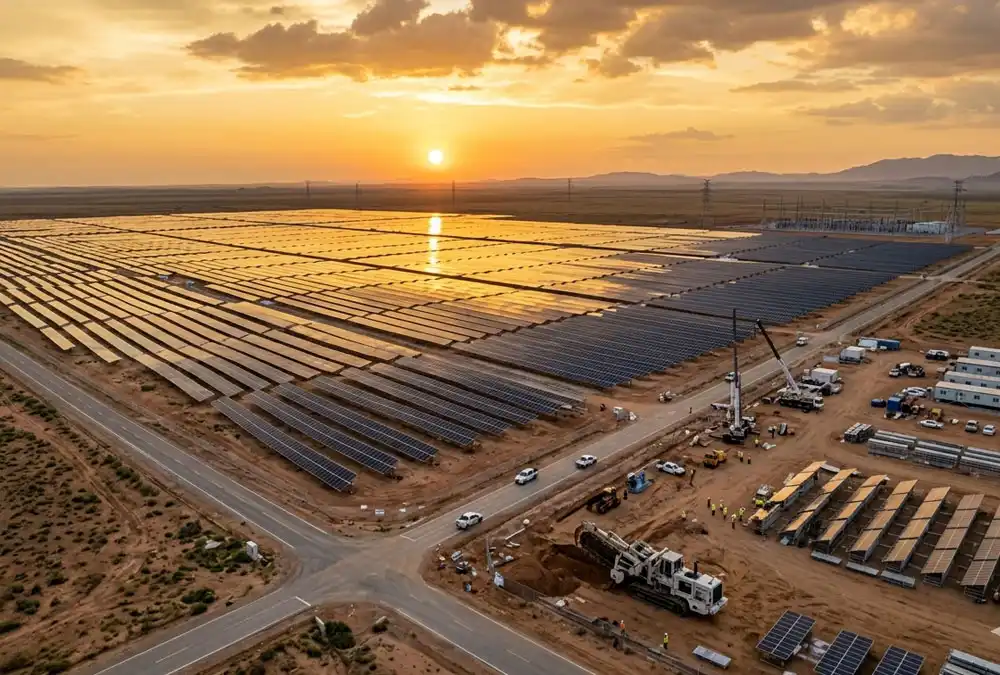
How Long Does a Turnkey Solar Project Take?
Project execution schedules vary based on system scale, installation environment, and utility interconnection complexity:
- Commercial Rooftop Solar Timelines (500kW – 2MW): Typically takes 3 to 6 months, featuring rapid on-site structural assembly and minor civil requirements.
- Industrial Solar Project Timelines (2MW – 10MW): Typically takes 6 to 10 months, requiring detailed structural engineering, medium-voltage switchgear integration, and comprehensive grid studies.
- Utility-Scale Solar Farm Timelines (10MW – 100MW+): Typically takes 12 to 24 months, heavily dictated by extensive civil earthworks, substation construction, and utility grid interconnection schedules.
Factors That Can Delay Solar Projects
Asset owners must proactively manage four primary scheduling risks:
- Regulatory and Permitting Bottlenecks: Delays in municipal zoning or environmental approvals can stall engineering schedules before construction begins.
- Grid Interconnection Approval Discrepancies: Utility review processes and grid-capacity studies frequently represent the longest variable in a project’s timeline.
- Supply Chain Long-Lead Disruptions: Critical electrical components—specifically high-voltage step-up transformers and utility switchgear—require early procurement planning.
- Adverse Meteorological Conditions: Severe winter weather or heavy seasonal rainfall can halt civil earthworks and foundation pile-driving operations.
Turnkey Solar Project ROI and Payback Period Analysis
How ROI Is Calculated
Evaluating a solar project development asset requires analyzing the lifetime financial yields against upfront capital costs. Financial models utilize internal rate of return (IRR) and net present value (NPV) metrics, calculated against the plant’s lifetime Levelized Cost of Energy ($LCOE$). Financial performance is optimized by maximizing the plant’s lifetime generation ($Energy_t$) and performance ratio while minimizing routine operating expenses ($OpEx_t$).
Typical Solar Payback Periods
Under current European electricity tariff structures and green funding programs, typical payback timelines are highly favorable:
- Commercial Solar Assets: 4 to 6 Years, driven by high retail grid tariff avoidance.
- Industrial Solar Power Systems: 5 to 7 Years, utilizing optimized on-site self-consumption and corporate PPAs.
- Utility-Scale Solar Farms: 6 to 9 Years, anchored by long-term Contracts for Difference (CfD) or wholesale market merchant strategies.
Factors That Affect Solar ROI
Financial returns depend on regional solar irradiance, site shading profiles, on-site self-consumption ratios, and component degradation metrics. Using high-efficiency N-type modules paired with automated single-axis tracking systems optimizes the project’s capacity factor, driving superior long-term financial returns.
Long-Term Financial Benefits
Beyond simple energy bill reductions, turnkey assets deliver predictable operating expenses by locking in fixed energy costs for 25+ years. Furthermore, they generate marketable carbon credits and improve corporate ESG profiles, helping enterprises secure favorable corporate financing rates.
Why Turnkey Solar + Battery Storage Solutions Deliver Higher ROI
How Battery Storage Enhances Solar Projects
Deploying standalone solar can lead to energy curtailment when generation peaks outpace real-time facility loads. Integrating turnkey solar and battery storage solutions solves this issue by capturing excess mid-day energy and storing it for deployment during high-tariff periods, maximizing the financial value of every generated kilowatt-hour.
Peak Shaving and Demand Charge Reduction
Industrial facilities pay substantial demand charges based on their peak consumption spikes. Intelligent BESS platforms run automated peak-shaving algorithms that discharge stored battery energy instantly when facility consumption spikes, flattening the building’s grid draw profile and lowering monthly utility charges.
Energy Arbitrage Opportunities
In regions with time-of-use (ToU) electricity pricing or dynamic wholesale markets, smart energy management systems optimize charging during low-cost or negative-tariff periods. The stored energy is then discharged during peak pricing hours, creating a lucrative energy arbitrage stream.
Backup Power and Energy Security
For automated manufacturing, logistics hubs, and processing plants, unexpected power interruptions can cause costly operational downtime. Integrating industrial storage with an automated transfer switch (ATS) creates a resilient microgrid capable of keeping critical factory loads operational during unexpected utility grid failures.
Solar + BESS vs. Solar-Only ROI Comparison
While a solar-only system features a lower initial capital cost, its financial return is capped by real-time facility load limits and lower export tariffs. Adding an integrated BESS increases initial CapEx but expands total energy utilization, captures multi-tier market revenue streams, and protects against industrial downtime, delivering superior long-term net present value.
Future Integration with EV Charging and Microgrids
Modern industrial sites are increasingly adopting corporate fleet electrification. A flexible solar-plus-storage architecture provides the high-power electrical backbone required to deploy DC fast-charging infrastructure without overloading existing building distribution panels or triggering expensive grid connection upgrades.
Required Documents for a Turnkey Solar Project
To ensure efficient project execution and compliance with regional regulatory frameworks, asset owners should prepare several key documents:
- Site Ownership and Land Title Documents: Valid deeds, lease agreements, or land-registry certifications confirming long-term property control.
- Historical Electricity Usage Records: A minimum of 12 to 24 months of detailed 15-minute interval utility billing data to guide accurate system sizing.
- As-Built Engineering Drawings: Comprehensive architectural blueprints, structural roof structural schematics, and main electrical room layouts.
- Permits and Regulatory Documentation: Municipal zoning approvals, environmental impact clearances, and localized building certificates.
- Grid Connection Applications: Formally executed preliminary grid capacity allocation requests submitted to the regional distribution network operator (DNO).
- Final Handover Documentation: Factory acceptance test (FAT) records, certified electrical single-line designs, operations manuals, and formal commissioning logs.
Government Incentives and Tax Benefits for Turnkey Solar Projects
European turnkey projects can leverage several national and EU-wide financial support mechanisms to optimize project economics:
- Investment Tax Credits (ITC) & Accelerated Depreciation: Allows businesses to deduct a significant percentage of solar capital expenditures from corporate tax liabilities during the first years of operation.
- Feed-in Tariffs (FiT): Guaranteed long-term pricing structures paid by utility operators for clean power exported back into the distribution network.
- Net Metering Programs: Regulatory frameworks allowing commercial facilities to credit excess mid-day generation against nighttime grid consumption.
- Renewable Energy Subsidies & Grants: Direct capital injections funded by national decarbonization funds to offset initial hardware and installation costs.
- EU Green Energy Funding Opportunities: Large-scale infrastructure grants distributed via the NextGenerationEU fund and regional innovation frameworks to de-risk hybrid solar-plus-storage projects.
How to Choose the Best Roof or Land for Turnkey Solar Installation
Ideal Roof Characteristics for Solar Panels
Commercial roof structures should ideally feature unobstructed Southern orientation (in the Northern Hemisphere) to maximize annual irradiance. The roof envelope must be in good condition with a remaining life expectancy matching the solar asset’s 25-year lifespan, avoiding the need for costly mid-lifecycle uninstallation and re-installation works.
Ground-Mounted Solar Site Selection Criteria
Ground-mounted assets require level or gently sloping south-facing topography with good soil drainage characteristics. Avoid parcels containing protected wetlands, archaeological hazards, or severe ecological zoning restrictions that could complicate or stall environmental permitting phases.
Solar Irradiance and Shading Analysis
Engineers utilize specialized LiDAR data and horizon modeling software to identify potential shading from nearby industrial structures, vegetation, or topography, optimizing string routing layouts to eliminate localized performance losses.
Grid Accessibility Considerations
Proximity to an existing high-voltage utility substation or adequate distribution line capacity is essential for utility-scale viability. Developing miles of new medium-voltage transmission infrastructure to reach a distant connection point can introduce unexpected capital costs that impact project financials.
Common Risks in Turnkey Solar Projects and How to Avoid Them
Project Delays
Extended utility grid studies and local permitting timelines represent common sources of project delays. Experienced turnkey contractors mitigate this risk by engaging regional network operators early and running engineering and permitting applications in parallel.
Cost Overruns
Unexpected subsurface rock formations during pile driving or hidden structural roof deficiencies can quickly generate costly change orders. Conducting rigorous front-end engineering design (FEED), including extensive geotechnical soil testing and non-destructive roof loading scans, eliminates these hidden civil risks before hardware procurement begins.
Poor System Performance
Sub-optimal engineering layouts, low-grade DC cabling, and poor inverter string optimization can lead to chronic system underperformance. Turnkey contracts solve this issue by including legally binding, long-term performance ratio (PR) guarantees that tie contractor compensation directly to real-world power output.
Equipment Quality Risks
Procuring tier-3 or uncertified hardware introduces higher component failure rates and accelerated power degradation. Specifying solely BloombergNEF Tier-1 modules and internationally certified inverters ensures long-term field reliability and bankable warranty protection.
Grid Connection Challenges
Stricter power-quality regulations can lead to utility interconnection rejections. Turnkey providers address this by integrating utility-approved power plant controllers, dynamic reactive power compensation systems, and smart harmonic filtering equipment into the core electrical design.
How to Choose the Right Turnkey Solar Solutions Provider
Selecting a long-term partner requires assessing several core corporate capabilities:
- Evaluate EPC and Project Experience: Review the contractor’s verified portfolio of successfully commissioned commercial and utility-scale projects within your regional jurisdiction.
- Assess Engineering Capabilities: Confirm the provider maintains an experienced, in-house multi-disciplinary engineering team capable of developing advanced electrical, structural, and civil designs.
- Review Equipment and Supply Chain Strength: Verify the contractor maintains direct purchasing relationships with tier-1 hardware manufacturers, ensuring secure component allocations and reliable delivery timelines.
- Verify Certifications and Compliance: Ensure the firm holds all necessary international quality management and health and safety certifications (e.g., ISO 9001, ISO 14001, ISO 45001) along with localized electrical licensing.
- Check Warranty and O&M Support: Confirm the provider offers comprehensive asset management contracts, rapid on-site performance response guarantees, and real-time remote SCADA diagnostic capabilities.
- Assess Solar + Battery Storage Expertise: Verify the contractor has proven capability integrating high-capacity BESS assets, including deep expertise in Power Conversion System (PCS) matching and advanced Energy Management System (EMS) programming.
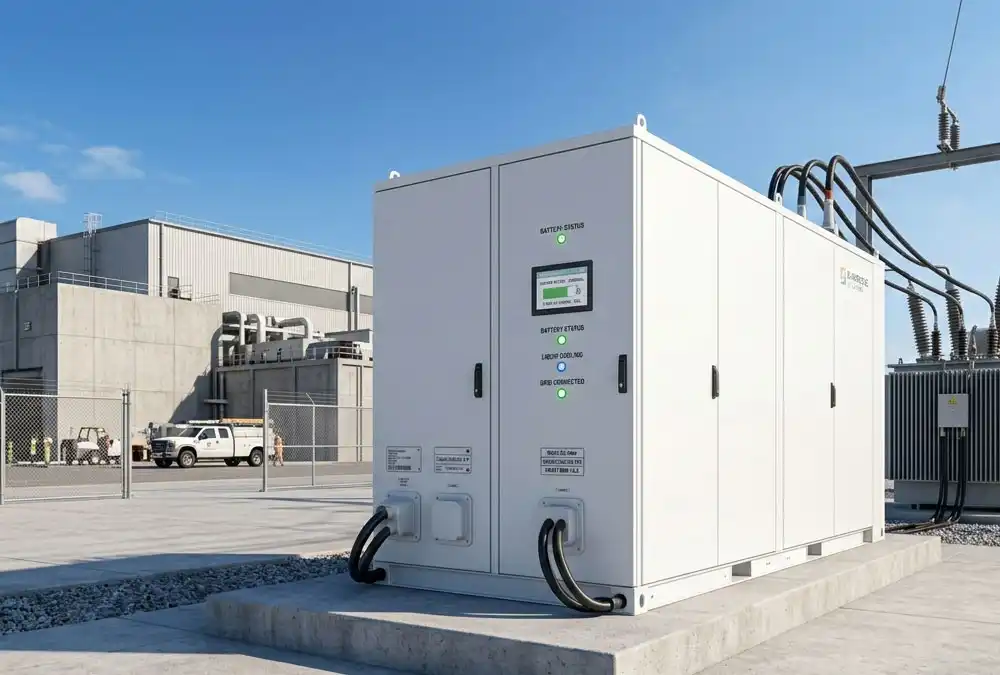
Featured Industrial BESS Product Recommendation
For industrial enterprises seeking optimized hardware integration within their turnkey project ecosystem, we highly recommend specifying the Anengji ECO-E233LS Liquid-Cooled Commercial Energy Storage System (500kW / 1165kWh) or the Anengji ECO-E261LP Inverter-Integrated Outdoor BESS Cabinet. These systems feature advanced liquid-cooling technology that maximizes cell lifespans, smart multi-tier battery management systems (BMS), and excellent power density, making them perfectly suited for factory peak-shaving and resilient microgrid integration across the EU.
Turnkey Solar Warranty and Maintenance Process
Long-term asset protection relies on a clear, multi-tiered warranty framework and structured preventative maintenance protocols:
- Solar Panel Warranties: Includes a 10 to 15-year comprehensive structural product warranty coupled with a 25 to 30-year linear power output guarantee, ensuring the modules retain high performance over their operational life.
- Inverter Warranties: Standard factory warranties range from 5 to 10 years, with flexible options to purchase extended 20-year coverage to match the overall asset lifespan.
- Performance Guarantees: Turnkey contractors provide binding annual performance ratio (PR) guarantees, offering clear financial compensation if the actual physical power generation drops below engineered baselines.
- Preventative Maintenance Programs: Includes scheduled semi-annual field technical inspections, localized electrical torque testing, thermal imaging of combiner boxes, and systematic solar panel cleaning to maintain optimal generation efficiency.
- Remote Monitoring and Diagnostics: Cloud-based SCADA systems monitor real-time string data around the clock, using smart anomaly detection to flag string-level faults and streamline rapid maintenance dispatches.
Turnkey Solar Solutions vs. Traditional EPC Projects
Understanding the operational and commercial structural distinctions between a unified turnkey model and traditional fragmented engineering, procurement, and construction contracting is vital for accurate risk planning:
| Operational Metric | Unified Turnkey Solutions Model | Traditional Split EPC Contracting |
|---|---|---|
| Contractual Structure | Single all-inclusive contract covering all development phases. | Multiple unbundled contracts with separate engineering, procurement, and construction firms. |
| Liability & Risk Assignment | 100% assigned to the primary turnkey contractor. | Split across multiple parties, leaving the asset owner exposed to interface liability gaps. |
| Price Certainty | Fixed-price, lump-sum structure protecting against change orders. | Variable pricing model exposed to design modifications and vendor coordination adjustments. |
| Procurement Management | Contractor directly manages logistics, customs, and factory relationships. | Asset owner must coordinate international hardware supply chains and component delivery schedules. |
| Project Delivery Speed | Accelerated timelines due to parallel engineering and procurement phases. | Slower, sequential phases with a higher risk of inter-vendor operational delays. |
| Lender Preference | Highly preferred by project finance banks due to its clear, de-risked profile. | Requires extensive developer experience and separate balance sheet strength to secure project financing. |
FAQ About Turnkey Solar Solutions
What Is a Turnkey Solar Solution?
It is an all-inclusive project delivery model where a single contractor manages the complete lifecycle of a solar asset—from initial engineering through hardware procurement and physical construction to grid connection—handing over an operational power plant.
How Much Does a Turnkey Solar Project Cost?
Total capital costs depend heavily on project scale, structural roof requirements, and regional utility grid interconnection needs. Large European utility ground mounts average €0.55M to €0.85M per MW, while C&I assets typically range from €0.80M to €1.25M per MW.
How Long Does Installation Take?
Typical commercial rooftop installations are completed within 3 to 6 months. Large industrial projects generally require 6 to 10 months, while mega-scale utility arrays involving dedicated substation development can take 12 to 24 months.
What Is the Average Solar Payback Period?
Commercial and industrial assets generally achieve full financial payback within 4 to 7 years, depending on localized electricity tariffs, on-site consumption ratios, and available national tax incentives.
Can Battery Storage Be Added Later?
Yes, storage can be retrofitted. However, factoring battery integration into the initial front-end engineering design allows for optimal sizing of the main electrical switchgear and inverters, reducing future upgrade costs.
What Maintenance Is Required?
Industrial assets require scheduled preventative maintenance, including semi-annual electrical inspections, inverter air filter replacements, thermal scan diagnostics, and periodic module cleaning to ensure peak generation efficiency.
Are Government Incentives Available?
Yes, European projects can leverage several national and EU support mechanisms, including investment tax credits, accelerated asset depreciation, net-metering structures, and green capital grants funded by the EU Green Deal.
How Do I Choose the Right Solar Provider?
Look for a contractor with a verified regional track record, in-house engineering depth, secure tier-1 manufacturer supply lines, bankable performance guarantees, and deep expertise integrating high-capacity battery storage systems.
Conclusion – Achieving Long-Term Value with Turnkey Solar Solutions
Deploying commercial or utility-scale clean energy assets represents a strategic, multi-decadal financial investment. Focusing solely on minimizing initial hardware expenditures often compromises system reliability, leading to increased long-term operating costs and lower energy yields. True financial and operational optimization is achieved by investing in robust engineering design, secure tier-1 component integration, and single-source contracting. Choosing a unified turnkey model delivers fixed-cost predictability, protects the project timeline, and ensures the plant operates at peak performance.
As grid regulations evolve and variable energy generation presents new integration challenges, coupling solar arrays with advanced battery storage systems has become essential to maximize project returns. Partnering with an experienced, vertically integrated turnkey provider allows corporate energy consumers and renewable energy investors to safely de-risk construction, secure predictable grid interconnection, and unlock the full financial value of their sustainable energy portfolios for decades to come.
 https://anengjipower.com/wp-content/uploads/2026/06/epc-vs-turnkey-solar-project-bess.webp
675
1000
Charging Station Engineer
https://anengjipower.com/wp-content/uploads/2025/09/anengji-dc-fast-charging-station-manufacturer-and-supplier-logo-white-1.png
Charging Station Engineer2026-06-22 07:16:042026-06-24 07:13:17What Is the Difference Between EPC and Turnkey Contract Models in Energy Projects?
https://anengjipower.com/wp-content/uploads/2026/06/epc-vs-turnkey-solar-project-bess.webp
675
1000
Charging Station Engineer
https://anengjipower.com/wp-content/uploads/2025/09/anengji-dc-fast-charging-station-manufacturer-and-supplier-logo-white-1.png
Charging Station Engineer2026-06-22 07:16:042026-06-24 07:13:17What Is the Difference Between EPC and Turnkey Contract Models in Energy Projects?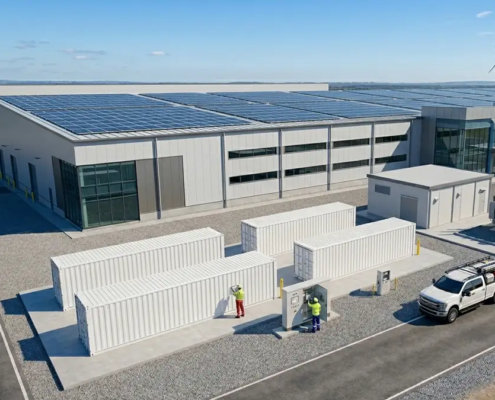 https://anengjipower.com/wp-content/uploads/2026/06/anengji-commercial-solar-plus-storage-benefits-site.webp
675
1000
Charging Station Engineer
https://anengjipower.com/wp-content/uploads/2025/09/anengji-dc-fast-charging-station-manufacturer-and-supplier-logo-white-1.png
Charging Station Engineer2026-06-20 14:34:102026-06-20 14:37:43What Are the Top Benefits of Solar Battery Storage in Factories?
https://anengjipower.com/wp-content/uploads/2026/06/anengji-commercial-solar-plus-storage-benefits-site.webp
675
1000
Charging Station Engineer
https://anengjipower.com/wp-content/uploads/2025/09/anengji-dc-fast-charging-station-manufacturer-and-supplier-logo-white-1.png
Charging Station Engineer2026-06-20 14:34:102026-06-20 14:37:43What Are the Top Benefits of Solar Battery Storage in Factories?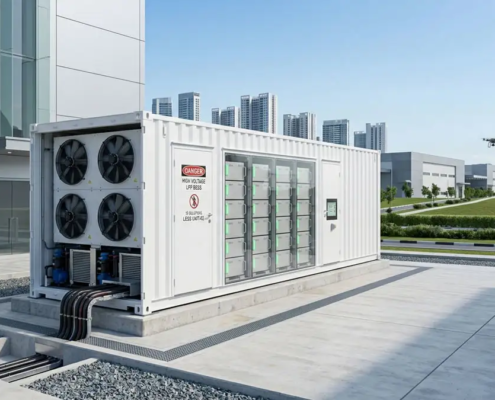 https://anengjipower.com/wp-content/uploads/2026/06/modular-commercial-solar-battery-storage-cabinet.webp
675
1000
Charging Station Engineer
https://anengjipower.com/wp-content/uploads/2025/09/anengji-dc-fast-charging-station-manufacturer-and-supplier-logo-white-1.png
Charging Station Engineer2026-06-18 09:16:522026-07-03 03:05:13What Is Solar Battery Storage? Complete C&I Engineering Guide
https://anengjipower.com/wp-content/uploads/2026/06/modular-commercial-solar-battery-storage-cabinet.webp
675
1000
Charging Station Engineer
https://anengjipower.com/wp-content/uploads/2025/09/anengji-dc-fast-charging-station-manufacturer-and-supplier-logo-white-1.png
Charging Station Engineer2026-06-18 09:16:522026-07-03 03:05:13What Is Solar Battery Storage? Complete C&I Engineering Guide


Leave a Reply
Want to join the discussion?Feel free to contribute!