
Introduction
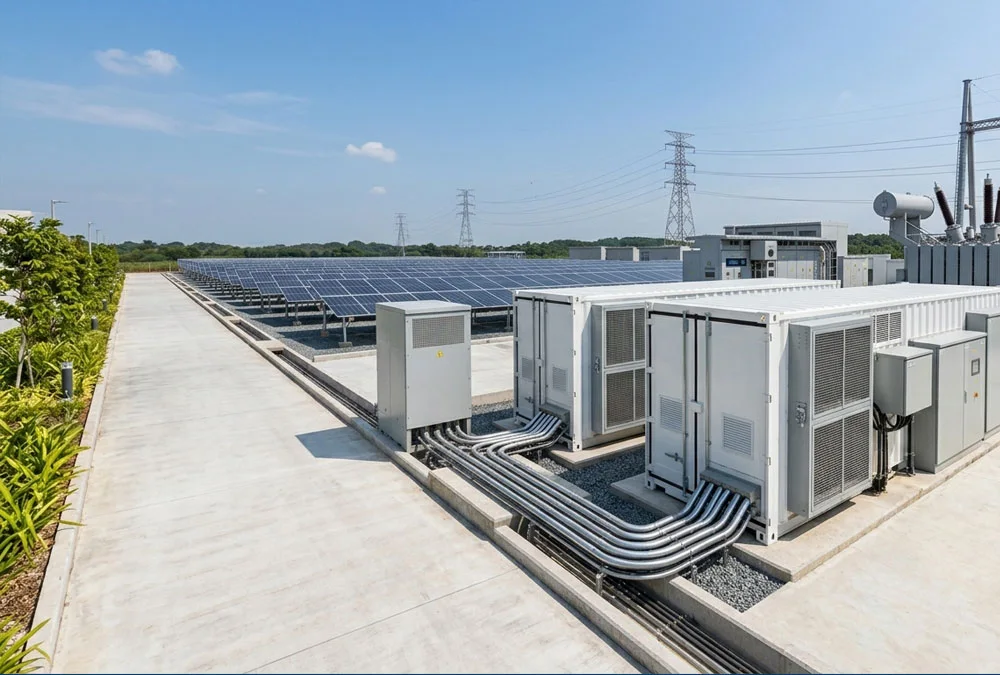
Managing grid instability while aiming to optimize solar consumption can feel like chasing a moving target. If you are an EPC contractor or a renewable energy developer, you know that onsite construction delays and unexpected engineering headaches eat your margins alive. That is exactly why the 20ft BESS Container has shifted from a specialized option to the absolute backbone of modern energy infrastructure. It packages high-density power into a predictable, rugged footprint that eliminates the chaos of traditional brick-and-mortar battery rooms. It serves as a turnkey package that houses everything required to store, manage, and dispatch electricity at scale. Many asset owners worry about long utility interconnection delays and safety compliance. They fear high upfront capital deployment. These are valid corporate concerns. Our engineering approach addresses these exact risks during early design phases. We build systems that match local grid code rules perfectly.
What Is a 20ft BESS Container?
A utility-scale battery energy storage system changes how assets perform. It converts passive generation into an active dispatch engine. This shift protects developers from volatile spot market prices.
Definition of a 20ft Containerized Battery Energy Storage System
At its core, a 20ft containerized battery energy storage system is a mobile powerhouse. Instead of sourcing separate battery racks, climate systems, and fire suppressors to build an onsite facility, this system consolidates all those elements into a single transportable container. It acts as a single, large-scale asset ready to interface directly with your local distribution grid or industrial facility.
Why the 20ft ISO Container Has Become the Industry Mainstream Standard
The global supply chain runs on standard dimensions. By using a standard containerized ESS footprint, manufacturers utilize existing maritime, rail, and flatbed truck infrastructure. There is no need for specialized heavy-haul permits or oversized escort vehicles. When the unit arrives at your project site, it fits onto standard concrete foundation pads and aligns perfectly with typical industrial site layouts.
Advantages Over Traditional Built-In Battery Rooms
Building a brick-and-mortar battery room requires extensive local permitting, specialized structural engineering, and weeks of manual wiring. A battery storage container completely changes this dynamic.
- Environmental Protection: The double-walled, insulated steel structure shields components from extreme weather.
- Safety Isolation: If a thermal issue occurs, it is contained within an isolated steel structure outdoors, far away from your primary building assets.
- Asset Mobility: If your lease ends or your microgrid needs shift, you can disconnect the container, crane it onto a truck, and redeploy it elsewhere.
Why Choose a 20ft BESS Container for Battery Energy Storage Projects?
If you are evaluating equipment for a utility-scale or heavy industrial site, the choice comes down to speed, risk management, and overall lifetime costs. Here is why the industry is moving rapidly toward the containerized battery energy storage system architecture.
Standardized ISO Container Design
Because it uses a standard structural frame, the loading, lifting, and locking mechanisms are identical to any freight container worldwide. Your team can use standard cranes and rigging gear already on site. This predictability reduces logistical friction and keeps your project timeline tightly on track.
Factory-Integrated Plug-and-Play Solution
When you buy a unit from an experienced 20ft BESS container manufacturer, the internal wiring, busbars, sensor arrays, and thermal controls are fully installed and tested under factory conditions. You avoid the risk of field installation errors—like dust getting into electronic components or loose cable connections made during bad weather. Once dropped on the pad, you just terminate the main AC/DC links and communication lines.
Scalable and Modular Energy Storage Architecture
No two projects require the exact same capacity. A modular containerized ESS allows you to start small and add units as your load or solar array expands. You can easily parallel multiple 20ft units to create a multi-megawatt system. This protects your upfront capital and allows you to scale up precisely when your budget or energy demands require it.
Lower Installation and Engineering Costs
Onsite civil works are expensive and unpredictable. With a containerized setup, your civil preparation is limited to simple concrete strips or a flat slab. By reducing field assembly, you cut down on specialized local labor costs. This makes your overall EPC bidding process much more competitive and drastically shortens your project payback period.
Key Components of a 20ft Battery Storage Container
To appreciate the value of this platform, you need to look past the steel walls and understand the subsystems working together inside. A reliable energy storage container system relies on balanced integration across several core engineering layers.
LFP Battery System
The core of the system depends on Lithium Iron Phosphate (LFP) technology. A standard LFP battery storage container utilizes individual cells welded into modules, which are then stacked into heavy-duty vertical battery racks. LFP is the undisputed standard here because it offers an excellent balance of long cycle life (often over 6,000 cycles at 80% depth of discharge) and excellent thermal stability compared to older NMC chemistries. Technical Definition: Lithium Iron Phosphate (LFP) utilizes a robust olivine crystal structure. This structure naturally resists thermal runaway, making it highly secure for large utility clusters under high current load.
Power Conversion System (PCS)
The PCS is the bi-directional muscle of the container. It converts incoming AC power from the grid or solar panels into DC power to charge the cells, and inverts it back to AC when it is time to discharge. Depending on your design, you can choose a 20ft containerized ESS with PCS and EMS built completely inside the box, or use an external centralized inverter skid if you need a specific high-voltage setup.
Battery Management System (BMS)
The BMS operates as the primary safety layer for the batteries. It monitors cell voltages, internal temperatures, and state of charge (SOC) in real time. If a single cell begins to drift or overheat, the BMS automatically balances the load or triggers a safety shutdown before a small issue turns into a system-wide failure.
Energy Management System (EMS)
Think of the EMS as the brain of the operation. While the BMS protects the hardware, the EMS executes your business logic. It handles peak shaving, tracks utility pricing to run arbitrage strategies, and syncs with your SCADA system via protocols like Modbus TCP or DNP3. It decides exactly when to hold power and when to dump it back into the grid to maximize revenue.
Thermal Management System
Batteries are sensitive to temperature changes. To keep them performing optimally between 20°C and 25°C, containers use advanced thermal controls.
- Air Cooling: Uses industrial HVAC units to circulate chilled air. It is reliable and cost-effective for standby or low-C-rate duties.
- Liquid Cooling: Uses a dedicated coolant loop pumped directly through cooling plates inside the battery modules. A liquid cooled battery container provides highly uniform temperature control, consumes less parasitic power, and allows for higher energy density inside the same 20ft footprint.
Fire Protection and Safety System
Safety cannot be an afterthought. High-quality containers include multi-stage fire suppression systems. These feature early-stage smoke and gas detectors (noting off-gassing like carbon monoxide or hydrogen), automated internal exhaust venting, and specialized clean-agent gas suppression to halt thermal issues before they escalate. 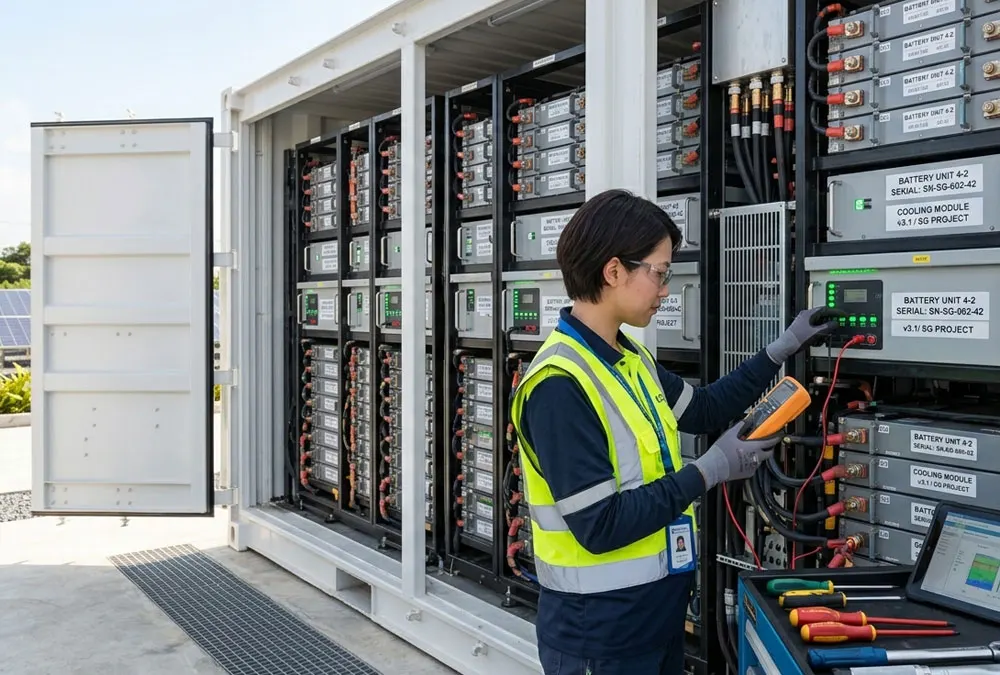
20ft BESS Container Capacity and Configuration Options
A common question from buyers is: “How much energy can we actually fit into a single box?” The answer depends heavily on your choice of battery density and thermal management strategy.
Typical Capacity Range
To meet diverse operational demands, industrial systems deploy standardized building blocks rather than mixed custom configurations. Let us look at how typical capacity options stack up:
| System Block Capacity | Thermal Management Type | Primary Application Scope |
|---|---|---|
| 261 kWh Container | Liquid Cooling Plate | Medium industrial clusters and localized commercial backup. |
| 1 MWh Block | Industrial Air HVAC | Standard commercial factory peak shaving and solar smoothing. |
| 2 MWh – 5+ MWh Unit | Heavy Liquid Loop | Large ground-scale renewable arrays and microgrid systems. |
The Real Difference for Buyers: Upgrading from a 261 kWh block to a full 1 MWh or larger 20ft platform shifts your structural economics. A 261 kWh cabinet offers excellent micro-targeting for small commercial facilities with sharp load drops. However, choosing a centralized 20ft containerized platform packs maximum capacity into a tight footprint. This configuration drastically lowers your civil foundation footprint and cuts field wiring assembly times by up to 40%.
Power Rating Options
Your power rating determines how quickly the system can discharge its stored energy. A 0.5C configuration (2-hour system) pairs a 2 MWh container with a 1 MW PCS, making it ideal for standard energy shifting. A 1C configuration (1-hour system) pairs that same container with a 2 MW PCS, which is perfect for fast frequency response or handling heavy industrial starting loads.
Customized Configuration Flexibility
A reliable manufacturer will not force you into a single template. You can customize the battery capacity, select specific PCS brands, deploy preferred EMS platforms, configure unique communication protocols, or adjust your utility grid connection method to match your local network interface perfectly.
Applications of 20ft BESS Containers
Where do these systems make the biggest impact? Their versatility allows them to serve multiple roles across different market sectors.
Solar + Battery Storage Projects
Solar generation peaks at midday, but demand often surges in the evening. Co-locating a 20ft container with a solar array creates a predictable, dispatchable asset. It smooths out solar intermittency caused by passing clouds and stores excess green energy so you do not have to curtail your production.
Industrial and Manufacturing Facilities
For factories operating heavy machinery, demand charges can make up a massive portion of the utility bill. By deploying a commercial battery energy storage unit, the system discharges during peak demand spikes, keeping your facility under its utility threshold and saving thousands of dollars every month.
Utility-Scale Renewable Energy Projects
Grid operators utilize a utility scale battery storage container to provide critical ancillary services. This includes voltage support, frequency regulation, and spinning reserves, which help stabilize transmission networks as older fossil fuel plants retire.
EV Charging Stations
High-speed DC fast chargers place massive, sudden loads on the local electrical grid. A container acts as a local buffer. It slowly draws power from the grid during low-traffic periods and discharges rapidly to support multiple EVs charging simultaneously, saving you from expensive utility grid upgrades.
Microgrid and Island Power Systems
In remote communities or mining sites reliant on diesel generators, adding a containerized ESS reduces fuel consumption significantly. It allows generators to run at their peak efficiency points or turns them off entirely during low-load hours.
Backup Power and Critical Infrastructure
Data centers and hospitals require uninterrupted power. A 20ft container responds within milliseconds of a utility outage, bridging the critical gap before backup diesel generators can spin up to full capacity.
20ft BESS Container vs 40ft BESS Container
Choosing between a 20ft and a 40ft unit is not just about choosing a larger size. It involves analyzing your site’s physical constraints and logistical access.
| Engineering Metric | 20ft BESS Container | 40ft BESS Container |
|---|---|---|
| Typical Capacity Range | 1.0 MWh to 2 MWh | 4.0 MWh to 5.0+ MWh |
| Transportation Comparison | Standard flatbed truck. Easy rural access. | Extended chassis truck. Requires wide turn radii. |
| Installation Requirements | Medium crane needed. Smaller concrete pad. | Heavy-duty crane required. Large civil slab. |
| Project Suitability | Tight industrial yards and modular arrays. | Massive centralized flat ground-scale projects. |
The Real Difference for Buyers: A 20ft configuration offers much higher layout flexibility for irregular, tight industrial spaces. It lowers shipping logistics costs significantly because you do not need oversized transit permits. Furthermore, using a 20ft unit reduces your onsite crane rental rates and site preparation costs, making it a highly practical container battery storage solution for expanding facilities.
How to Select the Right 20ft BESS Container Supplier
Sourcing industrial hardware over the internet can feel risky. To separate top-tier hardware from low-quality builds, focus your technical vetting on these specific areas.
Battery Cell Quality
The heart of your investment is the battery cell. Always insist on Tier-1, Grade-A LFP cells with fully traceable testing data. Lower-grade cells degrade much faster and exhibit wider voltage imbalances, which shortens your system’s overall operational lifespan.
PCS and EMS Integration Capability
Ensure your supplier can smoothly integrate diverse inverter systems and open communications protocols. If a manufacturer uses a proprietary closed EMS that cannot talk to your existing solar array or plant SCADA, you will face expensive programming challenges down the road. Look for a verified 20ft BESS container manufacturer that prioritizes open architecture.
International Certifications
Never compromise on safety compliance. Your local inspectors and insurance underwriters will require verified proof of certification benchmarks before allowing grid injection.
- UL 9540 / UL 1973: Covers the complete integrated energy storage system and battery packs.
- UL 9540A: Rigorous thermal runaway fire testing for battery cells and modules.
- IEC 62619 / CE: Safety requirements for lithium batteries in industrial applications.
- UN38.3: Certified safe for international shipping and transport.
OEM & ODM Customization and Factory Manufacturing Capacity
Verify that your supplier possesses the actual factory line capacity to handle large engineering orders. A supplier with strong OEM/ODM capabilities can adjust internal rack layouts, modify structural paint thickness for coastal sites, and provide detailed technical documentation early in the bidding process.
Global Delivery and Local Technical Support
Hardware failure costs money every hour the system sits idle. Ensure your partner maintains a reliable logistics network and provides clear service-level agreements for field support or rapid components deployment.
Questions to Ask Before Purchasing a 20ft BESS Container
Before signing a contract when looking at a 20ft battery storage container for sale, put these questions directly to your supplier’s engineering team:
- Does the system support full EMS remote cloud monitoring and SCADA integration?
- Are the internal components pre-certified for immediate local utility grid compliance?
- Is the container architecture built to allow straightforward capacity expansion in the future?
- Do you provide full Factory Acceptance Testing (FAT) and Site Acceptance Testing (SAT) logs?
Cost Factors of a 20ft BESS Container
When looking for a 20ft battery storage container for sale, the lowest initial quote rarely reflects the actual total cost of ownership. The overall price is shaped by several key engineering choices.
Battery Capacity and Cooling Technology
The total volume of energy you pack into the box dictates your baseline costs. However, your cooling choice changes long-term yields. Liquid-cooled containers carry higher upfront equipment costs than air-cooled units. However, they deliver tighter temperature control, lower parasitic load, and much slower cell degradation, maximizing your lifetime asset returns.
PCS Configuration and Fire Protection Systems
Matching the correct bi-directional inverter size to your C-rate requirements shifts the price line. Furthermore, adding advanced multi-gas detection loops that sense off-gassing before smoke appears increases your initial safety budget but is mandatory to secure reasonable insurance premiums.
Certification Requirements, Transportation, and Installation Costs
Acquiring specific regional grid stamps can add to engineering lead times. You must also budget for international ocean freight, local port customs clearance, concrete pad foundations construction, and heavy crane rentals required to drop the grid-scale battery storage container into its final position.
Lifecycle Cost and ROI
A well-engineered system typically achieves full capital payback within 5 to 7 years depending on local market capacity payouts. Once past that threshold, the minimized operational maintenance overhead allows the asset to generate clear corporate revenue for the remainder of its 15-to-20-year service life. 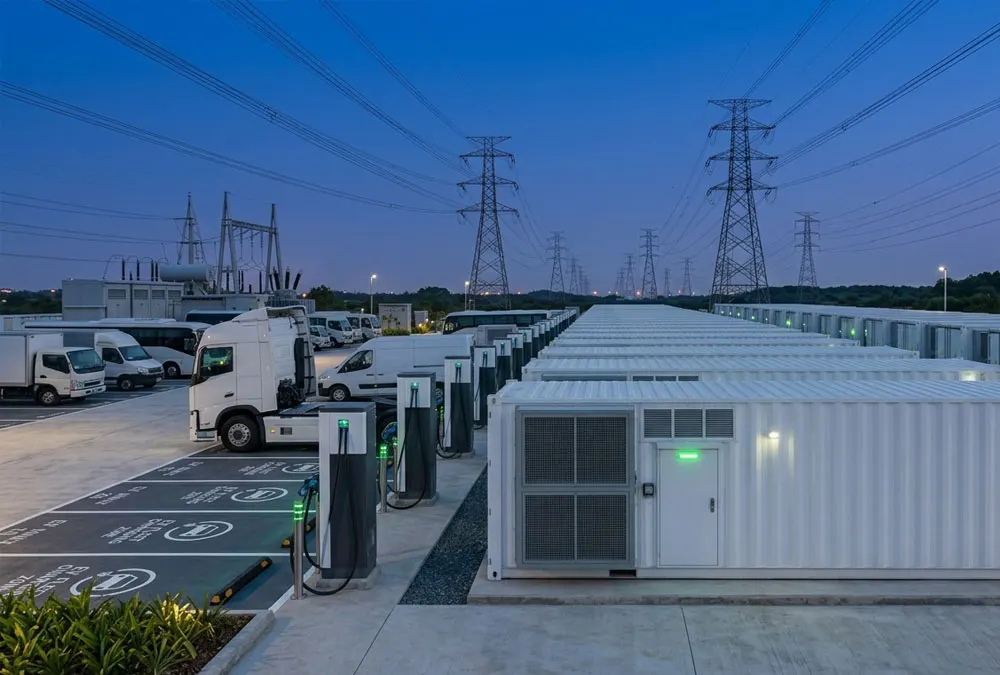
Why Choose AnengJi Power as Your 20ft BESS Container Partner?
AnengJi Power delivers engineered utility-scale BESS configurations built for high performance and reliability.
Integrated BESS Manufacturing
We provide fully integrated container对齐 layouts that minimize on-site installation work. Our systems arrive with battery racks, PCS modules, and automated EMS networks pre-wired and factory-tested to ensure a smooth deployment process.
Customized Turnkey Energy Storage Solutions
We build systems tailored to your specific project goals. Our team handles every phase of development, including site sizing simulation, structural engineering verification, and complete technical document preparation for utility interconnection processing.
Strict Quality Control, Fast Delivery, and Global Logistics Support
Our secure manufacturing pipeline ensures reliable delivery schedules for major infrastructure projects. We maintain rigorous quality checkpoints at every production step and back our hardware with dedicated logistics tracking to ensure safe delivery to your site.
Related Battery Energy Storage Solutions
To optimize your broader generation infrastructure network, explore our alternative scalable storage platforms:
- 5MWh Containerized Battery Energy Storage System: Our flagship high-density platform built for extensive ground-mounted installations requiring maximum capacity footprints.
- Industrial Battery Energy Storage System: Flexible cabinet arrays designed for indoor or localized light manufacturing deployment.
- Solar Farm Battery Storage Solutions: Standardized multi-megawatt setups optimized to smooth out large utility-scale PV generation profiles.
- Commercial & Industrial Battery Storage Systems: Tailored peak-shaving hardware configurations engineered to slash facility demand charges.
Frequently Asked Questions About 20ft BESS Containers
What is a 20ft BESS container?
It is a complete, factory-integrated battery energy storage system housed inside a standard 20-foot shipping container. It includes batteries, a management system, climate controls, and fire suppression systems pre-installed for rapid outdoor setup.
How much energy can a 20ft BESS container store?
Depending on the cell density and cooling setup, capacity typically ranges from 1 MWh for standard air-cooled layouts up to 2+ MWh for advanced liquid-cooled systems using high-density lithium battery container modules.
What battery chemistry is commonly used?
Lithium Iron Phosphate (LFP) is the global standard for industrial storage due to its superior thermal stability, excellent safety profile, and ability to survive thousands of deep discharge cycles.
Can a 20ft BESS container be connected to solar PV?
Yes. The integrated system can be configured in either DC-coupled or AC-coupled topologies to capture excess daytime generation and shift it to peak evening tariff hours.
How long does a containerized battery system last?
Tier-one LFP systems deliver an operational lifespan of 15 to 20 years. Standard performance contracts guarantee the cells retain at least 70% of their original capacity after a decade of regular use.
Is a liquid-cooled or air-cooled system better?
Liquid cooling is superior for heavy-use, high-density applications because it maintains uniform cell temperatures and extends battery life. Air cooling is a simpler, more economical choice for backup power or lighter duty cycles.
Can the system be customized for different projects?
Yes. Every container allows extensive optimization, including custom PCS sizing, specific EMS communication matching, and specialized environmental coatings for extreme environments.
Start Your 20ft BESS Container Project Today
Don’t let grid constraints and demand charges impact your operational investment. Our engineering team is ready to analyze your project’s historical load data, model real-world performance scenarios, and build a custom turnkey storage solution designed for maximum return.
Ready to Optimize Your Generation Asset?
Contact our expert project consultants today to secure your complimentary initial site ROI assessment and product design brief.
Related Article
 https://anengjipower.com/wp-content/uploads/2026/06/epc-vs-turnkey-solar-project-bess.webp
675
1000
Charging Station Engineer
https://anengjipower.com/wp-content/uploads/2025/09/anengji-dc-fast-charging-station-manufacturer-and-supplier-logo-white-1.png
Charging Station Engineer2026-06-22 07:16:042026-06-24 07:13:17What Is the Difference Between EPC and Turnkey Contract Models in Energy Projects?
https://anengjipower.com/wp-content/uploads/2026/06/epc-vs-turnkey-solar-project-bess.webp
675
1000
Charging Station Engineer
https://anengjipower.com/wp-content/uploads/2025/09/anengji-dc-fast-charging-station-manufacturer-and-supplier-logo-white-1.png
Charging Station Engineer2026-06-22 07:16:042026-06-24 07:13:17What Is the Difference Between EPC and Turnkey Contract Models in Energy Projects?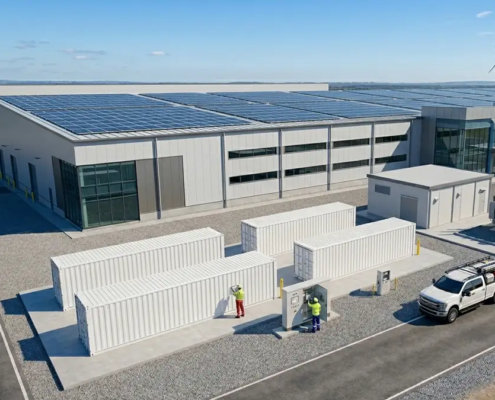 https://anengjipower.com/wp-content/uploads/2026/06/anengji-commercial-solar-plus-storage-benefits-site.webp
675
1000
Charging Station Engineer
https://anengjipower.com/wp-content/uploads/2025/09/anengji-dc-fast-charging-station-manufacturer-and-supplier-logo-white-1.png
Charging Station Engineer2026-06-20 14:34:102026-06-20 14:37:43What Are the Top Benefits of Solar Battery Storage in Factories?
https://anengjipower.com/wp-content/uploads/2026/06/anengji-commercial-solar-plus-storage-benefits-site.webp
675
1000
Charging Station Engineer
https://anengjipower.com/wp-content/uploads/2025/09/anengji-dc-fast-charging-station-manufacturer-and-supplier-logo-white-1.png
Charging Station Engineer2026-06-20 14:34:102026-06-20 14:37:43What Are the Top Benefits of Solar Battery Storage in Factories?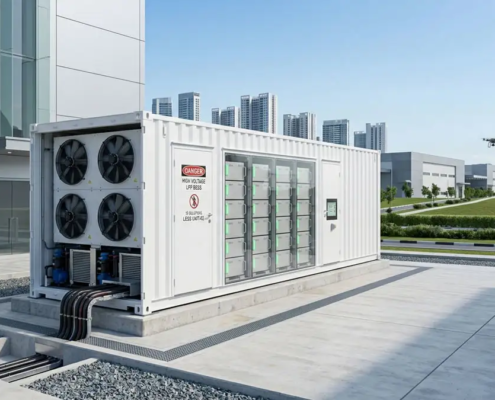 https://anengjipower.com/wp-content/uploads/2026/06/modular-commercial-solar-battery-storage-cabinet.webp
675
1000
Charging Station Engineer
https://anengjipower.com/wp-content/uploads/2025/09/anengji-dc-fast-charging-station-manufacturer-and-supplier-logo-white-1.png
Charging Station Engineer2026-06-18 09:16:522026-07-03 03:05:13What Is Solar Battery Storage? Complete C&I Engineering Guide
https://anengjipower.com/wp-content/uploads/2026/06/modular-commercial-solar-battery-storage-cabinet.webp
675
1000
Charging Station Engineer
https://anengjipower.com/wp-content/uploads/2025/09/anengji-dc-fast-charging-station-manufacturer-and-supplier-logo-white-1.png
Charging Station Engineer2026-06-18 09:16:522026-07-03 03:05:13What Is Solar Battery Storage? Complete C&I Engineering Guide


Leave a Reply
Want to join the discussion?Feel free to contribute!