
Introduction
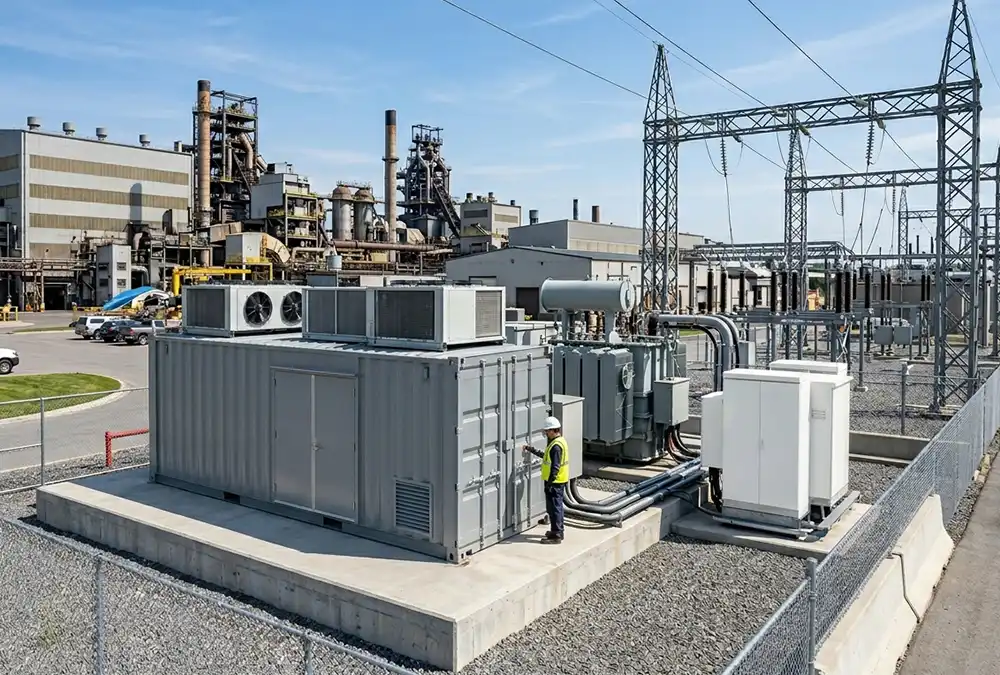
As energy costs rise and grid constraints become more common, businesses, EV charging operators, renewable energy developers, and industrial facilities are increasingly turning to containerized 1MW battery storage solutions. These modular Battery Energy Storage Systems (BESS) provide a flexible and scalable way to reduce electricity costs, improve energy resilience, support renewable integration, and avoid expensive grid upgrades. By establishing an on-site power buffer, a liquid cooled 1MW battery storage container transforms how heavy industrial hardware interacts with localized utility grids. This guide explains how 1MW containerized battery storage systems work, their key components, costs, applications, sizing considerations, and how to choose the right solution for your project.
Developing high-power electrical distribution infrastructure requires deep alignment between real-world power engineering and long-term asset management. Whether your operational goal centers on building an EV charging infrastructure or deploying battery storage for industrial facilities, understanding the technical boundary layers of a containerized BESS ensures your asset delivers optimal thermodynamic and economic returns throughout its operating life.
In this comprehensive guide, we will analyze the precise breakdown of deployment engineering, contrasting the performance metrics of traditional systems against modern liquid cooling energy storage system setups, while investigating the hard financial models that drive payback periods across commercial sectors.
—
What Is a Containerized 1MW Battery Storage Solution?
Definition of a Containerized Battery Energy Storage System (BESS)
A Containerized BESS is an all-in-one, factory-integrated energy storage package housed inside a heavy-duty, weatherproof maritime-style enclosure (typically standard 20-foot or 40-foot dimensions). Instead of assembling separate sub-systems across a facility floor, a battery energy storage container arrives pre-wired, pre-tested, and ready for immediate grid connection. It consolidates high-voltage battery cells, multi-tier management controls, thermal cooling units, bi-directional power conversion modules, and safety protection devices into a single deployable asset.
Understanding 1MW vs 1MWh vs 2MWh Battery Storage
Isolating electrical metrics is critical for correct deployment engineering:
- 1MW (Megawatt): This indicates the instantaneous maximum power output capacity of the system’s bi-directional inverter, determining how much electrical load the asset can handle at any single second.
- 1MWh (Megawatt-hour): This represents the total energy capacity depth of the internal battery packs. A 1MWh system can deliver 1 Megawatt of continuous electrical power for exactly one hour before depletion.
- 2MWh (Megawatt-hour): This indicates a deeper energy capacity. A 1MW/2MWh configuration can supply 1 Megawatt of continuous electrical power for exactly two hours, or 500kW of power for four hours.
Why Containerized Energy Storage Is Becoming the Industry Standard
Decentralized industrial facilities are shifting toward containerized energy storage solutions due to physical security, extreme weather resilience, and structural portability. Moving complex multi-megawatt systems out of indoor electrical rooms prevents structural facility fire hazards, bypasses complex interior spatial building codes, and slashes on-site civil construction labor expenses by up to 60% via rapid drop-in-place crane delivery.
Typical Configurations of a 1MW Battery Storage Container
1MW/1MWh BESS
A high-power, short-duration configuration designed primarily for immediate frequency stabilization, short-interval high-output peak shaving, and voltage ride-through buffering in industrial plants with highly dynamic motor start-up curves.
1MW/2MWh BESS
The standard benchmark 1MW 2MWh containerized BESS solution for commercial properties. It balances adequate power delivery with prolonged energy duration, matching the typical 2-to-4-hour peak demand tariff windows levied by major global utility providers.
1MW/4MWh BESS
A deep-discharge energy-focused asset engineered for long-duration applications. This setup supports extensive energy arbitrage, comprehensive off-grid microgrid operations, and large-scale shifting of daytime solar production into nighttime operational hours.
Modular Expansion Designs
Modern container layouts feature parallel scalability architectures. Multiple 1MW containers can be daisy-chained onto a centralized AC distribution bus, allowing utility-scale battery storage clusters to grow effortlessly from 1MW to 10MW+ as facility loads scale.
—
How a Containerized 1MW Battery Storage System Works
Energy Charging and Discharging Process
The core operating loop centers on bi-directional energy conversion. During the charging cycle, the container draws alternating current (AC) electricity from the distribution grid or localized solar panels; the on-board power conversion system converts it to high-voltage direct current (DC) to charge the cells. During discharge, the loop reverses: DC power leaves the cells, steps through the active inverter modules, and emerges as synchronized AC power matched to the building’s voltage and phase requirements.
Power Flow Between Grid, Solar, Battery, and Loads
The system establishes a dynamic real-time routing loop managed by automated controllers. Incoming utility power, localized solar generation fields, and internal battery storage act as interchangeable power inputs. The primary goal is ensuring that local critical facility loads are constantly supplied with clean electricity, automatically shifting input sources depending on real-time cost, generation volume, and grid availability.
Peak Shaving and Load Shifting Operations
During a peak shaving routine, the storage container functions as an active electrical shield. When facility power draw crosses a predetermined kW threshold, the system halts further draw from the utility grid, immediately discharging battery energy to cover the excess load. For load shifting, the system charges entirely during low-cost, off-peak night windows and releases that energy to power facility machinery during high-cost daytime intervals.
Renewable Energy Integration Workflow
Intermittent renewable generation is smoothed out via predictive buffering. If a cloud layer passes over a solar array, causing generation to plunge, the containerized system senses the voltage shift within milliseconds, injecting matching power to maintain stable, uninterrupted energy supply to localized commercial facility operations.
—
Battery Energy Storage System Components Inside a Containerized BESS
Battery Modules and Battery Packs
The foundational energy storage cells are grouped into sealed sub-assemblies called modules, which are wired in series to achieve system operating buses ranging from 700VDC to over 1500VDC. These modules are installed into heavy-duty vertical racks designed to withstand continuous seismic and thermal stress.
Battery Management System (BMS)
A critical multi-tier hardware architecture. The local slave BMS monitors the voltage, temperature, and impedance of individual cells. This data feeds into a master BMS controller that actively manages cell balancing, calculates real-time State-of-Charge (SoC) and State-of-Health (SoH), and trips safety contactors if any module deviates from normal operating tolerances.
Power Conversion System (PCS)
The electronic heart of the container, composed of industrial-grade bi-directional four-quadrant inverters. The PCS manages active and reactive power flow, providing instantaneous voltage stabilization and black-start capabilities to enable independent microgrid operations during total grid collapse.
Energy Management System (EMS)
The intelligent software layer governing the entire installation. The EMS tracks real-time electricity market pricing, historical load profiles, and weather forecasts to execute automated algorithms, maximizing economic returns without requiring manual operator intervention.
HVAC and Liquid Cooling Systems
Thermal management equipment designed to maintain internal temperatures within an optimal window. While legacy installations use standard HVAC air conditioning forced-air fans, modern units utilize liquid glycol plates placed directly against the battery modules to deliver superior thermal stabilization.
Fire Suppression and Safety Protection Systems
Multi-stage safety designs featuring early-warning gas aspiration sensors (such as air sampling systems that detect cell off-gassing before smoke appears), localized clean-agent gas flooding suppression, automatic ventilation dampers, and structural fire barriers between internal battery compartments.
Monitoring, Communication, and Remote Control Systems
Industrial SCADA gateways communicating via Modbus TCP or IEC 61850 protocols. This infrastructure transmits comprehensive system diagnostics to secure cloud-based monitoring platforms, allowing off-site engineering teams to run remote updates and track real-time safety status 24/7.
—
Why Businesses Are Investing in Containerized Battery Storage Solutions
Rising Electricity Costs and Peak Demand Charges
Utility pricing models heavily penalize commercial operations for rapid consumption spikes. Peak demand charges can represent up to 60% of an industrial plant’s monthly electricity bill. A commercial container battery storage system 1MW architecture delivers a reliable method to cap these spikes, protecting businesses from unpredictable utility line charges.
Limited Grid Capacity for Expansion
Industrial facilities looking to add production lines, or transit yards installing a fleet-scale 1MW battery storage container for EV charging stations, often find that their local electrical utility cannot supply additional power without a multi-million-dollar substation upgrade. An on-site containerized system delivers the required capacity without touching grid-side infrastructure.
Increasing Renewable Energy Adoption
Corporate sustainability goals require heavy investments in on-site photovoltaic generation. However, because solar output fluctuates with changing weather conditions, integrating a stationary microgrid battery storage asset is necessary to stabilize green power before routing it to precision industrial manufacturing machinery.
Energy Security and Backup Power Requirements
For data facilities, cold-storage warehouses, and automated assembly plants, a brief 10-minute grid voltage sag can corrupt ongoing processes, causing significant financial losses. Containerized energy storage containers deliver seamless, millisecond-level backup power switching to keep operations running smoothly.
ESG and Carbon Reduction Targets
Deploying energy storage containers enables commercial enterprises to displace diesel-powered backup generators, lowering Scope 1 and Scope 2 emissions while building an verifiable energy strategy that aligns with global ESG reporting standards.
—
Benefits of Containerized 1MW Battery Storage Systems
- Lower Electricity Bills Through Energy Arbitrage: Automatically store energy when electricity costs are near zero, and discharge it when grid consumption rates peak, capturing a reliable spread on utility expenses.
- Reduce Demand Charges with Peak Shaving: Automatically flatten sudden, high-power facility load spikes to keep measured utility peak usage metrics consistently below high-tariff thresholds.
- Improve Energy Reliability and Resilience: Provide true energy independence with continuous, high-capacity backup power during rolling blackouts or unexpected distribution grid failures.
- Avoid Expensive Grid Infrastructure Upgrades: Meet increased on-site electrical demand using existing utility connections, bypassing the long regulatory wait times and heavy capital costs of transformer upgrades.
- Increase Renewable Energy Utilization: Capture and store excess daytime solar energy to power on-site facilities overnight, maximizing the financial value of green infrastructure investments.
- Support Carbon Neutrality and Sustainability Goals: Transition facilities away from fossil-fuel backup generation and optimize energy usage to dramatically lower corporate carbon footprints.
- Fast Deployment and Scalability: Factory-assembled and containerized systems drop right onto pre-poured concrete pads, speeding up installation and enabling seamless future expansion.
Containerized Battery Storage Applications Across Multiple Industries
Utility-Scale Energy Storage Projects
Grid operators place 1MW systems along critical distribution junctions to provide automated frequency regulation, manage grid congestion during peak summer cooling periods, and delay the need for expensive distribution line upgrades across regional circuits.
Commercial and Industrial Facilities
Manufacturing plants, plastics extruders, and heavy foundries install containerized energy storage solutions to handle the high electrical demand spikes caused by large industrial motors, stabilizing local voltages and lowering utility bill penalties.
Solar + Storage Projects
Commercial solar developers pair ground-mount photovoltaic arrays directly with a 1MW system, transforming intermittent solar power into a stable, dispatchable energy asset that can be sold into power grids at premium rates.
Wind Farm Energy Storage Systems
Large-scale wind installations integrate containerized storage systems to mitigate sudden output drops caused by changing wind conditions, storing excess nighttime generation and discharging it when daytime grid demand peaks.
EV Charging Stations and Charging Hubs
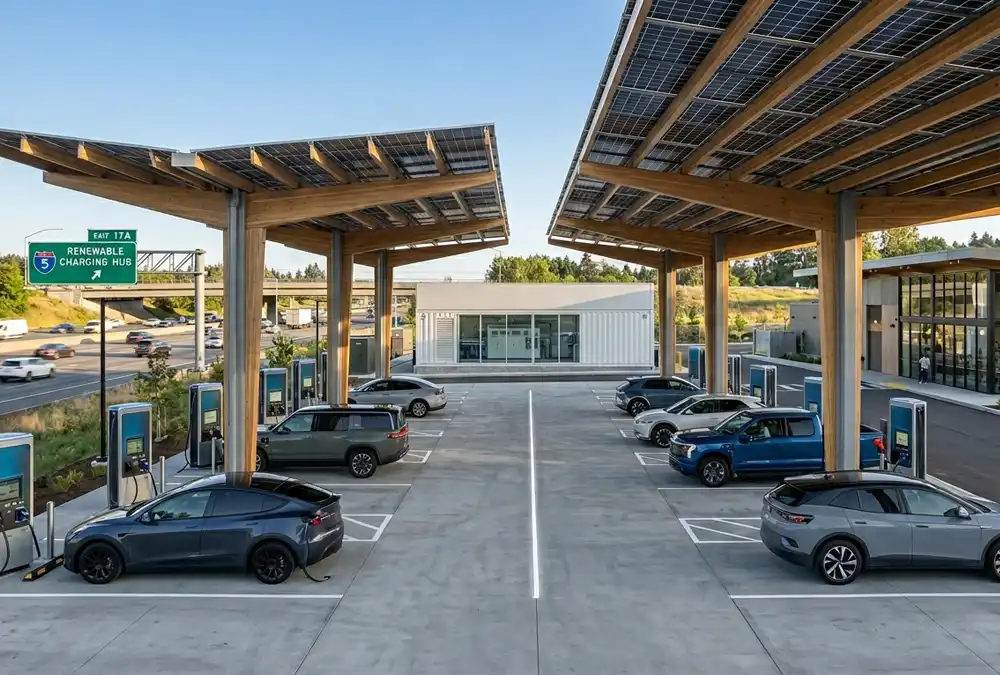
Deploying ultra-fast DC charging networks along major transit corridors creates heavy, sudden power loads. Utilizing a localized battery energy storage container allows operators to support multiple high-output chargers simultaneously without overloading local distribution transformers.
Data Centers and Critical Infrastructure
Modern data facilities integrate containerized BESS installations alongside traditional UPS systems, providing a heavy-duty energy buffer that handles prolonged grid outages and actively participates in demand-response programs to generate additional revenue.
Mining and Remote Off-Grid Sites
Remote mining extraction sites utilize containerized storage to build dependable islanded microgrids, combining local solar arrays with battery power to drastically reduce their reliance on expensive, logistically complex diesel fuel shipments.
Microgrid and Island Power Systems
Isolated communities and island resorts deploy modular container systems to combine diverse generation sources—such as wind, solar, and backup generation—into a unified, stable microgrid that ensures reliable, around-the-clock power availability.
—
Containerized Battery Storage for EV Charging Stations
Solving Grid Constraints for DC Fast Charging
A standard high-power DC fast charger can instantly pull 120kW to 350kW from the grid. When multiple vehicles plug in at the same time, the local utility infrastructure can quickly become overloaded. Placing a 1MW containerized system on-site solves this bottleneck, absorbing the heavy charging peaks locally to protect the surrounding grid.
Supporting Ultra-Fast EV Chargers
Next-generation electric vehicle fleets require ultra-fast charging capabilities to maintain rapid turnaround times. A localized 1MW battery container can discharge high-power bursts directly into the charging infrastructure, ensuring vehicles achieve maximum intake rates even when connected to lower-capacity utility lines.
Reducing Demand Charges for Charging Operators
For charging hub operators, short-duration peak demand spikes can quickly erase operational profitability. Utilizing an automated peak shaving configuration ensures that the facility’s grid draw stays flat, lowering utility demand charges and improving operational margins.
Combining Solar Power and Battery Storage
Integrating canopy-mounted solar panels with an on-site battery storage container allows charging hubs to capture zero-carbon energy during daylight hours, saving it to power vehicles during evening peak commuting times.
Example: How Many EVs Can a 1MW Battery Storage System Support?
An exact vehicle support matrix depends directly on the configuration of the internal battery packs. The following table details real-world vehicle charging capabilities based on 2025 and 2026 technical field deployment benchmarks:
| Container System Sizing | Simultaneous Fast Charger Support (120kW Chargers) | Estimated Fully Charged Vehicles Per Day (Average 60kWh Intake) | Primary Application Target |
|---|---|---|---|
| 1MW / 1MWh | Up to 4 Chargers simultaneously | Approximately 15 – 20 Vehicles | Urban retail parking lots, light-duty commercial delivery fleets. |
| 1MW / 2MWh | Up to 6 Chargers simultaneously | Approximately 30 – 45 Vehicles | Highway service plazas, mid-sized regional transit hubs. |
| 1MW / 4MWh | Up to 8 Chargers simultaneously | Approximately 65 – 90 Vehicles | Heavy-duty logistics hubs, high-utilization public charging plazas. |
—
Containerized Solar Battery Storage Systems for Renewable Energy Projects
Capturing Excess Solar Energy
Large commercial photovoltaic fields often produce more electricity during mid-day sun peaks than local facility loads can absorb. A solar battery storage system captures this excess green energy, preventing generation curtailment and preserving clean power for later use.
Maximizing Solar Self-Consumption
Sending green energy back to the utility grid under low feed-in credits provides minimal financial return. Storing that clean energy locally allows businesses to power their own heavy equipment during expensive peak utility rate windows, maximizing the value of their renewable energy investments.
Time-Shifting Renewable Energy Generation
Time-shifting allows green power generation to be completely decoupled from immediate weather patterns. Solar energy collected during the day can be discharged precisely when grid demand peaks in the evening, maximizing profitability under time-of-use utility tariffs.
Supporting Grid Stability and Frequency Regulation
By absorbing or injecting power within milliseconds, a containerized storage system helps grid operators stabilize regional frequencies and balance voltages, turning volatile renewable energy sites into reliable partners for grid stability.
—
Containerized BESS Capacity Sizing Guide
Determining Power Requirements (MW)
Power sizing is determined by isolating the highest coincident load spike at the facility. Engineers analyze historical 15-minute load profile charts to calculate the exact megawatt capacity required to successfully shave peak demand spikes or support heavy machinery startups.
Determining Energy Capacity Requirements (MWh)
Energy capacity sizing is driven by the duration of the utility’s peak tariff windows or the duration of backup power required during a grid outage. For example, if a factory needs to reduce its grid draw by 500kW for a continuous 4-hour window, it requires at least a 2MWh energy storage capacity.
Understanding Battery Duration Requirements
1-Hour Systems
Optimized for high-power, short-duration applications, such as suppressing momentary industrial motor startup spikes or providing rapid frequency regulation support for regional utility grids.
2-Hour Systems
The standard balance point for commercial peak shaving and load shifting applications, providing sufficient duration to cover typical utility peak demand windows.
4-Hour Systems
Engineered for deep energy storage applications, including long-term backup power, extensive energy arbitrage, and off-grid microgrid setups that rely heavily on renewable energy integration.
Factors Affecting Battery Sizing
- Load Profile: Thorough analysis of a facility’s 24-hour load curves to identify the timing, duration, and shape of peak electricity consumption spikes.
- Demand Charges: Reviewing utility rate structures to pinpoint the specific kilowatt thresholds where peak demand penalties increase.
- Renewable Generation: Modeling the sizing, daily generation curves, and weather variability of on-site solar or wind arrays.
- Backup Requirements: Determining the minimum critical run-time and load required to keep vital operations online during an extended grid outage.
- Future Expansion Plans: Factoring in planned machinery upgrades or expansion phases to ensure the initial battery architecture can scale seamlessly over time.
—
Containerized 1MW Battery Storage Cost Analysis
Average Cost of a 1MW Battery Storage Project
According to industrial cost data compiled in recent energy storage reports, the capital expenditure for a fully integrated containerized 1MW project is heavily influenced by the system’s energy duration depth. As of 2025 and 2026, standard market pricing falls within the following ranges:
- 1MW/1MWh Container Setup: $340,000 to $440,000 (Fully integrated turnkey enclosure)
- 1MW/2MWh Container Setup: $540,000 to $720,000 (The preferred benchmark for industrial facilities)
- 1MW/4MWh Container Setup: $920,000 to $1,250,000 (Deep energy duration configuration)
Major Cost Components
A typical budget breakdown for an industrial 1MW containerized battery energy storage system cost estimation includes several key components:
| Component Segment | Percentage of Total Project Budget | Engineering Inclusions |
|---|---|---|
| Battery Cells and Modules | 48% – 54% | High-density Lithium Iron Phosphate (LFP) cell packs, racking, internal module communications. |
| Power Conversion System (PCS) | 15% – 18% | Bi-directional grid-tied smart inverters, isolation transformers, switchgear protection. |
| BMS and EMS Systems | 8% – 11% | Multi-tier management software, touch-screen control interfaces, cloud monitoring hardware. |
| Thermal Management & Safety | 7% – 10% | Liquid chilling plates or HVAC cooling, clean-agent gas fire suppression, gas sensors. |
| Container Structure & Integration | 5% – 7% | IP55/NEMA 3R outdoor insulated maritime enclosure, internal wiring, environmental seals. |
| Civil Works & Commissioning | 10% – 14% | Site concrete pouring, utility grid permitting, safety testing, final grid hookup. |
Cost Differences Between Air-Cooled and Liquid-Cooled Systems
Liquid-cooled systems typically carry an upfront hardware cost premium of 8% to 12% over legacy air-cooled layouts. However, this initial expenditure is quickly recovered through a significant reduction in continuous parasitic power consumption and extended overall battery cycle life.
Cost Trends in the Global Battery Storage Market
Global supply chain tracking reports highlight a steady decline in per-kWh raw cell pricing, driven by expanding manufacturing capacities for stationary LFP chemistries. This long-term trend makes multi-megawatt containerized storage solutions increasingly cost-effective for commercial facilities worldwide.
—
Liquid Cooling Energy Storage Systems vs Air Cooling Systems
How Liquid Cooling Technology Works
Instead of blowing large volumes of conditioned air across battery modules using traditional fans, a liquid cooling energy storage system pumps a specialized water-glycol coolant through precision-engineered thermal plates embedded directly against the battery cells. This liquid loop quickly absorbs heat from the cells and dissipates it via a centralized external radiator circuit.
Temperature Uniformity Advantages
Air-cooling layouts often struggle with internal airflow dead zones, allowing center cells to run significantly hotter than outer cells. Liquid cooling systems eliminate these hot spots, maintaining temperature consistency across all cells within a very tight ±2°C window.
Improved Battery Lifespan
Operating cells outside of their optimal temperature window accelerates internal degradation. By maintaining consistent, ideal operating temperatures across the entire pack, liquid cooling technology can extend the service life of an LFP battery container by up to 20% to 30% over its operational lifespan.
Enhanced Safety Performance
Uneven heat distribution can cause localized cell degradation, increasing the risk of thermal runaway. Liquid-cooled plates provide direct, high-capacity heat dissipation, preventing heat buildup from spreading to adjacent cells and significantly improving overall system safety.
Lower Operating Costs Over the Project Lifetime
Liquid cooling loops run with very high thermal efficiency, using a fraction of the parasitic electrical power required by high-output HVAC air fans. This lower auxiliary power consumption directly improves the system’s net round-trip efficiency, lowering ongoing operating costs.
Why Most Modern Utility-Scale BESS Use Liquid Cooling
As industrial energy storage projects require higher energy densities and faster charge-discharge rates, traditional air cooling is rapidly becoming obsolete. Precision liquid cooling has become the modern industry standard, providing the reliable thermal management needed to handle high-demand duty cycles safely.
—
Safety Standards for Containerized Battery Energy Storage Systems
Why Safety Certification Matters
Installing high-voltage, high-capacity battery systems in commercial environments requires strict adherence to international safety standards. Securing recognized product certifications is mandatory for smooth municipal permitting, grid connection approvals, and corporate insurance coverage.
UL 1973 Battery Safety Certification
This standard subjects individual battery cells and internal module packs to rigorous mechanical and electrical abuse testing—including intentional short circuits, overcharging, crushing, and high thermal exposure—to verify structural and electrical integrity.
UL 9540A Thermal Runaway Testing
A critical, large-scale destructive fire test that evaluates whether an intentional thermal runaway event inside a single battery cell will propagate to neighboring cells, modules, or adjacent racks. Achieving a successful UL9540A test result proves the container’s design can safely contain internal thermal events.
IEC and CE Compliance Requirements
These international standards verify that the containerized system’s power inverters, structural enclosures, and electronic components comply with all applicable safety, electromagnetic compatibility, and environmental directives required for smooth global deployment.
Fire Detection and Suppression Technologies
Modern safety designs feature multi-stage protection setups, combining sensitive gas sampling systems (which detect trace cell off-gassing early) with automated clean-agent gas flooding suppression to extinguish fires before they can spread.
Multi-Layer Protection Design in Modern BESS
Comprehensive safety architectures utilize physical fire barriers between battery compartments, automated structural deflagration venting panels, and emergency water curtains to provide robust, multi-layer protection for personnel and property.
—
ROI and Revenue Opportunities for Containerized Battery Storage Solutions
Peak Shaving Savings
By automatically discharging power to shave off sudden, high-power electricity spikes, the system delivers immediate reductions in monthly utility demand charges, providing a clear, line-item financial return for industrial facilities.
Energy Arbitrage Revenue
Energy arbitrage leverages time-of-use utility tariffs by storing low-cost electricity overnight and deploying it to power facility loads during expensive daytime rate windows, capturing predictable savings on daily utility expenses.
Demand Response Programs
Many regional grid operators offer financial incentives to commercial facilities that can reduce their grid consumption on demand during peak system strain. A containerized BESS allows businesses to reduce their grid draw instantly, earning steady revenue without interrupting operations.
Renewable Energy Optimization
Storing excess on-site solar generation instead of exporting it under low feed-in credits allows businesses to use their own green energy during high-cost utility windows, significantly shortening the payback period of the solar installation.
Backup Power Value
While difficult to calculate as a daily line-item profit, avoiding a single production shutdown or protecting sensitive data from a major grid outage can save a business hundreds of thousands of dollars in lost productivity, adding massive defensive value to the project.
Typical Payback Period for a 1MW BESS Project
For high-utilization commercial facilities or busy EV charging stations operating under aggressive peak demand tariffs, a well-configured 1MW containerized storage asset typically achieves full capital payback within a 3.5 to 5.5-year payback window, entering net-positive profitability well within its 15+ year operating life.
—
How to Choose the Right Containerized Battery Storage Manufacturer
Evaluate Battery Technology and Cell Quality
Sourcing from Tier-1 manufacturers that utilize high-grade Lithium Iron Phosphate (LFP) prismatic chemistry ensures excellent chemical stability and long-term capacity retention, protecting your infrastructure investment.
Review Safety Certifications
Ensure the manufacturer provides full, verifiable documentation for essential safety certifications, including UL1973, UL1741, and comprehensive system-level UL9540A fire testing across their product lines.
Verify Project Experience and Case Studies
Partner with an engineering firm that offers a proven track record of successful field deployments, demonstrating practical experience in microgrid integration, solar-plus-storage, or commercial facility installations.
Assess EMS and Monitoring Capabilities
A high-quality Energy Management System should feature advanced, user-friendly control software, automated peak shaving algorithms, and secure remote cloud monitoring platforms to ensure optimized performance.
Consider Global Service and Technical Support
Verify that the manufacturer provides comprehensive technical field support, rapid remote diagnostics, and reliable regional spare parts networks to minimize operational downtime and simplify long-term asset maintenance.
Compare Warranty and Lifecycle Performance
Carefully analyze the manufacturer’s performance warranties, ensuring they guarantee minimum capacity retention levels over a specific period (such as 10 years or a set number of operational cycles) to protect project economics.
—
Why Choose AnengJi Power Containerized Battery Storage Solutions
High-Energy-Density Containerized BESS Designs
AnengJi Power engineers high-performance, modular energy storage containers that pack exceptional energy capacity into standard maritime enclosure footprints, minimizing required installation space and simplifying site layouts.
Advanced Liquid Cooling Technology
AnengJi’s container systems utilize proprietary, high-efficiency liquid cooling plates to maintain uniform temperatures across all internal cells, ensuring maximum safety, low parasitic power draw, and extended operational lifecycles under demanding industrial loads.
Intelligent EMS and Remote Monitoring
Every AnengJi containerized platform features an advanced Energy Management System with built-in peak shaving and energy arbitrage algorithms, combined with secure, 24/7 cloud-based monitoring to maximize financial returns automatically.
Comprehensive Fire Protection System
AnengJi incorporates multi-layer safety architectures into their designs, combining early-stage gas aspiration sensors with automated clean-agent fire suppression and deflagration venting to meet the highest safety standards.
Flexible 1MW to Multi-MW Expansion Capability
AnengJi designs its modular container systems with future scaling in mind, allowing operators to deploy a baseline 1MW system today and easily scale capacity in parallel as facility loads increase.
Applications in Solar, Industrial, and EV Charging Projects
With extensive engineering experience across diverse sectors—including commercial microgrids, industrial manufacturing, and high-output EV charging stations—AnengJi Power delivers field-tested solutions tailored to your specific operational goals.
Global Certifications and International Project Experience
AnengJi Power prioritizes rigorous quality and safety compliance, ensuring all containerized systems carry full international certifications, including CE, UL1973 compliance, and UL9540A safety testing for smooth global deployment.
—
Future Trends in Containerized Battery Energy Storage Systems
Larger Capacity Energy Storage Containers
Ongoing improvements in cell energy density are allowing manufacturers to pack significantly higher MWh capacities into standard 20-foot and 40-foot container enclosures, lowering per-kWh shipping and installation costs.
AI-Powered Energy Management
Next-generation EMS platforms will increasingly leverage machine-learning algorithms to analyze historical facility traffic, weather forecasts, and spot market pricing in real time, optimizing battery cycling to maximize project ROI.
Integration with Renewable Energy and EV Charging
The growth of high-output EV charging hubs and on-site solar installations will make integrated, containerized microgrids a standard infrastructure requirement for commercial and industrial facilities worldwide.
Growth of Grid-Scale Battery Storage Markets
As regional grids continue to integrate larger shares of intermittent renewable energy, utility operators will rely heavily on decentralized battery containers to provide automated frequency regulation and maintain grid stability.
Next-Generation Battery Technologies
While Lithium Iron Phosphate (LFP) remains the dominant chemistry for commercial energy storage due to its exceptional cycle life and thermal stability, the industry is closely tracking emerging alternatives:
- Sodium-ion Batteries: An emerging alternative that utilizes abundant sodium raw materials, offering excellent low-temperature performance and lower manufacturing costs, though with lower energy density than standard lithium packs.
- Solid-State Technology: An advanced design that replaces volatile liquid electrolytes with solid components, promising significantly higher energy densities and enhanced safety profiles once large-scale manufacturing scales.
- Flow Batteries (e.g., Vanadium Redox): A stationary storage alternative that stores energy in external liquid chemical tanks, offering near-infinite cycle life and excellent duration scaling for large utility-scale storage applications.
—
FAQ About Containerized 1MW Battery Storage Solutions
What is the difference between a 1MW and a 1MWh battery storage system?
1MW indicates the system’s maximum instantaneous power output capacity (how much electrical load the inverter can handle at any single second), whereas 1MWh represents the total energy capacity depth (how much energy the cells can deliver over a duration of time).
How long can a 1MW battery storage system supply power?
The continuous power duration depends entirely on the system’s MWh capacity configuration. A 1MW/1MWh system can deliver max power for 1 hour; a 1MW/2MWh system can deliver max power for 2 hours, and a 1MW/4MWh system can sustain its max output for 4 hours before depletion.
What is the typical lifespan of a containerized BESS?
High-quality containerized systems utilizing Tier-1 LFP cells typically deliver an operational lifespan of 15 to 20 years, supporting between 6,000 and 8,000 full charge-discharge cycles before dropping to 80% of their original nameplate capacity.
Are liquid-cooled battery storage systems better than air-cooled systems?
Yes. Liquid cooling systems deliver vastly superior thermal conductivity, maintaining cell temperature consistency within a tight ±2°C window. This eliminates internal hot spots, lowers parasitic power draw, and extends battery lifespan by up to 20% to 30% compared to traditional air-cooled configurations.
Can a containerized battery storage system be expanded later?
Absolutely. Modern containerized BESS solutions feature modular modular designs, allowing operators to easily add additional battery enclosures in parallel onto the existing power conversion bus as facility loads scale.
How much space does a 1MW battery storage container require?
A standard 1MW system is typically housed inside a standard 20-foot maritime container footprint (approximately 20 feet long by 8 feet wide). However, site plans must factor in additional safety perimeter clearance zones around the container to satisfy local building and fire codes.
Is a containerized BESS suitable for EV charging stations?
Yes. Integrating a containerized storage system at EV charging hubs provides a vital power buffer that handles sudden, high-output DC fast charging spikes locally, shielding the surrounding grid from overload and lowering monthly utility demand charges.
What certifications should a commercial battery storage system have?
To ensure smooth local permitting, safety compliance, and insurance coverage, systems should carry recognized international certifications, including CE compliance, UL1973 for battery packs, and full system-level UL9540A thermal runaway fire safety testing.
How long does it take to install a containerized battery storage system?
Because containerized systems are factory-assembled and pre-tested, on-site installation is exceptionally fast. Once pre-poured concrete pad foundations are ready, physical dropping, electrical wiring integration, and final utility commissioning typically take between 2 to 4 weeks.
What factors determine the ROI of a battery storage project?
The return on investment is driven by local utility rate structures (specifically the spread between peak and off-peak tariffs), monthly peak demand charge savings, participation in grid demand-response programs, and the total volume of daily vehicle traffic or facility load shifted by the automated EMS control software.
 https://anengjipower.com/wp-content/uploads/2026/10/AnengjiPower-Load-Shifting-Energy-Storage-at-a-CI-Site.webp
675
1000
Charging Station Engineer
https://anengjipower.com/wp-content/uploads/2025/09/anengji-dc-fast-charging-station-manufacturer-and-supplier-logo-white-1.png
Charging Station Engineer2026-10-19 03:47:032026-10-19 03:47:31Load Shifting Energy Storage: C&I Sizing & Cost Guide
https://anengjipower.com/wp-content/uploads/2026/10/AnengjiPower-Load-Shifting-Energy-Storage-at-a-CI-Site.webp
675
1000
Charging Station Engineer
https://anengjipower.com/wp-content/uploads/2025/09/anengji-dc-fast-charging-station-manufacturer-and-supplier-logo-white-1.png
Charging Station Engineer2026-10-19 03:47:032026-10-19 03:47:31Load Shifting Energy Storage: C&I Sizing & Cost Guide https://anengjipower.com/wp-content/uploads/2026/10/AnengjiPowr-AC-Coupled-Battery-Storage-at-a-CI-Solar-Site.webp
675
1000
Charging Station Engineer
https://anengjipower.com/wp-content/uploads/2025/09/anengji-dc-fast-charging-station-manufacturer-and-supplier-logo-white-1.png
Charging Station Engineer2026-10-16 03:03:192026-10-16 03:03:49What Is AC-Coupled Battery Storage? C&I BESS Guide
https://anengjipower.com/wp-content/uploads/2026/10/AnengjiPowr-AC-Coupled-Battery-Storage-at-a-CI-Solar-Site.webp
675
1000
Charging Station Engineer
https://anengjipower.com/wp-content/uploads/2025/09/anengji-dc-fast-charging-station-manufacturer-and-supplier-logo-white-1.png
Charging Station Engineer2026-10-16 03:03:192026-10-16 03:03:49What Is AC-Coupled Battery Storage? C&I BESS Guide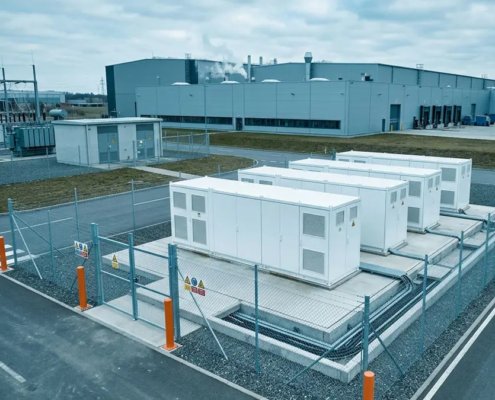 https://anengjipower.com/wp-content/uploads/2026/10/AnengjiPower-What-Is-Peak-Shaving-at-an-Industrial-Site.webp
675
1000
Charging Station Engineer
https://anengjipower.com/wp-content/uploads/2025/09/anengji-dc-fast-charging-station-manufacturer-and-supplier-logo-white-1.png
Charging Station Engineer2026-10-15 06:49:012026-10-15 06:50:23What Is Peak Shaving? How Battery Energy Storage Reduces C&I Peaks
https://anengjipower.com/wp-content/uploads/2026/10/AnengjiPower-What-Is-Peak-Shaving-at-an-Industrial-Site.webp
675
1000
Charging Station Engineer
https://anengjipower.com/wp-content/uploads/2025/09/anengji-dc-fast-charging-station-manufacturer-and-supplier-logo-white-1.png
Charging Station Engineer2026-10-15 06:49:012026-10-15 06:50:23What Is Peak Shaving? How Battery Energy Storage Reduces C&I Peaks


Leave a Reply
Want to join the discussion?Feel free to contribute!