
Introduction
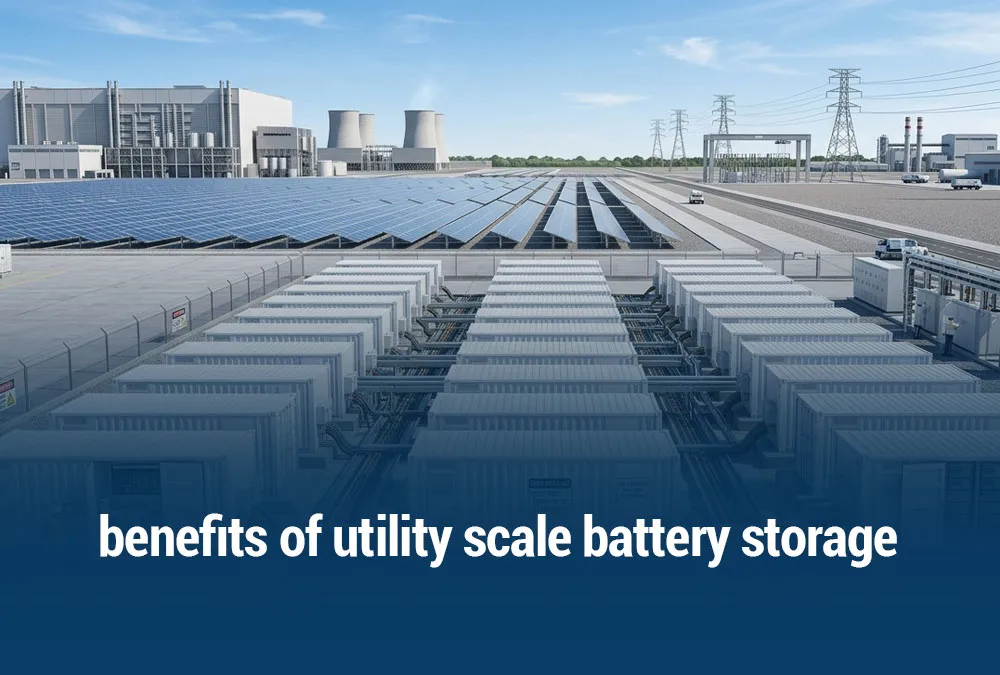
Grid operators and industrial power managers face a harsh reality today. Thermal generator retirements are accelerating, while intermittent solar and wind penetration surges. This structural shift creates dangerous ramp-rate mismatches, localized voltage instability, and severe financial exposure during utility peak tariff windows. Evaluating the true operational benefits of utility scale battery storage goes far beyond basic environmental metrics. Deploying robust utility battery storage projects lets facility engineers actively buffer grid volatility, bridge line dropouts in milliseconds, and transform volatile energy rates into controllable operational cash flows.
Why Utility Scale Battery Storage Matters
Balancing an electrical transmission network requires exact equilibrium between dynamic loads and supply generation every second. When legacy baseline power plants retire, legacy mechanical inertia disappears, leaving distribution networks vulnerable to rapid frequency collapse.
The Renewable Integration Challenge
The “Duck Curve” phenomenon isn’t just a theoretical model—it’s an operational nightmare for substation engineers. Solar generation spikes right around midday when industrial power demand dips. Then, as the sun drops in the late afternoon, clean generation plunges just as commercial facilities hit maximum cooling and machinery loads.
Without rapid, scalable deployment of utility scale battery storage system hardware, regional operators face two terrible options: throttle clean energy generation through forced curtailment or fire up expensive, high-emission natural gas peaking units. Neither option scales for modern industrial power grids.
Need for Flexible Grid Resources
Conventional grid infrastructure relies on slow-ramping thermal generation. Gas turbines require tens of minutes to sync, while nuclear and coal assets take hours or days to adjust output. Modern grid scale battery storage acts as a digital shock absorber for the network.
Electrochemical storage responds within milliseconds to dispatch signals from supervisory control systems. This sub-second capability makes renewable energy storage solutions the most agile asset available for balancing transmission distribution networks today.
Enhancing Grid and Facility Power Reliability
For heavy manufacturing plants, process industries, and data centers, power reliability isn’t just about keeping lights on—it directly impacts balance sheets and equipment lifespans.
Minimizing Power Outage Impacts
When primary transmission feeders trip, unannounced power dropouts disrupt automation lines instantly. Recent grid reliability updates published by the U.S. Energy Information Administration (EIA) highlight how extreme weather events cause severe industrial downtime losses every year.
Deploying a pre-integrated containerized battery storage system adjacent to main substations allows facilities to ride through instantaneous voltage sags cleanly. The battery systems handle the critical loads without dropping sensitive PLC-controlled production lines.
Instant Backup Power During Grid Failures
Traditional diesel generators are notoriously noisy, high-maintenance, and slow to pick up full facility loads during unexpected outages. Integrating grid connected battery storage provides instant backup capacity.
When utility supply feeds fail completely, high-capacity battery storage for solar farms and industrial complexes island the local network within milliseconds. This grants critical municipal infrastructure, medical facilities, and automated factories full operational autonomy while primary feeders undergo repairs.
Boosting Long-Term Power Resilience
System resilience requires rapid recovery following physical or environmental shocks. Distributed megawatt battery storage system arrays form decentralized power hubs across regional grids.
Instead of relying on a single distant generating station, localized battery reserves support nearby distribution circuits automatically, drastically shrinking failure zones and insulating neighboring manufacturing parks from systemic collapse.
Buyer’s Technical Concern: “How do we ensure battery storage won’t degrade prematurely under continuous industrial cycle loads?”
Premature capacity fade in older systems was caused by poor thermal management and aggressive charge/discharge profiles. Modern utility-grade BESS enclosures utilize active liquid cooling manifolds that keep individual cell temperature variances below 3°C across the rack. Combined with Tier-1 Lithium Iron Phosphate (LFP) chemistry and smart BMS cycling algorithms, these systems comfortably maintain 70-80% residual capacity after 6,000 to 8,000 full daily cycles—delivering 15+ years of predictable operational service.
Key Grid Stability and Flexibility Services
Beyond raw power delivery during outages, large energy storage assets perform active power-conditioning services that preserve delicate grid parameters.
Fast Frequency Regulation
Power distribution networks must hold rigid operating frequency tolerances—typically 50Hz or 60Hz. Any deviation damages sensitive industrial electronics and electric motors.
Large-scale industrial battery energy storage units execute synthetic inertia and synthetic frequency control routines. By modulating charge and discharge cycles within 200 milliseconds of frequency deviations, the battery system buffers reactive power fluctuations before local breakers trip.
Peak Demand Management
Peak load periods place extreme electrical and thermal stress on local distribution transformers. Implementing targeted commercial scale energy storage enables effective peak shaving for industrial energy users.
Instead of purchasing top-tier power during high-demand windows, automated energy management software dispatches local battery reserves to handle heavy plant loads, flattening facility demand spikes cleanly.
Transmission Congestion Relief
Transmission line capacity limits often prevent full utilization of remote solar and wind generation assets. Deploying stationary battery systems at key transmission junctions defers expensive power line upgrades while unlocking maximum throughput from existing green energy infrastructure.
Financial Benefits and Cost Reduction
The financial business case for BESS has expanded rapidly. Installing energy storage transforms power consumption from a passive operational overhead cost into an actively managed financial asset.
Monetizing Energy Arbitrage
Energy arbitrage operates on a straight-forward financial premise: buy bulk electricity when rates drop during low-demand off-peak periods, and discharge those reserves when spot-market prices surge.
Industrial manufacturers deploying large battery storage systems execute pre-programmed daily arbitrage strategies to dramatically lower effective cost per kilowatt-hour across their daily production cycles.
Cutting Industrial Demand Charges
Commercial utility bills include separate peak demand charges based on the highest 15-minute consumption spike recorded each month. These penalties often make up 30% to 50% of total facility electric bills.
Smart BESS control logic tracks building meters continuously. The instant load curves approach predefined thresholds, the battery dispatches to cap incoming grid draw, shielding companies from exorbitant monthly demand surcharges.
Industrial & Utility-Grade BESS Hardware Selection Matrix
Selecting the correct storage capacity depends on your specific facility load profile, available footprint, and target payback window:
| BESS Capacity & Unit Design | Thermal & Safety Infrastructure | Target Deployment Application | Direct Buyer Advantage & Selection Rationale |
|---|---|---|---|
| 100kWh All-In-One Cabinet | Liquid Cooling + Integrated Aerosol Fire System | Small commercial buildings & EV fast-charging hubs | Low entry CAPEX; compact footprint fits tight outdoor concrete pads with minimal site prep. |
| 261kWh Industrial Enclosure | Precision Liquid Loops + Smart BMS Monitoring | Medium factories & agricultural processing plants | Higher discharge current handles heavy inductive motor startups without voltage drops. |
| 418kWh Heavy Commercial Unit | Dual Liquid Temp Control + Multi-Stage Protection | Heavy industrial manufacturing & logistics centers | Extended discharge duration gives plants complete coverage across 4-hour peak tariff windows. |
| 1MWh – 5MWh Container Systems | Containerized PCS + Master SCADA + NFPA 855 System | Utility substations & IPP renewable solar plants | Maximum energy density yields the lowest LCOE per kWh stored, accelerating project ROI. |
*Selection Value: Choosing a 261kWh system over smaller 100kWh cabinets provides heavy manufacturers with high C-rate capability, allowing facilities to absorb intense motor-inrush currents without tripping upstream utility protection devices.
Maximizing Renewable Energy Potential
Expanding wind and solar generation capacity without localized storage results in severe waste through forced power curtailments.
Solving Solar and Wind Intermittency
Cloud cover passing over a utility solar farm can drop plant output by 80% in seconds. Wind farms experience similar output drops when local weather shifts unpredictably.
Utility-scale BESS hardware monitors these plant interconnections continuously. The instant renewable generation drops, the battery system ramps up discharge power within milliseconds to keep plant output flat and grid-compliant.
Optimizing Renewable Farm Performance
Combining energy storage with solar or wind farms turns variable generation assets into dispatchable power plants. Farm operators can sign firm power-purchase agreements (PPAs) at premium rates, knowing their BESS assets guarantee delivery even during zero-generation weather windows.
Accelerating Clean Energy Transition
Replacing traditional gas-fired peaker plants with fast-responding battery storage reduces regional carbon footprints dramatically. It accelerates transition goals by ensuring clean energy generated at noon is available for heating, cooling, and manufacturing late into the evening.
Local and Regional Economic Impact
Deploying large-scale energy storage assets creates positive financial ripples across regional supply chains and local labor markets.
Job Creation and Skilled Labor
Developing major BESS projects requires specialized civil engineering, high-voltage electrical contracting, and long-term facility operation. Global energy employment studies from PMC / National Institutes of Health confirm that clean technology storage deployments generate high-wage engineering and technical support jobs across local communities.
Attracting Modern Industrial Investment
Municipalities with reliable, BESS-backed electrical grids attract advanced technology tenants, data centers, and heavy manufacturing facilities that demand uninterrupted power quality.
BESS System Architecture and Hardware
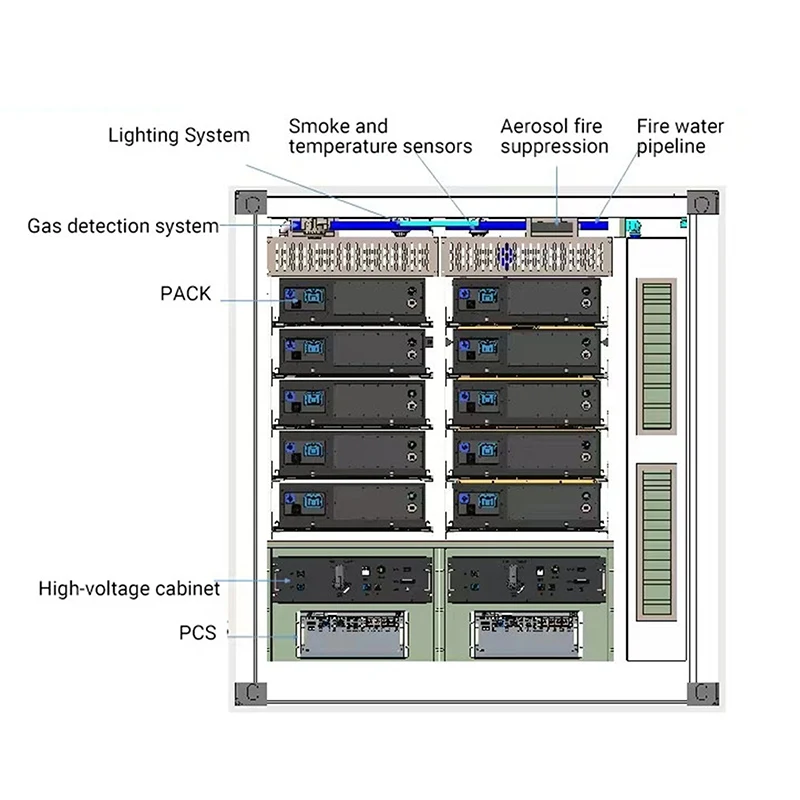
Understanding the engineering architecture inside a commercial containerized BESS helps procurement teams evaluate equipment reliability and long-term maintenance needs.
LFP Battery Chemistry
Lithium Iron Phosphate (LiFePO4 / LFP) has emerged as the definitive global standard for stationary energy storage. Unlike legacy cobalt-based chemistries, LFP offers superior thermal stability, zero risk of thermal runaway up to extreme temperatures, and an operational lifecycle reaching up to 8,000 cycles under proper management.
Bi-Directional PCS Inverters
The PCS is the bi-directional heart of the system. During charge cycles, it converts incoming AC grid power into regulated DC electricity to fill battery cells. During discharge, it converts stored DC power back into clean, grid-synchronized AC electricity with minimal conversion loss (system round-trip efficiencies exceeding 88-92%).
Integrated BMS and EMS Controls
Safety and performance are managed by a multi-tier control hierarchy:
- BMS (Hardware Layer): Monitors individual cell voltages, rack temperatures, and current states every microsecond, cutting power instantly if anomalies occur.
- EMS (Software Layer): Operates as the site intelligence brain, interfacing with facility SCADA systems, weather forecasts, and utility tariff schedules to schedule peak shaving and market dispatch automatically.
Comparative Storage Technologies: BESS vs. Alternative Systems
LFP Lithium-Ion Containers: Highest energy density, instant sub-second response times, highly modular, and standard 15-year lifecycle. Ideal for peak shaving, frequency regulation, and industrial power backup.
Vanadium Redox Flow Batteries: Decouple energy capacity from power rating using liquid electrolyte tanks. Excellent for multi-day storage (>10 hours continuous discharge), but require significantly larger physical land footprints and higher upfront civil engineering investments.
Industry Applications and Use Cases
Flexible enclosure configurations allow modular BESS deployments to adapt seamlessly to vastly different electrical environments.
Solar & Wind Power Plants
Co-locating containerized storage directly behind utility-scale inverter stations eliminates grid curtailment losses, allowing IPP project developers to monetize 100% of generated solar and wind power.
Industrial & Manufacturing Facilities
Manufacturing operations with heavy inductive equipment (arc furnaces, stampers, large motor drives) use localized BESS units to smooth aggressive load spikes, ensuring total site power draw stays below peak utility billing limits.
Isolated Microgrids & Remote Sites
Isolated mining operations and off-grid communities pair solar arrays with high-capacity BESS setups to replace expensive, logistically complex diesel fuel shipments, establishing 24/7 power independence.
Why Partner with AnengJi Power
Advanced Liquid-Cooled BESS Tech
We engineer turnkey containerized BESS equipment combining top-tier LFP cells, active liquid cooling manifolds, bi-directional PCS inverters, and intelligent EMS software designed for demanding industrial operations.
Multi-Layered Safety Engineering
Safety is built into every enclosure tier. Our hardware features multi-stage BMS electrical protection, dedicated thermal isolation barriers, off-gas detection sensors, and automated NFPA-compliant aerosol fire suppression systems.
Turnkey EPC and Support Services
We assist facility teams across every project phase: detailed site load profiling, civil pad design, electrical interconnection compliance, installation supervision, and long-term remote monitoring service.
Key Takeaways
Main Operational Benefits
Large-scale BESS setups improve power grid reliability, prevent costly industrial power dropouts, eliminate peak demand surcharges, deliver fast frequency regulation, and unlock maximum performance from solar and wind generation assets.
Supporting Renewable Growth
By storing surplus solar and wind power generated during low-demand hours and dispatching it during peak consumption windows, BESS technology eliminates clean energy curtailment and stabilizes distribution feeders.
Frequently Asked Questions
What are the primary operational benefits of utility scale BESS?
The main operational benefits include peak shaving, millisecond-level outage backup, grid frequency regulation, transmission congestion relief, and energy arbitrage.
How does battery storage improve power grid reliability?
BESS hardware dispatches active power within milliseconds during main feeder line trips, preventing minor local voltage sags from cascading into regional blackouts.
Can utility scale batteries lower facility electric bills?
Yes. Industrial facilities reduce expenses by charging batteries during low-cost off-peak windows and discharging them during peak rate hours to cap monthly demand charges.
What battery cell chemistry is used in modern BESS cabinets?
Lithium Iron Phosphate (LFP / LiFePO4) is the industry standard due to its exceptional thermal safety, long cycle life (6,000–8,000+ cycles), and high energy density.
How long does a utility-scale battery system last?
With proper active liquid cooling and BMS monitoring, tier-1 LFP BESS enclosures operate reliably for 15 to 20 years before reaching end-of-life capacity thresholds.
Is containerized battery storage safe for facility sites?
Yes. Systems engineered to UL 9540A and NFPA 855 standards feature active liquid thermal management, cell-level monitoring, off-gas detection, and integrated fire suppression.
Conclusion: Secure Your Energy Future
Integrating containerized utility-scale energy storage is an essential strategic step for energy-intensive industrial facilities and grid operators. Pairing high-density LFP hardware with intelligent EMS control shields operations from grid instability, eliminates expensive peak demand surcharges, and secures clean energy reliance for the future.
Request a Customized BESS Project Sizing & Financial ROI Assessment
Contact our application engineering team today for an in-depth review of your site load curves, equipment sizing recommendations, and a detailed project proposal.
Related Article
 https://anengjipower.com/wp-content/uploads/2026/06/epc-vs-turnkey-solar-project-bess.webp
675
1000
Charging Station Engineer
https://anengjipower.com/wp-content/uploads/2025/09/anengji-dc-fast-charging-station-manufacturer-and-supplier-logo-white-1.png
Charging Station Engineer2026-06-22 07:16:042026-06-24 07:13:17What Is the Difference Between EPC and Turnkey Contract Models in Energy Projects?
https://anengjipower.com/wp-content/uploads/2026/06/epc-vs-turnkey-solar-project-bess.webp
675
1000
Charging Station Engineer
https://anengjipower.com/wp-content/uploads/2025/09/anengji-dc-fast-charging-station-manufacturer-and-supplier-logo-white-1.png
Charging Station Engineer2026-06-22 07:16:042026-06-24 07:13:17What Is the Difference Between EPC and Turnkey Contract Models in Energy Projects? https://anengjipower.com/wp-content/uploads/2026/06/anengji-commercial-solar-plus-storage-benefits-site.webp
675
1000
Charging Station Engineer
https://anengjipower.com/wp-content/uploads/2025/09/anengji-dc-fast-charging-station-manufacturer-and-supplier-logo-white-1.png
Charging Station Engineer2026-06-20 14:34:102026-06-20 14:37:43What Are the Top Benefits of Solar Battery Storage in Factories?
https://anengjipower.com/wp-content/uploads/2026/06/anengji-commercial-solar-plus-storage-benefits-site.webp
675
1000
Charging Station Engineer
https://anengjipower.com/wp-content/uploads/2025/09/anengji-dc-fast-charging-station-manufacturer-and-supplier-logo-white-1.png
Charging Station Engineer2026-06-20 14:34:102026-06-20 14:37:43What Are the Top Benefits of Solar Battery Storage in Factories?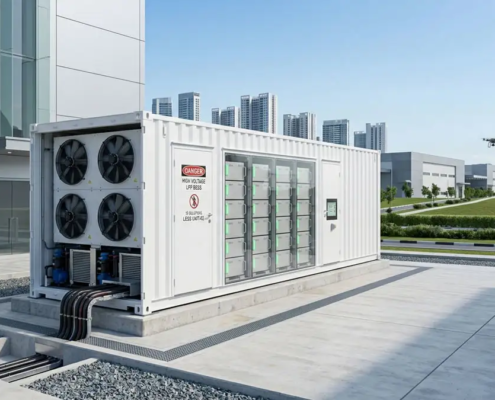 https://anengjipower.com/wp-content/uploads/2026/06/modular-commercial-solar-battery-storage-cabinet.webp
675
1000
Charging Station Engineer
https://anengjipower.com/wp-content/uploads/2025/09/anengji-dc-fast-charging-station-manufacturer-and-supplier-logo-white-1.png
Charging Station Engineer2026-06-18 09:16:522026-07-03 03:05:13What Is Solar Battery Storage? Complete C&I Engineering Guide
https://anengjipower.com/wp-content/uploads/2026/06/modular-commercial-solar-battery-storage-cabinet.webp
675
1000
Charging Station Engineer
https://anengjipower.com/wp-content/uploads/2025/09/anengji-dc-fast-charging-station-manufacturer-and-supplier-logo-white-1.png
Charging Station Engineer2026-06-18 09:16:522026-07-03 03:05:13What Is Solar Battery Storage? Complete C&I Engineering Guide


Leave a Reply
Want to join the discussion?Feel free to contribute!